Sending Birthday Flowers in Russia? Here Is Why the Number Matters
If you have never ordered flowers in Russia before, the stem count can feel like an unexpected puzzle. You pick a beautiful bouquet, the recipient loves roses, the delivery time works perfectly — and then someone quietly mentions that you sent the wrong number. In Russia, the quantity of stems carries real meaning, and getting it right is one of the small gestures that people genuinely notice and remember.
The Rule That Shapes Every Russian Bouquet
The single most important thing to understand about flower-giving in Russia is the odd-even divide. Odd numbers of stems — five, seven, nine, eleven, fifteen — are for celebrations and living people. Even numbers are reserved for funerals and mourning. This is not a superstition that only older generations follow; it is a widely observed social norm across all ages and cities, from Saint Petersburg to Vladivostok. Sending an even-numbered bouquet to a birthday party will almost certainly be noticed, and it creates an awkward moment that no beautiful wrapping can fix.
The rule applies regardless of flower type. It does not matter whether you are sending garden roses, spray chrysanthemums, or a mixed arrangement of lisianthus and eucalyptus. The count is what people look at first. Florists in Russia count stems before they wrap, and experienced recipients often count too — not because they are being critical, but because the number is simply part of how a bouquet communicates care.
For international senders or anyone unfamiliar with Russian customs, this is the one rule worth memorising before anything else. Everything else — colour, variety, presentation — comes after. Once you have an odd number in mind, the rest of the choices become much more enjoyable.
Bouquets we can deliver

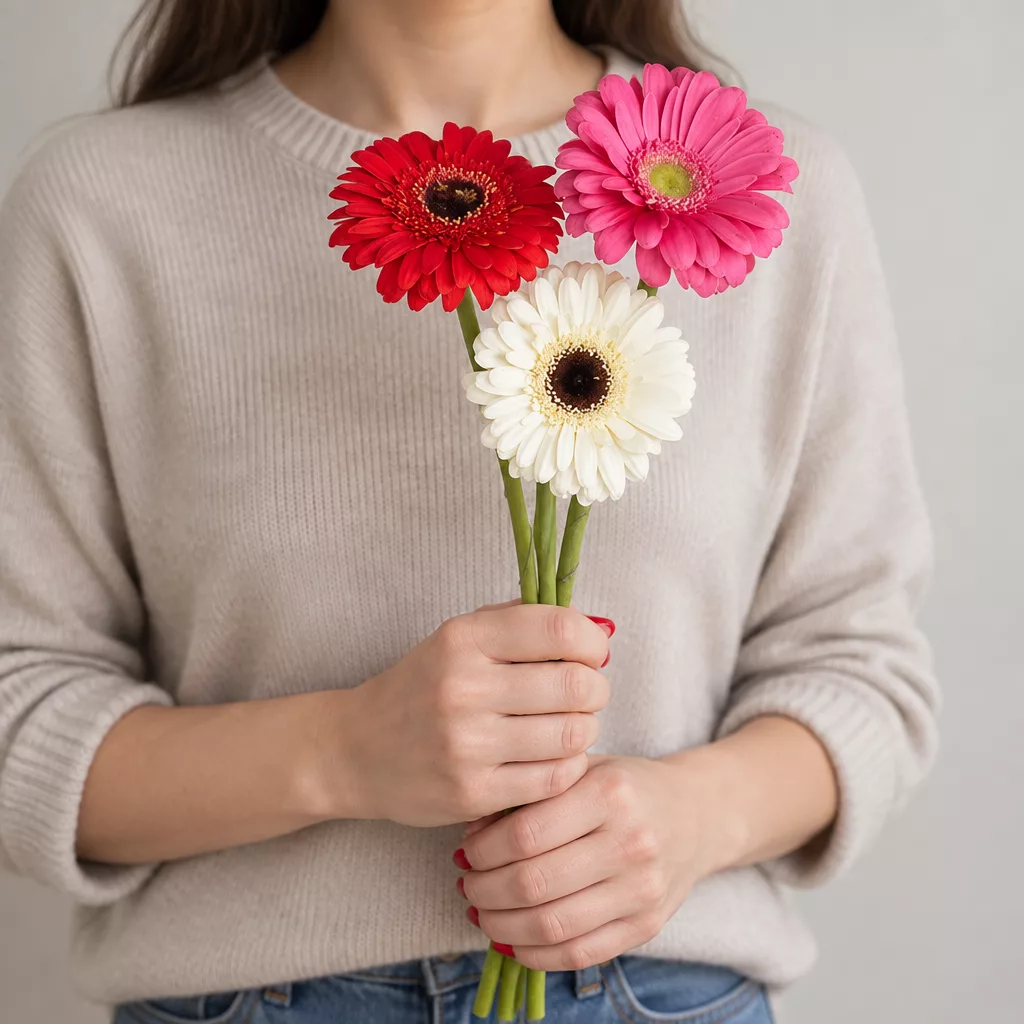

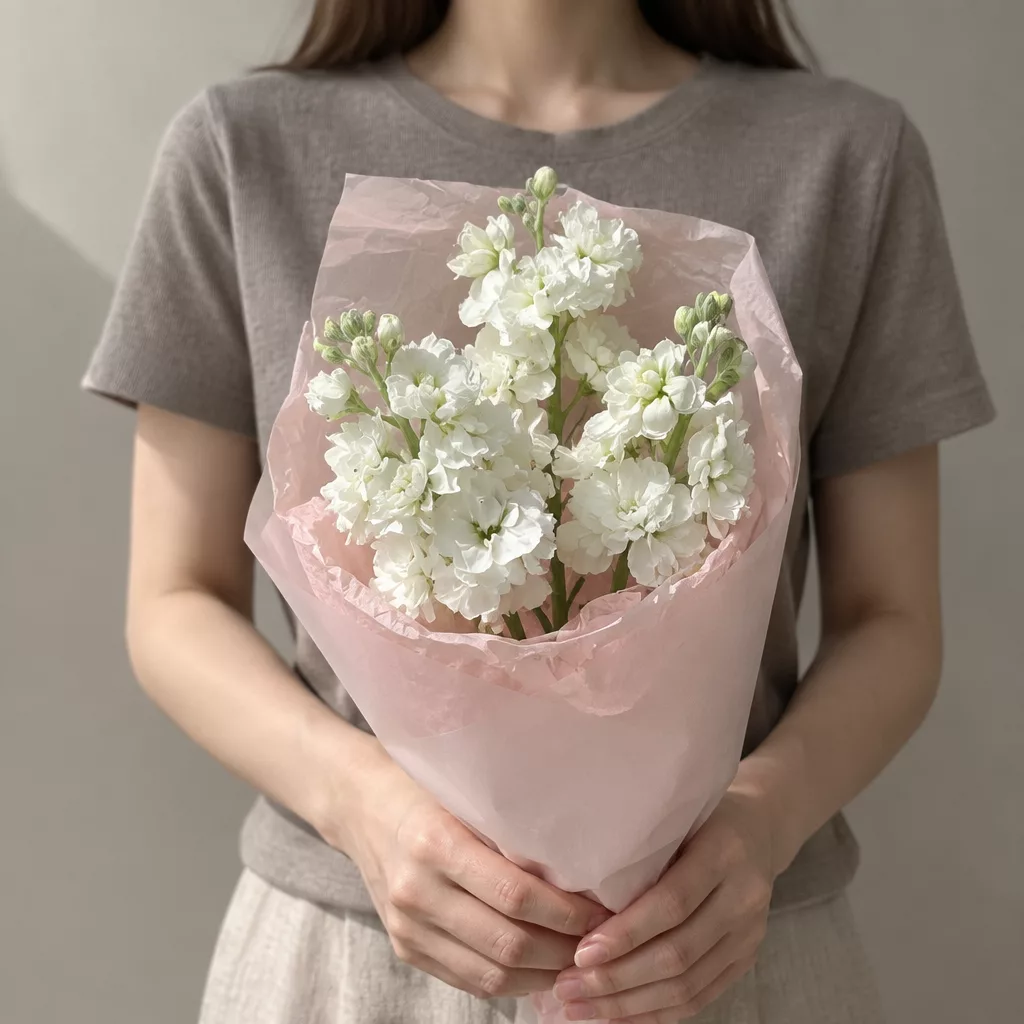
Why Seven and Nine Are the Most Trusted Choices
Among all odd numbers, seven and nine have become the most comfortable middle ground for Russian birthday bouquets. They feel generous without being overwhelming, they work across a wide range of flower types, and they suit most budgets when you choose seasonal varieties. A bouquet of seven stems reads as a considered, personal gift — not a token gesture and not an extravagant statement. Nine steps that up slightly and is particularly popular when the sender wants to signal a bit more warmth or affection.
For seven stems, roses are the classic choice, especially in a single colour like soft peach, cream, or a deep burgundy. Seven long-stemmed roses with foliage and a clean wrap look effortlessly elegant. Nine stems open up more interesting combinations: seven roses with two stems of white lisianthus, or nine ranunculus in a gradient of blush to coral. Ranunculus are especially well-suited to birthday arrangements because they open slowly over several days, meaning the recipient gets to watch the bouquet evolve.
Nine is also a number that works beautifully with tulips in spring. Nine tulips in a single bold colour — red, purple, or a deep violet — have a graphic quality that photographs well and fills a vase with real presence. Both seven and nine are safe, warm choices that any florist can work with confidently, and they communicate genuine thought without requiring an explanation of the reasoning behind them.
When Eleven or Fifteen Makes the Moment Bigger
Sometimes a birthday calls for something more. A significant age — a fortieth, a fiftieth, a sixtieth — a close friendship, a parent or partner: these occasions invite a bouquet that makes an impression the moment the door opens. Eleven and fifteen stems are the natural step up, and they are popular precisely because they allow the florist to build a more layered, complex arrangement without losing the coherence of the design.
Eleven roses in a dense, round bouquet with a spiral stem technique have become something of a signature for romantic birthdays in Russia. The bouquet is full enough to feel luxurious but still fits comfortably in a vase. Adding a few stems of gypsophila or a spray of wax flower between the roses softens the arrangement and gives it a slightly romantic, garden-gathered quality. Eleven also works well as a mixed number — seven roses and four stems of alstroemeria, for instance, which adds movement and colour variation.
Fifteen is the statement number. A bouquet of fifteen peonies in late May or early June is genuinely show-stopping, and peonies are one of the few flowers that can carry that count without looking stiff or formal. Fifteen stems of garden spray roses, arranged loosely with eucalyptus and a few dried seed heads for texture, look like something from a professional photoshoot. These are bouquets that get placed on the table and become the centrepiece of the whole celebration. They are worth every extra stem.
Numbers to Avoid and Why They Cause Problems
Beyond the even-number rule, there are a few specific counts that experienced florists in Russia quietly steer clients away from. The number one is the most obvious: a single stem reads as a minimal gesture in most contexts, though a single large sunflower or a dramatic king protea can occasionally work as a playful, personal gift if you know the recipient well. Two, four, six, eight, ten, and twelve are all even and therefore should be avoided for birthdays without exception.
Thirteen has a complicated reputation globally, and while Russian culture does not attach the same weight to it as some Western traditions do, many clients simply feel uneasy with it and prefer to move to fifteen. It is worth mentioning if you are building a custom order, just so the florist can guide you toward a count that feels right.
Large round numbers like twenty or twenty-five can seem like a good idea — they feel celebratory — but they break the odd rule and are not standard for Russian birthdays. If you want to send something in that scale, florists will often suggest twenty-one or twenty-five arranged as two bouquets: a primary arrangement and a smaller complementary one. This keeps the count correct, adds a visual surprise at the door, and gives the recipient two vases of flowers rather than one crowded arrangement that struggles to open properly. Crowding is a real practical problem: stems packed too tightly do not get enough water circulation, and the inner flowers begin to fade faster than the outer ones.
Matching the Stem Count to the Recipient
The right number is not just about the occasion — it is about who is receiving the flowers and what the arrangement will say about your relationship with them. For a colleague or a professional contact celebrating a birthday, seven or nine stems in a clean, single-variety bouquet strikes exactly the right note: warm, thoughtful, and appropriate without overstepping. White or cream spray roses, or a bundle of white freesias with their naturally sweet scent, work beautifully here and feel neither too intimate nor too impersonal.
For a close friend, you have more room to be playful. Nine stems of mixed garden flowers — some ranunculus, a few stems of sweet peas when they are in season, and a couple of small-headed dahlias — feel personal and considered. The variety itself signals that you thought about what they would enjoy, not just what looked easiest to order. If your friend has a favourite colour, build the whole bouquet around it regardless of variety.
For a romantic partner or a parent, eleven or fifteen is the natural territory. A parent's birthday often calls for something classic and full — fifteen roses in a colour they love, or a generous mixed bouquet with peonies as the hero flower. For a partner, consider what the bouquet will feel like to hold and to unwrap: something fragrant, like a combination of garden roses and freesias, adds a sensory layer that makes the moment more memorable. The count tells them you went further than the minimum. The combination tells them you were thinking specifically of them.
Keeping the Bouquet Beautiful After Delivery
A bouquet delivered within one to two hours arrives in excellent condition, but what happens in the next few days depends almost entirely on how it is cared for. The first step is always a fresh diagonal cut — about two centimetres from the bottom of each stem — made with a sharp knife rather than scissors. Scissors compress the stem tissue and reduce water uptake. A clean diagonal cut made under running water gives the maximum surface area for drinking.
Water temperature matters more than most people realise. Roses, lisianthus, and most garden flowers prefer cool water, between ten and fifteen degrees Celsius. Tulips are an exception: they continue to grow in the vase and will curve toward light, which is either charming or inconvenient depending on how you feel about it. Keeping tulips in a cool room slows this movement. Peonies, if they arrive in tight bud, benefit from slightly warmer water and a warm room to encourage them to open.
Change the water every two days and remove any leaves that fall below the waterline, as submerged foliage rots quickly and clouds the water with bacteria that shorten vase life significantly. Keep the arrangement away from direct sunlight, radiators, and fruit bowls — ripening fruit releases ethylene gas, which accelerates petal drop in roses and ranunculus noticeably. With basic care, a well-conditioned bouquet of roses or lisianthus should last seven to ten days. Peonies and tulips are typically at their best for five to seven days, but they are so beautiful at their peak that the shorter window rarely feels like a disappointment.
Putting It All Together Before You Order
When you sit down to order birthday flowers for someone in Russia, the decisions stack up quickly: how many stems, which flowers, what colours, what wrapping. The easiest way to move through them is in order. Start with the count — pick an odd number that matches the occasion and the closeness of your relationship. Seven or nine for most situations, eleven or fifteen when you want to make a bigger impression. Once the number is set, everything else becomes a creative conversation rather than a stressful one.
Think about the season, because it shapes what is available and what will look its best. In winter, roses and chrysanthemums are consistent and reliable. In spring, tulips and ranunculus are at their peak. In early summer, peonies are worth choosing whenever they are available — they have a short season and a long emotional impact. In late summer and autumn, dahlias and sunflowers bring warmth and texture that suits the light of those months perfectly.
Finally, think about the moment of receiving. A bouquet delivered to someone at home lands differently than one sent to an office. At home, there is time to unwrap slowly, find a vase, and arrange the stems. At an office, something already wrapped beautifully and holding its shape matters more, because the recipient may not have a vase to hand immediately. Mentioning the delivery location when you order lets the florist make small adjustments to the wrapping and structure that make the whole experience feel more considered from the very first moment the flowers arrive.
Sending the right number of flowers for a Russian birthday is one of those small details that people remember long after the petals have faded. It takes thirty seconds to choose an odd number, and that choice signals that you understand something real about the person and the culture you are celebrating with. Pair a thoughtful count with flowers that suit the season and the recipient, and you have a gift that does everything a gift should: it surprises, it pleases, and it shows that you paid attention.
Frequently asked questions
Is it really that important to send an odd number of flowers in Russia?
Yes, genuinely. Even numbers of flowers are associated with mourning in Russian tradition, and this is observed across generations and regions. It is not a rule that requires explanation to the recipient — it is simply noticed. Choosing an odd number like seven, nine, or eleven takes seconds and avoids an awkward moment that no beautiful wrapping can undo.
Can I send a bouquet of five stems, or does that seem too small?
Five is a valid odd number and perfectly acceptable for a lighter gesture — a birthday card accompanied by five stems of garden roses or five tulips reads as charming rather than insufficient. It works well for a colleague, a neighbour, or a child's birthday. For closer relationships or milestone ages, moving up to seven or nine feels more appropriate to the occasion.
What flowers work best for a birthday bouquet delivered in winter in Russia?
In winter, roses are the most reliable choice because they travel and hold well in cold temperatures. Spray roses, lisianthus, and alstroemeria are also excellent — they are hardy, long-lasting, and available in a wide range of colours. Avoid delicate varieties like sweet peas or open peonies in winter, as they are not in season and will not arrive in the same condition as seasonal flowers.
Does the colour of the flowers matter as much as the number in Russian birthday customs?
Colour matters, but less strictly than the stem count. Red roses carry romantic meaning and are best reserved for partners. White flowers are sometimes associated with formal or solemn occasions, so a fully white bouquet may feel slightly cool for a warm birthday celebration. Mixed colours or a single bold colour like coral, peach, or violet tend to feel festive and are unlikely to be misread.
How far in advance should I order birthday flowers for delivery in Russia?
For same-day delivery within one to two hours, placing your order at least two to three hours before you want the flowers to arrive gives the best result. For milestone birthdays or large arrangements of fifteen stems or more, ordering the evening before or early in the morning on the day ensures the florist can source the best available stems and build the arrangement with proper care.
Ready to send flowers?
Pick the city, choose the bouquet, and a local florist takes it from there.
Choose a city →