Receiving Flowers at the Door: What Russians Actually Do
The doorbell rings, a courier hands over a wrapped bouquet, and suddenly there is a small ceremony happening in your hallway. If you have never received flowers in Russia before — or you are sending a bouquet to someone who has — it helps to know what happens next. The way Russians receive and unwrap flowers is warmer and more deliberate than you might expect, and getting those first few minutes right makes a real difference to how long the blooms will last.
The Moment at the Door: What Happens First
When a Turboflora courier arrives, the recipient typically takes the bouquet with both hands — a small but meaningful gesture that signals appreciation rather than a quick grab at the door. In Russian custom, flowers are received face-to-face with a moment of genuine attention, not tucked under one arm while reaching for a phone. This matters because the first handling sets the tone for everything that follows.
Most recipients will pause to look at the bouquet before doing anything else. They will notice the colours, lean in to catch any scent, and read the card if one is attached. This is not delay — it is part of the ritual. The flowers are meant to be seen as a gift, not processed like a parcel.
If the bouquet arrives in cold weather, which in Saint Petersburg means anything from October through April, the wrapping will have kept the blooms at a stable temperature during transit. Roses, ranunculus, and tulips are especially sensitive to sudden temperature swings, so recipients will often bring the bouquet indoors and let it rest for five to ten minutes before unwrapping. This brief acclimatisation prevents condensation from settling on petals and reduces the shock of moving from near-freezing outdoor air into a warm apartment. It is a small habit that experienced flower receivers do almost automatically, and it genuinely extends vase life.
Bouquets we can deliver

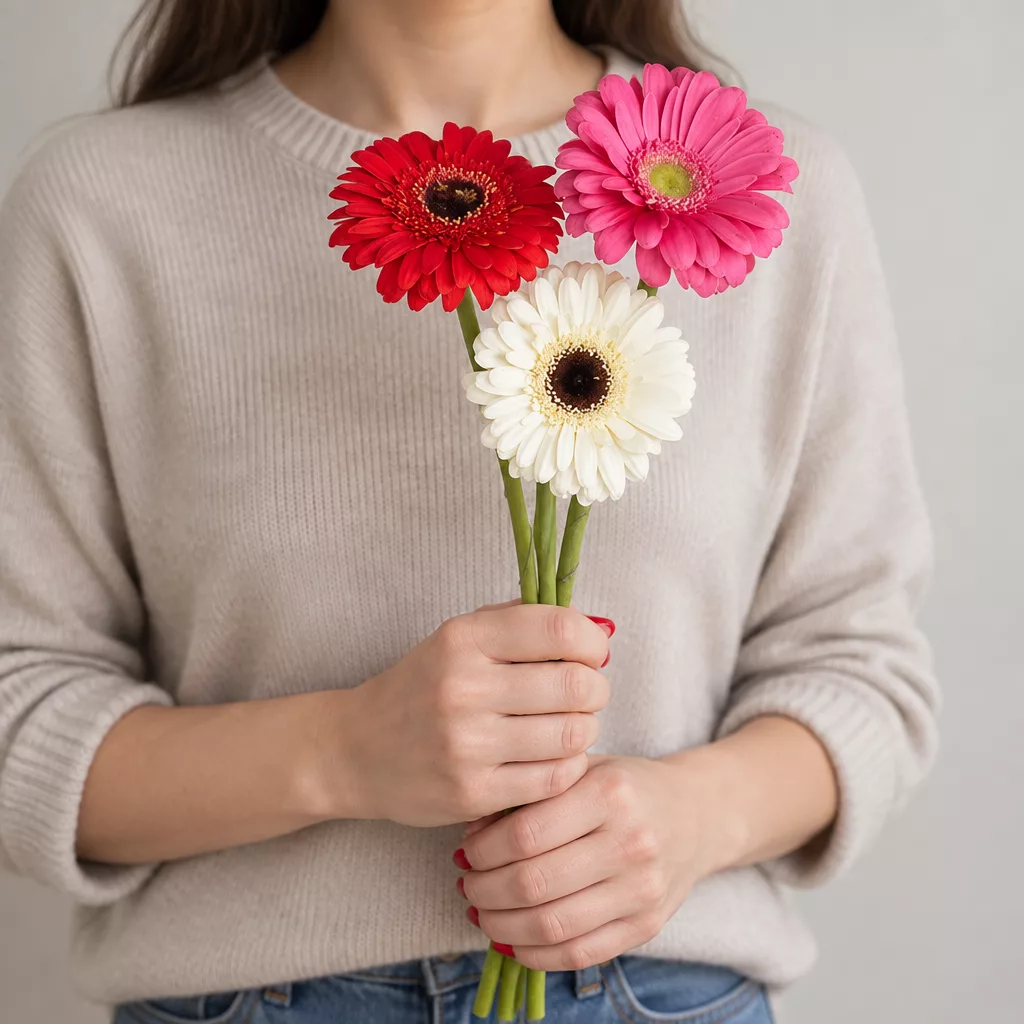

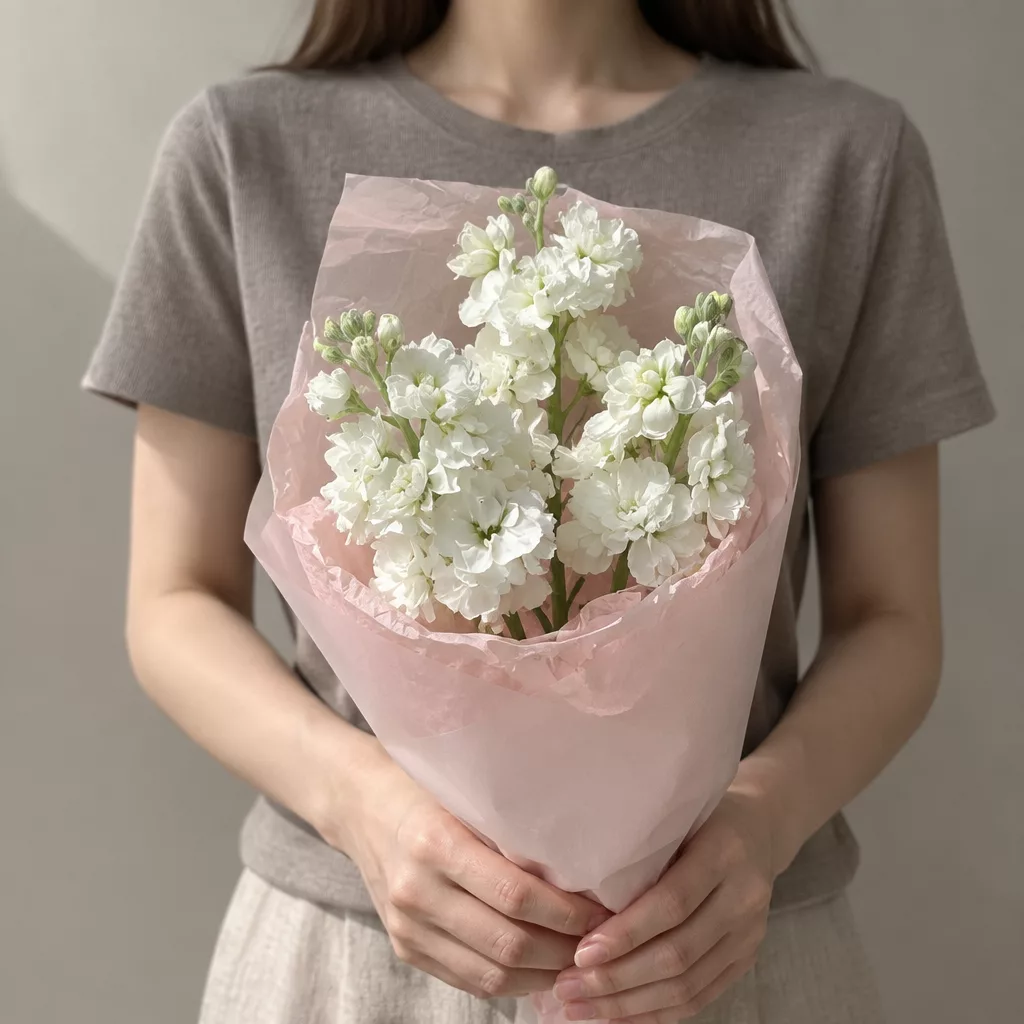
Reading the Wrapping Before You Remove It
Russian bouquets — especially those from professional florists — are wrapped with intention. The outer layer is usually kraft paper or a matte film sleeve, and inside there is often a second layer of tissue or soft paper that sits directly against the stems and lower leaves. Before tearing into it, it is worth understanding what each layer is doing.
The outer wrap is structural. It holds the bouquet in its designed shape and protects petals from wind, cold, and contact during delivery. The inner tissue keeps moisture near the stem ends if the florist has added a small water capsule or damp cotton at the base — a standard practice for orders travelling more than twenty minutes. Removing the outer layer carelessly can pull petals or snap delicate stems like those of anemones or sweet peas.
Most Russian recipients unwrap from the top down, loosening the paper at the cone or bow first and then sliding it off rather than tearing upward from the base. This keeps the arrangement intact so the recipient can see the full composition before it is disturbed. It also gives a moment to check whether a water capsule is present, which should be removed before the stems go into a vase. Leaving a plastic capsule attached and then placing it in water does nothing harmful, but it does block the stem end from drinking freely. Taking thirty seconds to read the wrapping before removing it is a habit that protects both the flowers and the florist's design.
Removing the Wrapping Without Damaging the Blooms
Once the outer paper is loose, the actual unwrapping begins. The approach varies slightly depending on what is inside. A bouquet of sturdy roses or chrysanthemums can be unwrapped with more confidence than one built around garden roses, lisianthus, or branches of mimosa, which bruise if handled roughly. A working florist always advises unwrapping over a table or counter rather than holding the bouquet in mid-air — this way, if a stem slips or a bloom falls, it lands softly rather than hitting the floor.
The inner tissue, if present, should be peeled back gently from the sides rather than pulled from beneath the stems. Stems that have been sitting in a water capsule may feel slightly cool and damp, which is a good sign. Dry stems at the base after a long journey are a warning that the flowers need water immediately and should be trimmed and placed in a vase without delay.
In Russian apartments, the kitchen is often the first stop after unwrapping, because that is where the scissors and a deep jug or bucket are most likely to be. Florists recommend a bucket or tall jug for the first hour rather than a decorative vase, simply because depth matters more than aesthetics at this stage. Getting the stems into water quickly after unwrapping is the single most effective thing a recipient can do to extend vase life. For tulips and gerberas in particular, even fifteen minutes out of water in a warm room causes visible wilting that takes hours to reverse.
Trimming the Stems: The Step Most People Skip
Ask any florist what separates a bouquet that lasts ten days from one that fades in four, and the answer is almost always the same: a clean cut on the stems before they go into water. This step is skipped more often than any other, and it is the most consequential. During transit, the cut end of a stem begins to seal over with a thin layer of dried sap and oxidised tissue. That seal blocks water uptake significantly, even if the stem looks fine to the naked eye.
The correct method is to cut one to two centimetres from the bottom of each stem at a forty-five-degree angle using sharp scissors or a clean knife. The angle increases the surface area in contact with water and prevents the stem end from resting flat against the bottom of the vase, which would block absorption entirely. In Russia, kitchen scissors are the most common tool used, and they work perfectly well as long as they are sharp. Blunt blades crush the stem tissue rather than cutting cleanly, which restricts water flow just as much as not cutting at all.
For woody stems — think roses with thick canes or branches of waxflower — a slightly deeper cut of two centimetres is better. For hollow stems like delphiniums, some Russian florists recommend turning the stem upside down, filling the hollow with water, and plugging it briefly with a finger before placing it in the vase. This is an older technique that still works well. Whatever the variety, cutting the stems under running water or immediately before placing them in the vase gives the best result.
Choosing the Right Vase and Water Temperature
Vase choice in Russian homes tends toward the decorative — tall glass cylinders, ceramic crocks, or wide-mouthed bowls that have been passed down or collected over time. These can all work beautifully, but the match between vase shape and bouquet structure matters more than most people realise. A tight, round bouquet of roses and eucalyptus needs a vase with a neck narrow enough to hold the stems in position. A loose, airy arrangement of cosmos or sweet peas needs something wider so the stems can spread naturally without crowding.
Water temperature is a detail that surprises many people outside Russia. The standard advice from florists here is to use cool, not cold water — roughly room temperature or slightly below. Ice-cold water slows water uptake in most cut flowers, which seems counterintuitive but is well-established in practice. The exception is tulips, which prefer genuinely cold water and even benefit from being placed in a cool room or near a window in winter. Hyacinths also last longer in cooler conditions.
Fill the vase to roughly two-thirds of the stem length. Submerging leaves in water causes them to rot quickly, which clouds the water and introduces bacteria that shorten the life of every stem in the arrangement. Before placing the bouquet, remove any leaves that would sit below the waterline — this takes a minute but makes a visible difference within twenty-four hours. Change the water every two days, re-trimming the stems each time, and keep the vase away from direct sunlight, heating radiators, and fruit bowls, all of which accelerate wilting.
Where Russians Place Flowers in the Home
Once the bouquet is in its vase, placement becomes a small act of interior styling. In Russian apartments, flowers are most commonly placed in the living room on a coffee table or sideboard, or in the kitchen on the windowsill. Both locations have their advantages and their risks. A living room sideboard keeps flowers visible and central, which is the point — flowers in Russia are meant to be seen and appreciated, not tucked away. A kitchen windowsill offers natural light but also proximity to the stove, which creates warmth and ethylene gas that shortens petal life.
The best position for almost any bouquet is one with bright, indirect light, away from heat sources and draughts. In a Saint Petersburg apartment in winter, this often means the middle of the living room or a hallway table — away from the radiators that run along the outer walls beneath the windows. In summer, the same windows that provide beautiful light can overheat a vase within hours on a south-facing sill.
Russians often treat a fresh bouquet as a centrepiece around which small rituals happen — morning coffee nearby, an evening glance across the room. This is not incidental. Flowers placed where they are seen daily tend to be cared for more attentively: water gets changed, wilting stems get removed, and the arrangement gets refreshed. A bouquet on a shelf in a spare room, however beautiful when it arrives, tends to be forgotten. The placement is, in a quiet way, a commitment to the gift.
When the Recipient Is Not Home: Handling Delivery Differently
Sometimes the person receiving the flowers is not at home when the courier arrives — a colleague is out of the office, a family member is running late, or the delivery is a surprise arranged without the recipient's knowledge of the timing. In these cases, the question of how to receive the bouquet shifts to whoever is present: a neighbour, a colleague, a building concierge, or a family member.
The etiquette here is straightforward. The person accepting the delivery should unwrap the outer protective layer as soon as possible and place the stems in water — even a jug from the kitchen will do. They should not leave the bouquet in its full wrapping for more than thirty minutes in a warm indoor space. The paper holds heat close to the petals, which accelerates wilting in warm-blooded flowers like ranunculus, garden roses, and freesias. Tulips and alstroemerias are more forgiving, but no cut flower benefits from sitting wrapped in a heated room.
If the recipient will be home within an hour or two, the interim caretaker can simply cut the stems and place the bouquet in a deep container of cool water, leaving the arrangement intact for the recipient to transfer to a proper vase themselves. This preserves the presentation and the surprise while keeping the flowers healthy. If the wait will be longer — several hours or overnight — it is worth loosening the wrapping entirely and placing the bouquet somewhere cool, such as a hallway away from radiators or even a cool bathroom. Flowers held at ten to fifteen degrees Celsius will stay fresh significantly longer than those left in a twenty-two-degree living room.
Receiving flowers well is a small skill, and like most small skills, it becomes invisible once it is learned. The pause at the door, the careful unwrapping, the fresh cut on the stems, the right vase with cool water in a sensible spot — none of these steps takes more than a few minutes, and together they can double the life of a bouquet. Russian flower culture has always treated the arrival of fresh blooms as a moment worth slowing down for, and that instinct turns out to be practically correct as well as emotionally right. When Turboflora delivers to your door, the flowers are already at their best. What happens in the next ten minutes is up to you.
Frequently asked questions
Should I unwrap the bouquet immediately when it arrives?
If the bouquet has come in from cold outdoor temperatures, let it rest indoors for five to ten minutes before unwrapping. This prevents condensation on petals. Once it has acclimatised, remove the wrapping promptly and place the stems in water — leaving flowers wrapped in a warm room for more than thirty minutes accelerates wilting, especially for roses and ranunculus.
Does the water temperature in the vase really matter?
Yes, it makes a practical difference. Most cut flowers drink most efficiently from cool, room-temperature water rather than ice-cold water. Tulips are the main exception — they prefer genuinely cold water and a cool room. Avoid hot or warm water for any variety, as it encourages bacterial growth and speeds up the opening of buds faster than most people want.
How often should I change the water and trim the stems?
Change the water every two days and re-trim the stems by one centimetre each time you do. This prevents bacterial buildup in the vase, which is the main reason bouquets fade prematurely. Each fresh cut reopens the stem's water channels, which seal over within hours of the previous cut. Sharp scissors and a clean vase are the two tools that matter most.
Why do Russian florists sometimes include a small water capsule at the stem base?
A water capsule or damp cotton pad keeps stem ends moist during transit, which is especially important for deliveries longer than twenty to thirty minutes. Remove it before placing the bouquet in a vase so the stem end can drink freely. The capsule is a transit tool, not a long-term water source — it holds only enough moisture to bridge the journey.
What is the biggest mistake people make after receiving a bouquet?
Skipping the stem trim before putting flowers in water. The cut end seals over during transit and blocks water absorption even when the stem is submerged. A clean, angled cut of one to two centimetres with sharp scissors, made immediately before placing the stems in the vase, is the single most effective step for extending vase life across almost every variety.
Ready to send flowers?
Pick the city, choose the bouquet, and a local florist takes it from there.
Choose a city →