How to Transport Cut Flowers Safely from Door to Vase
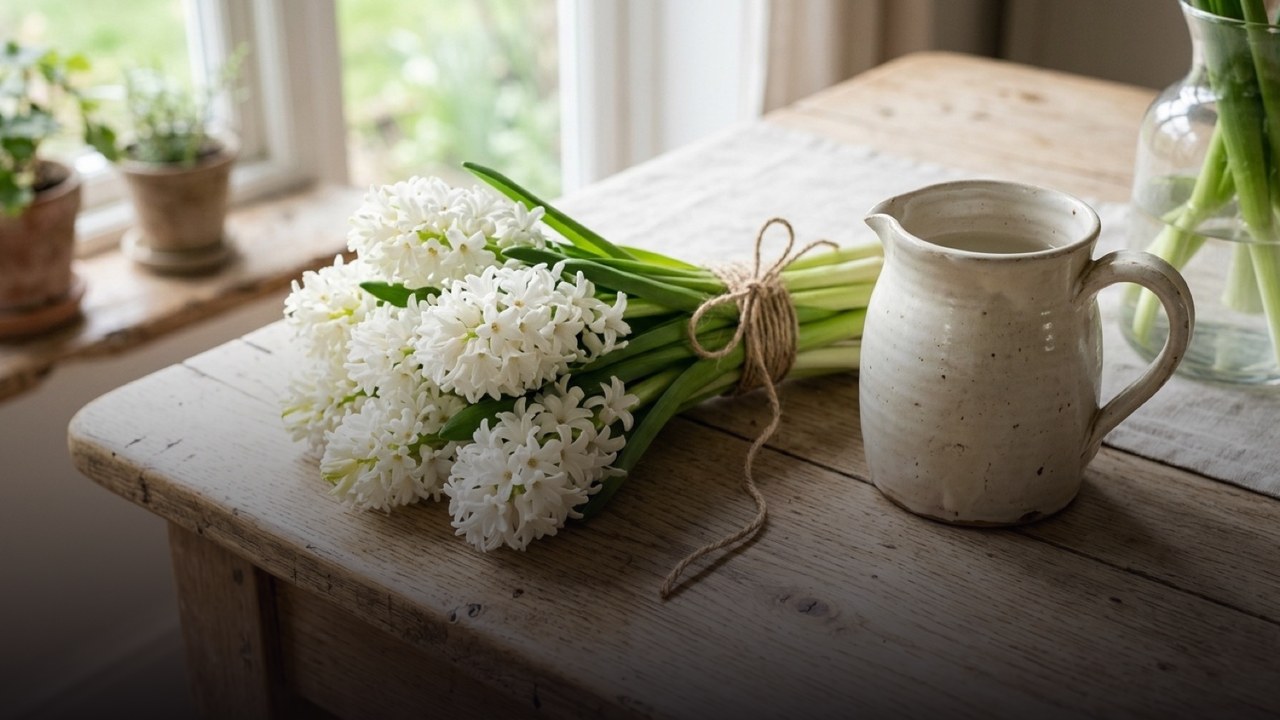
To transport cut flowers, start with hydrated stems, protect the flower heads with a loose paper sleeve, and secure the bouquet so it cannot slide or tip. Keep it out of direct sun and hot, enclosed spaces, shorten the time without water, and put the stems into a clean vase promptly when you arrive.
The best arrangement depends on your journey: a brief walk needs different preparation from a car trip with several stops. Think about three things before leaving: how the stems will get water, what will support the bouquet, and where the flowers will sit. If the recipient is in Russia and you are abroad, arranging delivery can also remove the need to carry a bouquet yourself.
1. Hydrate and inspect the flowers before you pack
Give the flowers time in clean water before departure. Use a clean container, remove leaves that would sit below the waterline, and trim the stem ends with a clean, sharp tool before placing them in water. If you have flower food, follow its packet directions rather than guessing the dose. Packing cannot compensate for stems that are already dry.
Check the bouquet for broken stems, trapped leaves and petals caught against the wrapping. A creased stem may struggle to support its flower head, while damp foliage pressed together can deteriorate during travel. Handle each stem gently and avoid pulling tightly bound flowers apart just to inspect them; support the bouquet from beneath its binding point.
Prepare the destination as well as the journey. Have a clean vase ready if you are bringing flowers home, or let your host know that the bouquet will need water on arrival. When choosing flowers for a visit, consider whether the recipient will be able to arrange them immediately. A gift that arrives during a busy event may otherwise stay wrapped longer than intended.
2. Choose a water arrangement that suits the journey
For a brief journey, a damp absorbent wrap around the cut ends can help limit drying. Enclose only that damp area in a leak-resistant covering and fasten it without squeezing the stems. Keep moisture away from the petals and decorative paper. This is a temporary measure: a wet tissue does not provide the same continuing water supply as stems standing in a container.
For a longer journey, use a stable container with enough clean water to keep the cut ends submerged without creating unnecessary spill risk. The stems should reach the water without being forced against the bottom. Avoid filling a narrow vase to the brim, and check that the container stays upright when you gently move the box or crate supporting it.
There is no reliable number of water-free hours that suits every bouquet. Flower type, starting condition, heat, airflow and journey length all affect the result. If your plan includes a long wait or several errands, change the schedule or provide a secure water supply. Do not assume that adding a wetter wrap will make an all-day trip suitable.
Bouquets we can deliver




3. Wrap the bouquet without compressing the blooms
Use a paper sleeve wide enough to surround the flower heads without pressing them together. Its purpose is to reduce rubbing and accidental knocks, so leave room around projecting petals and delicate stems. Support the bouquet at the stems when lifting it; carrying it by the upper edge of its wrapping can let the flowers slip down or catch against the paper.
Place an upright bouquet and its water container inside a sturdy box or crate. Fill gaps around the container with folded paper or towels so the base cannot shift, keeping the packing material below the blooms. Test the arrangement while stationary: if the container rocks or slides with a gentle nudge, improve its support before setting off.
Keep bags, coats and other luggage away from the flower heads. A light object can still flatten petals if it rests on them throughout the trip. For a bouquet without a water container that must travel horizontally, support the stems along their length and leave space around the blooms. Never lay a filled vase sideways or use the flowers themselves as cushioning.
4. Make the car journey cool, stable and direct
If the car has been standing in the sun, let the cabin become comfortable before loading the flowers. Choose a shaded, stable position where the bouquet will remain clear of pedals, controls and the driver's view. A footwell can suit a properly supported container, provided it fits securely and the blooms do not touch surrounding surfaces.
Keep flowers away from direct heater output and strong air-conditioning jets, which can dry exposed petals and foliage. Do not leave them in a parked car while you shop or attend an appointment. An enclosed boot can be difficult to monitor for heat and movement; choose a position that lets a passenger check the bouquet safely during stops.
Collect the flowers near the end of your errands and travel directly to the destination where possible. Brake and corner smoothly, and check the container after any sudden movement once you are safely parked. For more placement advice, see our guide to transporting flowers by car without crushing the bouquet.
If you are walking or using public transport, keep the bouquet upright and hold it where you can protect the blooms from doors, bags and other passengers. Use a loose outer cover against wind or rain without sealing wet material against the flowers. In cold weather, minimise time outdoors and keep petals from touching cold glass; different flowers tolerate exposure differently.
5. Unpack promptly and check for travel damage
At the destination, set the bouquet on a clear surface before removing its transport support. Lift away the sleeve gently so it does not drag across the petals, then remove any temporary stem wrap. If the flowers were supplied in an arrangement with a water reservoir or floral foam, preserve that structure and follow any care instructions supplied with it.
For loose stems or a hand-tied bouquet going into a vase, use a clean vase and fresh water. Trim the ends if they have dried during the journey, remove any foliage that would be submerged, and arrange the stems without crowding them. Position the vase away from direct sunlight, heaters and ripening fruit, and check the water level regularly.
If a flower droops, first check that its stem reaches the water and is not bent or trapped against the vase. A freshly trimmed stem and clean water may help a dehydrated flower, but crushed tissue or bruised petals will not become undamaged through soaking. Our guide to keeping cut flowers fresh explains the care to continue after arrival.
6. Arrange delivery in Russia when you cannot carry the bouquet
If you are sending a gift to family or friends in Russia from abroad, you can choose a bouquet from our bouquets catalogue and arrange delivery with Turboflora. We deliver flowers across Russia. City delivery costs 500 RUB; for remote districts and suburbs, the operator confirms the delivery price when confirming the order.
In large cities, express delivery is available in 1–2 hours after order confirmation. You can also arrange an exact time with a tolerance of plus or minus 30 minutes, choose a 09–12, 12–15, 15–18 or 18–21 window, or pre-order 1–30 days ahead. Allow for the recipient's availability when selecting the timing, especially if they will be at work or travelling.
Contact a manager on WhatsApp for help choosing a bouquet and agreeing the time, address and card text, or for a photo of the bouquet before delivery. A card with your text is free. Delivery is anonymous by default because the courier does not name the sender, so sign the card if you want the recipient to know who sent it.
The courier calls the recipient about 15 minutes before arrival. If they are absent, we agree a second delivery that day or a handover to a neighbour or concierge with the sender's consent. Online checkout uses CloudPayments; check the payment options displayed there, since acceptance of every foreign card cannot be guaranteed. We deliver bouquets across Russia in 1–2 hours.
Frequently asked questions
Can I transport cut flowers without water?
For a brief journey, hydrated flowers can travel with a damp wrap around the cut stem ends, protected against leaks. Their tolerance varies with the flowers and conditions, so minimise time without water and use a secure water container for longer travel.
Where should I put a bouquet in the car?
Use a stable, shaded position with the container supported inside a box or crate. Keep the flowers clear of pedals, the driver's view, direct sun and strong heating or cooling vents.
Should I spray the petals before travelling?
Prioritise water at the stem ends rather than wetting the flower heads. Moisture trapped between petals and wrapping can encourage deterioration, so keep the blooms dry when packing.
Can I take cut flowers on an international flight?
Check the airline's carriage rules and the destination's plant import requirements before packing flowers. Permission to carry them in the cabin does not establish permission to bring them through the destination's border.
How can I order flowers to Russia from abroad?
Choose a bouquet and contact our manager to agree the delivery details and card text. Payment at online checkout uses CloudPayments; check the displayed options for your card rather than assuming every foreign card will be accepted.
Ready to send flowers?
Pick the city, choose the bouquet, and a local florist takes it from there.
Choose a city →