Hydrangeas in Russia: Season, Shades, and How Long They Last
Few flowers fill a room the way a hydrangea does. One stem becomes a bouquet on its own, and three stems together look like something a professional spent an hour arranging. If you are sending flowers to someone in Saint Petersburg or anywhere else across Russia, or simply want to understand what you are buying, hydrangeas reward a little knowledge. The season matters, the colour you choose carries meaning, and a few simple habits at home can double how long they stay beautiful.
When Hydrangeas Are Actually Available in Russia
Russia imports the majority of its cut hydrangeas from the Netherlands, Colombia, and occasionally Kenya, which means the flower is available year-round in large cities like Saint Petersburg and Moscow. However, availability is not equal across all twelve months, and the quality shifts noticeably depending on the season. From May through September, supply is at its strongest. Dutch growers are producing at full volume, Colombian farms are shipping heavily, and florists receive fresh stock several times a week. Stems are fuller, the mophead clusters are tighter, and prices tend to be more reasonable because competition between suppliers is high. October through December is a transitional period. Supply remains steady but shipment schedules can be disrupted by early frost affecting road logistics in Russian regions outside the two capitals. Florists working with reliable cold-chain delivery, as Turboflora does, can still source excellent stems, but it is worth ordering a day in advance rather than on the same morning if you want a specific colour. January through March is the most unpredictable window. Demand spikes sharply around the 14th of February and the 8th of March, which is International Women's Day and one of the most flower-heavy holidays in the Russian calendar. Hydrangeas sell out quickly in those weeks. If you are planning a delivery around either date, choosing your bouquet two or three days early gives you a far better selection. The flower itself handles cold transport well as long as stems are kept above two degrees Celsius, which is the standard for professional refrigerated delivery.
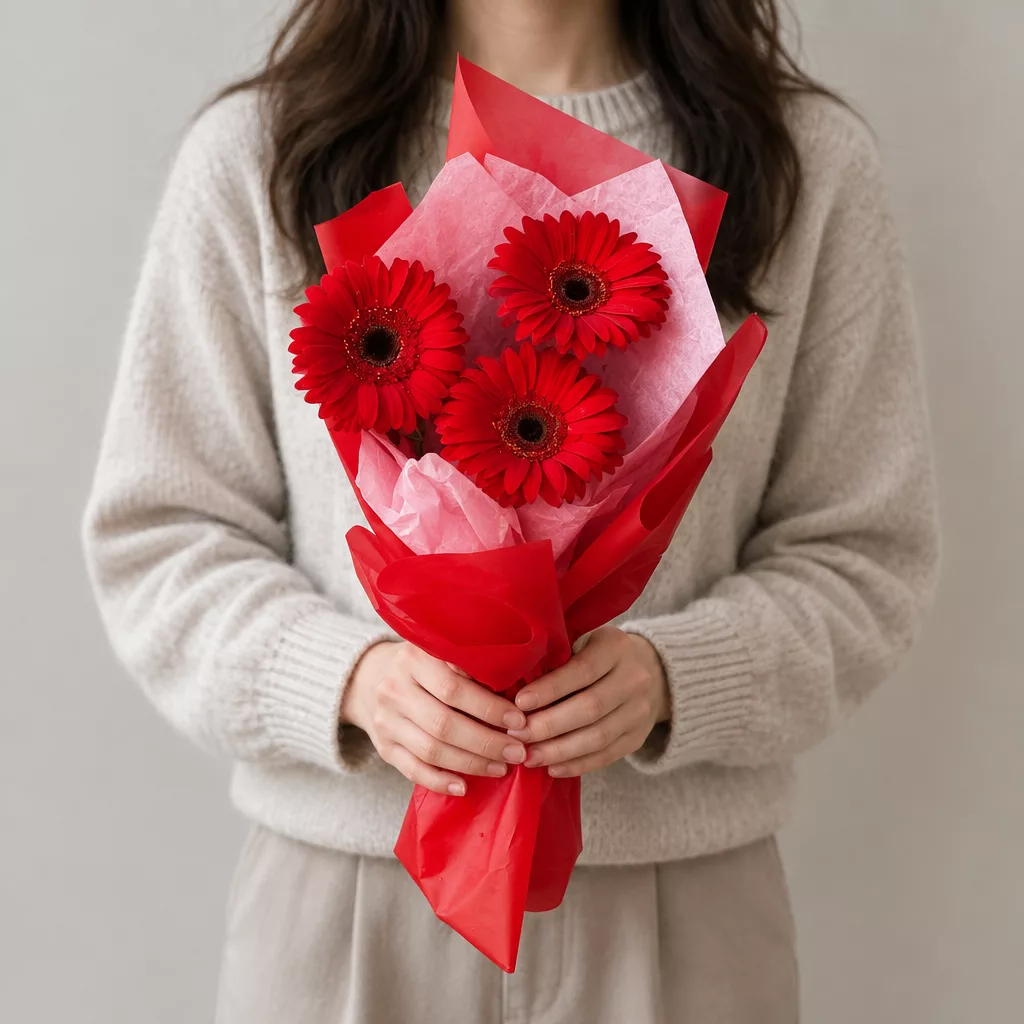
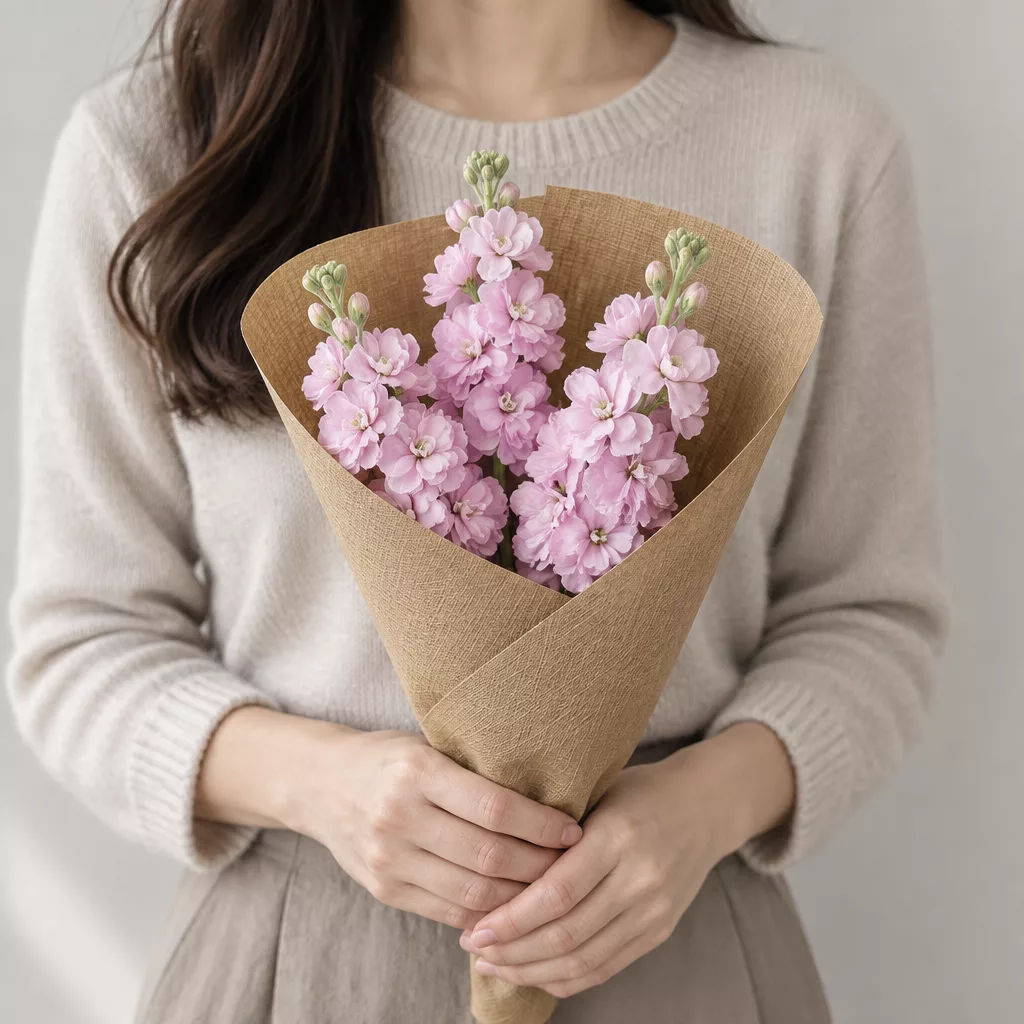
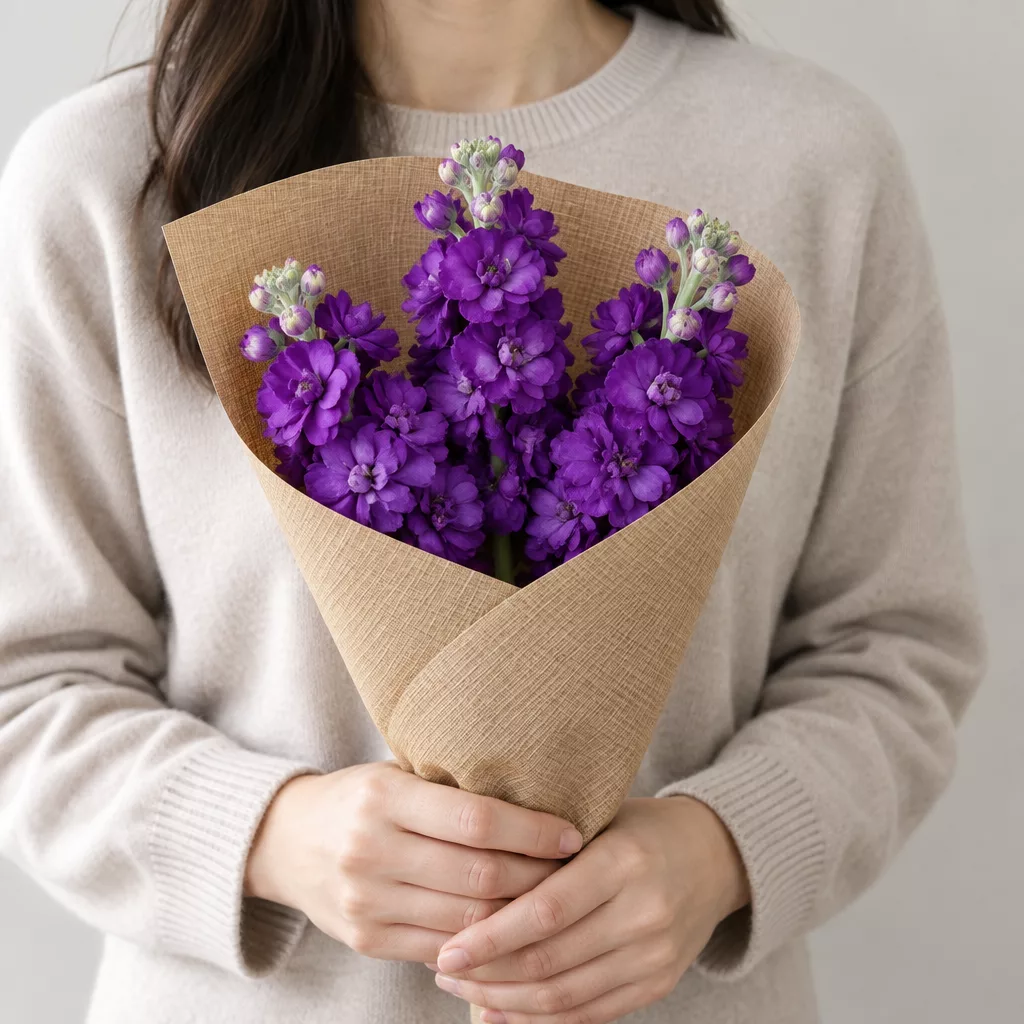
Bouquets we can deliver

The Colour Palette Russian Florists Typically Carry
Hydrangeas are one of the most colour-varied flowers in a florist's inventory, and what you find in Saint Petersburg reflects both what growers produce and what Russian buyers actually request. White is the most consistently stocked shade year-round. It works with almost every other flower, it suits formal and informal occasions equally, and it photographs beautifully, which matters to a generation that documents every bouquet. White Annabelle-type hydrangeas with their round, densely packed heads are a florist staple. Pink shades come in a wide range, from the palest blush to a deep rose that is almost magenta. These are the most popular choice for birthdays and romantic gestures in Russia, and stock tends to move quickly. If you want a specific tone within the pink family, describing it as warm or cool helps a florist choose accurately. Blue and purple hydrangeas are grown by adjusting soil acidity, and the cut versions available in Russia are mostly Dutch-grown varieties with reliable, consistent colour. Pale lavender, violet, and a true cornflower blue are all achievable. Blue hydrangeas have become increasingly fashionable for gender-neutral gifts and for pairing with eucalyptus in modern arrangements. Green hydrangeas, particularly the variety known as Limelight with its distinctive lime-to-cream gradient, have grown popular among buyers who want something less expected. They work exceptionally well in mixed bouquets alongside white roses or ivory ranunculus. Red and burgundy hydrangeas exist but are less commonly stocked outside of autumn, when the season naturally produces deeper tones and demand from event florists rises.
Choosing Hydrangeas for the Person and the Moment
A hydrangea is a generous flower. Its volume communicates abundance, care, and a certain unhurried confidence, as if the sender did not rush past the shop but actually thought about what they were giving. That quality makes it well suited to celebrations that deserve more than a quick gesture. For a new home, a cluster of white or green hydrangeas in a wide-mouthed vase is one of the most welcoming things you can send. The flower does not demand attention the way red roses do, but it fills space beautifully and lasts long enough for the recipient to enjoy it through the first busy week of moving. For a birthday, the choice of colour does the emotional work. Pink says warmth and affection without the romantic weight of roses. Blue or purple says something a little more individual, a good choice if the person receiving the flowers has their own distinct aesthetic. For a colleague or a teacher, which are common gift occasions in Russia particularly around professional holidays, white or green hydrangeas read as elegant and considered without being overly personal. Hydrangeas also combine well, and this is where they become genuinely versatile. Pair them with garden roses for a lush, romantic feel. Add peonies in season for maximum softness. Mix with lisianthus for a more structured, contemporary look. A single variety of hydrangea with a contrasting texture, such as dusty miller foliage or dried cotton stems, can look more intentional and modern than an elaborate mixed bouquet. The key is letting the hydrangea be the focal point rather than one element among many competing shapes.
What Affects the Price and What You Are Actually Paying For
Hydrangea pricing in Russia is driven by a handful of concrete factors, and understanding them helps you recognise value rather than just cost. The first is stem size. A full mophead hydrangea with a head diameter of fifteen centimetres or more costs significantly more than a smaller stem, not because of branding but because it took longer to grow and represents more material. When a florist offers you a bouquet of three large hydrangeas, you are often getting the visual equivalent of a dozen medium-sized roses. The second factor is origin and freshness at point of delivery. Stems flown in from Colombia or the Netherlands and kept in proper refrigeration throughout the supply chain arrive with a longer remaining vase life. This is not visible at the moment of purchase, but you will notice it on day five when one bouquet is still full and another has already begun to wilt. The third factor is seasonal demand. Around the 8th of March and the 14th of February, prices across all cut flowers in Russia rise substantially. This is simply supply and demand, and it applies to hydrangeas as much as to tulips and roses. Ordering a few days before the peak date is the most practical way to manage this. Finally, the presentation itself carries cost. A hydrangea wrapped in kraft paper with a ribbon and a handwritten card is a different experience from the same stem handed over in a plastic sleeve. When you are sending flowers as a gift rather than buying for yourself, the packaging and the delivery experience are part of what the recipient receives, and they notice.
The First Hour After Delivery Makes the Biggest Difference
Hydrangeas are dramatic communicators. They wilt visibly when stressed and recover visibly when cared for, which makes the first hour after a delivery the most important window for vase life. The moment the flowers arrive, the stems should go into water. This sounds obvious, but many people leave a bouquet on the table while they photograph it, find a vase, and make tea. Every minute out of water matters more with hydrangeas than with most other flowers. Cut the stems at a forty-five degree angle before placing them in the vase. The diagonal cut increases the surface area that can draw water. Use a sharp knife rather than scissors, which can crush the stem tissue and reduce uptake. The stem of a hydrangea is woody at the base, and some florists recommend scoring the bottom two centimetres with a knife or gently crushing the very end with a mallet. Both techniques help water move upward more efficiently. Water temperature matters. Lukewarm water, around room temperature, is absorbed faster than cold water straight from the tap. Fill the vase generously, because hydrangeas drink a great deal. Change the water every two days and re-cut the stems each time. Remove any leaves that sit below the waterline immediately, as they decompose quickly and cloud the water, which introduces bacteria that shorten the life of the whole bouquet. Keep the arrangement away from direct sunlight, heating radiators, and fruit bowls. Ethylene gas from ripening fruit accelerates petal drop in many flowers, and hydrangeas are sensitive to it.
How to Revive a Wilting Hydrangea
If you come home to find your hydrangeas drooping, do not assume they are finished. Hydrangeas are one of the few cut flowers that respond dramatically to rehydration, and the revival method is simple enough to do in ten minutes. Remove the stems from the vase and cut one to two centimetres from the bottom at a diagonal. Then submerge the entire flower head, not just the stem, in a basin or bathtub of cool water. Leave it for thirty minutes to an hour. The petals and the mophead structure absorb water directly through the surface, which bypasses any blockage in the stem. When you take the hydrangea out of the water, you should see the head begin to lift and firm up almost immediately. Shake off excess water gently and return the stem to a clean vase with fresh water. This technique works particularly well when the wilt is caused by heat or by a long period out of water, such as during transit or if someone left the bouquet on a sunny windowsill. It is less effective when the wilt is caused by bacterial build-up from unchanged water over several days, which is why regular water changes matter so much from the start. Misting the flower heads lightly with a spray bottle each morning also helps maintain freshness in centrally heated Russian apartments, where indoor air in winter can become very dry. A small amount of flower food dissolved in the vase water, if it was included with the delivery, slows bacterial growth and provides a mild nutrient boost that extends the overall vase life by two to three days.
Realistic Vase Life and When to Expect It
A hydrangea purchased from a florist who has maintained proper cold storage can last between seven and twelve days in a vase at home, provided it receives consistent care. This is a genuine range, not a marketing promise, and where your specific stems fall within it depends on a combination of factors: how fresh they were at the time of delivery, the conditions in your home, and how diligently you change the water and re-cut the stems. In a Saint Petersburg apartment during winter, central heating is the main enemy. Russian buildings are typically heated to between twenty-two and twenty-five degrees Celsius from October through April, which is warm enough to accelerate wilting in any cut flower. Placing the vase in the coolest corner of the room, away from radiators, can add two or three days to the life of the arrangement. During summer, direct sunlight through windows is the equivalent threat. A north-facing room or a spot set back from the window is ideal. If you want to extend the display even further, placing the vase in a cool room overnight, or even in a refrigerator if space allows, slows the metabolic process in the petals and adds noticeable freshness to the following day. Hydrangeas also dry well, which is worth knowing if you receive a large arrangement and want to preserve it. As the petals begin to feel papery rather than soft, remove the stems from water and hang them upside down in a dry, dark space for two weeks. The colour fades to a muted, antique version of the original, and the dried head holds its shape for months. It is a genuinely beautiful second life for a flower that has already given you a full week of colour.
Hydrangeas are one of the most honest flowers in a florist's inventory. They look generous because they are generous, they last because they are robust, and they suit almost any occasion when you choose the right colour and give them a little attention on arrival. Whether you are sending a birthday bouquet to someone in another city or choosing something for your own home, understanding the season, the palette, and the simple care steps makes the difference between a flower that impresses for a day and one that stays beautiful for nearly two weeks. Turboflora delivers fresh hydrangeas across Russia within one to two hours, so the stems arrive as close to the moment of cutting as city logistics allow. We deliver bouquets across Russia in 1–2 hours.
Frequently asked questions
Are hydrangeas available for delivery in Russia all year round?
Yes, hydrangeas are available year-round in major Russian cities because they are imported from the Netherlands and Colombia. Supply is strongest from May through September. Around peak holidays like the 8th of March and Valentine's Day, stock moves quickly, so ordering one to two days early gives you a better choice of colours and stem sizes.
Which hydrangea colour is most popular as a gift in Russia?
Pink hydrangeas are the most frequently requested for birthdays and personal celebrations. White is the most versatile and the most consistently stocked. Blue and purple have grown in popularity for contemporary, gender-neutral arrangements. Green varieties like Limelight are increasingly chosen by buyers who want something less expected and more modern.
How long will a hydrangea bouquet last after delivery?
With proper care, a fresh hydrangea bouquet lasts between seven and twelve days. The key steps are cutting the stems diagonally before placing them in water, changing the water every two days, and keeping the vase away from direct sunlight and heating radiators. Russian apartments tend to be warm in winter, so a cool placement makes a noticeable difference.
My hydrangeas wilted quickly after delivery. Can I revive them?
Yes. Cut one to two centimetres from the base of each stem and submerge the entire flower head in a basin of cool water for thirty to sixty minutes. The petals absorb water directly and the head should firm up visibly. Return the stems to a clean vase with fresh water. This works best when wilting is caused by heat or time out of water rather than old, bacteria-heavy vase water.
Can I dry hydrangeas to preserve them after the petals start to age?
Yes, hydrangeas dry exceptionally well. When the petals begin to feel papery, remove the stems from water and hang them upside down in a dry, dark space for about two weeks. The colour fades to a soft, antique tone and the mophead holds its shape for several months. It is a practical and decorative way to extend the life of a bouquet you want to keep.
Ready to send flowers?
Pick the city, choose the bouquet, and a local florist takes it from there.
Choose a city →