Is Statice Hardy? What Gardeners and Bouquet Buyers Should Know
Statice can be hardy, but the answer depends on the species: common florist’s statice, Limonium sinuatum, is frost-tender and usually grown as an annual where winters are cold. Some perennial sea lavenders, including Limonium platyphyllum, also sold as Limonium latifolium, are hardier garden plants. In a bouquet, statice is durable, but that does not mean it tolerates freezing.
The name therefore needs a little unpacking before you decide whether to leave a plant outdoors or how to look after a bunch. Garden hardiness means surviving the conditions outside, especially winter; vase durability means keeping a useful appearance after cutting. Statice’s papery flower structures help with the second, but they cannot tell you the first.
Which statice do you have?
Start with the botanical name on the seed packet, pot label or plant listing. Limonium sinuatum is the familiar cutting flower with upright, branched stems and clusters of purple, pink, yellow or white papery cups. Although it is a perennial in suitable mild conditions, gardeners commonly raise it as an annual because it is not a reliable outdoor winter survivor in cold climates.
Perennial sea lavenders can have a different habit, with a basal clump of leaves and airy sprays of small flowers. Limonium platyphyllum is one example grown as a hardy border perennial. However, neither the word “perennial” nor “sea lavender” establishes suitability for your garden: the exact species, growing conditions and local winter all matter.
If your label says only “statice”, ask for the species before planning permanent planting. A photograph can help narrow the possibilities, but flower colour alone is insufficient because different species and cultivars overlap in shade. For a broader introduction to the cut flower, see our guide to statice flowers, care and bouquet ideas.
Frost, drainage and exposure determine garden survival
For frost-tender annual statice, plant outdoors once the risk of frost has passed in your area and gradually accustom indoor-raised plants to outdoor conditions. Use your local forecast and growing guidance rather than a fixed calendar date copied from another region. A sunny position suits this cutting flower, while deep shade tends to produce weaker growth and less satisfactory flowering.
Drainage deserves as much attention as cold. Waterlogged soil leaves roots short of air and can cause decline even when a plant could otherwise cope with the weather. After rain, check whether water drains away or sits around the crown. Where soil stays wet, choose a better-drained position or a raised planting area rather than assuming winter covering will solve the problem.
Containers need separate consideration: their roots are more exposed to temperature changes, and drainage holes can become blocked or stand in collected water. Move a frost-tender potted plant under suitable frost-free cover before cold weather arrives if you want to try keeping it. For a hardy perennial, follow guidance for that species and remember that a wet, exposed pot is different from a well-drained border.
Bouquets we can deliver




What to do with statice at the end of the season
If you grow Limonium sinuatum for cutting in a cold-winter region, treating it as an annual is often the most practical approach. Harvest useful stems before frost damages them and plan to raise or buy new plants for the next growing season. You do not need to keep a struggling plant alive through winter to enjoy statice again the following year.
For a confirmed hardy perennial, keep track of the planting position and assess the crown rather than judging only the old flower stems. Dormant top growth can look lifeless while the plant below remains viable. Follow species-specific advice on cutting back, and avoid piling wet material against the crown in an attempt to protect it; trapped moisture can create another problem.
Brown or collapsed growth after a frost does not justify an immediate conclusion about every part of the plant. Check for firm, healthy tissue and look for new growth when conditions become suitable. Conversely, do not keep watering a soft, decaying crown in the hope of reviving it. If identification remains uncertain, establish the species before choosing an overwintering method.
Is cut statice hardy enough for a bouquet?
In everyday flower language, people sometimes call statice “hardy” because it keeps its shape well. Its lasting colour comes largely from the papery calyces surrounding the small true flowers. Those structures can remain attractive as they dry, which explains why a fresh stem may already look like a dried flower. This appearance is natural; it does not mean fresh statice should be denied water.
For a fresh bouquet, use a clean vase, remove foliage that would sit below the waterline and recut the stem ends with clean tools. Add flower food according to its instructions if supplied. Check the water regularly and refresh it when cloudy, cleaning the vase and trimming the stems again as needed. Follow the needs of the other flowers too: a mixed bouquet may contain more delicate stems.
Keep the arrangement away from radiators, strong direct sun and freezing conditions. Statice’s papery texture is no protection against frost damage during a journey or while standing outside. Judge condition by several signs together: sound stems, clean water, absence of mould and an acceptable overall appearance. There is no single vase-life promise that fits every stem, room or mixed arrangement.
Drying statice and choosing it as a gift
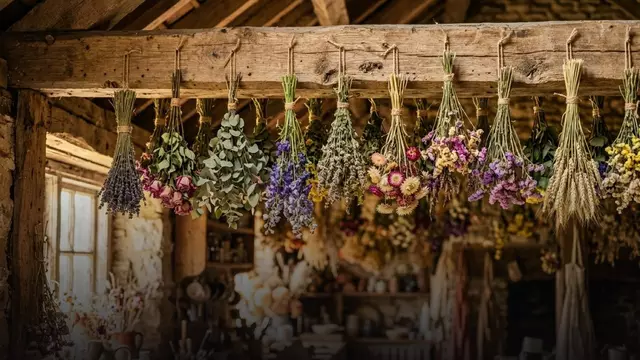
To dry statice, select healthy stems before they begin deteriorating in the vase. Remove unnecessary foliage, gather small loose bunches and hang them upside down in a dry, ventilated place away from direct sunlight. Avoid tightly packed bundles, which hold moisture between stems. Leave them until the stems and flower clusters feel dry before arranging or storing them.
Once dried, keep statice out of water and handle the flower heads gently because they can become brittle. A humid bathroom or a spot prone to condensation is a poor choice for display. Colour can change or fade over time, especially in strong light, so choose a sheltered indoor position. Drying preserves a decorative form; it does not preserve the fresh flower unchanged.
Statice is often associated with remembrance and lasting affection, although flower meanings vary between people and traditions. For a birthday, thank-you or long-distance gift, a personal message makes your intention clearer than symbolism alone. If the recipient prefers soft, simple flowers, use statice as an accent; if they enjoy texture, its branching clusters can be a more visible part of the arrangement.
Sending flowers to Russia: agree the bouquet and timing
If you want to send a bouquet featuring statice, browse our bouquets catalogue and ask a manager to confirm the composition before ordering. We deliver flowers across Russia. City delivery costs 500 RUB; for remote districts and suburbs, the operator confirms the delivery price when confirming the order. Use WhatsApp for help choosing flowers and agreeing the address, time, card text and a photo of the bouquet before delivery.
In large cities, express delivery is available in 1–2 hours after the order is confirmed. You can also arrange an exact time within a tolerance of 30 minutes, choose a 09–12, 12–15, 15–18 or 18–21 window, or pre-order 1–30 days ahead. When ordering from abroad, state the intended date and time in the recipient’s city clearly. Check the agreed details before completing checkout, which uses CloudPayments; check the payment options displayed there for your card.
Delivery is anonymous by default: the courier does not name the sender, and a card with your text is free. Sign the card if you want the recipient to know who sent it. The courier calls about 15 minutes before arrival. If the recipient is absent, we agree a second delivery that day or, with the sender’s consent, hand the flowers to a neighbour or concierge. See delivery and payment details when planning the gift.
Frequently asked questions
Is statice hardy enough to survive winter outdoors?
Common florist’s statice, Limonium sinuatum, is frost-tender and is usually grown as an annual in cold-winter regions. Some perennial Limonium species are hardier, so check the botanical name and local growing guidance before leaving a plant outdoors.
Does statice come back every year?
That depends on the species and growing conditions. A suitable hardy perennial can return from its established crown, while frost-tender statice may need replacing each season where winters are cold.
Does fresh statice need water if it already looks dried?
Yes, keep freshly cut statice in clean vase water. Its papery calyces naturally look dry; only stems deliberately dried for display should be kept without water.
Can I leave a statice bouquet outside in freezing weather?
Avoid leaving a fresh statice bouquet in freezing conditions. Its durable appearance does not establish frost resistance, and the other flowers in a mixed bouquet may also be damaged.
Can I order flowers to Russia while I am abroad?
Yes, we deliver flowers across Russia, and you can agree bouquet and delivery details with a manager on WhatsApp. Checkout uses CloudPayments; check the displayed payment options because acceptance of every foreign card is not guaranteed.
Ready to send flowers?
Pick the city, choose the bouquet, and a local florist takes it from there.
Choose a city →