The Lifespan of Roses in a Vase: What You Can Expect
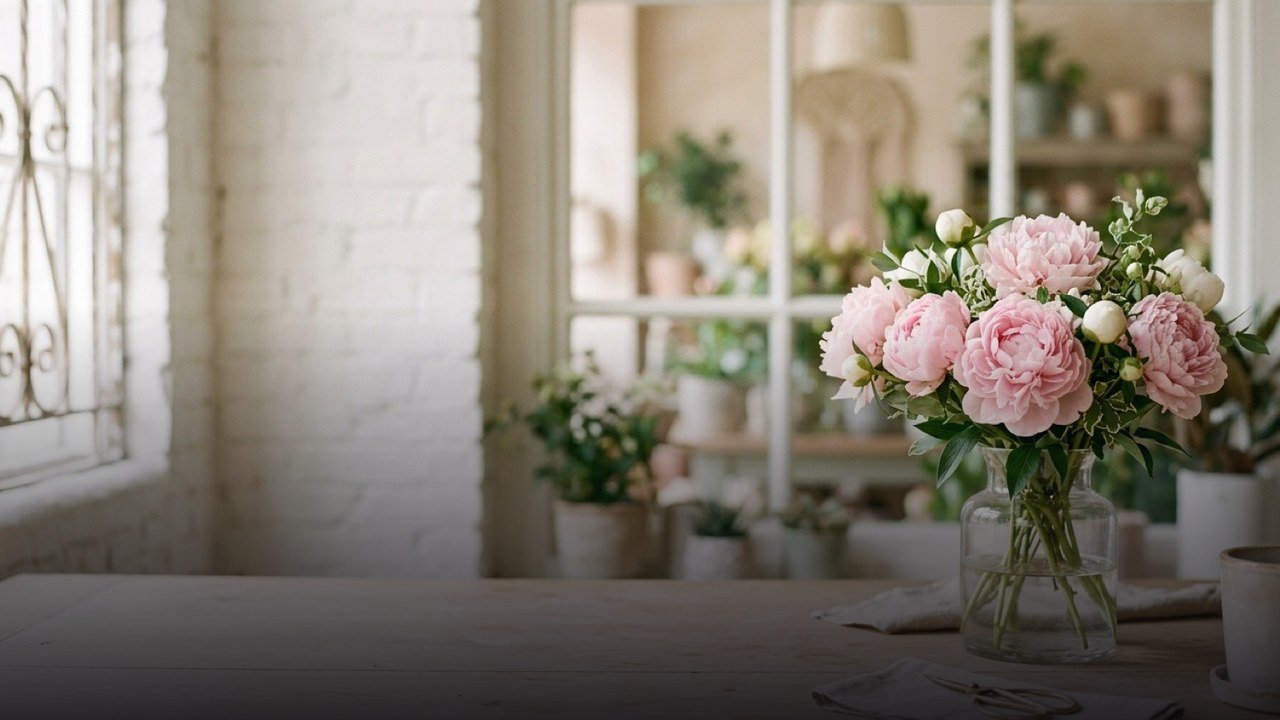
The typical lifespan of roses in a vase is about five to seven days, although some fresh stems can last ten days or longer with good care. Variety, condition on arrival, clean water and the room where you display them all affect the result, so treat this as a useful expectation rather than a guarantee.
Your most useful job is to help the stems take up water while keeping the vase clean. If you are sending roses to someone in Russia, delivery timing also matters: choose a day when the recipient can put them in water promptly. Here is how to judge the flowers you have, prepare them properly and recognise when a small adjustment may help.
Why one bunch of roses lasts longer than another
Roses do not all age at the same speed. Different varieties have different opening habits, and a tightly shaped bloom may look unchanged while a softer, fuller flower opens noticeably each day. Compare the firmness of the stems and the condition of the petals as well as the size of the flower head. A large bloom is not automatically a longer-lasting one.
The stage of opening matters too. A rose that arrives almost fully open has less of its display life ahead of it than a healthy flower that is just beginning to unfold. However, a very tight bud is not a promise of extra days: some cut too early may never open well. Look for petals that are starting to loosen, with no widespread browning, sliminess or collapsing tissue.
A few marked outer petals do not necessarily mean the whole rose is failing. The outermost petals, often called guard petals, can be firmer or less tidy than those beneath them. Remove an obviously damaged one gently if needed, but avoid stripping away successive layers to make the flower look perfect. You can damage healthy tissue and change the shape of the bloom.
Prepare the vase before you unwrap the roses
Start with a vase washed thoroughly with washing-up liquid, then rinse it well. Old water residue and plant debris give bacteria somewhere to build up, which can interfere with water uptake. Choose a vessel that supports the stems without cramming them together; if the bunch is tightly packed at the neck, dividing it between two clean vases makes care easier.
Remove the packaging needed for transport and check whether anything around the stem ends needs taking off before arranging. With a clean, sharp tool, trim roughly one to two centimetres from each stem at a slant, then place it promptly in fresh water. A clean cut is more useful than an elaborate angle; avoid crushing the stem with blunt scissors or hammering the end.
Take off every leaf that would sit below the waterline, while leaving healthy foliage above it. Submerged leaves decay and make the water dirty faster. You do not need to strip each stem bare or scrape away every thorn, which can wound the stem. Our guide to which rose leaves to remove explains how to keep the useful foliage.
Bouquets we can deliver



Use clean water and a simple daily care routine
Fill the vase with fresh water and use commercial cut-flower food if you have it, following the packet's dilution instructions. A packet intended for a larger volume should not be concentrated into a small vase. Proper flower food supports hydration and helps control microbial growth; plain sugar, by itself, does not do the same job and can encourage bacteria.
Check the water level every day, especially during the first day after arranging. Keep all cut ends submerged, including shorter stems that may sit higher in the vase. Replace the water every one to two days, or sooner if it becomes cloudy or smells unpleasant. At each change, wash the vase and rinse the stem ends gently to remove loose debris.
If the ends feel slimy or water uptake seems poor, make another small, clean cut before returning the roses to fresh water. Remove fallen petals and deteriorating foliage rather than leaving them in the arrangement. A consistent routine is more useful than repeatedly adding household remedies; see our guide to extending rose life in the vase for more care advice.
Choose a display spot that slows deterioration
Place your vase in a cool part of the room, away from direct sun, radiators and other sources of heat. A sunny windowsill can warm both the flowers and their water even when the rest of the room feels comfortable. Avoid strong draughts or a direct stream of air from a heater or air conditioner, which can dry the petals and foliage.
Keep roses away from a bowl of ripening fruit. Fruit releases ethylene as it ripens, and this gas can accelerate ageing in sensitive cut flowers. You do not need a special display room: a table away from the fruit bowl and heating is a sensible choice. Leave enough space to reach the vase easily, so checking and changing the water remains a quick daily task.
If you move the arrangement overnight, choose a cooler indoor spot where it will remain upright and undisturbed. An unheated balcony or outside doorstep is a poor substitute because conditions can change sharply. A domestic fridge is also an awkward solution when it contains fruit or has little space; careful placement in the home is usually the more practical routine.
Read the signs: opening, drooping and the end of vase life
A rose becoming wider and softer is not necessarily wilting. Healthy opening usually means the petals unfold while retaining their shape and the flower head stays supported. Ageing is clearer when petals become papery, brown at the edges or fall readily. Individual stems may reach that point on different days, so judge each rose rather than discarding the entire bunch together.
A drooping flower head, particularly when the stem bends just beneath it, can indicate trouble taking up water. Check the water level first, then clean the vase, refresh the water and recut the stem with a sharp tool. Put it back promptly and give it time to respond. This can help a dehydrated stem, but it cannot reverse every cause of collapse or advanced deterioration.
Avoid boiling water, scorching stem ends or forcing the flower head open with your fingers. These methods can damage tissue and are unnecessary for ordinary home care. Remove a stem if it becomes mushy, develops visible mould or smells unpleasant. If the remaining roses are sound, rearrange them in a smaller clean vase so you can continue enjoying them with proper support.
Time a rose delivery to Russia around the recipient's day
When choosing a gift, think about where the flowers will go after delivery. Someone receiving roses at work may need to carry them home, while a person leaving for a trip may have little time to enjoy them. Browse the bouquets catalogue with the occasion and the recipient's preferences in mind. Their favourite colour is often a more personal guide than a rigid rule about rose symbolism.
We deliver flowers across Russia. City delivery costs 500 RUB; for remote districts and suburbs, the operator confirms the price when confirming your order. In large cities, express delivery is available one to two hours after order confirmation. You can also arrange an exact time with a tolerance of 30 minutes, choose a 09–12, 12–15, 15–18 or 18–21 window, or pre-order one to 30 days ahead.
Contact a manager on WhatsApp for help choosing a bouquet, agreeing the time, address and free card text, or arranging a photo before delivery. Delivery is anonymous by default: the courier does not name the sender. If you want the recipient to know who sent the roses, include your name in the card message; a short personal note makes the intention clear.
The courier calls the recipient about 15 minutes before arrival. If they are absent, we agree a second delivery that day or a handover to a neighbour or concierge with your consent. Give an address where the recipient is likely to be available and select a suitable time. Online checkout uses CloudPayments; check the payment options displayed there, as acceptance of every foreign card is not guaranteed. We deliver bouquets across Russia in 1–2 hours.
Frequently asked questions
Can roses really last two weeks in a vase?
Some roses can last around two weeks under favourable conditions, but that is not a reliable expectation for every bunch. Plan on roughly five to seven days, with variety, freshness and home care affecting the result.
Should I change rose water daily or just top it up?
Check the level daily and top it up whenever the cut ends need more water. Replace the water and clean the vase every one to two days, or sooner if the water becomes cloudy or develops an odour.
Will a tightly closed rose last longer?
Not necessarily: a very tight rose may have been cut before it could open successfully. A firm stem and healthy petals beginning to unfold are more useful signs than a closed bud alone.
Can I revive roses that have started drooping?
If dehydration is the cause, cleaning the vase, replacing the water and recutting the stems may help. Roses with advanced decay or damaged tissue may not recover, so remove failing stems and care for the healthy ones separately.
How do I help roses last when sending them as a gift?
Arrange delivery for a time when the recipient can receive the bouquet and put it in water promptly. You can use the free card to include a brief care reminder, such as trimming the stems and keeping leaves out of the water.
Ready to send flowers?
Pick the city, choose the bouquet, and a local florist takes it from there.
Choose a city →