Should You Mist Flowers? Practical Care for Your Bouquet
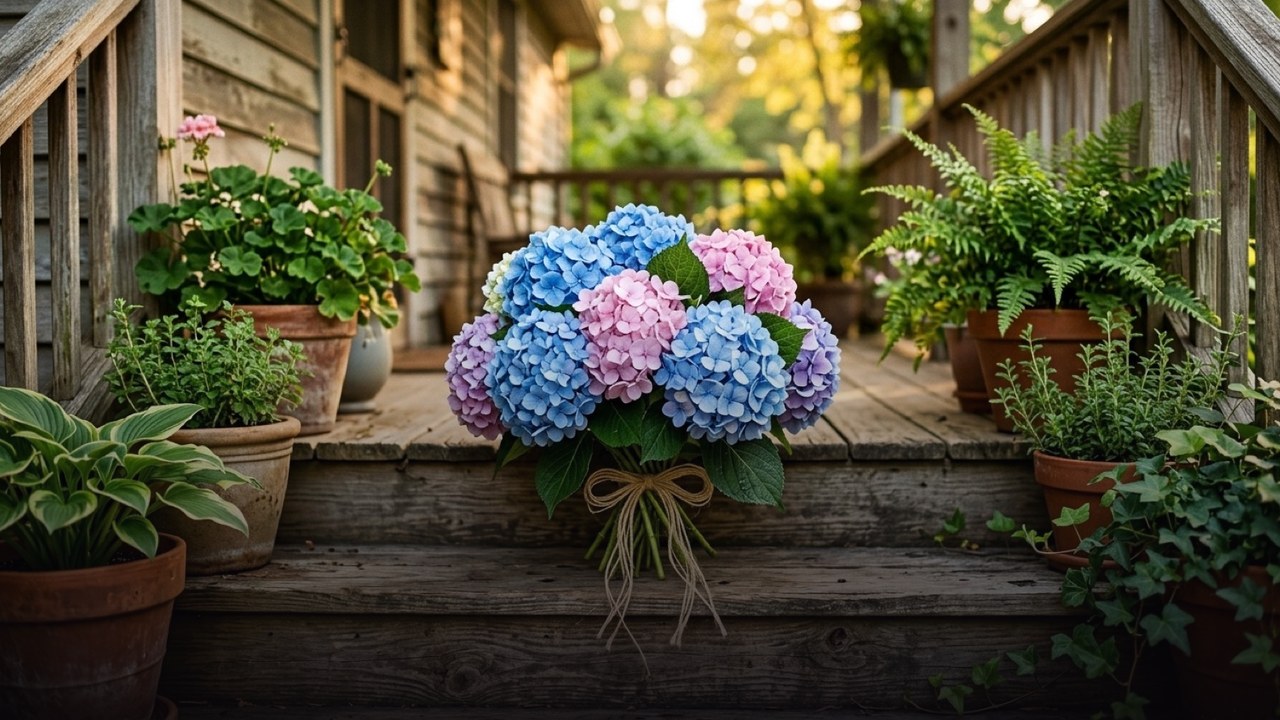
Misting flowers is usually unnecessary for a cut bouquet: fresh water absorbed through the stems matters much more than spray on the petals. Leaving blooms wet can encourage spotting and fungal growth, especially when flowers are tightly packed or the room has little airflow. Unless you have specific care instructions for the flowers you received, keep the flower heads dry and focus on the vase.
A fine spray may make a bouquet look refreshed for a moment, but it does not solve an empty vase, dirty water or stems that cannot take up water properly. Before reaching for a spray bottle, check what you have: a cut bouquet, flowers arranged in floral foam, or a living plant. Each needs water delivered to a different place, and treating them all alike can create problems.
What misting can—and cannot—do for cut flowers
Cut flowers continue to lose moisture after harvesting, while their stems take up water from the vase. Misting wets the outside of the bouquet; it does not reliably restore that water supply. If flowers look tired, your first checks should be the water level, the condition of the stem ends and whether leaves are sitting below the waterline.
Some flowers can absorb moisture through their surfaces, but that does not make spraying a dependable care routine for every bouquet. The result depends on the flower, its condition and how quickly the surface dries. Advice about one variety should not become a rule for a mixed arrangement, where delicate petals and dense flower heads share the same space.
There is also a difference between a brief decorative mist and repeated soaking. Droplets can collect between petals, inside folded wrapping or against neighbouring blooms. Those hidden damp areas may stay wet after the exposed petals look dry. A bouquet that appears fresh immediately after spraying may therefore be receiving no useful improvement in hydration.
Which flowers deserve extra caution?
Keep water off petals that bruise, mark or hold droplets easily. Dense roses, layered peonies and tightly packed chrysanthemums can retain moisture between their petals; delicate orchid flowers can also show water marks. You do not need to identify every flower perfectly to take the safer approach: water the stems and leave the heads dry.
Hydrangeas often prompt questions because their large flower heads can wilt visibly, and you may encounter advice about soaking or spraying them. They can take up some moisture through their flower heads, but persistent wilting still calls for checking stem hydration. Avoid applying a hydrangea revival method to an entire mixed bouquet, especially if it includes flowers with delicate petals.
A potted flowering plant needs a separate decision. Its roots, growing medium and species determine how it should be watered; spraying the flowers tells you little about whether the root zone needs moisture. For plants with fuzzy leaves, crowded foliage or blooms that mark easily, routine misting can be particularly unhelpful. Follow care guidance for the plant itself rather than instructions for cut stems.
Bouquets we can deliver




If you have already sprayed your bouquet
One light mist does not mean you have ruined the flowers. Stop spraying, move the bouquet away from direct sun and let surface moisture dry in a room with gentle air circulation. Avoid aiming a fan directly at the arrangement: strong moving air can increase moisture loss. Check whether wrapping is holding water against petals or leaves.
If you can see large drops, gently touch them with the edge of a clean, soft tissue to absorb the water. Do not rub petals or pull open tightly layered blooms to reach inside. Remove wet outer packaging where practical, while keeping any structural ties that hold the arrangement together. Then check that the stems have an adequate water supply.
For any further treatment, use only care products intended for cut flowers and follow their instructions. Do not add perfume, essential oils, household cleaning sprays or homemade mixtures to a mister. These can leave residues or damage flower surfaces. If you notice a musty smell, soft brown areas or fuzzy growth, remove affected material and clean the vase before refreshing the water.
The vase routine that matters more than misting
Start with a clean vase and fresh water. Remove leaves that would sit below the waterline, because decaying foliage makes the water dirty and can interfere with good stem hydration. If flower food is supplied, mix it according to the packet rather than guessing the amount. Adding extra concentrate does not make it work better.
Use clean, sharp scissors or secateurs to recut the stems before placing them in water, taking care not to crush them. Work promptly so freshly cut ends do not remain out of water unnecessarily. Preserve enough stem length for the vase to support the bouquet, and avoid stripping away healthy foliage that will remain above the water.
Check the water level every day; a full bouquet can use more than you expect. Refresh the water regularly and sooner if it becomes cloudy or smells unpleasant, washing the vase and removing fallen plant material. If the flowers are set in floral foam, carefully add water to the foam as needed instead of spraying the heads; keep decorative containers on a surface protected from leaks.
Where to place flowers, and what wilting tells you
Choose a place away from direct sunlight, radiators, heating vents and strong draughts. Heat increases moisture loss, while a sheltered position helps the bouquet maintain its water balance. Keep flowers away from ripening fruit where practical: fruit can release ethylene, which speeds ageing in sensitive flowers. A stable, comfortable indoor spot is more useful than repeated spraying.
If one stem droops while the rest look firm, inspect that stem rather than soaking the whole bouquet. Check for a broken or crushed section, remove submerged leaves and recut the end with a clean tool before returning it to fresh water. Support the flower carefully while you work; bending a weakened stem can make the damage worse.
If the entire bouquet wilts, check for an empty vase or a recent spell near a heat source first. Give the stems access to fresh water and allow time to assess their response. Misting cannot reverse every cause of collapse, and naturally ageing flowers may not recover. Remove spent blooms so you can care for the remaining flowers without damp, decaying material pressed against them.
Sending flowers to Russia with care in mind
When you send flowers from abroad, a short care note can be more helpful than telling the recipient to mist them. Browse the bouquets catalogue, then consider where the flowers will be received and whether the recipient can put them in water promptly. A simple message such as “Please check the water daily and keep the flowers away from the radiator” gives a useful next step without turning your gift into a list of chores.
Turboflora delivers flowers across Russia. City delivery costs 500 RUB; for remote districts and suburbs, the operator confirms the price when confirming the order. In large cities, express delivery is available in 1–2 hours after order confirmation. You can also arrange an exact time with a tolerance of ±30 minutes, choose a 09–12, 12–15, 15–18 or 18–21 window, or pre-order 1–30 days ahead. See delivery and payment when planning the gift.
Use WhatsApp to get help choosing a bouquet and agree the address, timing and free card text; you can also request a photo of the bouquet before delivery. Delivery is anonymous by default, so include your name in the card if you want the recipient to know who sent it. The courier calls about 15 minutes before arrival. Online checkout uses CloudPayments; check the payment options shown there, as acceptance of every foreign card is not guaranteed.
Frequently asked questions
Should I mist fresh flowers every day?
Routine daily misting is usually unnecessary for cut flowers and can leave moisture trapped between petals. Check the vase water daily instead, keep submerged leaves out of it and follow any specific care instructions supplied with the bouquet.
Does spraying roses with water make them last longer?
Spraying rose petals is not a reliable way to extend their vase life, and water can collect inside dense blooms. Clean water, properly prepared stems and a position away from heat are more useful care measures.
Can misting revive wilted flowers?
It may briefly change their appearance, but it will not fix a poor water supply through the stems. Check the water level, inspect and recut suitable stems, and remove damaged material; recovery depends on the cause and condition of the flowers.
Should I spray flowers arranged in floral foam?
Give water to the floral foam rather than relying on spray over the petals. Add it carefully, check that the container does not overflow and protect the surface underneath.
What happens if the recipient is out when flowers arrive?
If the recipient is absent, we agree a second delivery the same day or arrange to hand the flowers to a neighbour or concierge with the sender’s consent. The courier calls the recipient about 15 minutes before arrival to help coordinate the handover.
Ready to send flowers?
Pick the city, choose the bouquet, and a local florist takes it from there.
Choose a city →