Sending Flowers for Russian New Year: What to Choose and Why
In Russia, New Year's Eve is not a quiet night in. It is the year's most anticipated celebration — bigger than Christmas, longer than most holidays in Europe, and filled with more flowers, gifts and table decorations than almost any other occasion. If you are choosing flowers for someone in Russia right now, or trying to understand what will actually delight them on the 31st of December, this is where to start.
Why New Year Is Russia's Most Important Holiday
To understand why flowers matter so much at this time of year, you need to understand what New Year means in Russia. During the Soviet period, Christmas was not officially celebrated, and New Year absorbed every tradition that elsewhere belongs to Christmas — the decorated tree, the gifts under it, the long family dinner, the midnight toast. Those habits stayed. Today, Russian families gather on the 31st of December with a level of ceremony and warmth that most visitors find genuinely surprising.
The celebration does not stop at midnight. The period from the 31st of December through to the 8th or even 14th of January is called the New Year holidays, and people visit relatives, host friends, and exchange gifts throughout that stretch. This means flowers are not just for the single night — they are welcome across the entire first week of January.
For the person receiving them, flowers at New Year carry a specific feeling: abundance, colour and the sense that the new year is beginning well. A thoughtful arrangement on the table when guests arrive says more than a card. A bouquet delivered to a friend on the 1st of January feels like the first good thing of the year. That emotional weight is exactly why it is worth choosing carefully.
Bouquets we can deliver

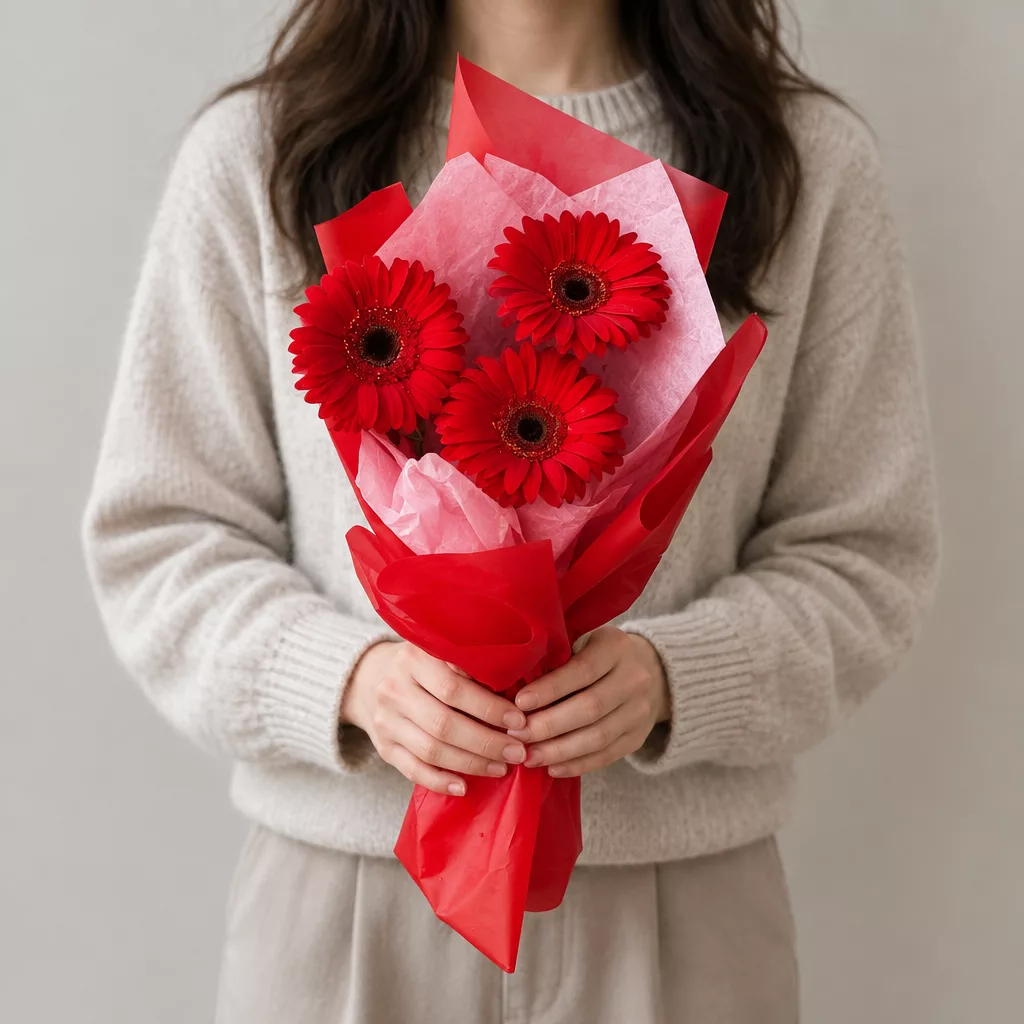
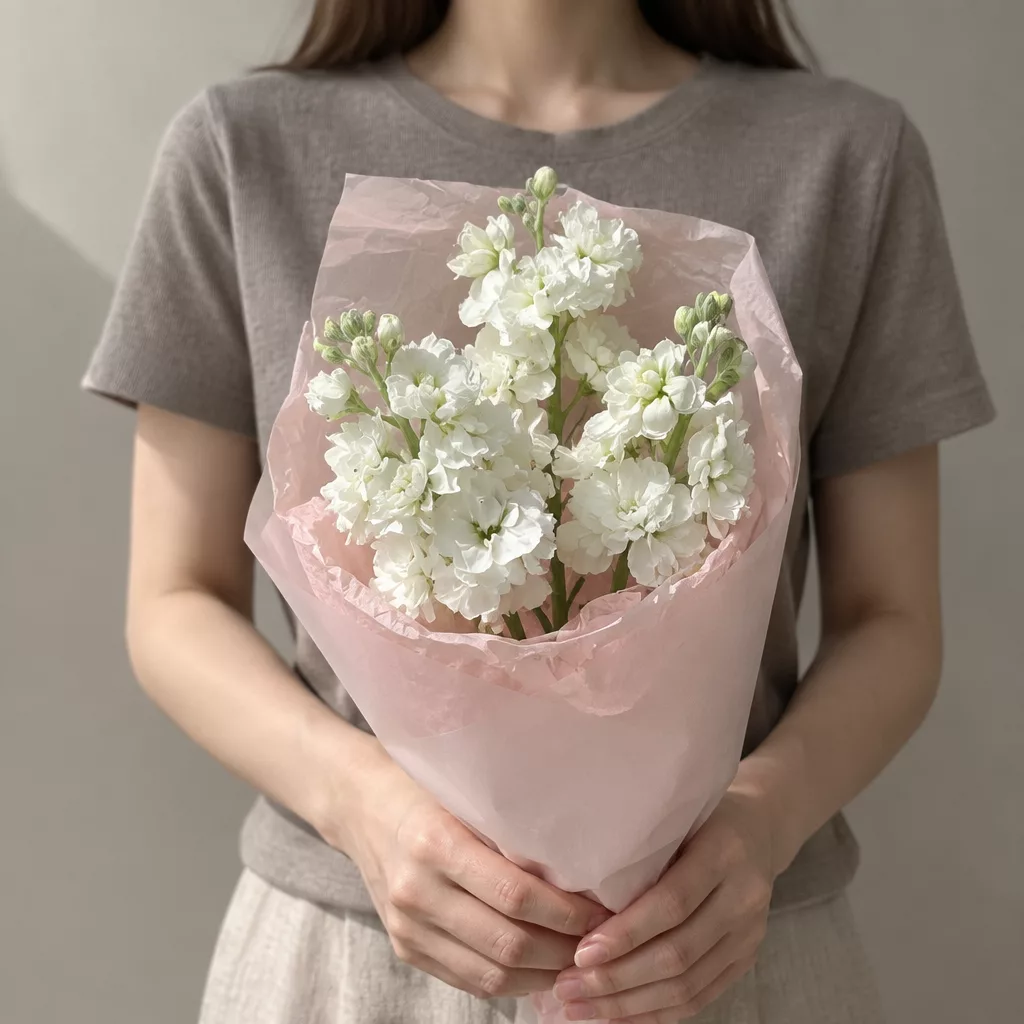
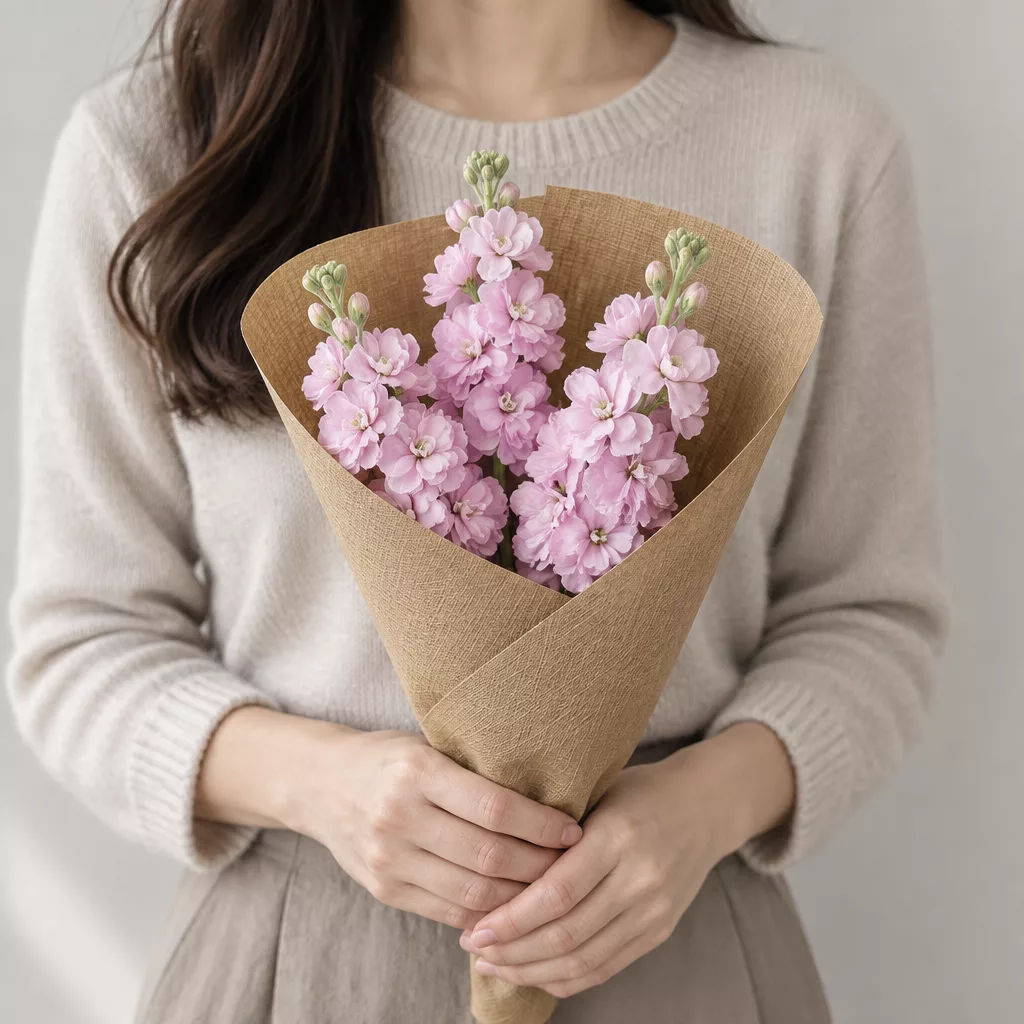
The Colours and Flowers That Belong to This Season
Russian New Year has a clear visual language, and flowers that speak it land far better than those that do not. Deep red, white, gold, burgundy and rich green are the colours of the season. They echo the decorated fir trees, the frost outside and the warmth of the rooms inside. An arrangement built around these tones feels immediately right to anyone who grew up with this holiday.
Red and white spray roses work beautifully together and hold well in cold temperatures, which matters when flowers travel through a Russian January. Standard red roses — classic and universally loved — are always appropriate, but consider mixing them with white lisianthus or white alstroemeria for texture and contrast. Alstroemeria is particularly practical: it lasts ten to fourteen days in a vase, which means a bouquet given on the 31st will still look good well into the first week of January.
For something richer and more dramatic, burgundy calla lilies or deep red amaryllis make a strong statement. Amaryllis is genuinely festive — its large trumpet-shaped blooms have a theatrical quality that suits a holiday table. Pair it with eucalyptus or pine sprigs and you have something that smells of winter and looks completely at home next to a decorated tree.
Avoid pale pastels and summer-feeling combinations — light peach roses or bright tropical mixes will look out of place. The season calls for depth and warmth, not lightness.
Choosing by Relationship: Family, Friends and Colleagues
Who you are sending to shapes the arrangement as much as the occasion does. For a mother or grandmother — the matriarch who has cooked for everyone and set the table — a large, generous bouquet is the right gesture. Russians tend to give flowers in odd numbers for celebrations, so think eleven or fifteen stems rather than ten. A round, full arrangement of red roses with white gypsophila and a few pine branches is classic and will be received exactly as intended: as love and respect.
For a close friend, you have more room to be personal. If she has a favourite colour or flower, use it as the centrepiece and build the seasonal palette around it. A bouquet of white tulips — which begin arriving in Russian flower shops in late December — with deep red hypericum berries and some silvery brunia feels modern and thoughtful without being cold.
For a colleague or a more formal relationship, a compact, well-composed arrangement in a box or a neat hand-tied bouquet is appropriate. Keep it elegant rather than extravagant. Cream roses with dark green foliage and a few red accents read as professional and festive at once.
One common mistake: sending something too small. In Russian culture, generosity in gifting is noticed and appreciated. A bouquet that looks full and abundant will always be received better than one that feels minimal, even if the flowers themselves are equally beautiful.
Table Arrangements and Decorating the Home for New Year
The New Year table in a Russian home is taken seriously. It is typically set by the late afternoon of the 31st and stays dressed through midnight and beyond. A centrepiece arrangement is a meaningful addition — it lifts the whole table and becomes part of the memory of the evening.
For a table centrepiece, low and wide works better than tall. Guests need to see each other across the table. A shallow arrangement of red roses, white carnations and pine cones, set in a ceramic or glass vessel, sits perfectly at eye level without blocking conversation. Carnations are sometimes overlooked, but they are hardy, long-lasting and deeply familiar to Russians — they carry genuine sentimental value.
If the family has a decorated fir tree — and most do — consider a small arrangement that mirrors the tree's colours rather than competing with it. Matching the red and gold of the decorations with flowers creates a cohesive look that feels intentional and festive rather than random.
For the home more broadly, a potted plant can be a wonderful New Year gift. A red-blooming Kalanchoe or a white Phalaenopsis orchid will last weeks or months and becomes part of the home rather than a single-occasion gesture. Orchids in particular are seen as a refined, thoughtful gift and suit any interior. Just make sure delivery happens before the 31st — on New Year's Eve itself, people are busy cooking and setting up, and receiving a large plant in the middle of preparations can be more complicated than it sounds.
Timing, Delivery and the Realities of January Weather
January in Saint Petersburg and across much of Russia is genuinely cold — temperatures regularly fall below minus ten, and in some regions minus twenty or lower is not unusual. This affects flowers more than most people realise. Exposed blooms can be damaged in minutes in that kind of cold, which is why packaging matters enormously.
Flowers should be wrapped in insulating paper and, for longer journeys, placed in thermal packaging. When you order for delivery, always specify that the recipient should unwrap the bouquet as soon as it arrives and move it indoors immediately. Leaving flowers in a cold hallway or a car for even twenty minutes can cause the petals to blacken or the stems to freeze.
Timing the delivery is equally important. The 31st of December is the busiest single day of the Russian flower calendar. Ordering a day or two early — the 29th or 30th — means the recipient has beautiful flowers already in the home when the evening begins, which is arguably better than a last-minute arrival. Flowers delivered on the 1st or 2nd of January carry their own charm: they feel like the new year is being celebrated properly, not rushed.
For vase life in winter conditions, keep flowers away from radiators and heating vents. Russian apartments are often very warm inside, which speeds up wilting. A cool room — around fifteen to eighteen degrees — will extend the life of most arrangements by several days. Change the water every two days and cut a centimetre from the stems each time.
Gifts That Work Alongside Flowers for New Year
Flowers rarely arrive alone at New Year in Russia. The tradition of pairing a bouquet with a small additional gift is well established, and getting the combination right shows genuine thought.
Chocolates are the most common pairing and always welcome. A box of good-quality chocolates alongside a bouquet of roses is a completely safe and appreciated combination for almost any recipient. For something slightly more personal, a small bottle of champagne — Sovietskoye Shampanskoye, the domestic sparkling wine, is a nostalgic favourite — paired with white roses has a celebratory feeling that is very specific to this holiday.
For a family with children, consider adding a small toy or a bag of tangerines. This might sound unusual, but tangerines are to Russian New Year what candy canes are to Christmas elsewhere — they are the smell and taste of the holiday, and a bag of them alongside flowers is a genuinely warm gesture that will be understood immediately.
For someone who lives alone or who is far from family, a bouquet with a handwritten card can carry more weight than any additional gift. The card matters. Write something real — not just Happy New Year, but something about the year you shared or what you wish them specifically. Russians are sentimental and literate, and a sincere few lines will be remembered long after the flowers have finished.
Whatever you add to the flowers, keep the bouquet as the centrepiece of the gift. It is the thing that will sit on the table all evening and be seen by every guest.
Russian New Year is a holiday that rewards generosity, warmth and a little bit of knowledge about what the season actually looks like from the inside. Choose colours that belong to the occasion, varieties that will last through the holiday week, and arrangements that suit the person receiving them. Whether you are sending to a grandmother in Saint Petersburg or a colleague in another city, flowers that arrive on time and look genuinely festive will be remembered as one of the good things about the start of a new year.
Frequently asked questions
When is the best time to order flowers for Russian New Year?
Order on the 29th or 30th of December if possible. The 31st is the busiest day of the year for flower delivery across Russia, and ordering a day or two early means your bouquet arrives while the recipient is still preparing for the evening rather than in the middle of it. Flowers delivered on the 1st or 2nd of January are also warmly received.
Which flowers last longest in a vase during the Russian winter holiday period?
Alstroemeria, carnations and spray roses are the most reliable choices for longevity, typically lasting ten to fourteen days with proper care. Keep them away from radiators, change the water every two days and trim the stems slightly each time. Avoid placing them near fruit bowls, as ripening fruit releases ethylene gas that shortens vase life.
Is it appropriate to send flowers to a Russian colleague for New Year?
Yes, it is entirely appropriate and common. For a professional relationship, choose a compact, neatly composed arrangement in neutral or classic festive tones — cream, white and red work well. Avoid anything too large or extravagant, which can feel awkward in a work context. A well-presented hand-tied bouquet or a box arrangement is ideal.
Do Russians celebrate Christmas with flowers as well as New Year?
Russian Orthodox Christmas falls on the 7th of January, and some families do mark it. However, the main celebration remains New Year's Eve on the 31st of December. Flowers given during the holiday period from the 31st through to the 8th of January are all considered New Year gifts and are received with the same warmth regardless of the exact date.
How do I protect flowers from the cold during winter delivery in Russia?
Good insulating wrap and thermal packaging are essential for flower delivery in Russian January temperatures. Ask the recipient to bring the bouquet indoors immediately on arrival and unwrap it within a few minutes. Even brief exposure to temperatures below minus ten can damage exposed petals. Once inside, place the flowers in water straight away and keep them away from heat sources.
Ready to send flowers?
Pick the city, choose the bouquet, and a local florist takes it from there.
Choose a city →