How Many Flowers to Send in Russia: Odd Numbers and What They Mean
If you are sending flowers to someone in Russia for the first time, one detail will matter more than the ribbon colour or the vase shape: the number of stems in the bouquet. Russia follows a deeply held tradition that living flowers given as a gift must come in odd numbers — three, five, seven, nine, eleven, and so on. Getting this right tells the recipient that you understand them. Getting it wrong, even accidentally, sends a message you almost certainly do not intend.
Where the Odd-Number Rule Comes From
The tradition is old enough that most Russians cannot point to a single origin, but the reasoning has stayed consistent across generations. Even numbers of flowers — two, four, six, eight — are associated with grief and are placed at memorials or used in mourning contexts. When you hand someone an even-numbered bouquet at a birthday, a graduation, or a housewarming, you are unintentionally echoing that association. The discomfort is real, even among younger, more globally minded recipients who know perfectly well that you meant no harm.
This is not a regional quirk limited to one city. The rule holds in Saint Petersburg, Moscow, Kazan, Novosibirsk, and everywhere Turboflora delivers across Russia. It is one of those cultural anchors that has not loosened with time, unlike some other Soviet-era customs that have faded. If anything, the emotional weight of the gesture has grown: a correctly counted bouquet signals care and attention, while a miscounted one creates an awkward moment that the recipient will quietly notice.
For someone ordering from outside Russia, this is the single most important piece of local knowledge to carry. It costs nothing to count stems. It changes everything about how the gift lands.
Bouquets we can deliver


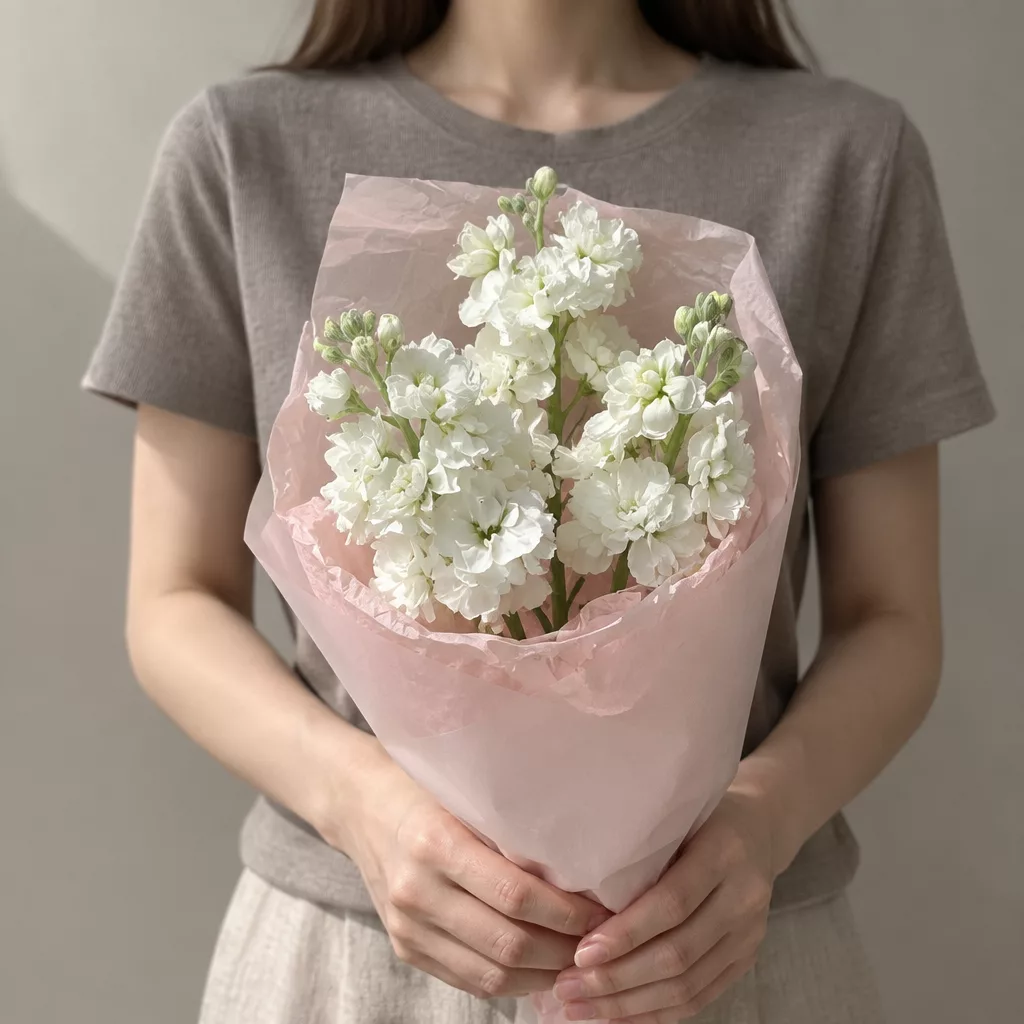
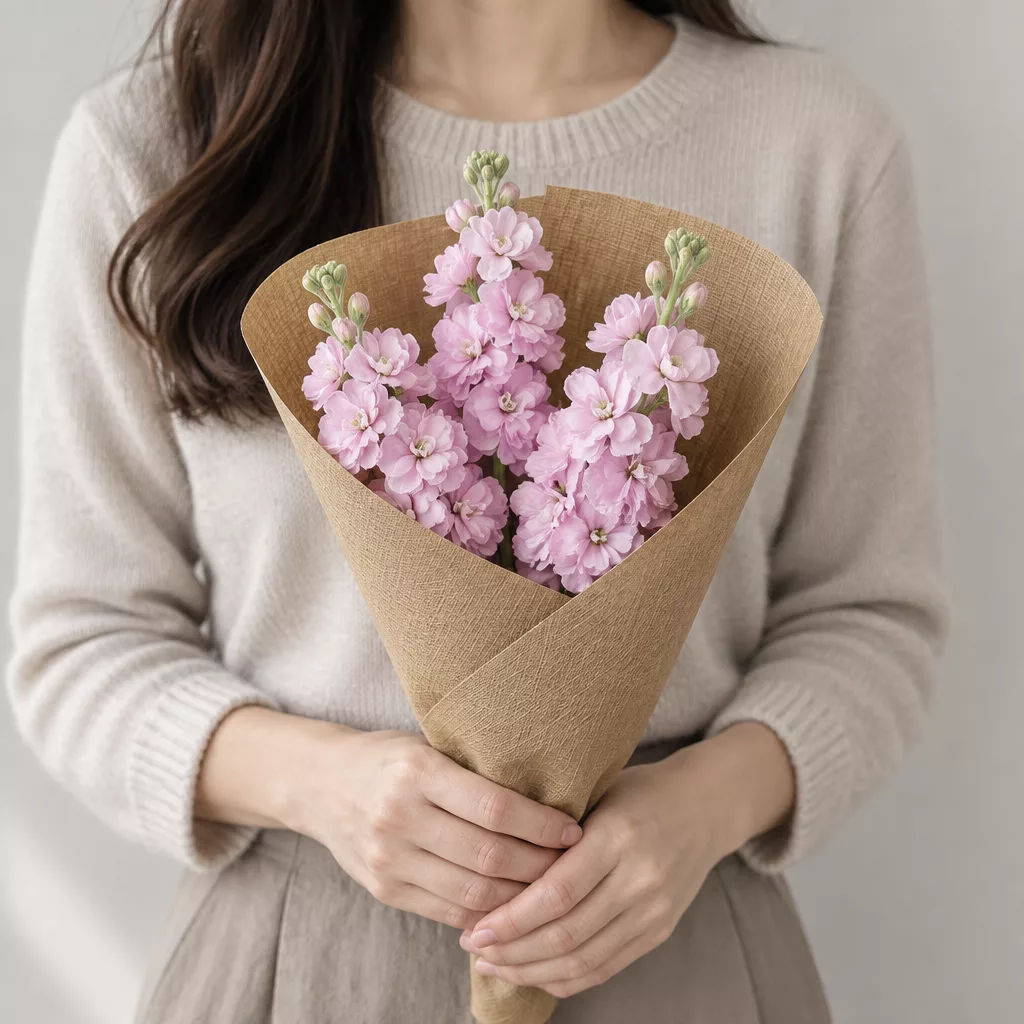
Which Odd Numbers Actually Work for a Gift
Not every odd number carries the same feeling, and this is where choosing becomes interesting rather than just mechanical. A single stem — one rose, one peony, one ranunculus — is romantic and deliberate. It works beautifully when the flower itself is exceptional: a garden rose with a full, layered head, or a large-headed chrysanthemum in a striking colour. One stem says you chose carefully, not that you spent little.
Three and five stems are intimate. They suit close friendships, small thank-you gestures, and moments when the relationship is warm but not theatrical. A trio of lisianthus in dusty lilac, or five spray roses mixed with eucalyptus, feels personal and considered. Seven and nine stems move into proper bouquet territory — enough volume to make an impression without tipping into extravagance. These numbers work well for birthdays, anniversaries, and congratulations.
Eleven, fifteen, nineteen, and beyond are celebration numbers. Twenty-five or thirty-one stems of tulips in spring, or nineteen long-stemmed roses for a milestone birthday, signal that the occasion deserves real ceremony. The jump from nine to eleven is not just two stems — it shifts the emotional register of the whole arrangement. When in doubt about whether a moment calls for something modest or something grand, going from seven to nine rather than to eight is always the right move. The count is the frame; the flowers fill it.
Choosing the Right Count for the Occasion
The occasion shapes the number as much as the budget does. For a birthday, the recipient's age can guide you: a bouquet of nineteen roses for a nineteenth birthday, or twenty-five peonies for a twenty-fifth, turns the count into a personal message. This works especially well for milestone ages where the number itself carries meaning. When the age is not a round number or you simply want to keep it classic, odd numbers between seven and fifteen cover almost every celebratory situation gracefully.
For a first date or an early romantic gesture, three to five stems of something refined — garden roses, anemones in season, or sweet peas when available — keeps the tone warm without being overwhelming. Eleven or more stems too early in a relationship can read as intense rather than generous. Save the larger counts for moments when the relationship has depth and the occasion genuinely calls for ceremony.
Professional congratulations — a promotion, a successful opening, a work anniversary — suit arrangements of nine to fifteen stems in neutral or sophisticated palettes: white lisianthus, cream ranunculus, pale green hellebores. The count is formal enough to show respect, and the restrained palette keeps it appropriate for a workplace or business setting. For a new baby or a housewarming, seven to eleven stems in fresh, light colours land well: think white tulips, soft peach spray roses, or pale yellow freesias that scent a room gently without being heavy.
The Most Common Mistakes and How to Avoid Them
The most frequent mistake is ordering a round number because it feels clean or easy to remember. Ten roses, twelve tulips, twenty stems of freesia — these all look sensible in a shopping basket but arrive as even-numbered bouquets. If you are ordering online and the default quantity is set to ten, change it to nine or eleven before confirming. One stem either way costs almost nothing and means everything.
The second common error is assuming that mixed bouquets with greenery and filler are exempt from the rule. They are not. The count that matters is the count of the primary flowers — the roses, the peonies, the tulips — not the total number of stems including eucalyptus, ruscus, or waxflower. A florist who knows the tradition will count the focal flowers when building the arrangement. When you place an order, it is worth specifying the number of main stems explicitly rather than leaving it to interpretation.
A third mistake is confusing pot plants with cut flowers. The odd-number rule applies to cut bouquets. A potted orchid, a succulent arrangement, or a plant in a decorative pot is not subject to the same counting tradition. If you are unsure whether a gift will be well received, a living plant in a pot is a genuinely safe alternative — it sidesteps the counting question entirely and lasts far longer than cut stems. That said, a correctly counted fresh bouquet remains the most emotionally resonant gift you can send.
How Flower Variety Changes the Feel of the Count
The same number of stems reads very differently depending on what fills them. Seven sunflowers make a bold, joyful statement — their large heads and upright posture fill a room even at low counts. Seven stems of lily of the valley, by contrast, feel delicate and intimate, almost whispered. The variety you choose amplifies or softens the emotional weight of the number, so it is worth thinking about both together.
For bouquets of nine or more stems, mixing varieties creates texture and visual depth that a single-variety arrangement at the same count cannot always achieve. Nine roses alone are classic and reliable. Nine roses with three stems of white veronica and a handful of silver brunia read as considered and artisan. The total count stays the same; the experience of receiving it is richer.
Seasonal availability shapes this more than anything else. In February, tulips and ranunculus are at their best in Russia, and a bouquet of eleven ranunculus in mixed coral and cream shades will outperform eleven roses simply because the ranunculus are fresher and more vibrant at that time of year. In May and June, peonies are the obvious choice — five or seven large peony heads need almost nothing else to make a complete and generous arrangement. Letting the season guide the variety, and then fitting the count to the occasion, is how experienced florists think about every order.
Presentation, Wrapping, and What Arrives at the Door
A correctly counted bouquet still needs to arrive looking the way it was intended. Temperature is the first concern for delivery across Russia, where seasonal extremes are significant. In winter, flowers need insulated packaging to survive the journey from the courier's hands to the recipient's door — even a few minutes in freezing air can damage delicate petals on roses or tulips. In summer, heat is the enemy: direct sun and warm car interiors shorten vase life dramatically, sometimes by days.
Wrapping style affects how the count reads visually. A tight, compact wrap in kraft paper shows the stems and makes the number obvious — the recipient can see at a glance that care was taken. A loose, airy wrap with tissue and ribbon lets the flowers breathe and suits larger arrangements where individual stem counts matter less to the eye. For smaller bouquets of three to seven stems, a neat, structured wrap elevates what might otherwise look sparse.
The water source matters from the moment the bouquet is cut. Stems should be cut at an angle, kept in clean water with a sachet of flower food, and placed away from direct sunlight and fruit bowls — ethylene gas from ripening fruit shortens the life of roses and lilies noticeably. When Turboflora delivers, the bouquet comes with care instructions so the recipient knows exactly how to give the flowers the best possible vase life. A bouquet that lasts ten days is a better gift than one that wilts in four, regardless of how many stems it holds.
Ordering From Outside Russia: Practical Details That Help
If you are placing an order from abroad, a few practical points make the process smoother and ensure the bouquet arrives exactly as intended. First, specify the stem count explicitly in your order notes rather than relying on a size description like 'medium' or 'large.' Different florists interpret size differently; a number is unambiguous. Write 'nine roses' or 'eleven peonies' and there is no room for misunderstanding.
Delivery timing matters in Russia just as it does anywhere, but the distances involved in a country this large mean that same-day delivery windows require early ordering. Turboflora delivers across Russia within one to two hours of order confirmation in covered cities, which is genuinely fast — but that window starts from when the order is confirmed, not when you begin browsing. If the occasion is time-sensitive, place the order as early in the day as possible.
Include a message card, and write it in Russian if you can manage even a simple phrase. A birthday message in Russian — even a short one — lands warmer than the same words in English for most recipients. If you are not confident in Russian, a transliterated phonetic version or a note asking the florist to translate a sentiment is perfectly acceptable. The flower count, the variety, the timing, and the message together form the complete gift. Each element reinforces the others, and getting the odd number right is the foundation on which everything else rests.
Sending flowers in Russia is not complicated once you understand the one rule that underpins everything: odd numbers for living gifts, always. Whether you are sending three stems of garden roses to a close friend or thirty-one tulips to mark a significant birthday, the count is the first decision and the most important one. Choose it deliberately, let the variety and the season guide the rest, and the bouquet will arrive carrying exactly the warmth and care you intended.
Frequently asked questions
Does the odd-number rule apply to all types of flowers in Russia?
Yes, it applies to all cut flower bouquets regardless of variety — roses, tulips, peonies, lilies, and mixed arrangements alike. The rule counts the primary focal flowers, not filler stems like eucalyptus or greenery. Potted plants and plant arrangements in containers are not subject to the same tradition and can be given in any quantity.
Is it rude to give an even number of flowers in Russia, or just unusual?
It is genuinely uncomfortable for most recipients, not merely unusual. Even-numbered bouquets are strongly associated with mourning and memorial occasions in Russian culture. A well-meaning sender who delivers twelve roses will likely cause a quiet moment of unease. The recipient will usually not say anything, but the association is real and widespread across all generations and regions.
Can I send a single flower as a gift in Russia?
One stem is a perfectly acceptable and often romantic gesture in Russia. A single exceptional rose, a large-headed peony, or a dramatic garden rose says that you chose with care rather than quantity. It works best in early romantic contexts or as a simple, sincere thank-you. The key is that the flower itself should be beautiful enough to stand alone.
What is the best stem count for a birthday bouquet in Russia?
Matching the recipient's age is a popular and personal choice — nineteen stems for a nineteenth birthday, for example. If the age does not translate neatly, bouquets of eleven, fifteen, or nineteen stems cover most birthday celebrations well. For milestone birthdays like a thirtieth or fiftieth, larger odd counts such as thirty-one or fifty-one stems make the occasion feel properly celebrated.
How do I make sure the florist keeps the count correct when I order online?
State the stem count explicitly in your order — write the number in words in the notes field, such as 'nine roses' or 'fifteen tulips.' Do not rely on size descriptions alone. If the default quantity shown is an even number, change it before confirming. A clear written instruction removes any ambiguity and ensures the bouquet arrives exactly as you intended.
Ready to send flowers?
Pick the city, choose the bouquet, and a local florist takes it from there.
Choose a city →