Why Odd Numbers Matter: Russian Flower Gifting Rules Explained
You have found the perfect bouquet, the roses are a deep velvety red, the wrapping is elegant, and then someone quietly tells you to count the stems. In Russia, the number of flowers in a bouquet is not a detail — it is part of the message itself. If you are sending flowers to someone in Saint Petersburg, Moscow, Kazan, or anywhere across Russia, understanding this one rule will make your gift land exactly as you intend it to.
The Rule Itself and Where It Comes From
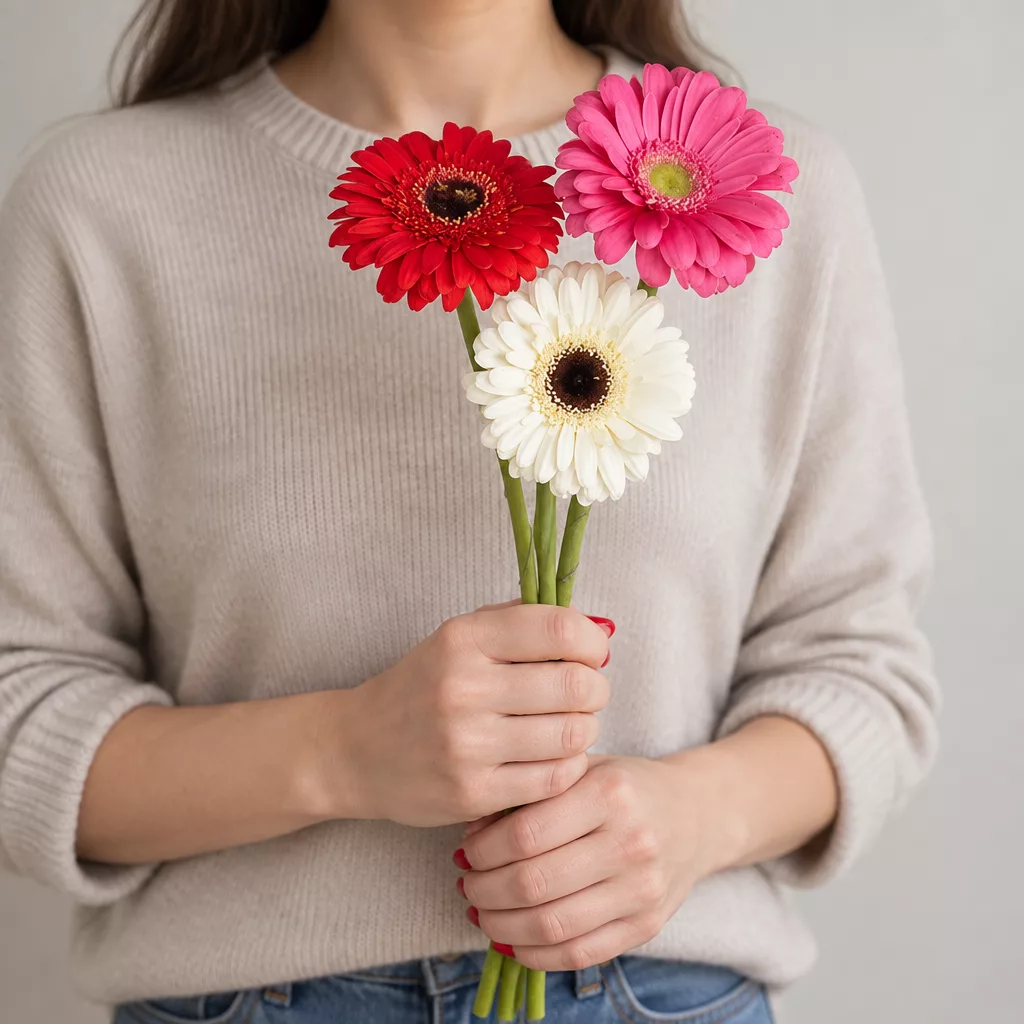
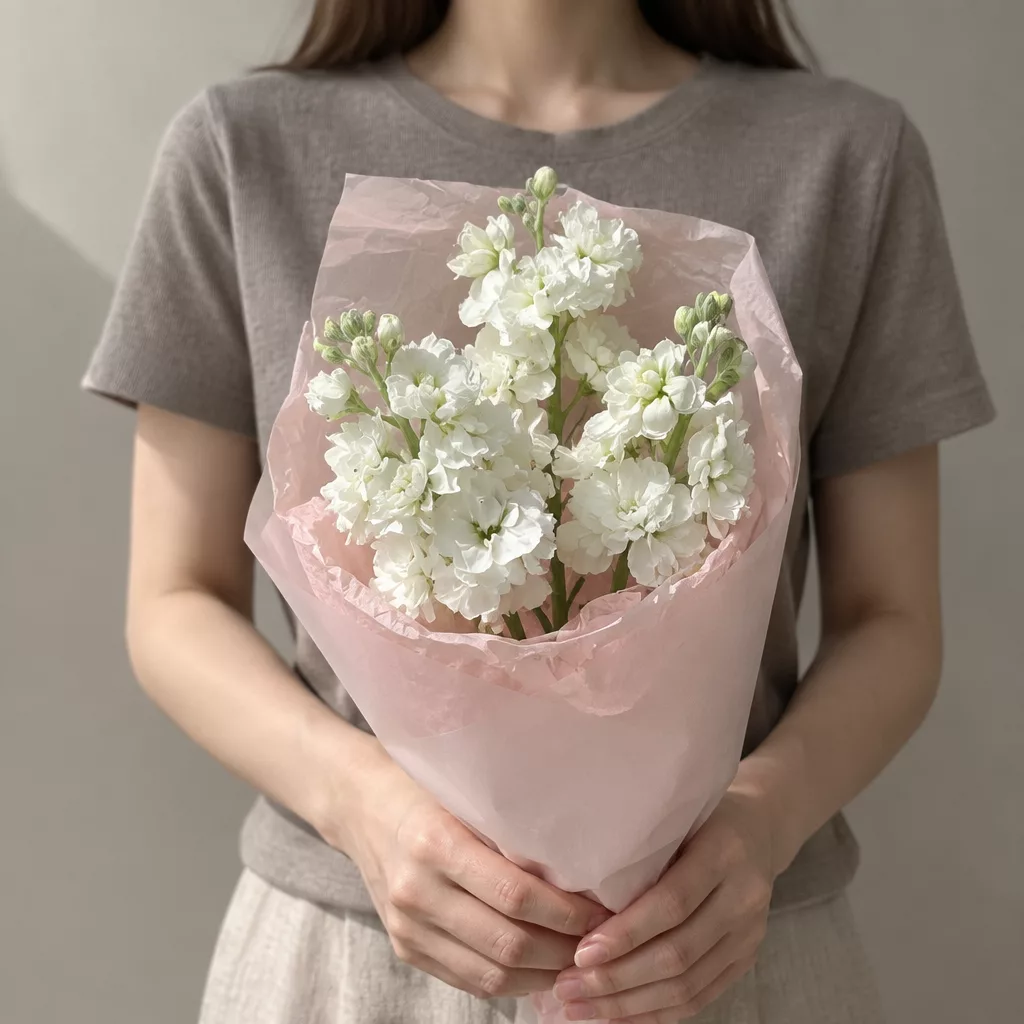
The tradition is straightforward once you know it: an odd number of stems is for the living, for celebrations, for joy. An even number belongs to mourning rituals and is brought to funerals or placed at graves. This is not a superstition limited to older generations — it is observed widely across Russia today, in cities and smaller towns alike, by people of all ages. If you hand someone a bouquet of ten roses, even with the best intentions, many Russians will feel an immediate unease, even if they say nothing.
The origin is layered. Slavic folk tradition long associated even numbers with completion and finality, while odd numbers carried the energy of the living, the unfinished, the continuing. Orthodox Christian influences reinforced certain ceremonial customs around death, and the flower-giving conventions settled around these older ideas over centuries. By the Soviet era the rule was firmly embedded in everyday social life, and it has remained there.
For a visitor or someone sending a gift from abroad, this can feel surprising. In many Western European countries a dozen roses is the romantic standard, and no one counts. In Russia, twelve is a number you simply do not use for a birthday or anniversary bouquet. The good news is the rule is easy to follow once you know it, and florists who work regularly with Russian customers will already have it built into every arrangement they make.
Bouquets we can deliver


Which Numbers Actually Work Best for Celebrations
Knowing that odd numbers are correct is one thing; knowing which odd numbers feel right for which occasions is more useful still. A single stem — one perfect garden rose or one blowsy peony — is a romantic gesture that works beautifully for an intimate moment. It is direct, confident, and surprisingly effective when the flower itself is exceptional. Three, five, and seven stems are the everyday sweet spot for casual celebrations: a thank-you, a small birthday gift, a first date.
Nine and eleven stems move into more considered territory. A bouquet of nine tulips in spring, or eleven spray roses mixed with eucalyptus, says that you thought about this, that the occasion mattered. These sizes also give the florist enough material to create real shape and depth — a three-stem bouquet is more of a gesture, while nine or eleven becomes a proper arrangement with visual presence.
Fifteen, nineteen, twenty-one, and twenty-five are the numbers for significant milestones: a major anniversary, a graduation, a promotion, a significant birthday. At these quantities the bouquet can carry several varieties together — think garden roses paired with ranunculus and soft-stemmed anemones, or peonies with sweet peas when the season allows. The odd number remains the rule regardless of size. Twenty-five stems of white freesia fill a room with fragrance and make an impression that twenty-four never quite would, simply because of what the number communicates before the flowers are even unwrapped.
Choosing Flowers for the Person, Not Just the Count
Once the number question is settled, the real work of choosing begins: who is this person, and what will they feel when they open the door? A colleague celebrating a promotion will respond differently to a bouquet than a grandmother marking her birthday or a partner you want to surprise on an ordinary Tuesday. The variety, the colour, and the presentation all carry meaning that sits alongside the stem count.
For a professional setting — an office celebration, a thank-you to a mentor, a congratulations on a new role — white and cream tones read as elegant and neutral. Chrysanthemums, which in some Western countries carry associations with mourning, are in Russia perfectly acceptable for celebration, particularly the large-headed varieties in white or pale yellow. Alstroemeria in warm peach tones is another reliable choice: long-lasting, affordable enough to give in generous quantities, and cheerful without being overwhelming.
For romantic occasions, red roses remain the clearest signal, but a mono-bouquet of red spray roses at nineteen stems can feel fresher than the classic long-stemmed version. If the recipient has a more individual style, consider burgundy dahlias in late summer and autumn, or pale lilac lisianthus, which has the delicate ruffled look of a peony at a fraction of the price and with a much longer vase life. Thinking about the recipient's home and personality — whether they prefer bold drama or soft, garden-style looseness — will always produce a more memorable gift than defaulting to the obvious choice.
Seasonal Combinations That Follow the Rule Beautifully
Russia has dramatic seasons, and the flowers available shift significantly across the year. Working with the season rather than against it produces bouquets that look more natural and last longer once they arrive. In late winter and early spring, tulips are everywhere and at their best — five or seven stems of parrot tulips in coral or deep purple make a vivid, modern bouquet that needs nothing else added. By March, when International Women's Day falls and flower demand peaks across the country, mimosa branches paired with tulips in groups of nine or eleven are a classic combination that feels genuinely Russian.
Spring into early summer brings ranunculus, anemones, and the first peonies. Eleven peonies in blush pink, loosely wrapped with a few stems of white wax flower tucked in at the edges, is a bouquet that photographs beautifully and fills the recipient's home with fragrance for several days. Peonies open slowly over forty-eight to seventy-two hours if bought in tight bud, so they are a good choice for delivery — they arrive looking restrained and then open into something spectacular.
Summer allows for garden roses, sweet peas, and scabiosa. Autumn is the season for dahlias, which come in forms ranging from tight pompom heads to the large dinner-plate varieties, and for the rich warm tones of orange and burgundy that suit the light of shorter days. Winter leans on roses sourced from warm-climate growers, on amaryllis for dramatic single-stem statements, and on evergreen foliage to add texture and depth to arrangements that need to travel through cold air before they reach the door.
Presentation and Wrapping: What Russians Expect to See
The wrapping of a bouquet matters as much as the flowers inside it, and this is somewhere that Russian gifting culture has its own distinct aesthetic. A bouquet handed over with stems bare and a rubber band holding them together will feel unfinished regardless of how beautiful the flowers are. The expectation is for proper wrapping — kraft paper, matte or textured florist paper, or soft fabric wrap — tied with ribbon or twine, with the flowers protected and the presentation considered.
Colour combinations in the wrapping should complement rather than compete. A bouquet of deep red roses wrapped in black matte paper with a black satin ribbon reads as sophisticated and intentional. The same roses in white kraft with pale pink ribbon feel softer and more romantic. Dusty sage green paper works beautifully with almost any pastel flower palette and has become a popular contemporary choice that looks good in photographs, which matters because many recipients will share their flowers on social media.
For larger occasions — a significant birthday, a corporate congratulation — a hatbox arrangement or a structured round bouquet in a decorative box adds a layer of ceremony. These formats also travel better in a delivery context because the flowers are supported rather than hanging loose. When the bouquet needs to arrive looking exactly as it left the shop, the packaging is doing real structural work, not just decorative work. A good florist thinks about the journey the flowers will take and wraps accordingly, knowing that the first impression the recipient has is the unwrapping itself, before a single bloom is properly seen.
Care After Delivery: Making the Odd Number Last
Giving an odd-numbered bouquet that wilts within two days is a missed opportunity. The care advice you pass along with the flowers — or that the recipient follows instinctively — will determine how long the gift continues to give. The basics are consistent across almost every variety: a clean vase, fresh cool water, and a diagonal cut on the stems before they go in. The diagonal cut increases the surface area through which the stem draws water, and it prevents the stem end from sitting flat against the bottom of the vase and blocking uptake.
Water temperature matters more than most people realise. Tulips prefer cool water and will last significantly longer if the vase is kept away from radiators and direct sunlight. Roses are more tolerant of room temperature water but benefit from having their lower leaves removed so that no foliage sits below the waterline, where it would rot and cloud the water quickly. Changing the water every two days and re-cutting the stems each time adds at least two to three days to the vase life of most arrangements.
For mixed bouquets, the weakest variety sets the pace. Anemones, for example, are beautiful but relatively short-lived — around five to seven days in good conditions. If they share a vase with roses, which can last ten to twelve days, the anemones will go first and should be removed when they fade rather than left to affect the water quality for the remaining stems. Keeping the vase in a cool room overnight, if the household allows for it, genuinely extends the life of almost every variety. Flowers rest in the cool just as they do in a florist's refrigerated display.
Common Mistakes When Sending Flowers to Russia
The most common mistake is the even number, and it is entirely avoidable once you know the rule. But there are a few others worth mentioning for anyone sending flowers to Russia for the first time, or for someone who wants their gift to arrive feeling considered rather than generic.
Choosing purely by colour without thinking about variety is one. Yellow flowers carry a folk association in some Russian traditions with separation or jealousy — this is less universally observed than the odd-number rule, and many people pay no attention to it at all, but it is worth knowing if the relationship is new or the occasion is romantic. A safer approach for a romantic bouquet is to lean on reds, pinks, whites, and creams, and save yellow for a cheerful, friendly gift where the warmth of the colour is the whole point.
Sending flowers that will not survive the delivery is another mistake. Delicate sweet peas, for example, are exquisite in a florist's refrigerator but can wilt dramatically if they spend more than a short time in a warm delivery vehicle. A florist who knows their routes and their flowers will steer you toward varieties that travel well for the distance and season involved. In summer heat, this matters enormously — a bouquet assembled at eight in the morning needs to look the same at noon.
Finally, ignoring the recipient's home situation is a missed opportunity. Someone who lives alone in a small apartment may be overwhelmed by twenty-five large-headed sunflowers, while someone who entertains often and has large rooms will appreciate a generous, dramatic arrangement. The right bouquet is the one that fits the person as much as the occasion.
The odd-number rule is one of those customs that, once you know it, becomes second nature. It is not complicated, and it is not arbitrary — it carries real meaning for the people who receive your flowers. Getting it right signals that you understand something about Russian culture, that you paid attention, and that the gift was chosen with care rather than grabbed in haste. Pair that awareness with good seasonal flowers, honest wrapping, and a note that speaks to the person and the moment, and you have given something that will be remembered long after the last petal has fallen.
Frequently asked questions
Is the odd-number rule strictly observed everywhere in Russia?
It is observed very widely, from Saint Petersburg and Moscow to smaller cities and towns. Younger urban Russians may be more relaxed about it, but the association of even numbers with mourning is deeply embedded in the culture. Following the rule is always the safer and more respectful choice, especially if you do not know the recipient's personal views on the matter.
Can I send yellow flowers to a Russian recipient?
Yellow flowers are not universally avoided in Russia, and many people give and receive them without a second thought. However, a folk association between yellow blooms and separation exists in some traditions. For a romantic or emotionally significant gift, leaning toward red, pink, white, or mixed palettes is safer. For a cheerful birthday or friendly congratulation, yellow tulips or sunflowers are perfectly appropriate.
What is the best stem count for a birthday bouquet on a moderate budget?
Nine or eleven stems is the sweet spot for a birthday bouquet that feels generous without stretching the budget. At this count a florist has enough material to create real shape and visual interest, perhaps mixing two complementary varieties with a little foliage. It reads as thoughtful rather than minimal, and the odd number is well within the celebratory tradition.
Do the rules apply to potted plants as well as cut flowers?
The odd-number tradition specifically applies to cut flower bouquets, where individual stems are counted. Potted plants — an orchid, a cyclamen, a small olive tree — are not subject to the same counting convention and are a perfectly neutral gift for almost any occasion. They also last considerably longer than cut flowers, which makes them a practical choice for recipients who travel or are rarely home.
How do I keep a delivered bouquet looking fresh if the recipient is not home when it arrives?
A good florist will wrap the stems in damp paper or a water capsule for transit. Once the recipient is home, the bouquet should go straight into a clean vase with cool water and freshly cut stems. Keeping it away from direct sunlight, fruit bowls, and heat sources in the first few hours makes a significant difference to how the flowers open and how long they last.
Ready to send flowers?
Pick the city, choose the bouquet, and a local florist takes it from there.
Choose a city →