Orange and Pink Flowers: Warm Tones That Work for Any Occasion in Russia
Choosing flower colours for someone in Russia can feel like navigating unwritten rules. Red roses signal romance, white blooms are linked to farewells, yellow flowers carry a reputation for bad luck in relationships — the list of things to avoid seems longer than the list of things that are safe. Orange and pink sit comfortably outside all of that. They are warm without being intense, celebratory without being romantic, and cheerful without feeling trivial. Whether you are sending flowers to a colleague, a grandmother, a new mother or a friend you have not seen in years, these two colours almost never land wrong.
Why Colour Symbolism Matters More in Russia Than You Might Expect
In many countries, flower colour is mostly a matter of personal taste. In Russia, it carries social weight that most people feel even if they cannot fully articulate the rules. Giving yellow flowers to a romantic partner is widely understood as a bad omen — a signal of separation or infidelity. White flowers, particularly chrysanthemums, are associated with mourning and funeral arrangements, so they require careful handling when used in everyday bouquets. Even the number of stems matters: an even number is reserved for funerals, while an odd number is the correct choice for living recipients.
Orange and pink sit in a genuinely neutral zone. Neither colour carries a fixed meaning tied to grief, romance, or bad luck. Pink reads as warm and affectionate across almost every relationship type — it works between friends, between family members, and from a company to a valued client. Orange reads as energetic and generous, the kind of colour that says the sender put thought into the gift without making it feel heavy or loaded with expectation.
For someone sending flowers to Russia from abroad, or simply unfamiliar with local customs, this matters enormously. A bouquet in the wrong colour does not ruin a relationship, but it can create an awkward moment that the recipient has to quietly manage. Choosing orange or pink removes that risk entirely and lets the flowers do what they are supposed to do: make someone feel genuinely pleased.
Bouquets we can deliver

Matching the Colour to the Occasion and the Person
The practical question is not just whether orange and pink are safe — it is which shade fits the moment and the person receiving the bouquet. These two colours span a wide emotional range depending on how they are used, and getting that right is what separates a thoughtful gift from a generic one.
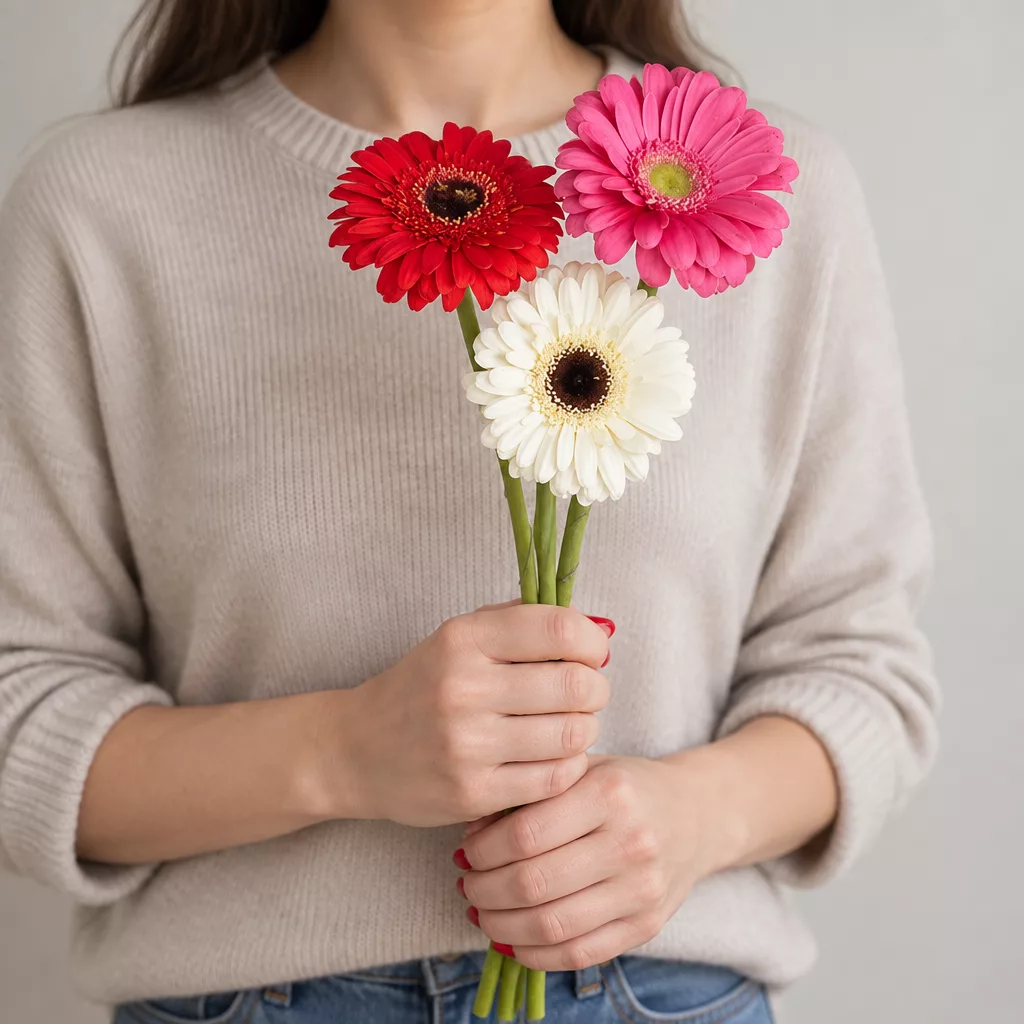
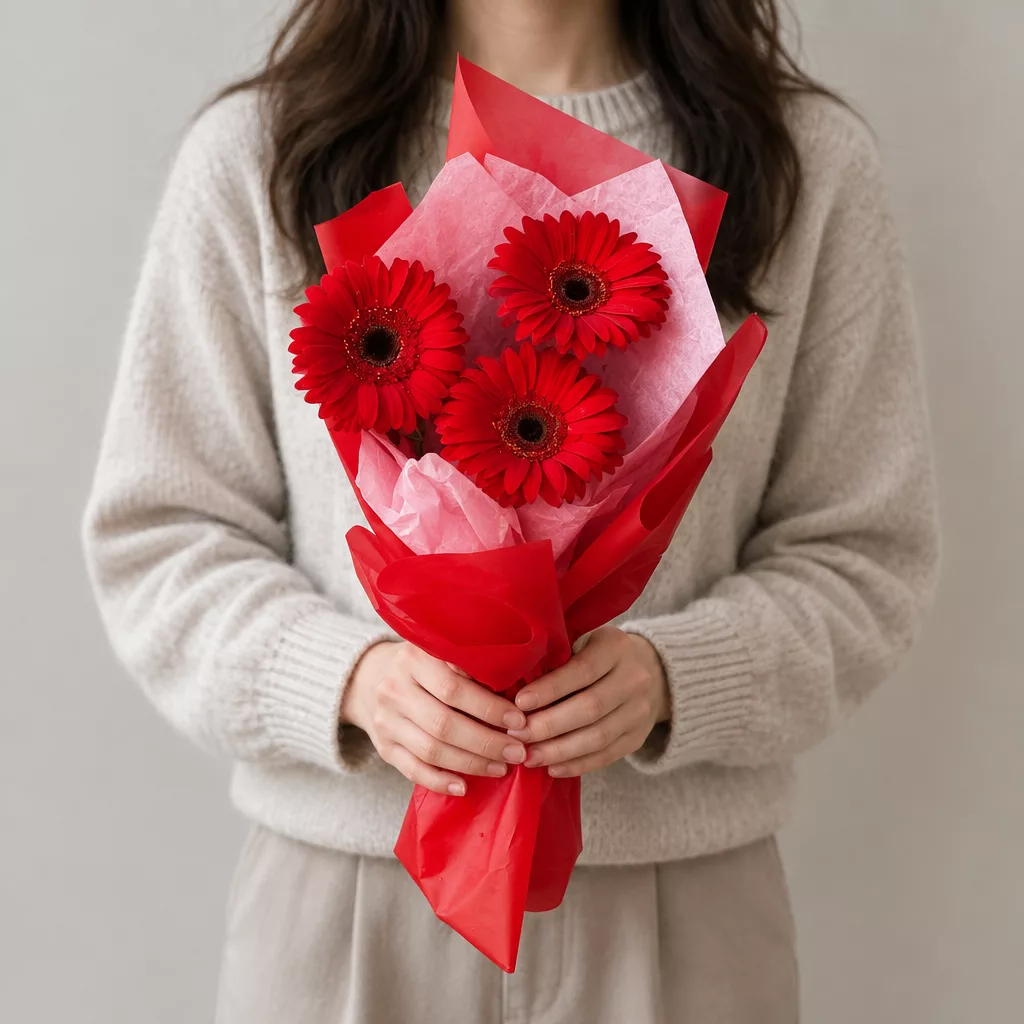
Soft blush pink — the kind you find in garden roses like Keira or Juliet, or in ranunculus — reads as tender and delicate. It suits a new mother, a friend going through a difficult period, or an older relative you want to make feel cherished. Bright magenta pink, found in gerberas or lisianthus, is more upbeat and energetic — better for a birthday, a promotion, or a young colleague you want to congratulate warmly.
Orange follows a similar logic. Pale peach tones in spray roses or alstroemeria feel gentle and sophisticated, appropriate for a teacher's day gift or a thank-you arrangement for a business contact. Deep burnt orange in marigolds or sunflowers is bold and celebratory, perfect for a festive occasion or someone whose personality fills a room.
When you know the recipient well, you can lean into their character. When you do not — a new acquaintance, a distant relative, a client — blush pink or soft peach is almost always the right instinct. These shades are universally readable as kind and considered, without requiring any shared context to land well.
The Best Orange and Pink Varieties Available in Saint Petersburg
Working with these colours means knowing which varieties hold up reliably and which ones look beautiful in the shop but disappoint within two days. In Saint Petersburg's climate, where apartments can be warm and dry in winter and deliveries cross significant distances, vase life is not a secondary consideration.
For pink, garden roses are the most requested choice. Varieties such as Keira and Miyabi have dense petals that open slowly and last well in a vase — typically seven to ten days with proper care. Lisianthus is an underused option that deserves more attention: its ruffled blooms resemble peonies at a fraction of the seasonal cost, and it holds for up to two weeks. Pink gerberas are reliable and cheerful, though they need their stems cut cleanly and their water changed every two days to prevent bacterial buildup.
For orange, alstroemeria is a florist's favourite for mixed arrangements because it is long-lasting, travel-resistant, and available year-round. Spray roses in peach and apricot shades add texture without bulk. Marigolds bring a vivid, saturated orange that photographs beautifully and carries a pleasant, earthy fragrance. Tulips in coral and salmon tones are excellent in spring but require cold chain handling — they continue growing after cutting and will lean toward any light source, which is worth mentioning to the recipient so they can rotate the vase.
Combining varieties within the same colour family — say, blush roses with dusty pink lisianthus and pale peach alstroemeria — creates depth that a single-variety bouquet cannot achieve.
Combinations That Work: Pairing Orange and Pink Together
Orange and pink together can look either effortlessly sophisticated or chaotic, depending entirely on how the shades are chosen. The key principle is to keep the tones in the same temperature register. Warm pink — coral, salmon, blush with a peachy undertone — sits beautifully next to orange. Cool pink — fuchsia, magenta, or anything with a blue undertone — clashes with orange in a way that reads as unintentional rather than bold.
A combination that consistently works well is peach spray roses with apricot alstroemeria and pale pink lisianthus, finished with eucalyptus or dusty miller for a silver-grey contrast that prevents the arrangement from looking too sweet. This palette reads as elegant and considered, suitable for a formal gift to a colleague or a sophisticated friend.
For a more celebratory arrangement, coral gerberas with bright orange marigolds and hot pink tulips make a high-energy statement. This combination works for a milestone birthday or a housewarming where you want the flowers to feel like a party rather than a quiet gesture. Add some yellow-green foliage — such as pittosporum or ruscus — and the whole arrangement lifts without losing its warmth.
One common mistake is adding white flowers to soften the palette. White pulls the eye and, as noted earlier, carries its own associations in Russia. Cream or ivory is a much better choice if you want a lightening element — cream ranunculus or ivory spray roses integrate naturally without introducing unwanted symbolism. Greenery does the same job even more safely and adds a natural, garden-picked quality that many recipients find more personal than a formal arrangement.
Choosing by Budget Without Losing the Effect
A well-made bouquet does not require the most expensive flowers — it requires the right proportion of focal flowers, supporting blooms, and foliage. Understanding this lets you get a genuinely beautiful result at almost any budget.
At a modest budget, alstroemeria and spray roses are your best allies. Both are affordable, long-lasting, and available in excellent pink and orange shades year-round. A bouquet of mixed alstroemeria in coral and blush, wrapped simply in kraft paper with a satin ribbon, looks intentional and generous without being costly. Adding a few stems of lisianthus elevates the arrangement noticeably because of the flower's visual complexity.
At a mid-range budget, you can introduce one or two stems of garden roses as focal flowers, surrounded by spray roses and alstroemeria as supporting blooms. This creates the layered, full look that photographs so well and that recipients tend to describe as luxurious, even though the majority of the stems are mid-range flowers doing the structural work.
At a higher budget, peonies in season — typically May through July in Russia — are the most requested pink focal flower and justify every ruble. Out of season, large-headed garden roses such as Keira or Juliet achieve a similar effect. Pairing these with ranunculus, which has a similar ruffled quality but a smaller head, creates a bouquet with real visual movement and weight.
Regardless of budget, presentation matters as much as the flowers themselves. A tightly wrapped, well-proportioned bouquet in good packaging always reads as more considered than the same flowers loosely assembled.
Care Instructions to Pass Along with the Bouquet
One of the most practical things a sender can do is make sure the recipient knows how to keep the flowers looking good. Many bouquets that wilt within three days could have lasted eight or ten with simple care — and a wilted bouquet is a missed opportunity to make someone feel good every time they walk past the vase.
The first step is trimming the stems at a forty-five-degree angle immediately before placing them in water. This increases the surface area for water uptake and is especially important for roses and gerberas, which are prone to air bubbles blocking the stem. The cut should be made with a sharp knife rather than scissors, which can crush the stem tissue.
Water temperature matters more than most people realise. Room temperature water is correct for most flowers. Tulips are an exception — they prefer cool water and will last longer in a cooler room. Flowers should never be placed near a radiator, a fruit bowl, or in direct sunlight. Ethylene gas from ripening fruit accelerates petal drop significantly, and this is one of the most common reasons a bouquet fails faster than expected.
Water should be changed every two days, and the stems should be re-trimmed each time. Flower food sachets, when included with the delivery, genuinely help — they contain a mild bactericide and a sugar source that extends vase life measurably. Recipients who skip the sachet and use plain water will typically see two to three fewer days of bloom.
For mixed bouquets combining orange and pink varieties, remove any individual stems that begin to fade before they affect the water quality for the rest.
When to Send Orange or Pink Flowers in Russia: Occasions and Timing
Russia has a rich calendar of gifting occasions, and orange and pink flowers are appropriate for nearly all of them. The biggest gifting dates are the eighth of March — International Women's Day, when flowers are given to virtually every woman in a man's life — and the first of September, when students and teachers exchange bouquets at the start of the school year. Both of these occasions call for warm, celebratory colours, and pink and orange are among the most popular choices.
Birthdays are the most frequent individual occasion for flower delivery, and here the choice of shade can reflect how well you know the recipient. A close friend might appreciate a bold coral and orange arrangement that matches her personality. A senior colleague or a relative you see rarely is better served by soft blush or peach, which communicates warmth without presuming intimacy.
New baby visits, housewarming gifts, and congratulations for professional achievements are all situations where orange and pink work without any adjustment. These are moments of positive transition, and warm tones reinforce that feeling naturally.
Timing the delivery is worth thinking about carefully. For a birthday, same-day delivery in the morning means the recipient has flowers to enjoy all day and to show guests if they are celebrating at home. For Women's Day on the eighth of March, ordering a day or two in advance is strongly advisable — demand peaks sharply and last-minute orders risk delays. Turboflora delivers across Russia within one to two hours, which makes spontaneous gifting genuinely possible, but planning ahead on major dates ensures the bouquet arrives exactly when it should.
Orange and pink are not compromise colours — they are confident choices made by someone who understands both the occasion and the person receiving the bouquet. They carry no baggage, suit every relationship type, and span a wide enough range of shades to feel personal rather than generic. Whether you choose a soft blush arrangement for a quiet gesture or a vivid coral bouquet for a celebration, these tones communicate warmth and care in a way that translates across every context. Pair them thoughtfully, present them well, and pass along a few care tips, and the flowers will do the rest.
Frequently asked questions
Are pink flowers appropriate for male recipients in Russia?
Soft pink or peach flowers for men are uncommon in Russia but not offensive. If you want a warm, neutral tone for a male recipient, lean toward orange, coral, or burnt amber rather than pink. These shades read as generous and energetic without carrying the associations that pink still holds in more traditional contexts.
Can I mix orange and pink with white flowers in a Russian bouquet?
White flowers are associated with mourning in Russia, particularly white chrysanthemums. For everyday gifting, it is better to use cream or ivory tones if you want a lightening element. Cream ranunculus or ivory spray roses integrate naturally with orange and pink without introducing any unwanted symbolism.
Which pink or orange flowers last the longest after delivery?
Lisianthus and alstroemeria are the longest-lasting options, often holding ten to fourteen days with proper care. Garden roses typically last seven to ten days. Gerberas and tulips are shorter-lived at five to seven days but can be extended significantly by changing the water every two days and keeping them away from heat sources and fruit.
Is it acceptable to send flowers to a Russian colleague at their workplace?
Yes, workplace flower delivery is completely normal in Russia, particularly for birthdays, Women's Day, and professional milestones. Pink and peach tones are ideal for colleagues because they are warm without being romantic. A neatly wrapped, proportionate bouquet is more appropriate for an office setting than a very large or dramatic arrangement.
What is the correct number of stems to include in a bouquet for a living recipient?
An odd number of stems is the correct choice for any bouquet given to a living recipient in Russia. Even numbers are associated with funerals and mourning. Most florists follow this convention automatically, but it is worth confirming when placing a custom order, especially if you are specifying an exact stem count yourself.
Ready to send flowers?
Pick the city, choose the bouquet, and a local florist takes it from there.
Choose a city →