Orchids in Russia: Potted or Cut — Which One to Send?
Orchids feel like a serious choice, and they are — but the decision most people get stuck on is not which colour to pick. It is whether to send a potted plant that will live on a windowsill for months or a few long-stemmed cut blooms arranged in a bouquet. Both are beautiful, both say something meaningful, and in Russia both are genuinely popular gifts. The difference is in what happens after the delivery, and matching that to the person and the moment is exactly what this article is for.
What the Recipient Will Actually Experience
Think about the moment the door opens. A potted phalaenopsis arrives in its nursery pot or a decorative sleeve, roots visible through the plastic, a care tag attached. It is substantial, slightly formal, and immediately suggests permanence. The person receiving it knows they are being trusted with something living. That feeling is warm but also carries a quiet responsibility.
A cut orchid stem — most commonly a cymbidium or a single phalaenopsis branch trimmed from the mother plant — arrives as part of a bouquet or arrangement. It is theatrical in a different way. The bloom sits among other flowers, contributing its waxy, architectural presence to a composition. There is nothing to pot, nothing to water on a schedule. It is simply beautiful, right now.
In Russian gift culture, the potted plant signals a longer relationship. You give a plant to a colleague you respect, a teacher, a mother-in-law, someone whose home you can picture. The cut stem is more romantic and more immediate — it belongs to the occasion rather than to the future. Understanding this distinction will save you from sending something that feels slightly off even when it looks perfect. Neither choice is wrong; they just speak different emotional languages, and your recipient will feel the difference even if they cannot name it.
Bouquets we can deliver

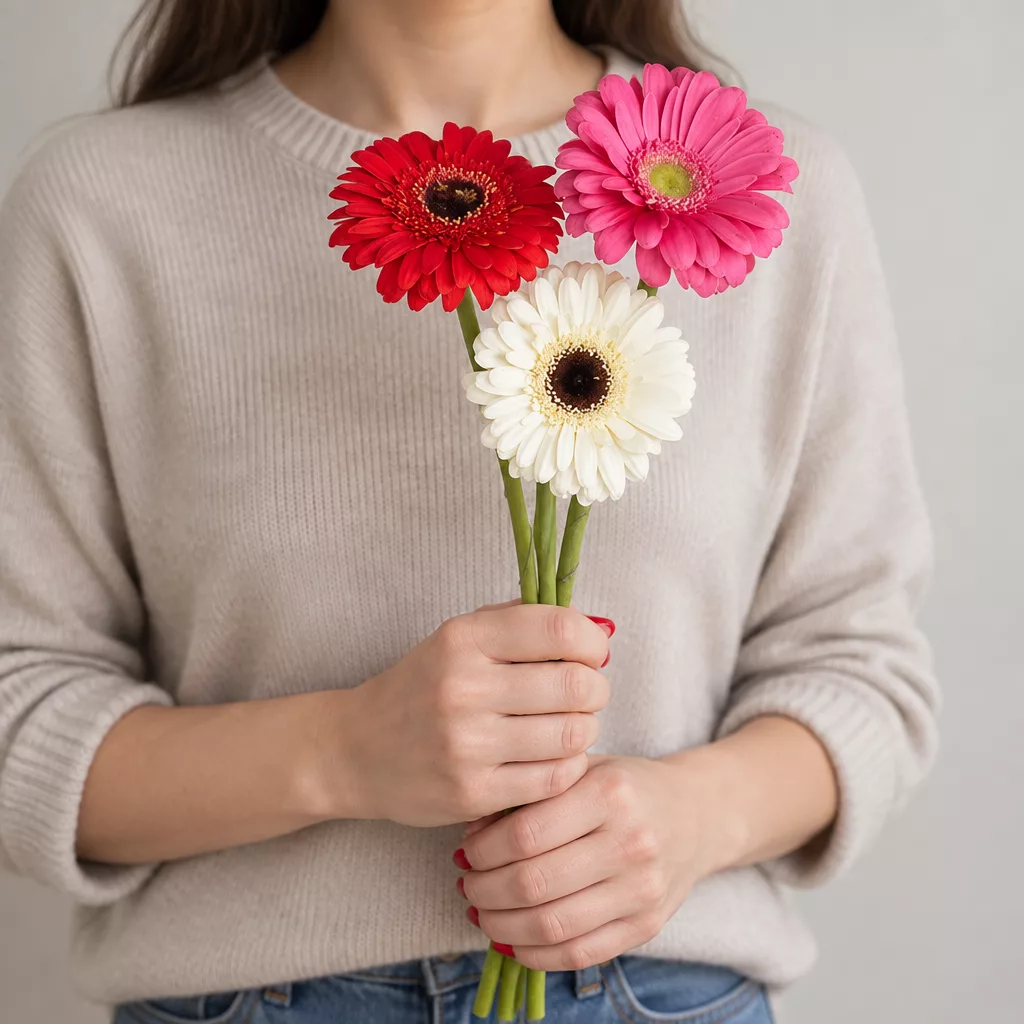

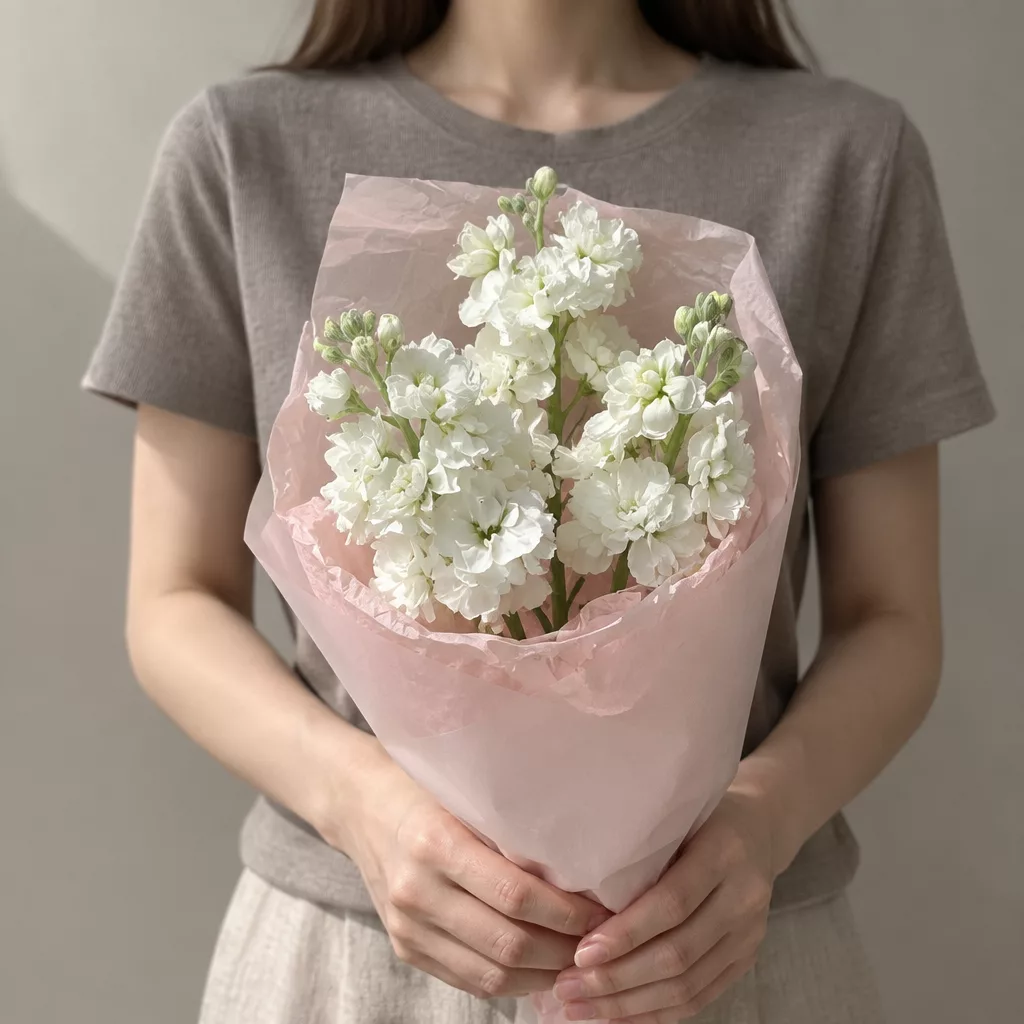
Longevity: The Real Numbers for Russian Conditions
Russia's indoor climate is the first thing to understand. Central heating runs hard from October through April, often pushing apartment temperatures to 22–25 degrees Celsius with very low humidity. That is genuinely difficult for orchids, which prefer 18–22 degrees and moderate moisture in the air. A potted phalaenopsis bought in peak condition and placed on a north- or east-facing windowsill away from radiators can rebloom for two to four months on the current spike, and then again after a rest period. Properly cared for, the same plant can live for years.
Cut orchid stems are a different story, and you should be honest with yourself about this. A cymbidium stem in a clean vase with fresh water changed every two days will last three to four weeks — genuinely impressive compared to roses or tulips. A phalaenopsis branch cut from the plant lasts about ten to fourteen days under the same conditions. Both timelines assume the flowers were conditioned correctly before delivery and that the recipient keeps them away from direct sun and fruit bowls. Ethylene gas from ripening fruit shortens vase life noticeably.
For deliveries across Russia, temperature during transit matters. Orchids dislike anything below ten degrees Celsius. Turboflora uses insulated packaging on cold days, but if you are sending to Siberian cities in January, a potted plant in its growing medium handles brief cold exposure better than a cut stem in a wet floral sponge. The stem's cut end is the most vulnerable point, and cold damages it faster than the bloom itself.
Which Occasions Call for a Potted Phalaenopsis
The potted phalaenopsis has become the default corporate gift in Russia over the past decade, and for good reason. It is generous without being extravagant, it photographs well on an office desk, and it lasts long enough that the recipient thinks of you every time they water it. For a colleague's promotion, a business anniversary, or a thank-you to a client, a white or pale pink phalaenopsis in a ceramic pot is almost universally appropriate. It avoids the colour symbolism questions that come with cut flowers — more on that shortly.
For a teacher on Knowledge Day, the first of September, or for a doctor who has done something genuinely kind, a potted plant carries more weight than a bouquet. Russian recipients in these roles receive many bouquets; a healthy orchid plant in a decorative pot stands apart. The same logic applies to a housewarming gift. Moving into a new apartment is a significant life moment in Russia, and bringing something that will grow in the new space feels right in a way a cut bouquet simply does not.
Mothers and grandmothers are perhaps the most natural recipients. Russian women of that generation often have a deep relationship with houseplants. A phalaenopsis with two or three open spikes and several buds still to open is a gift that keeps unfolding over weeks. Choose a variety with a strong root system visible through the pot — healthy silvery-green roots signal a vigorous plant. Avoid plants where more than half the blooms are already fully open, because the best part of the experience is watching the remaining buds develop.
When Cut Orchid Stems Make More Sense
Cut orchid stems earn their place in bouquets where you need drama without weight. A cymbidium spray — those dense clusters of smaller blooms in ivory, burgundy, or soft green — adds an exotic note to a mixed bouquet that roses alone cannot provide. They hold their shape for weeks, which makes them a practical choice for a birthday arrangement that the recipient wants to display at a party and then keep enjoying afterward.
For romantic occasions, a single long phalaenopsis branch paired with garden roses and eucalyptus is quietly luxurious. It does not shout, but it is noticed. This kind of bouquet suits a first significant anniversary, a Valentine's Day delivery, or a gesture after something important has happened between two people. The orchid stem brings a seriousness to the arrangement that softer flowers like peonies or ranunculus do not quite achieve.
Cut orchids also solve a practical problem for recipients who travel frequently or live in small apartments without good window light. A potted phalaenopsis needs consistent care and a specific position. A bouquet with orchid stems needs only a vase and fresh water. If you know the person is rarely home or has mentioned struggling to keep plants alive, cut stems are the kinder choice — you are giving them beauty without obligation.
In Russian wedding traditions, white cymbidium sprays are a classic bridal flower, valued precisely because they do not wilt under warm lights or a long ceremony. For a wedding gift bouquet or a congratulatory arrangement, they are an elegant and practical selection that the couple will appreciate even if they do not know exactly why.
Colour and What It Communicates in Russia
Colour symbolism around flowers in Russia is more specific than in many Western countries, and orchids are not exempt from it. White is universally safe — it reads as elegant, respectful, and sincere across every occasion and relationship type. Pale pink is warm and feminine without being childish. These two colours together cover the majority of situations where you are uncertain.
Purple phalaenopsis, which have become widely available and are often sold as novelty plants, carry a slightly regal or mysterious feeling. They work well for creative people, for someone with an unconventional personal style, or for a significant birthday where you want the gift to feel special rather than standard. Deep purple or near-black cymbidium stems in a bouquet make a striking statement — bold and confident, appropriate for someone who you know appreciates design.
Yellow orchids require care. In Russian culture, yellow flowers are traditionally associated with separation or the end of a relationship, though this association is stronger in older generations and varies by region. Younger recipients in Moscow or Saint Petersburg often have no strong feeling about yellow flowers either way, but if you are sending to someone over fifty or to a more traditional family, it is worth choosing a different colour. This is not superstition to dismiss — it is simply knowing your audience.
Red orchid varieties, less common but available, communicate passion and are firmly in romantic territory. They are not appropriate for professional relationships. For a potted plant sent to a workplace, always stay within the white, cream, or pale pink range. The goal is for the recipient to feel celebrated, not to introduce an unexpected conversation about what you meant by the colour.
Care Instructions Worth Passing On
A potted phalaenopsis needs three things consistently: indirect light, careful watering, and cool nights. Place it on a windowsill that gets morning light but no direct midday sun. Water it by setting the pot in a bowl of room-temperature water for fifteen minutes every seven to ten days, then letting it drain completely before returning it to its decorative pot. Never let it sit in standing water — root rot is the most common cause of phalaenopsis death in Russian apartments, where well-meaning owners water too often.
Fertilise lightly once a month during the growing season with a balanced orchid fertiliser at half the recommended strength. After the flowers drop, cut the spike just above the second node from the base — this sometimes encourages a new branch rather than a completely new spike, giving the plant a faster return to bloom. If the plant rests without flowering for several months, a two-week period on a cooler windowsill, around fifteen degrees at night, often triggers a new spike.
For cut orchid stems in a vase, change the water every two days and re-cut the stem end at an angle each time. Keep the arrangement away from direct sunlight, heating vents, and the fruit bowl. Misting the blooms lightly with room-temperature water on dry days helps in centrally heated apartments. Do not use flower food sachets designed for roses — the formula is too acidic for orchids and can actually shorten vase life rather than extend it. Plain clean water, changed regularly, is genuinely the best approach.
Choosing by Budget Without Compromising the Feeling
Orchids span a wide price range, and both potted plants and cut stems can be found at accessible and premium price points. The key is understanding what determines value in each category so you spend where it counts.
For a potted phalaenopsis, the most important factor is the number of spikes and the proportion of buds still closed. A plant with two spikes and two-thirds of the buds still to open will give the recipient a much longer experience than one with a single spike in full bloom. The pot and presentation sleeve add to the price but also to the perceived generosity of the gift — a plain nursery pot feels less considered than the same plant in a matte ceramic container.
For cut stems, cymbidium sprays offer more visual presence per stem than phalaenopsis branches, because each spray carries multiple blooms. A bouquet built around two or three cymbidium sprays with complementary foliage and one or two supporting flowers can look genuinely impressive without reaching the price of a premium phalaenopsis plant. This is the smart middle-ground option for someone who wants the orchid aesthetic without the full plant commitment.
At the higher end, a double-spike phalaenopsis in a handmade ceramic pot or a bouquet combining phalaenopsis branches with garden roses and seasonal greenery both signal serious intent. These are appropriate for a significant birthday, a major professional milestone, or a romantic occasion where you want the gesture to be remembered. The difference between a considered gift and an afterthought is rarely about spending the most — it is about matching the presentation to the relationship and the moment.
Orchids are one of the few flowers that work equally well as a living plant and as a cut bloom, and the choice between them is really a question about the person you are sending to and what you want them to feel over the days and weeks ahead. A potted phalaenopsis says you thought about their home, their future, the ongoing nature of your relationship. Cut orchid stems in a beautiful arrangement say you thought about this moment, this occasion, this particular day. Both are generous. Both are right — in the right situation. If you are still uncertain, think about where the flowers will live. If the answer is a desk, a dining table, or a celebration, cut stems are your friend. If the answer is a windowsill, a home, a life, send the plant.
Frequently asked questions
Can a potted phalaenopsis survive delivery across Russia in winter?
Yes, with proper insulated packaging. Phalaenopsis should not be exposed to temperatures below ten degrees Celsius. Turboflora uses thermal packaging for cold-weather deliveries, and the growing medium in a potted plant provides some insulation for the roots. For destinations in Siberia during deep winter, delivery timing is planned to minimise time in cold conditions.
Is it rude to send yellow orchids in Russia?
It depends on the recipient's age and background. In traditional Russian culture, yellow flowers carry an association with separation or bad luck, particularly among older generations. Younger urban recipients are generally less concerned with this. When in doubt, white, cream, or pale pink orchids are always appropriate and carry no ambiguous meaning.
How long will a cymbidium spray last in a vase compared to a phalaenopsis branch?
A cymbidium spray typically lasts three to four weeks in a clean vase with water changed every two days. A phalaenopsis branch lasts around ten to fourteen days under the same conditions. Both timelines assume the flowers are kept away from direct sun, heating vents, and ethylene-producing fruit. Cymbidiums are the longer-lasting option for cut orchid arrangements.
What is the best potted orchid to send as a corporate gift in Russia?
A white or pale pink phalaenopsis with two spikes and a good proportion of unopened buds is the standard for corporate gifting in Russia. It is elegant, colour-neutral, and long-lasting. Presented in a ceramic or decorative pot rather than a plain nursery sleeve, it reads as thoughtful and appropriately generous without crossing into personal territory.
Should I include care instructions with an orchid delivery?
Yes, always. Many recipients have not kept orchids before and will appreciate clear, simple guidance. The most important points are infrequent deep watering rather than frequent light watering, indirect light, and keeping the plant away from radiators. A short printed card with three or four key tips makes the gift more useful and shows you thought about the experience beyond the delivery moment.
Ready to send flowers?
Pick the city, choose the bouquet, and a local florist takes it from there.
Choose a city →