Sending Flowers to Someone in Russia When You Don't Have Their Full Address
You want to send flowers to a friend in Moscow, a colleague in Saint Petersburg, or a relative somewhere in between — but all you have is a phone number, a company name, or a vague neighbourhood. This situation is more common than you might think, and it is entirely solvable. Florists who deliver across Russia deal with incomplete address information every single day, and there are clear, tested ways to bridge the gap between a generous impulse and a bouquet that actually arrives.
Why Incomplete Addresses Are So Common When Sending Flowers to Russia
Russia has a specific address format that can feel unfamiliar if you grew up elsewhere. A full Russian postal address typically includes the city, the district, the street name, the building number, sometimes a block or corpus number, the apartment number, and the entry code for the building door. That is a lot of detail, and most people simply do not carry all of it in their heads. When you ask a friend for their address, they often send you something like 'near Moskovskaya metro station' or 'I work at the Lakhta Center office complex.' They are not being evasive — they genuinely navigate their own city by landmarks rather than street numbers.
This is especially true for people who have recently moved, who are staying temporarily with family, or who work in large office campuses where the building number alone means little without a floor and a pass system. For international senders, the challenge doubles: you may be working across time zones, communicating through translation, and unsure which details are essential.
The good news is that a professional flower delivery service operating within Russia already understands this landscape. The courier knows the city, recognises landmark buildings, and can call ahead to confirm a precise meeting point. What matters most is that you provide whatever partial information you do have, clearly and completely, so the florist can work with it. Even three pieces of partial information — a name, a general area, and a phone number — are often enough to make a delivery happen.
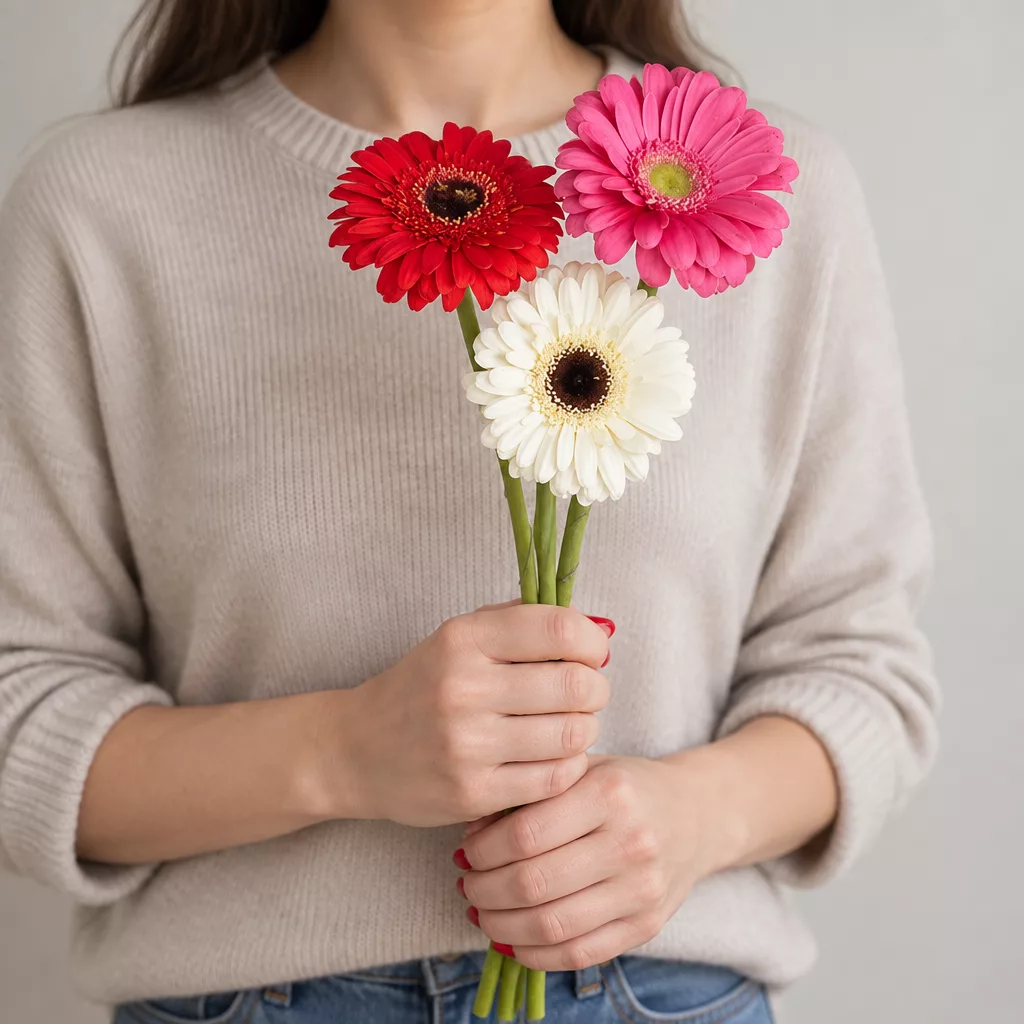
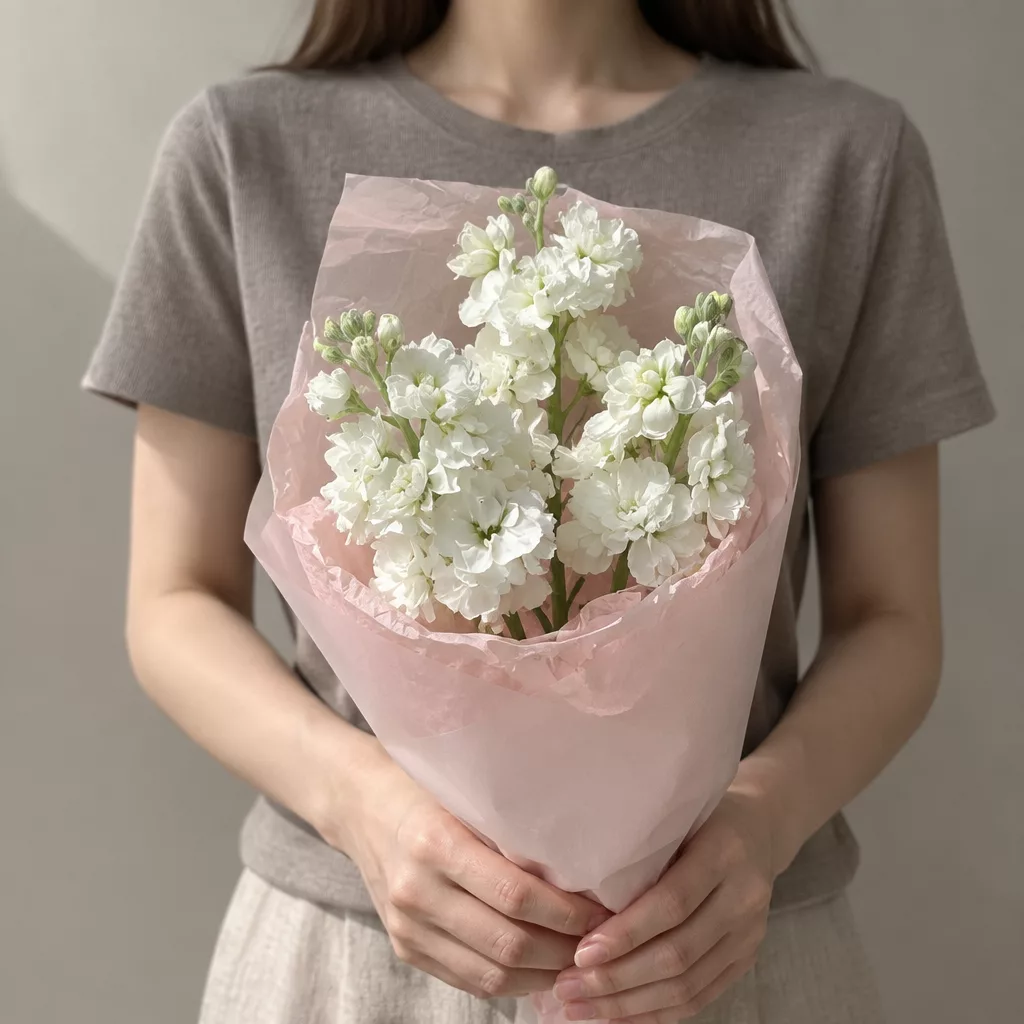
Bouquets we can deliver


Using a Phone Number as Your Starting Point
A mobile phone number is often the single most useful piece of information you can provide, and in many cases it is sufficient on its own. When you place an order and include the recipient's Russian mobile number, the delivery team can call or message the recipient directly to confirm where they are and arrange a handover point. This is standard practice and recipients rarely find it intrusive — in Russia, receiving a call from a courier asking 'where shall I bring your flowers?' is a pleasant surprise, not an inconvenience.
If you want the delivery to be a surprise, there is a way to manage this. You can ask the florist to call the recipient under the pretext of confirming a package or a small parcel, without mentioning flowers specifically. The recipient gives their location, the courier arrives, and the surprise is preserved. It takes a little coordination, but florists who handle this regularly know exactly how to phrase the call.
One practical note: Russian mobile numbers begin with +7 and are ten digits after the country code. If you have a number written without the country code, it almost certainly starts with 8 inside Russia, which converts to +7 when dialling internationally. Double-check the format before submitting your order, because an incorrect digit means the courier cannot reach the recipient at all. WhatsApp and Telegram are both widely used in Russia, so messaging rather than calling is also a valid option if the recipient is more reachable that way. Mention this preference when you place the order.
Delivering to a Workplace: Office Buildings, Business Centres, and Large Campuses
A workplace address is often easier to work with than a home address, because office buildings are fixed, publicly listed, and usually staffed with a reception desk that can accept deliveries. If you know the company name and the city, that is frequently enough. Large business centres in Saint Petersburg and Moscow — think multi-tower complexes with several entrances — do require a little more detail, but a company name combined with a floor number or department name usually gets the bouquet to the right desk.
The timing of a workplace delivery matters more than people realise. Most Russian offices operate Monday to Friday, roughly from nine in the morning to six in the evening, with a lunch break between one and two. Ordering a delivery for midday on a Tuesday, for example, maximises the chance that your recipient is at their desk, colleagues are around to witness the moment, and the reception team is fully staffed to assist the courier. Avoid ordering for late Friday afternoon — people often leave early, and a wilting bouquet left at an unmanned reception over the weekend is nobody's idea of a gift.
For the flowers themselves, a workplace delivery calls for something that travels well and looks composed rather than theatrical. A structured arrangement of garden roses, lisianthus, and eucalyptus holds its shape during transit and sits beautifully on a desk without overwhelming a small office space. Avoid very tall or very wide designs that are awkward to carry through a lobby. A neat round bouquet or a compact box arrangement is practical, elegant, and easy for the recipient to transport home at the end of the day.
When You Only Know the Neighbourhood or a Nearby Landmark
Neighbourhoods and landmarks are genuinely useful, especially in cities where the florist's delivery team knows the streets well. If your recipient tells you they live 'near Nevsky Prospekt' or 'in the Petrogradsky district,' that narrows the delivery zone considerably. Combined with a phone number, this is enough for a courier to arrange a meeting point — a building entrance, a nearby café, or simply the street corner the recipient names when called.
In smaller Russian cities, landmark-based navigation is even more reliable, because the city centre is compact and everyone knows the key reference points. In larger cities like Saint Petersburg or Moscow, a neighbourhood alone without a phone number is too vague, but it still helps the florist assign the right courier zone and give you an accurate delivery window.
Metro stations are particularly useful landmarks. Russia's metro systems are extensive, the station names are well known, and most residents can describe their home or office in relation to the nearest station within thirty seconds. If your recipient has mentioned a metro station in conversation, note it down — it is exactly the kind of detail that helps a delivery team.
One thing to avoid: do not guess at a street address and submit something approximate. A slightly wrong building number in a Russian address can mean an entirely different building, because Russian streets often number buildings non-sequentially, with even numbers on one side and odd on the other, and with separate numbering for different housing blocks. It is always better to say 'near Vladimirskaya metro, please call to confirm' than to submit a plausible-sounding but incorrect address.
Choosing Flowers That Survive the Handover Process
When the delivery involves a phone call, a meeting point, or a slightly longer route than usual, the flowers need to be resilient enough to look beautiful at the moment of arrival regardless of small delays. This is where variety choice becomes genuinely practical rather than purely aesthetic.
Roses are the obvious choice and for good reason — a well-conditioned rose stem can hold its form for hours out of water, especially in cooler temperatures. In Russia, indoor temperatures vary enormously by season: in winter, heated apartments can reach twenty-four or twenty-five degrees Celsius, which accelerates wilting, while summer deliveries in a cool courier bag stay fresh for longer. If you are ordering in winter, ask for a water-source packaging option, where stems are wrapped with a damp material to extend freshness during transit.
Chrysanthemums and alstroemeria are among the most durable cut flowers available and are widely grown and sold across Russia. They are not the most romantic-sounding names, but a well-arranged mixed bouquet featuring alstroemeria in peach or white alongside garden roses looks generous and considered. Avoid delicate flowers like sweet peas, anemones, or ranunculus for situations where the handover might involve waiting — these varieties are beautiful but sensitive to temperature swings and handling.
Spray carnations, despite an unfair reputation in some markets, are extremely long-lasting and are genuinely popular in Russia as part of mixed arrangements. If your florist includes them alongside premium varieties, do not worry — the recipient will appreciate the fullness of the bouquet and the longevity it brings to the arrangement once placed in a vase at home.
What to Write on the Card When the Situation Is Unusual
The card message carries more weight when the delivery circumstances are slightly unconventional. If your recipient is going to receive a phone call from a courier before the flowers arrive, or if they are meeting the delivery at a lobby rather than having it brought to their door, the card is the moment that explains everything and makes it feel intentional rather than logistically complicated.
Keep the message warm and direct. In Russian culture, a heartfelt and sincere message is valued over something witty or abstract. You do not need to write in Russian — a message in English from an international sender is entirely appropriate and often makes the gesture feel more personal and considered. The florist can transliterate your message if needed, or include it exactly as written.
If the delivery is a surprise and you have arranged for the courier to call under a neutral pretext, the card is where the reveal happens. Something like 'I wanted to make sure these reached you, wherever you are today' acknowledges the effort without over-explaining it. Avoid writing anything that references the logistical workaround on the card — the recipient does not need to know the details, and the moment should feel seamless.
For professional occasions — a colleague's promotion, a client thank-you, a business milestone — keep the card brief and gracious. One or two sentences are enough. For personal occasions, you have more room to be specific: name the reason, reference something shared between you, and let the flowers do the rest of the emotional work. A card that says something real is always better than a card that says something generic.
Confirming the Order and Tracking What Happens Next
Once you have placed your order with whatever address information you have, the most important thing you can do is stay reachable. If the delivery team needs to reach you to clarify a detail, confirm a meeting point, or let you know the recipient was not available on the first attempt, they need a way to contact you quickly. Provide a phone number or messaging contact that works across time zones if you are ordering from abroad.
Ask for a delivery confirmation when you place the order. A good flower delivery service will notify you when the bouquet has been handed over, which gives you peace of mind and also tells you the right moment to send a message to your recipient if the delivery was meant to be a surprise. Knowing that the flowers have arrived lets you time your own message perfectly.
If the recipient is genuinely unreachable — their phone is off, they have moved without telling anyone, or the workplace address turns out to be incorrect — a professional florist will contact you before making any decisions about the order. They will not simply leave flowers at a wrong door or return them without explanation. Understanding this process in advance helps you feel confident placing an order even with incomplete information.
Finally, if you are sending flowers to Russia for the first time, consider ordering a day ahead rather than same-day. This gives the delivery team time to confirm details, prepare the arrangement properly, and schedule the courier run at the optimal moment. Same-day delivery is absolutely possible and is one of the strengths of a city-based florist — but a little planning makes the whole experience smoother for everyone involved.
Sending flowers to someone in Russia without a complete address is not an obstacle — it is simply a different kind of coordination, and one that a florist who knows the city handles regularly. A phone number, a workplace name, or even a neighbourhood combined with a willingness to communicate openly is enough to make something beautiful happen. The recipient will not remember that the logistics were complicated. They will remember the flowers, the card, and the fact that someone took the trouble to reach them wherever they were. We deliver bouquets across Russia in 1–2 hours.
Frequently asked questions
Can I order flowers for delivery in Russia if I live outside the country?
Yes, entirely. You can place an order online from anywhere in the world. Provide the recipient's phone number and whatever location details you have, and the delivery team will coordinate directly with the recipient if needed. Payment is handled online, and you will receive confirmation once the flowers are delivered.
What if the recipient does not answer when the courier calls?
The courier will attempt contact more than once and will also reach out to you as the sender. Together you can decide whether to try a second delivery window, arrange a different meeting point, or leave the bouquet with a named colleague or neighbour. The florist will not make that decision without consulting you first.
Is it appropriate to send flowers to a Russian workplace?
Absolutely. Flowers delivered to an office are well received in Russian professional culture, particularly for birthdays, promotions, and Women's Day on the eighth of March. A neat, medium-sized bouquet is ideal — something the recipient can carry home comfortably and that does not overwhelm a shared workspace.
How long will the flowers last once the recipient receives them?
Roses and chrysanthemums typically last seven to ten days in a vase with fresh water changed every two days. Alstroemeria can last up to two weeks. Cutting the stems at an angle before placing them in water and keeping the vase away from direct heat sources significantly extends the life of any arrangement.
Can I keep the delivery a surprise if the courier needs to call the recipient?
Yes. When placing your order, specify that you want the delivery to be a surprise. The courier can contact the recipient under a neutral pretext — confirming a delivery without naming flowers — to get their location. The reveal happens when the bouquet arrives. This approach works well and is a routine part of surprise deliveries.
Ready to send flowers?
Pick the city, choose the bouquet, and a local florist takes it from there.
Choose a city →