Ordering Peonies in Russia: Timing, Bud Stage, and Real Expectations
Peonies are the flower people wait for all year. They appear in Russian markets for a narrow window, smell unlike anything else, and then they are gone. If you have ever tried to order them in March and been quietly disappointed, or received a bouquet that never fully opened, this article is for you. A working florist can save you from both mistakes.
The Russian Peony Season Is Shorter Than You Think
In Russia, fresh garden peonies grown domestically are available for roughly six to eight weeks, typically from late May through the first half of July. The exact dates shift by a week or two depending on the year and the weather that spring. A warm April pushes the season earlier; a cold, wet May delays it. Outside that window, what you find in flower shops comes from Dutch or Ecuadorian growers and has traveled far before it reaches a vase.
Imported peonies are available almost year-round, but they behave differently. They are cut earlier for long transport, arrive in tighter bud, and often have a lighter fragrance than locally grown stems. This is not a flaw exactly, but it is worth knowing before you order in January expecting the lush, fragrant bloom of a June garden.
The domestic season matters most in cities like Saint Petersburg, where local growers in the Leningrad region and neighboring areas supply florists directly. That supply chain is short, which means flowers cut in the morning can be in a recipient's hands the same afternoon. For peonies specifically, that freshness gap between field and vase is one of the biggest factors in how long the bouquet will last and how fully the blooms will open.
If you are planning a gift around peonies, late May to late June is the sweet spot. That is when variety is widest, quality is highest, and the scent is at its most generous.
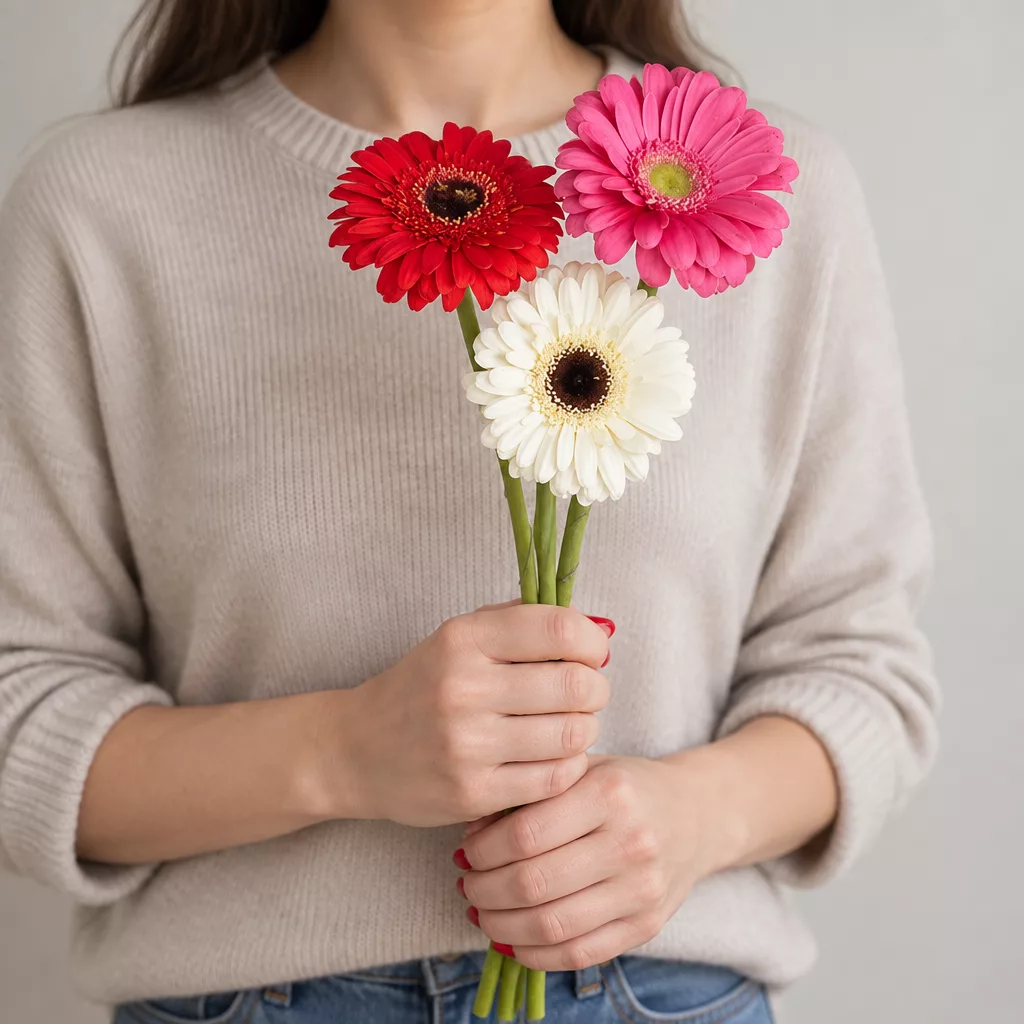
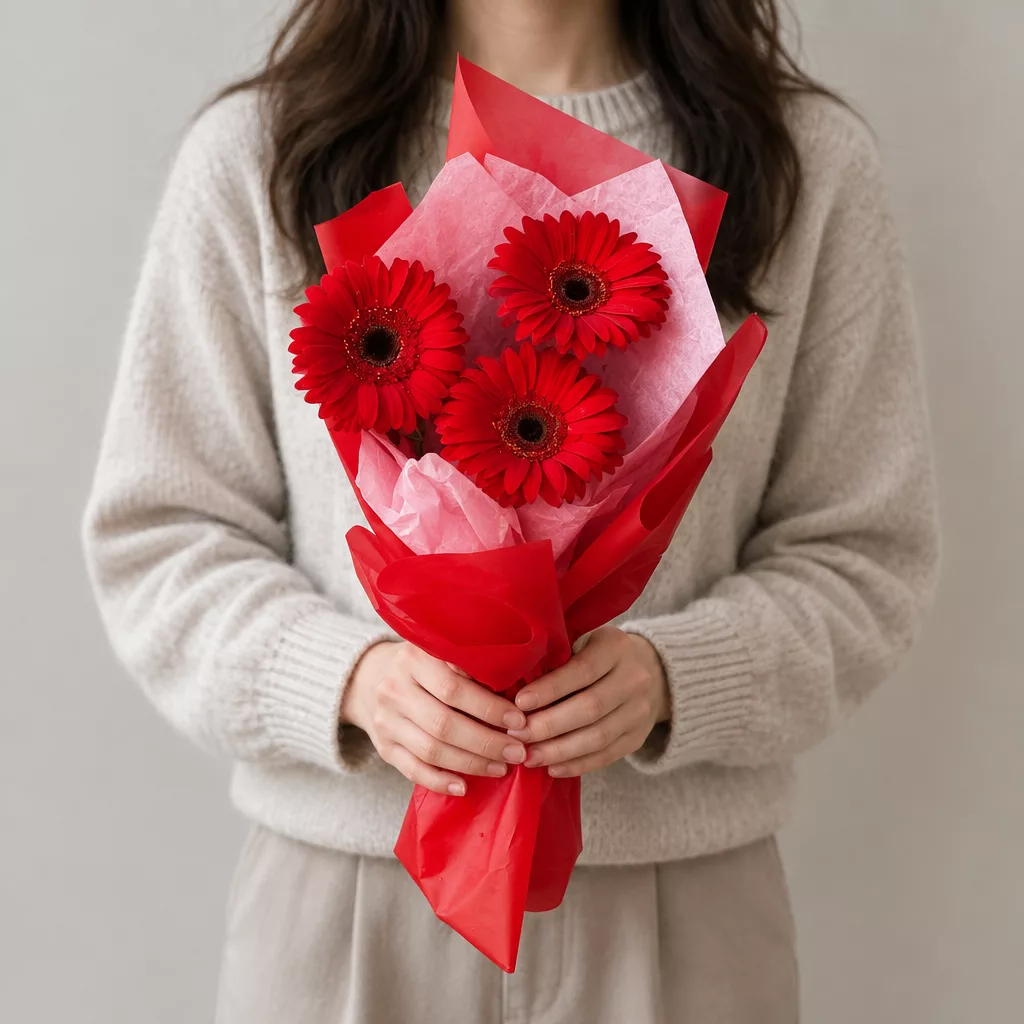
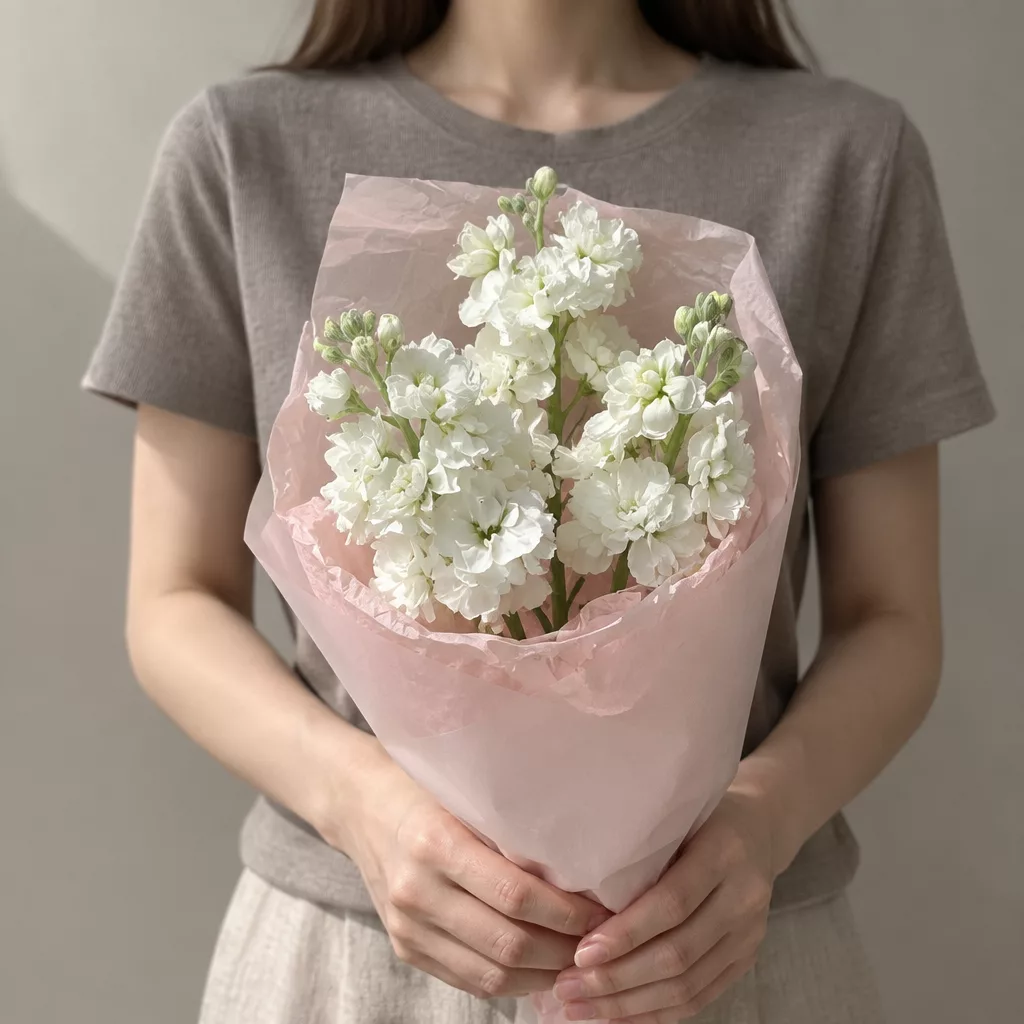
Bouquets we can deliver

Bud Stage: The Detail That Changes Everything
Peonies are almost always delivered in bud rather than in full bloom, and this is intentional. A fully open peony is at the end of its vase life, not the beginning. When a florist selects stems, they are looking for buds that feel like a soft marshmallow when gently pressed — firm enough to survive transport, soft enough to open within one to two days at room temperature.
A bud that is too hard, still feeling like a grape or a marble, may never open properly. This happens when flowers are cut very early or have been cold-stored for too long. The bloom stalls, the petals stay locked, and the recipient is left with a tight green ball that gradually browns at the edges. It is one of the most common disappointments with peonies ordered from shops that rely on long cold-chain logistics.
A bud that is too soft, already showing color and beginning to unfurl at the tips, will open within hours and be spent in two or three days. For a same-day gift this can still be beautiful, but it is not what most people want when they are paying for a meaningful bouquet.
At Turboflora, selecting the right bud stage is treated as carefully as selecting the variety. For a delivery arriving in the evening, a slightly softer bud is chosen so the recipient wakes up to open blooms. For a morning delivery, a firmer bud gives the flowers room to travel and still perform. Asking your florist about bud stage is always a reasonable question, and any good florist should be able to answer it specifically.
Varieties Worth Knowing Before You Choose
You do not need to memorize a catalogue to order well, but knowing a few names helps you describe what you actually want. Sarah Bernhardt is probably the most recognized peony in Russian flower shops: a deep rose-pink double bloom with a classic round shape and strong fragrance. It is reliable, widely available during the season, and ages gracefully in the vase.
Duches de Nemours is the white option most florists carry. It opens to a cream-white with a faint lemon center and has a lighter, sweeter scent than the pink varieties. It works beautifully in mixed bouquets where you want softness without the dominant pink tone.
Alexander Fleming is a warmer, more saturated pink, almost coral in certain light, with very large heads. It photographs dramatically and suits bolder, more celebratory arrangements. Bowl of Cream is another white variety with a fuller, more ruffled petal structure, giving it a more romantic and layered appearance than Duchess de Nemours.
For coral and peach tones, Coral Charm is the variety most florists reach for. It is unusual because it actually changes color as it opens, starting deep coral and fading to a soft apricot. That shift makes it interesting over several days rather than static.
When speaking to a florist, describing the color tone and the mood of the occasion is more useful than trying to name a variety. Saying you want something soft and romantic in blush pink, or bold and celebratory in deep rose, gives a working florist everything they need to choose the best available stem that day.
Choosing a Peony Bouquet for the Occasion
Peonies carry a particular emotional register. They read as generous, romantic, and celebratory without being formal or stiff. This makes them well suited to birthdays, anniversaries, graduations, and the kind of thank-you that needs to feel genuinely warm rather than politely correct.
For a birthday, a monobouquet of seven or nine stems in a single variety has a clean, confident look that works in almost any interior. Odd numbers are traditional in Russia for living recipients, and this is a custom worth following if your recipient is Russian or if the bouquet will be received in a Russian household. Even numbers are associated with mourning in Russian tradition, so florists here count carefully.
For an anniversary or a romantic occasion, combining peonies with garden roses in a complementary tone creates something richer than either flower alone. Blush peonies with ivory garden roses and a few stems of eucalyptus or ruscus is a combination that photographs beautifully and smells extraordinary. The greenery also helps the peonies last longer by filling the vase and reducing the stems' competition for water.
For a new baby or a housewarming, softer tones work better than saturated ones. Pale pink or white peonies with soft foliage feel welcoming rather than dramatic. Avoid very heavy, fully open blooms for a new home delivery, as they travel less well and may arrive bruised.
For a corporate gift or a thank-you to a colleague, a wrapped bouquet of five to seven stems in a neutral tone — white, cream, or soft blush — is appropriate without being overly intimate.
What a Peony Bouquet Realistically Costs in Russia
Peony pricing in Russia follows a clear seasonal logic. During the domestic season, from late May through June, prices are at their most accessible because supply is high and transport costs are low. A bouquet of seven stems from local growers costs noticeably less than the same arrangement assembled from imported Dutch stems in February.
Outside the season, prices rise significantly. Imported peonies travel refrigerated from the Netherlands or South America, and that logistics cost is reflected in what you pay at the shop. A single stem in January can cost two to three times what the same variety costs in June. This is not a markup for its own sake; it is the real cost of getting a cold-sensitive, short-lived flower across a long supply chain in good condition.
Bouquet size also affects price in ways that are worth understanding. The stem count matters, but so does the size of the blooms. Peonies with very large heads, like Alexander Fleming, are priced higher per stem than more compact varieties because the plant produces fewer of them. When a florist quotes you a price, asking whether it reflects the variety and stem count is reasonable.
Wrapping and presentation add cost but also add value. A bouquet in kraft paper with a ribbon looks different from the same flowers in a hat box or a round vase arrangement. For a delivery, the packaging needs to protect the blooms during transit, so a good florist will always factor that into the design rather than using whatever is cheapest.
Budget honestly with your florist and they will build the best possible arrangement within your range. Peonies are generous flowers; even a modest bouquet of five stems makes a strong impression.
Care Instructions That Actually Make a Difference
Peonies are not difficult to care for, but they have a few specific needs that most care cards do not explain well. The first is water temperature. Peonies open faster in warm water and slower in cold. If you want the blooms to open quickly for a same-day event, place the stems in water at room temperature in a warm room. If you want them to last as long as possible, cool water in a cooler room slows the process.
The second is stem cutting. Peonies should be cut at an angle under running water or while submerged, then placed in the vase immediately. Cutting at an angle increases the surface area that absorbs water. Cutting in air allows a tiny air bubble to form in the stem, which blocks water uptake. This single step makes a measurable difference in vase life.
Leaf removal matters more with peonies than with most flowers. Any leaf that sits below the waterline will rot within a day or two, and that bacterial growth spreads to the stems and shortens the life of the whole bouquet. Strip all leaves from the lower half of each stem before placing them in the vase.
Peonies are sensitive to ethylene gas, which is produced by ripening fruit. Keeping a peony bouquet next to a fruit bowl will shorten its life noticeably. This is a detail most people never hear until after a bouquet has faded faster than expected.
With correct care, domestic-season peonies in the right bud stage will last seven to ten days in the vase. Imported stems in tight bud can also reach seven days with attentive care. Change the water every two days and recut the stems each time.
Ordering Peonies for Delivery Across Russia: What to Plan For
Peony delivery across a large country introduces variables that a local purchase does not. The main one is temperature. Peonies are cold-sensitive in a specific way: they need to be kept cool during transport to prevent premature opening, but they cannot be frozen, and they cannot travel in a hot vehicle without damage. A delivery that sits in a warm car for two hours on a July afternoon can arrive with blooms that have jumped two stages of openness.
Turboflora delivers within Saint Petersburg within one to two hours, which keeps that exposure window short. For deliveries to other Russian cities, the logistics are planned around the flower's condition, not just the recipient's schedule. This means the bud stage selected for a cross-city delivery is intentionally firmer than for a local one, giving the flower the margin it needs to arrive well and still open beautifully.
Timing your order matters for peonies more than for most flowers. Ordering in the morning for an afternoon delivery gives the florist time to select the right stems, prepare the arrangement properly, and dispatch it during the cooler part of the day. Last-minute evening orders are fulfilled, but the florist's options for stem selection are narrower.
If the recipient lives in a building without a doorman and may not be home, communicate this when ordering. Peonies left in a warm hallway or on a doorstep for an hour in summer will not be at their best. Scheduling delivery for a time when the recipient is present is always the better choice with these flowers.
Ask about the expected bud stage at delivery. A florist who can answer that question specifically is one who has thought carefully about the flower's journey, not just its appearance in the shop.
Peonies reward a little planning. Know the season, understand bud stage, pick the right occasion, and give the recipient the care instructions along with the bouquet. When all of that comes together, a peony arrangement is one of the most generous and memorable gifts you can send. The window is short, which is part of what makes it worth getting right.
Frequently asked questions
Can I order peonies from Turboflora outside the Russian summer season?
Yes. Imported peonies from the Netherlands and other growing regions are available almost year-round. They travel in tight bud and have a lighter fragrance than domestic summer stems, but they open well with proper care. Expect higher prices outside the May-to-July domestic season due to longer transport and refrigeration costs.
Why did my peony bouquet never fully open?
The most common reason is a bud that was cut too early or cold-stored for too long before delivery. A bud that feels hard like a marble when pressed may not open. Placing the stems in warm water in a warm room can help, but very tight buds sometimes stall. This is why bud stage selection at the time of cutting matters so much.
Is it true that even numbers of flowers are inappropriate for a gift in Russia?
Yes, this is a widely observed custom in Russia. Even numbers of flowers are traditionally associated with mourning and are brought to funerals. For a celebratory gift to a living recipient, Russian florists always use odd numbers: five, seven, nine, eleven stems. If your recipient is Russian, following this custom shows real thoughtfulness.
How far in advance should I order a peony bouquet for a specific event?
For a same-day delivery in Saint Petersburg, ordering by midday gives the best results in terms of stem selection and delivery timing. For a specific date like an anniversary or birthday, ordering the evening before allows the florist to plan stem count and bud stage precisely. During peak season, demand is high and earlier orders are always safer.
Do peonies travel well in hot summer weather during delivery?
They can, if the delivery window is short and the vehicle is climate-controlled. Turboflora delivers within one to two hours in Saint Petersburg, which limits heat exposure significantly. For summer deliveries, we select slightly firmer buds to give the flower a buffer. Scheduling delivery for a time when the recipient is home prevents the bouquet sitting in heat after arrival.
Ready to send flowers?
Pick the city, choose the bouquet, and a local florist takes it from there.
Choose a city →