Do I Get a Photo of the Bouquet Before It Is Delivered?
You have placed an order, chosen the flowers, written the card message, and now you are waiting. One question keeps surfacing: will you actually see what the bouquet looks like before it lands on your recipient's doorstep? It is a completely fair thing to wonder, especially when you are sending flowers to someone important and you cannot be in the shop yourself. Here is exactly what happens at Turboflora from the moment your order is confirmed to the moment the courier leaves.
Why Senders Ask for a Photo in the First Place
Ordering flowers remotely is an act of trust. You are describing what you want — perhaps a soft, romantic arrangement with garden roses and eucalyptus, or something bold and architectural with anthuriums and tropical foliage — and then you are handing the creative work over to someone else entirely. That distance is what makes the photo question so natural.
For many people sending flowers across Russia, the recipient is in another city and the sender has no way to check in person. The photo becomes a small but meaningful reassurance: yes, it looks the way I imagined, yes it is full and fresh, yes the colours are right for her taste. It is not about distrust of the florist — it is about wanting to feel connected to the gesture even from far away.
There is also a practical side. If you ordered blush pink ranunculus and the shop has substituted deep burgundy ones because the blush variety ran out that morning, you would want to know before the bouquet is delivered rather than after. A photo creates the moment where that conversation can happen. It keeps you involved in something that, emotionally, matters quite a lot to you.
Bouquets we can deliver

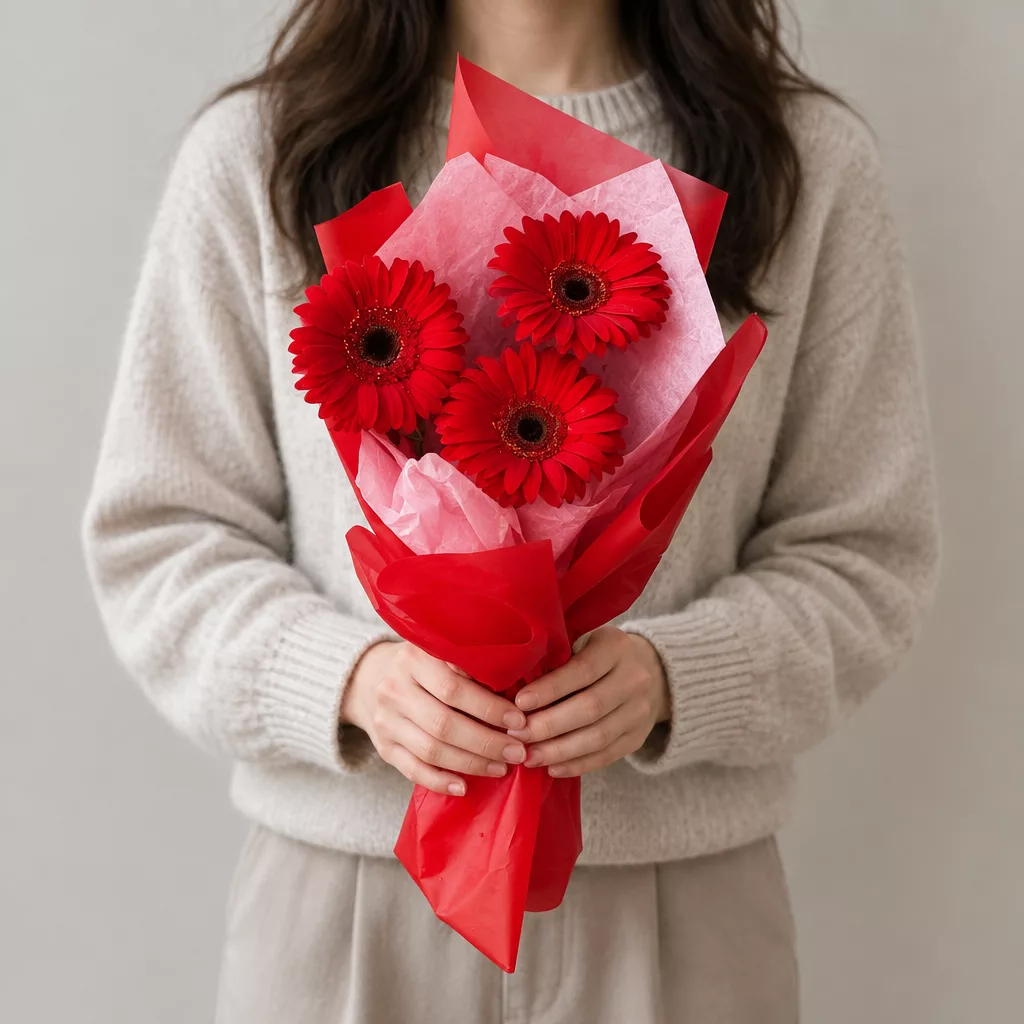
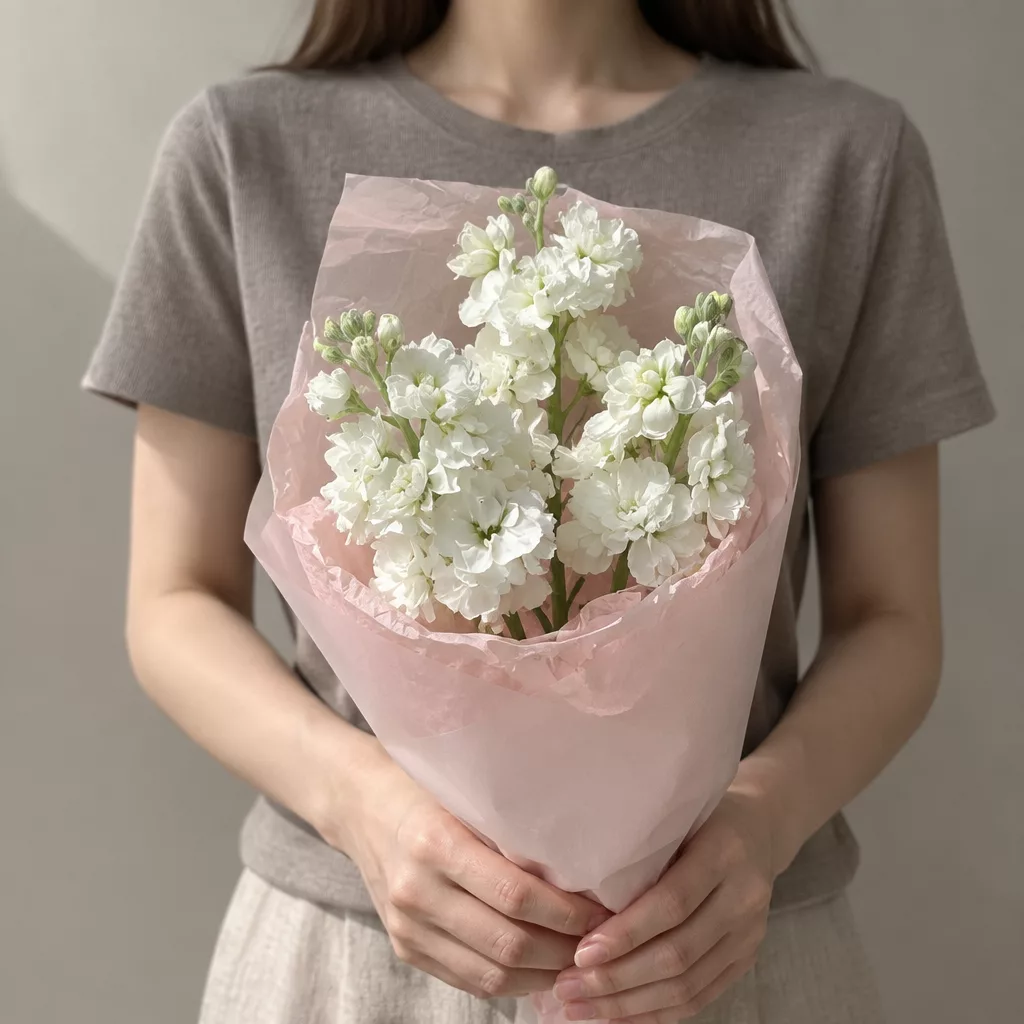
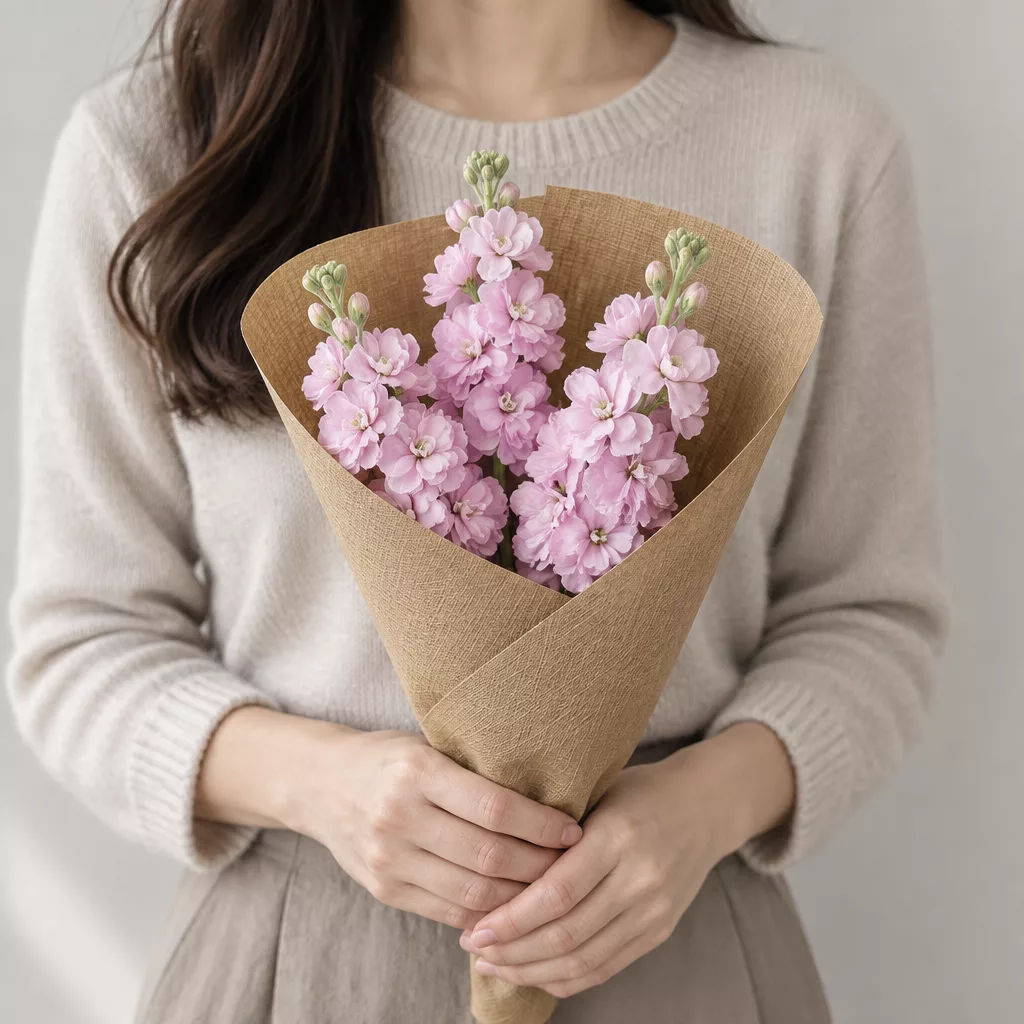
What Turboflora Does as Standard Practice
Turboflora sends a photo of the assembled bouquet to the sender after it has been put together and before the courier departs. This is the standard step in our process, not an optional extra you need to request separately. Once the florist finishes the arrangement, the photo is taken in good light and sent directly to the contact number or messenger you provided when placing the order.
The timing matters here. Saint Petersburg florists work in a cooled environment — the workroom is kept between fourteen and sixteen degrees Celsius to slow the opening of blooms — so the flowers you see in the photo are in the same condition they will be when the courier arrives at the door. You are not looking at an idealized studio image taken days earlier. You are looking at the actual bouquet, assembled that morning or afternoon for your specific order.
This is also why we ask for a working phone number or an active messaging app at checkout. If we cannot reach you with the photo and a substitution is needed, we have to make a judgment call without your input. Providing a number you actually check means the photo reaches you quickly, you can approve or raise a concern, and the courier can leave on time. The whole loop — assembly, photo, confirmation, dispatch — typically takes no more than ten to fifteen minutes.
When the Photo Arrives and What to Look For
The photo usually reaches you within the first half of your chosen delivery window. If you have asked for delivery between two and four in the afternoon, the bouquet is assembled so the courier can depart by two, which means the photo arrives to you around that time or just before. Rush orders work on a tighter schedule, so the photo may come only a few minutes before dispatch — there is simply less buffer in a one-hour delivery.
When you receive the image, look at the overall shape and volume first. A well-made bouquet should have a rounded or slightly domed profile with no bare stems visible at the front. Then check the colours — do they match what you had in mind? Roses should be in tight or half-open bud form, not fully blown. Lisianthus petals should be upright and papery-fresh. If anything looks wilted or the palette is noticeably different from what you ordered, that is the moment to say so.
You do not need to be a florist to give useful feedback. Simple language works perfectly: the flowers look too open, the pink is darker than I expected, can you add more greenery. Our florists read these messages between tasks and can adjust quickly if the courier has not yet left. Once the courier is on the road, the arrangement is fixed, which is why responding to the photo promptly is genuinely helpful rather than just a courtesy.
Substitutions and How They Are Communicated
Fresh flowers are a living, seasonal product, and even with careful stock planning, a variety can sell out or arrive from the grower in poor condition on any given day. When that happens, the florist makes a substitution — choosing something with a similar character, colour, and price point. Spray roses stand in for garden roses when garden roses are unavailable. White alstroemeria can fill the role of white freesia in a mixed bouquet. The result is almost always beautiful, but it is different from what you chose.
The photo is the moment when substitutions become visible to you. Rather than discovering at delivery that the pale peach tulips you selected are now coral ones, you see it in the photo and can decide whether you are happy with the change. In most cases, senders are pleased because the florist has matched the mood of the original choice even if the exact variety differs. Occasionally someone has a strong preference — perhaps the recipient specifically loves tulips and roses would feel wrong — and that feedback can still be acted on before dispatch.
If a substitution is significant enough that we think it changes the feel of the arrangement meaningfully, our florists will note it in the message that accompanies the photo rather than sending the image without context. You should not have to guess why the bouquet looks different from your order. Clear communication at this stage is what makes the whole experience feel considered rather than rushed.
Sending Flowers as a Surprise Without Spoiling It
One concern that comes up regularly is this: if I am the one receiving the photo, does that mean the recipient might see it too? The answer is no. The photo goes to the sender's contact — the person who placed and paid for the order — not to the delivery address or the recipient's details. The recipient receives the flowers and the card. They do not receive a preview.
For senders who want the arrival to be a complete surprise, this setup works well. You see the bouquet, you know it looks right, and the recipient's first encounter with the flowers is the moment the courier knocks. That first impression — the scent of fresh stems, the tissue and ribbon, the handwritten card — is entirely intact.
Where things can go slightly wrong is when the sender and the recipient share a phone or a messaging app, or when the sender accidentally forwards the photo before delivery. If you are ordering for someone in the same household, it is worth thinking about which contact details you use at checkout. A secondary number or an email address that only you check will keep the surprise clean. We cannot control what happens to the image once it reaches you, but we can make sure it only goes to the right person in the first place. The photo is yours to keep, share after delivery, or use however you like once the flowers have arrived.
What Happens If You Miss the Photo Message
Life is busy, and not everyone is watching their phone during the delivery window. If the photo arrives and you do not respond within a short window, the courier will still depart. We cannot hold a bouquet indefinitely — flowers are sensitive to temperature swings, and a delay of thirty or forty minutes in a warm corridor or a delivery vehicle can cause buds to open faster than they should. Roses in particular are prone to this: a bud that is tight and elegant at sixteen degrees can be half-open within an hour at room temperature.
If you miss the message and later have a question about the arrangement, you can reach the team and we will have a record of the photo that was sent. We do not delete these images immediately, so there is a reference point if any concern arises after delivery.
The most practical thing you can do when placing an order is to note the delivery window in your calendar and keep an eye on your messages around that time. It sounds small, but it is the difference between being an active part of the process and finding out after the fact. If you know you will be unavailable — in a meeting, on a flight — it is worth mentioning that when you order so we can adjust the timing of assembly and dispatch to a window when you can actually respond. We would rather wait an hour and have you engaged than send a photo into silence.
After Delivery: Care That Extends What You Sent
The photo you received showed the bouquet at its peak moment — fully assembled, freshly cut stems, cooled and hydrated. What the recipient does in the first hour after delivery determines how long that peak lasts. Sharing a few care tips when you send the flowers is a genuinely kind addition to the gift, and it does not require any expertise.
Fresh-cut stems should go into a clean vase with cool water as soon as the wrapping comes off. The stems need a diagonal cut — about two centimetres from the bottom — before they go in. This opens more surface area for water uptake and makes a real difference to vase life. Roses, lisianthus, and chrysanthemums all respond well to this. Tulips are the exception: they continue to grow after cutting and will curve toward light, which is actually charming rather than a problem.
Keep the vase away from direct sunlight, radiators, and fruit bowls. Ripening fruit releases ethylene gas, which accelerates petal drop in roses and carnations noticeably. Change the water every two days and recut the stems at the same time. Under these conditions, a mixed seasonal bouquet will look genuinely beautiful for five to seven days, and some flowers — alstroemeria, chrysanthemums, statice — will last considerably longer. The photo you approved before dispatch is the starting point. Good care at home is what carries that beauty forward.
The photo before delivery is not a small administrative detail — it is the moment where you, as the sender, get to see the thing you created for someone else. It closes the gap between placing an order and knowing that what arrives will feel right. At Turboflora, that step is built into every order because we understand that the flowers represent something, and you deserve to see them before they do.
Frequently asked questions
Is the bouquet photo sent automatically or do I need to request it?
It is sent automatically as part of every order. Once the florist finishes assembling your arrangement, a photo is taken and sent to the contact number or messaging app you provided at checkout. You do not need to ask for it separately or add a note to your order.
What if I want to make a change after seeing the photo?
If the courier has not yet departed, changes are possible. Send a message back quickly describing what you would like adjusted — more greenery, a different ribbon colour, a concern about a specific flower. The florist will assess what is feasible within the remaining time before dispatch and respond accordingly. Once the courier is on the road, the arrangement cannot be altered.
Will the recipient see the bouquet photo before it arrives?
No. The photo goes only to the sender — the person who placed the order. The recipient receives the flowers and card at the door. The only situation where a recipient might see the photo early is if the sender chooses to forward it, which is entirely the sender's decision to make.
How long before delivery does the photo arrive?
Usually at the start of your chosen delivery window or just before the courier departs. For standard deliveries this gives you a comfortable few minutes to review. For rush orders the window is tighter, so the photo may arrive only shortly before dispatch. Keeping your phone nearby during the delivery window helps you respond in time.
What if the flowers in the photo look different from what I ordered?
This usually means a substitution was made because a variety was unavailable that day. The florist will typically note this in the message alongside the photo. If the change does not suit you, respond immediately — before the courier leaves — and we will do our best to adjust. Substitutions are always made with the spirit of your original choice in mind.
Ready to send flowers?
Pick the city, choose the bouquet, and a local florist takes it from there.
Choose a city →