What Flowers Do Russian Brides Carry? A Bouquet Style Guide
A Russian wedding bouquet is not just decoration — it is the one thing every guest photographs, every bridesmaid envies, and every bride remembers holding when she closed her eyes at the altar. Styles have shifted dramatically over the past decade, moving away from stiff formal arrangements toward something more personal and alive. Whether you are a bride planning your own look or someone ordering a bridal gift, understanding what is actually carried down the aisle in Russia right now will help you choose something truly meaningful.
Why the Bouquet Matters So Much at a Russian Wedding
In Russian wedding tradition, the bridal bouquet carries a layer of meaning that goes beyond aesthetics. At the end of the reception, the bride tosses her bouquet to unmarried guests — whoever catches it is said to marry next. This custom, borrowed and adapted from Western Europe, is now a fixed part of almost every Russian celebration, which means the bouquet must be designed to survive hours of dancing, toasting, and handling before that final throw.
Beyond the toss, the bouquet is treated as a keepsake. Many Russian brides dry and preserve their flowers after the wedding, so durability matters as much as beauty. Florists here pay close attention to stem conditioning: flowers are cut at an angle, hydrated overnight in cool water at around four to six degrees Celsius, and wrapped only at the last possible moment before the ceremony.
The emotional weight placed on this single arrangement means brides invest real thought into their choice. Color, flower type, shape, and even fragrance are all deliberate decisions. A peony bouquet signals romance and abundance. A tight rose sphere reads as classic and confident. Wildflowers say something entirely different — free, unhurried, countryside-soft. Knowing what each style communicates helps you choose one that actually reflects the person carrying it, not just the trend of the season.
Bouquets we can deliver

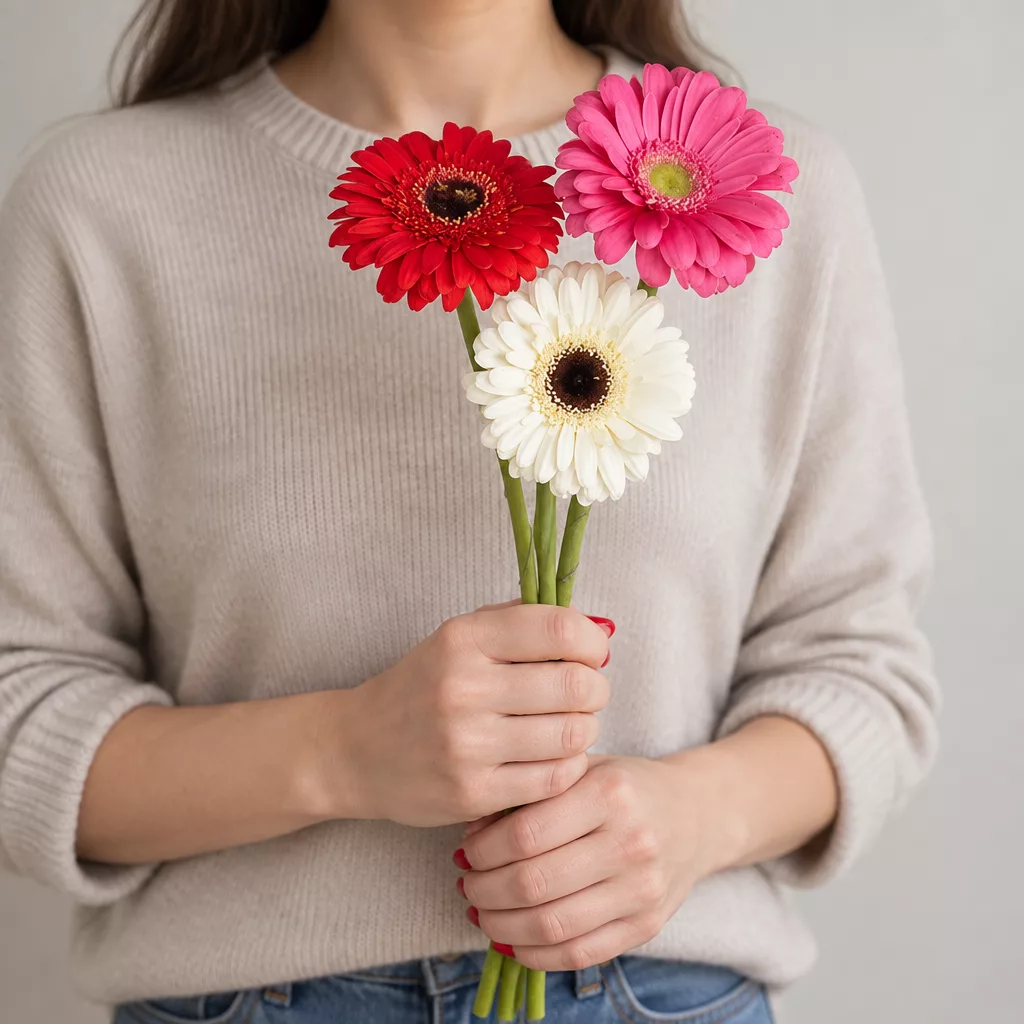

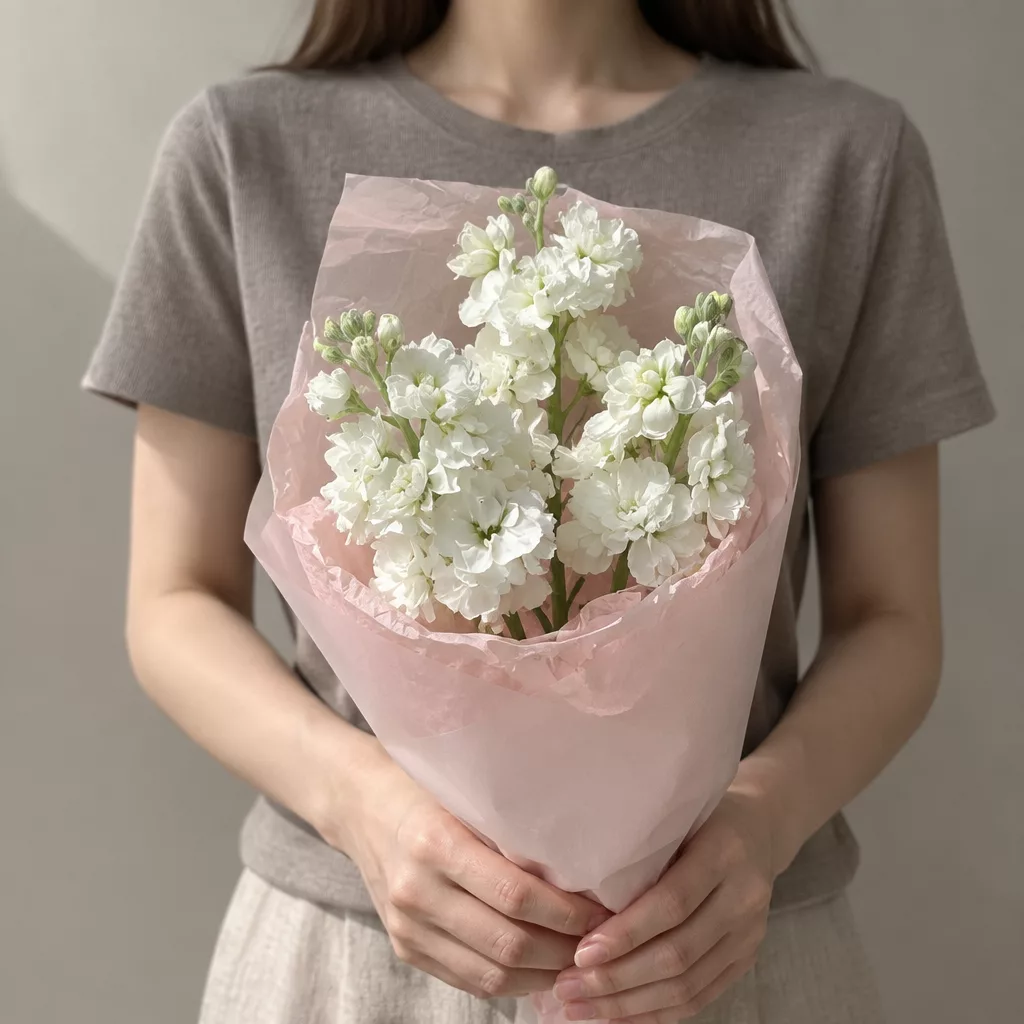
Classic Rose Bouquets: Still the Most Requested Style in Russia
Roses remain the undisputed first choice for Russian brides, and the reasons are practical as much as romantic. Garden roses — varieties like David Austin's Juliet, Keira, and Miranda — have largely replaced the tightly budded hybrid tea roses that dominated Russian weddings in the 1990s and early 2000s. Garden roses open wider, show more petal layers, and photograph with a softness that modern brides prefer.
The most popular color right now is blush — a pale, warm pink that reads as white in some light and dusty rose in others. It works with almost any dress tone and flatters every skin color in photographs. Pure white is still requested frequently, especially for civil ceremony registrations at the ZAGS office, where the setting tends to be more formal. Deep red roses carry strong meaning in Russian culture — passion, devotion, serious commitment — and are more often chosen by brides who want a statement rather than something delicate.
Shape matters enormously with rose bouquets. A tight, domed sphere of uniform blooms reads as formal and structured. A looser, garden-style gathering with roses at different stages of opening — some tight, some fully blown — feels warmer and more intimate. Adding ranunculus in a matching tone between the roses creates depth without changing the overall color story. Eucalyptus or ruscus tucked at the edges gives the arrangement a finished frame without competing with the roses themselves. The typical stem length for a carried bouquet is kept short, around twenty-five to thirty centimeters, so the flowers sit just below the bride's waist.
Peony Bouquets: The Bride Who Wants Something Lush and Memorable
Peonies have a short natural season in Russia — roughly late May through June — which makes them feel genuinely special. A bride who chooses peonies is often someone who planned her wedding date around flower availability, and that kind of intentionality tends to show in every other detail of the celebration too.
The most requested peony varieties for bridal work are Sarah Bernhardt, a classic soft pink with a faint cream center, and Coral Charm, which opens from a deep coral bud to a peachy blush as the day progresses. That color shift is actually something florists account for when advising brides — a Coral Charm bouquet photographed at the ceremony and again at the reception will look noticeably different, which some brides love and others find surprising if they were not told in advance.
Peonies are temperamental in warm weather. Above twenty degrees Celsius, they open fast and can look overblown within a few hours. For summer weddings in Saint Petersburg or southern Russian cities, florists keep peony bouquets refrigerated right up to the moment of delivery and advise brides to hold them loosely rather than gripping the stems, which transfers body heat. A bouquet of fifteen to twenty peony heads, gathered without additional filler, has an almost overwhelming fullness — it is the bouquet that fills an entire frame in photographs. Paired with soft garden roses or sweet peas for texture variation, peonies create an arrangement that feels like a field gathered into your arms.
Wildflower and Meadow-Style Bouquets: The Modern Romantic Look
The wildflower aesthetic arrived in Russian wedding culture around 2018 and has grown steadily since. It appeals to brides who want their wedding to feel less like a formal event and more like a beautiful day spent somewhere lovely. The flowers used are not actually wild — they are cultivated varieties that mimic the loose, unplanned look of a meadow gathering.
Typical components include cosmos, scabiosa, ammi majus, sweet peas, nigella, and lisianthus at various stages of bloom. Lisianthus is particularly useful because it resembles both roses and poppies depending on how open it is, giving florists flexibility when building an arrangement that needs to feel natural but still hold its shape for several hours. Stems are left at varying lengths so the bouquet has movement and irregularity rather than a uniform silhouette.
Color palettes for this style tend toward soft lavender, dusty mauve, warm cream, and sage green — colors that photograph beautifully in outdoor settings and feel cohesive without being matchy. For brides marrying in summer at a country estate or garden venue, this style is almost a default choice now. The one practical note florists always give: wildflower-style bouquets are more fragile than compact rose arrangements. Delicate stems like cosmos and sweet peas bruise easily, so handling should be gentle and the bouquet should spend as much time as possible resting in water right up to the ceremony start.
Color Meanings Russian Brides Actually Think About
Color choice at a Russian wedding is not casual. Guests notice, family members comment, and the color of the bridal bouquet is understood to carry intention. White is the most traditional choice and reads as purity and a fresh beginning — it is the default for very formal or religious ceremonies. Brides marrying in a church almost always carry white or very pale blush.
Pink in its various shades is the most flexible. Pale blush suggests tenderness and femininity without any particular cultural weight. Deeper pinks, moving toward magenta, signal joy and celebration more loudly. Red, as mentioned, is the color of deep love and commitment in Russian tradition — it is bold and understood as a serious declaration. A fully red bouquet is a confident choice that tends to photograph dramatically against a white dress.
Lavender and purple have become popular in recent years, partly because they photograph beautifully and partly because they feel distinctive — not everyone carries them, which appeals to brides who want something personal. Purple is sometimes associated with nobility and admiration. Yellow flowers, which carry mourning associations in some Eastern European cultures, are genuinely avoided by most Russian brides and their florists. If a bride requests yellow, a thoughtful florist will ask whether she is aware of the association, not to discourage her but to make sure the choice is deliberate. Cream and ivory read as warmth and softness — slightly richer than white, often chosen by brides who feel pure white looks too stark against their dress or complexion.
Bouquet Shapes: Round, Cascading, and Hand-Tied Explained
The shape of a bouquet changes how a bride stands, how she holds her hands, and how the arrangement reads in photographs. Russian brides today almost universally prefer one of three silhouettes: the round dome, the loose hand-tied gather, or the cascading waterfall shape, which had a long absence and has recently returned in a softer, more contemporary form.
The round dome is the most structured option. It requires a foam base or careful wiring to keep every bloom at exactly the same height, creating a perfect sphere of flowers. It suits formal venues, structured dresses, and brides who want something architectural and precise. It photographs extremely well from above, which matters now that drone shots and overhead ceremony photographs are standard.
The hand-tied gather is the most natural-looking shape — stems are bound together with ribbon or twine and the flower heads fall at slightly different heights. It suits garden venues, lace dresses, and relaxed ceremony formats. It is also the easiest to hold comfortably for several hours, which practical brides appreciate.
The cascading bouquet has trailing elements — typically orchids, ivy, or hanging amaranthus — that fall below the main body of the arrangement. It was extremely popular in the 1980s and 1990s, then disappeared, and is now returning in a lighter version where the cascade is subtle rather than dramatic. It suits brides in sleek, column-shaped dresses and photographs beautifully in profile. The trailing elements require careful wiring and should be checked for any drooping at least an hour before the ceremony.
Keeping the Bouquet Fresh from Morning to Midnight
A bridal bouquet typically travels from the florist to the bride's home or hotel in the early morning, then spends several hours being photographed, carried through a ceremony, and set aside during a reception that can last well into the night. Russian wedding receptions are long — four to six hours of sitting, dancing, and eating is entirely normal — so bouquet longevity is a genuine concern, not a minor detail.
The single most important thing a bride can do is keep the bouquet in water whenever she is not actively holding it. Most florists provide a small travel vase with the delivery for exactly this reason. Between the photo session and the ceremony, the bouquet should sit in cool water in a shaded spot. Direct sunlight and heat are the fastest ways to wilt flowers, particularly roses and peonies.
For summer weddings, air conditioning in the venue is genuinely helpful — a cool reception hall extends vase life significantly. Brides who plan outdoor ceremonies in July or August should discuss this with their florist, because some flowers simply will not last a full day in high heat regardless of preparation. Hardy options for hot days include spray roses, lisianthus, and chrysanthemums — not the most romantic-sounding list, but varieties like white lisianthus are genuinely beautiful and hold up far better than peonies or sweet peas when temperatures climb above twenty-five degrees.
After the wedding, if the bride wants to dry the bouquet, she should hang it upside down in a dry, dark room within twenty-four hours. Roses and lavender dry particularly well this way and can keep their shape for years.
Choosing a bridal bouquet in Russia is a genuinely personal decision, shaped by tradition, season, venue, and the story a bride wants to tell without words. Whether she carries a tight sphere of blush garden roses, an armful of open peonies, or a loose gather of meadow flowers in dusty lavender, the arrangement should feel like her — not like a trend she found online. The florist's job is to understand that and then build something that will hold its beauty from the morning photographs through to the final dance. If you are ordering a bridal bouquet or a wedding gift delivery anywhere in Russia, give as much detail as you can about the person receiving it: her style, her colors, her venue. The more the florist knows, the closer the flowers will come to exactly right.
Frequently asked questions
What is the most popular bridal bouquet flower in Russia right now?
Garden roses, particularly blush and cream varieties, are the most requested bridal flower in Russia at the moment. Peonies are a close second during their natural season in late May and June. Both flowers photograph beautifully and hold up well across a long Russian wedding reception when properly conditioned and kept in water between uses.
Are yellow flowers really avoided at Russian weddings?
Yes, most Russian brides and their families avoid yellow flowers because they are associated with separation and infidelity in Russian folk tradition. This is a genuine cultural belief that many guests will notice. A florist will usually flag this if yellow is requested, not to refuse but to confirm the choice is intentional. Cream and warm ivory are popular alternatives that give a similar warmth without the association.
How far in advance should a bridal bouquet be ordered?
For a specific variety or color combination, ordering two to four weeks ahead is ideal, especially for peony season or summer weekends when demand is highest. For standard rose or mixed arrangements, several days is usually sufficient. Turboflora delivers fresh bouquets within one to two hours across Russia, but complex bridal arrangements benefit from advance planning to source the exact flowers needed.
Can a bridal bouquet survive a full Russian wedding reception?
Yes, with the right flowers and basic care. The bouquet should rest in water whenever the bride is not holding it. Hardy varieties like spray roses and lisianthus last longer in warm venues. Peonies and sweet peas are more fragile in heat above twenty degrees Celsius. A good florist will recommend varieties suited to the season and venue conditions, not just the ones that look best in photos.
What does a cascading bridal bouquet look like and is it still fashionable?
A cascading bouquet has a main body of flowers with trailing stems — often orchids, hanging amaranthus, or ivy — falling below the arrangement. It was extremely popular in Soviet-era weddings and then disappeared for decades. It has returned in a lighter, more subtle form and suits brides in sleek dresses who want a dramatic profile shot. It requires more careful construction than a hand-tied bouquet and should be checked for drooping before the ceremony.
Ready to send flowers?
Pick the city, choose the bouquet, and a local florist takes it from there.
Choose a city →