Russian Flower Superstitions: What Every Sender Should Know
The best-known Russian flower superstition is about numbers: a living person gets an odd number of stems (1, 3, 5, 7...), while even numbers are reserved for funerals and graves. Beyond that, many Russians still treat yellow flowers as a hint of parting or betrayal, link red carnations to memorials and official ceremonies, and feel uneasy about receiving certain potted plants. None of this is law, but enough people notice that a wrong choice can quietly spoil the moment.
As florists we hear these beliefs every day, often from customers abroad who are sending flowers to a mother, a partner or a colleague in Russia and want to get it right. Below we go through each superstition, explain where it comes from, how seriously people take it today, and what to choose instead so your bouquet says exactly what you mean.
The odd-number rule: the one you should never break
In Russia flowers for the living come in odd numbers, and flowers for the dead come in even numbers. The custom is old and nearly universal: a grandmother in a village and a thirty-year-old manager in Moscow will both count the stems, sometimes without even realising they are doing it. An even bouquet handed over at a birthday is read as a bad omen at best and a tactless joke at worst.
The practical version is simple. One stem, three, five, seven, nine, eleven, fifteen or twenty-five are all safe. Two, four, six or twelve are not. If you are ordering online and choosing a quantity yourself, double-check the number before you pay; it is the single most common mistake made by people who did not grow up in Russia.
There is one widely accepted exception: very large bouquets. Once you pass roughly fifteen stems, most people stop counting, so 50 or 100 roses are generally fine. Still, if the recipient is older or traditional, florists usually round to 51 or 101 anyway. It costs one extra stem and removes any doubt.
Mixed bouquets follow the same logic only loosely. Nobody counts the eucalyptus sprigs or the small spray flowers, but the main flowers, such as the roses or the peonies, should still add up to an odd number. If you want the full guide on counts for birthdays and anniversaries, see our article on birthday flowers in Russia, numbers and superstitions.
Yellow flowers: separation, jealousy or just sunshine?
The second superstition people ask about is yellow. In Soviet and earlier popular culture, yellow flowers were said to mean separation, jealousy or infidelity, and a well-known pop song about yellow tulips as messengers of parting cemented the idea for a whole generation. Many women over fifty will still raise an eyebrow at an all-yellow bouquet from a partner.
Younger Russians mostly see yellow simply as bright and cheerful, and yellow tulips sell very well around 8 March. The risk is not the colour itself but the context: a bouquet of only yellow roses from a husband after an argument may be read as a message. From a friend, a child or a colleague, the same flowers usually raise no questions at all.
If you are unsure, mix yellow with white, cream or soft peach, or use it as an accent rather than the main colour. That keeps the warmth and drops the old symbolism. We cover the history in more depth in Yellow Flowers and Russian Superstition.
Bouquets we can deliver


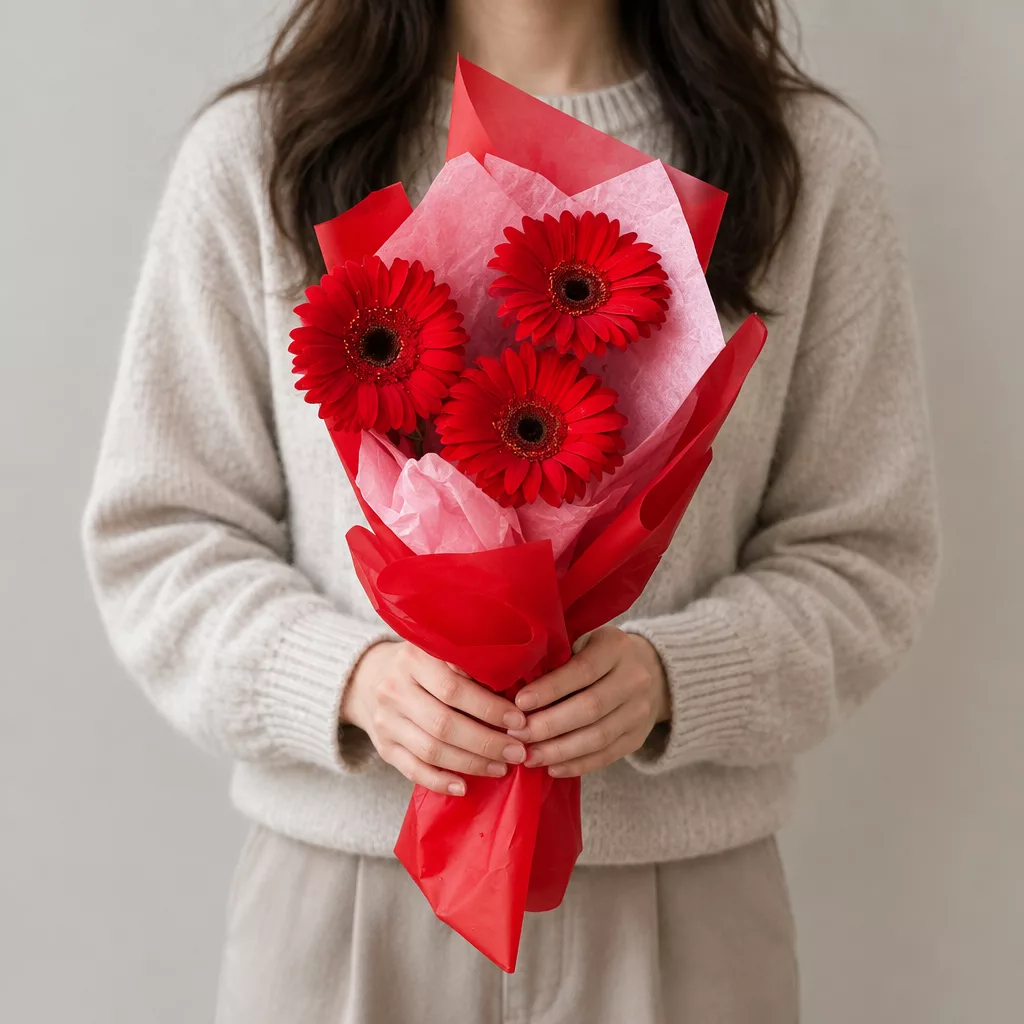
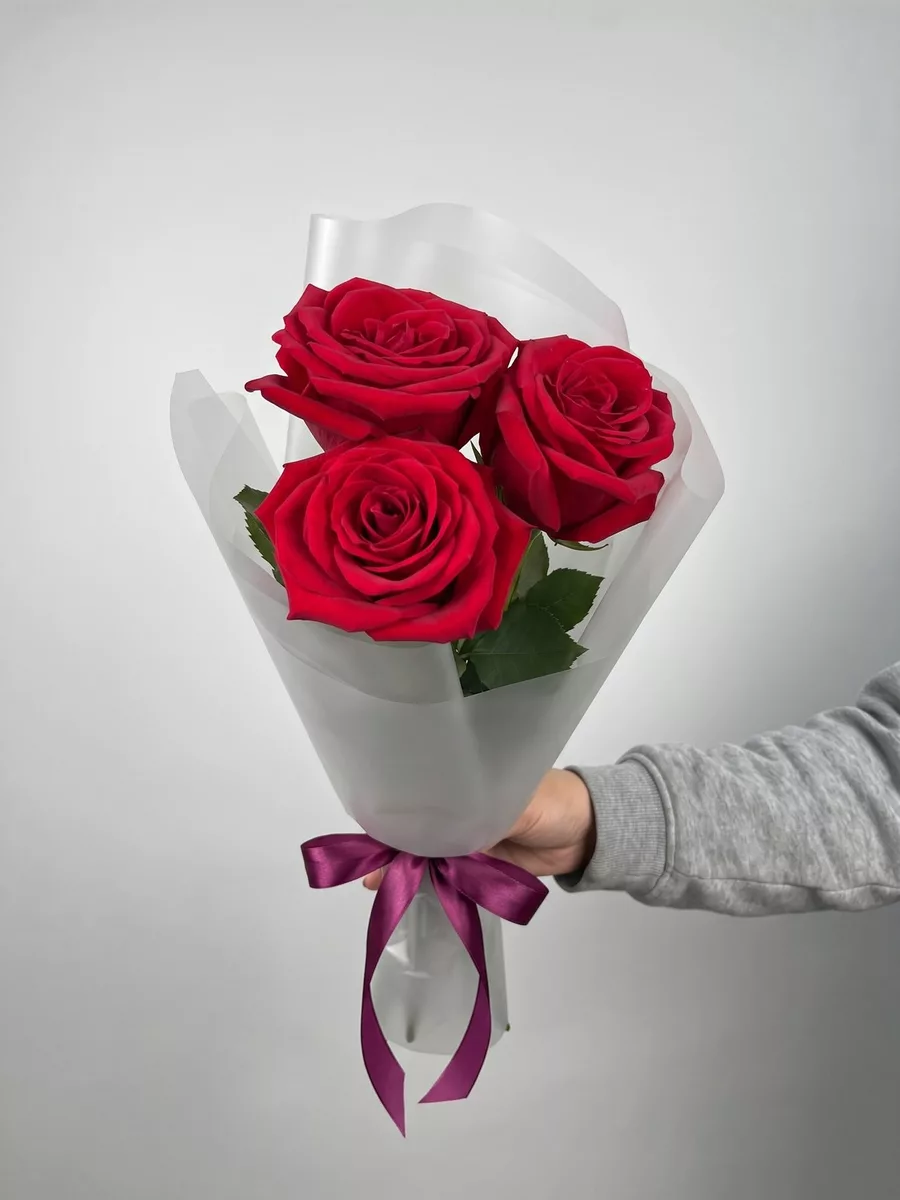
Carnations and other 'serious' flowers
Red carnations carry heavy associations in Russia. For decades they were the official flower of Soviet holidays, war memorials and Victory Day, and they are still laid at monuments on 9 May. Because of that, many people link them with ceremonies, veterans and remembrance rather than romance or birthdays.
That does not make carnations unlucky. A bunch of red carnations for a grandfather who served, or for a teacher who loves classic flowers, can be a thoughtful choice. What reads oddly is a small, even-numbered bunch of dark red carnations given as a romantic gesture: it looks closer to a memorial tribute than a gift. Modern spray carnations in pink, cream or lilac are a different story and sit happily in mixed bouquets.
Similar caution applies to white lilies and white chrysanthemums when they are the only flower in a tight arrangement, especially for older recipients. They are elegant, but in a strict form they can remind people of funerals. Add colour, greenery or a softer shape and the association disappears. You can see how the same classic flowers change meaning with the occasion in our guide to silver and golden wedding flower traditions.
Potted plants, wilting bouquets and other household beliefs
A cluster of smaller beliefs surrounds flowers inside the home. Some older Russians believe that certain climbing plants, such as ivy, 'drive men out of the house', and that a cactus brings quarrels. Others think it is unlucky to keep dried or fading flowers for too long, because they hold on to stale energy. You do not have to believe any of this, but if you are giving a plant to a traditional family, a flowering orchid or a fresh bouquet is the safer choice.
Another widespread habit is to never throw flowers away the moment they start to droop. Many people trim the stems, change the water and give the bouquet a second life, partly out of thrift and partly because tossing a gift quickly feels disrespectful to the giver. To help, choose long-lasting flowers: roses, chrysanthemums, alstroemeria and carnations easily last a week or more in fresh water with stems recut every two days.
Finally, there is a mild superstition that you should not accept flowers 'for nothing' from someone you are wary of, or give flowers to a person who has just left hospital in a white wrapping. These are personal and regional, so do not worry about them too much. Focus on the big three: odd numbers, careful use of yellow, and not mimicking a funeral arrangement.
Timing, handing over and the card
How flowers are handed over matters almost as much as what they are. Traditionally the bouquet is given with the wrapping already removed or loosened, the man hands flowers to the woman, and flowers are offered in person rather than left on a doorstep. When you send a delivery, the courier stands in for you, so a short personal card does the job of the spoken words.
Another belief is that you should not celebrate a birthday early, and that includes flowers. Many Russians consider congratulations before the actual date unlucky. If you are ordering from another time zone, it is better to arrive on the day or, at a push, slightly late than a day early.
With us you can book delivery at an exact time (plus or minus 30 minutes), choose a window such as 09-12 or 18-21, or pre-order 1 to 30 days ahead, so the flowers arrive on the right date. The courier calls the recipient about 15 minutes before arrival, and delivery is anonymous by default, so if you want your name known, put it on the free card.
How to send flowers to Russia without a superstition slip
Start by choosing an odd number of main stems, steering clear of an all-yellow bouquet for a partner, and avoiding strict white or dark red arrangements unless the occasion is a memorial. Then think about who the recipient is: an older relative will notice these details far more than a twenty-year-old student. Our bouquets catalogue is a good place to start.
City delivery costs 500 RUB; for remote districts and suburbs the operator confirms the price when confirming the order. In large cities express delivery takes 1 to 2 hours after confirmation. You can pay online by bank card, SBP or Yandex Pay.
If you are not sure whether a bouquet might send the wrong signal, message our manager on WhatsApp before ordering. They can help you choose, agree the time, address and card text, and send you a photo of the bouquet before delivery, so you can see the stem count and colours with your own eyes. We deliver bouquets across Russia in 1–2 hours.
Frequently asked questions
Is it really bad luck to give an even number of flowers in Russia?
Yes, for most Russians even numbers are linked to funerals and graves, so they are avoided for living recipients. Very large bouquets of 50 or more are usually exempt, but rounding to an odd number is still the safe choice.
Can I send yellow roses to a Russian woman?
You can, but think about context. From a partner, an all-yellow bouquet may still be read as a hint of parting by older recipients; mixing yellow with white or peach avoids that completely.
Are carnations considered unlucky in Russia?
Not unlucky, but red carnations are strongly associated with memorials, Victory Day and official ceremonies. They suit veterans and classic occasions better than romantic gifts.
Should flowers arrive before a Russian birthday?
Better not. Many Russians believe early congratulations bring bad luck, so book delivery for the date itself; you can pre-order 1 to 30 days ahead and choose an exact time.
Will the recipient know who sent the flowers?
Delivery is anonymous by default, so the courier does not name the sender. If you want to be recognised, write your name on the free card.
Ready to send flowers?
Pick the city, choose the bouquet, and a local florist takes it from there.
Choose a city →