Russian Name Days and Flowers: What Every Sender Should Know
You have just discovered that someone close to you is celebrating their imeniny — their Russian name day — and you want to send flowers from abroad. The gesture is warm and thoughtful, but the customs around it are slightly different from a birthday, and getting the nuance right is what separates a memorable gift from a generic one. This primer will walk you through everything you need, from the meaning of the occasion to the stems that suit it best.
What Imeniny Actually Means and Why It Still Matters
In the Russian Orthodox tradition, every baptised person is given the name of a saint, and the feast day of that saint becomes the person's name day — their imeniny. For centuries this was considered even more significant than a birthday, because it connected the individual to something larger than themselves: a patron saint, a lineage of faith, a shared calendar that the whole community recognised. The birthday as a personal celebration only became dominant in the Soviet period, when religious observance was discouraged. Today both occasions coexist, and many Russians celebrate both warmly, but the name day retains a quieter, more intimate quality. It tends to feel less like a party and more like a moment of recognition — a day when someone is seen and honoured for who they are rather than simply for having been born. For an international sender, understanding this distinction matters because it shapes what your flowers should say. A birthday bouquet can be exuberant, loud with colour and volume. A name day arrangement often lands better when it feels considered and personal rather than festive and abundant. The emotion you are reaching for is warmth and sincerity, not spectacle. If you know the recipient's saint — Saint Tatiana, Saint Nikolai, Saint Elena — you can even weave that detail into your message card, which will almost certainly delight them and show a level of care that goes well beyond the flowers themselves.
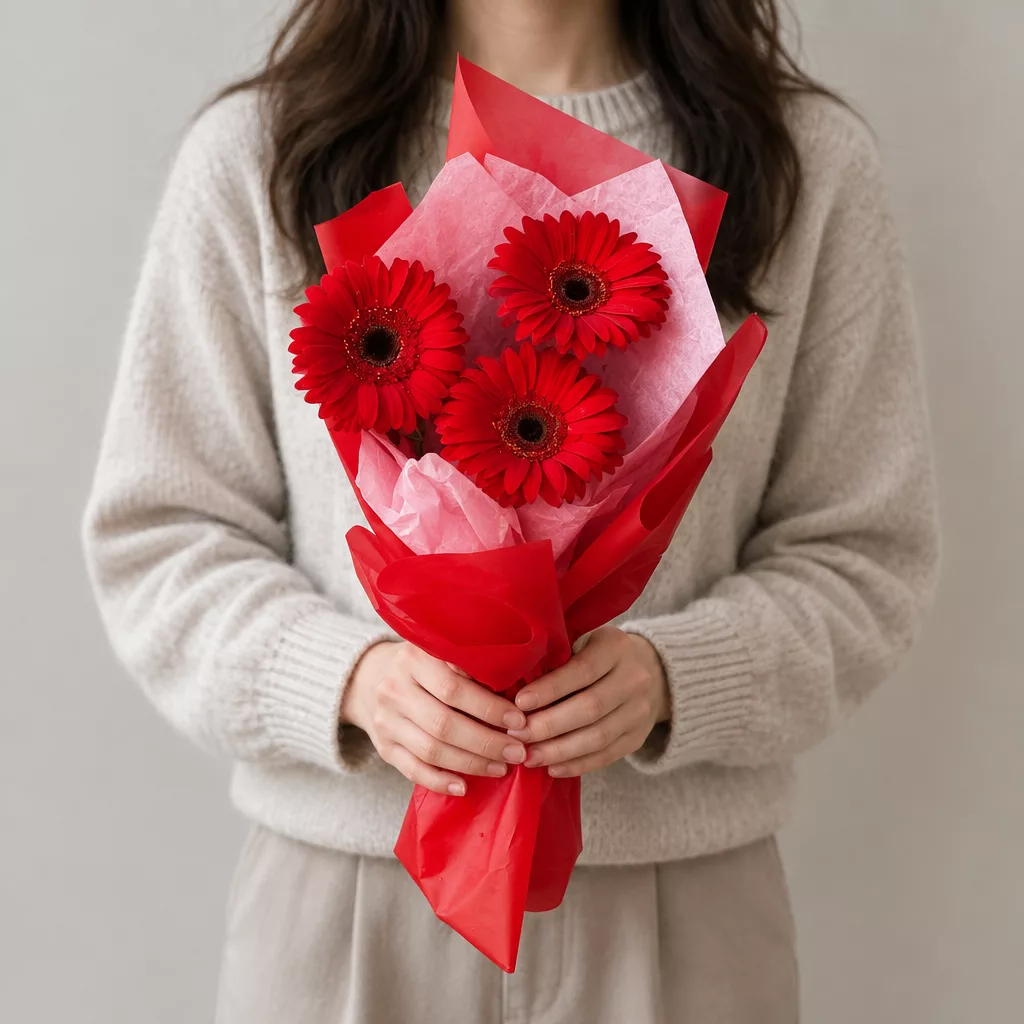
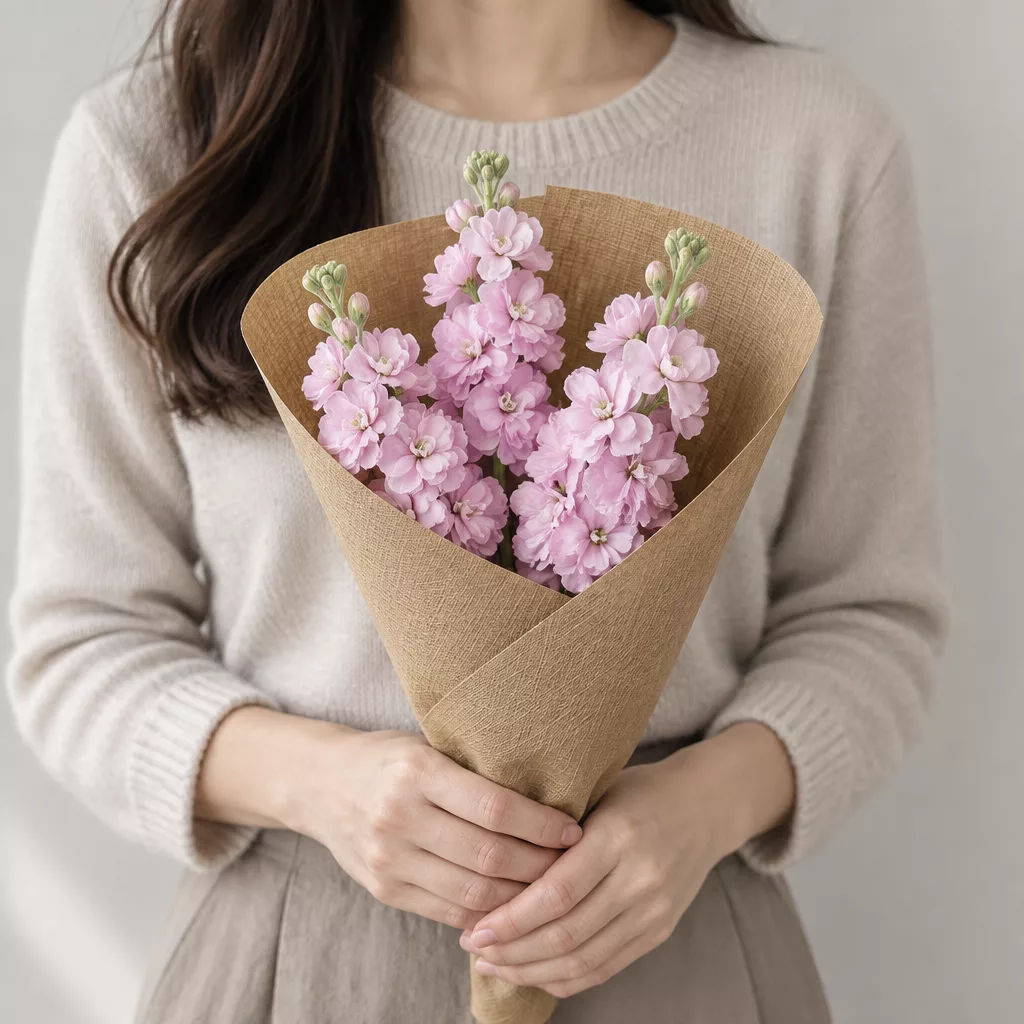
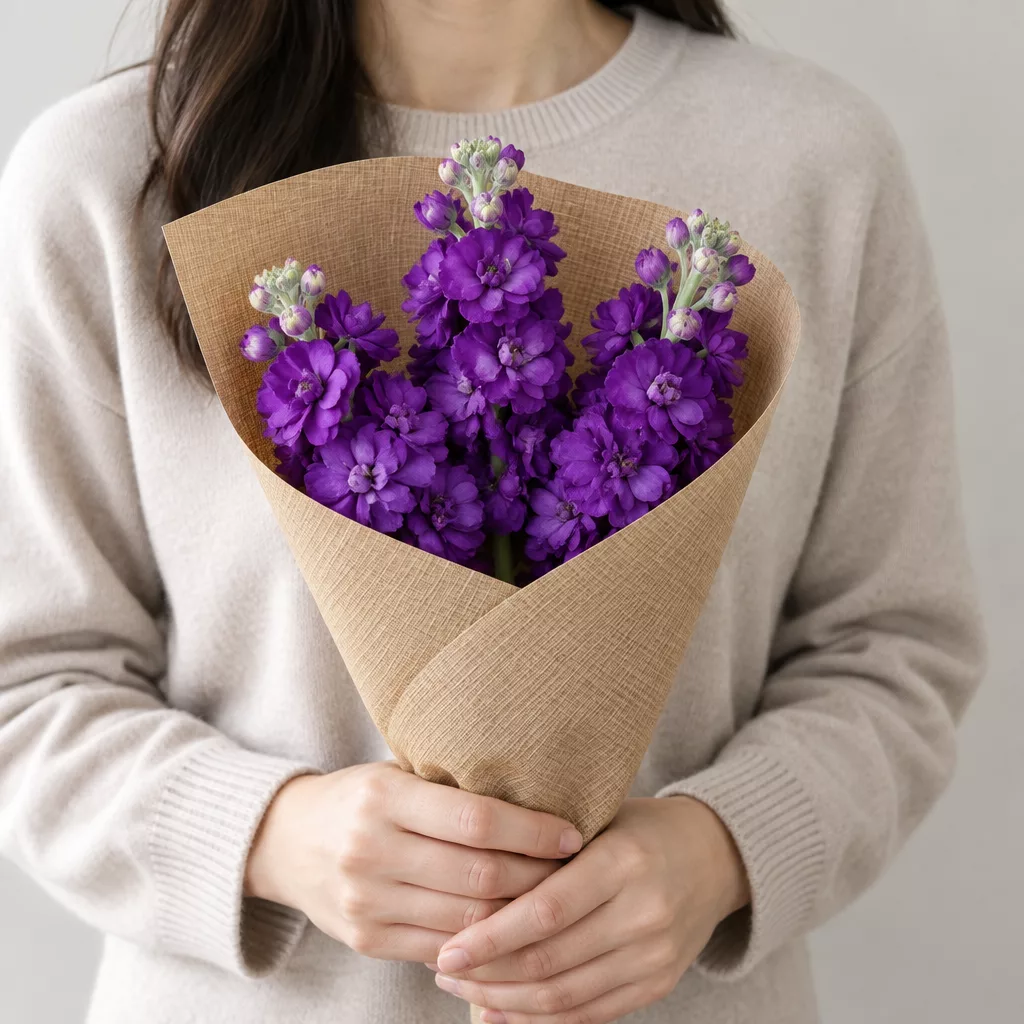
Bouquets we can deliver

How Flower Gifting on a Name Day Differs from a Birthday
On a birthday, Russian flower etiquette leans toward generosity of scale. Odd numbers of stems, large mixed bouquets, bright seasonal colour — all of these read as celebration. The name day asks for something more restrained and intentional. Think of it less as marking a milestone and more as paying a visit to someone you genuinely respect. The flowers should feel like an extension of that sentiment. Single-variety bouquets work beautifully here. A tight arrangement of garden roses in a soft blush or ivory, a bundle of white or lilac freesias, or a simple gathering of ranunculus in pale tones all carry the right register. These are not flowers that shout; they are flowers that speak quietly and last in the memory. The odd-number rule still applies — five, seven, or nine stems — because even numbers remain associated with mourning in Russian culture, and you do not want your gift to carry that shadow, even accidentally. Ribbon and wrapping also matter more on a name day. A birthday bouquet wrapped in bright kraft paper feels festive and appropriate. For imeniny, soft tissue in ivory or sage, tied with a satin ribbon rather than a bold bow, signals that you have thought about presentation as an act of care. The card message is equally important: address the person by their full first name and patronymic if you know it. That small formality reads as deep respect in Russian culture and will mean more than any additional stems you might add.
Choosing Flowers for the Occasion and the Person
Start with the recipient rather than the calendar. A name day is personal, so the flowers should reflect something about who this person is — their taste, their home, the atmosphere they create around themselves. If they favour classical elegance, white peonies in season, garden spray roses, or lisianthus in pale violet are all excellent choices. If they have a more relaxed, natural aesthetic, loose stems of chamomile-type chrysanthemums, soft-toned alstroemeria, or a mix of eucalyptus with a few focal roses will feel right without being fussy. For name days that fall in winter — and many do, since a large number of Orthodox feast days cluster between November and February — consider stems that hold well in heated Russian apartments. Alstroemeria is reliable and long-lasting. Carnations, often underestimated, have had a genuine revival in contemporary Russian floristry and come in beautiful dusty rose and blush varieties that feel anything but old-fashioned when arranged well. Tulips are available year-round through Dutch import and work for name days that fall in the colder months, though they need cool placement to last. In spring and summer, peonies are the sentimental favourite across Russia and carry an almost universal association with celebration and femininity. For a male recipient — name days are celebrated by everyone — white or deep burgundy roses, thistle accents, and greenery-forward arrangements tend to land with more confidence than pastel-heavy bouquets.
Arrangements by Budget: Making the Right Impression at Every Level
A smaller budget does not have to mean a smaller impact on a name day. Because the occasion prizes sincerity over scale, a single-variety bouquet of seven stems can feel more appropriate than a sprawling mixed arrangement that cost three times as much. Seven white freesias, for example, carry a beautiful fragrance that fills a room — and fragrance is something a name day recipient will remember long after the flowers have faded. At a mid-range spend, consider a mono-bouquet of garden roses — the kind with slightly open, cupped heads rather than tight commercial buds — in a single tone. Blush, ivory, or soft apricot work across almost all tastes and ages. You can add two or three stems of eucalyptus or a few sprigs of wax flower to give the arrangement texture without overwhelming the focal bloom. For a more generous gesture, a structured hand-tied arrangement combining two complementary varieties makes a strong statement. Peonies with ranunculus in the same colour family, or roses paired with lisianthus, create depth without visual chaos. Ask for the arrangement to be wrapped simply and elegantly — the presentation is part of the gift. If you are sending to a colleague or a formal acquaintance rather than a close friend, err toward restraint regardless of budget. A modest, beautifully presented bouquet of seven stems will always read better than an oversized arrangement that feels impersonal. The name day is an occasion where less, done well, is genuinely more.
Timing Your Delivery: When the Flowers Should Arrive
On a name day, the moment of arrival matters more than on a birthday. Birthdays often stretch across a whole day of messages and visits; the name day tends to be observed more quietly, and the flowers arriving at the right time can define the emotional peak of the occasion. Morning delivery — before noon — is ideal if the recipient will be at home. It means they can enjoy the flowers throughout the day and have them on display if any guests visit in the evening, which is common for closer name day celebrations. If the recipient works in an office, a midday delivery can work well and has the added warmth of being a public gesture — colleagues will notice, and that is not a bad thing. Avoid late-evening delivery unless you have confirmed the recipient will be home and awake; a name day is not an occasion where a surprise knock at ten at night feels charming. In Russia, the season also affects delivery logistics in practical ways. Winter deliveries in cities like Saint Petersburg mean flowers travel in cold conditions, which actually helps most cut stems. The risk is a sudden transition from cold exterior to a warm apartment — give the flowers fifteen minutes to adjust before unwrapping them, and keep them away from radiators and direct heat sources immediately after. Summer deliveries face the opposite challenge: heat shortens vase life rapidly, so place flowers in water within thirty minutes of arrival and keep them in the coolest room available.
Care and Vase Life: Helping the Gift Last Longer
Cut flowers on a name day deserve a little extra attention because the occasion itself is unhurried and reflective — the recipient is likely to want the blooms around for as long as possible. The first step is a clean diagonal cut across each stem, removing at least two centimetres with a sharp knife rather than scissors, which can crush the stem tissue and reduce water uptake. Remove any leaves that would sit below the waterline, as submerged foliage rots quickly and clouds the water. Change the water every two days and re-cut the stems each time. Most varieties last longest in cool, still air away from fruit bowls — ripening fruit releases ethylene gas, which accelerates petal drop. Freesias are particularly sensitive to this and will fade noticeably faster if placed near a bowl of apples or pears. Roses benefit from being placed in a deep vase so the stems are well supported and the heads do not droop. Peonies, if they arrive in tight bud — which is common in winter — can be encouraged to open by placing them in slightly warm water in a warm room. Once open, move them somewhere cooler to extend their life. Alstroemeria and lisianthus are among the longest-lasting cut flowers available and can hold well for ten to fourteen days with basic care. Carnations, despite their reputation, can last two weeks when the water is changed regularly. If you are sending flowers for a name day and want the recipient to enjoy them for as long as possible, these varieties are your most reliable choices.
Writing the Card: What to Say and What to Avoid
The message card is where many international senders feel uncertain, and that uncertainty is understandable. Russian name day culture places real value on the spoken and written word — a heartfelt note is not an optional extra but an integral part of the gift. The good news is that sincerity matters far more than eloquence, and a simple, direct message in English is received warmly by most Russian recipients who will understand the effort behind it. Begin with a direct acknowledgement of the occasion: 'Wishing you a warm and joyful name day' is entirely appropriate. If you know the recipient's saint, you can add a line referencing it — 'I hope Saint Elena watches over you today and always' — which will feel genuinely touching rather than performative. Avoid phrases that blur the name day with a birthday, such as 'Happy birthday' or 'Many happy returns,' as these miss the specific quality of the occasion and can feel slightly careless to someone who values the distinction. Do not write in an overly casual or joking tone unless you know the person extremely well; the name day has a gentle formality to it that even close friends tend to honour. If you are writing in Russian and are not a native speaker, keep the message short and correct rather than long and error-filled — a brief, accurate sentence is always better than a sprawling one with mistakes. Sign with your full name rather than a nickname, particularly if the recipient is a colleague or a more formal acquaintance. The extra formality signals respect and lands well in Russian professional and social culture.
Sending flowers for a Russian name day is one of the most thoughtful gestures an international sender can make, precisely because it shows you have taken the time to understand something beyond the obvious. The occasion rewards restraint, sincerity, and a little knowledge — and the flowers you choose are the first signal of all three. Whether you opt for seven white freesias or a hand-tied arrangement of garden roses and lisianthus, what matters most is that the bouquet arrives on time, is presented simply and beautifully, and is accompanied by a card that names the occasion for what it is. Get those details right, and your gift will be remembered long after the last petal has fallen. We deliver bouquets across Russia in 1–2 hours.
Frequently asked questions
Is a name day more important than a birthday in Russia?
Historically yes — imeniny predates the birthday celebration in Russian culture and carries religious significance. Today both occasions are celebrated, but the name day tends to feel more personal and reflective. Many Russians appreciate being remembered on their name day precisely because fewer people do it, making the gesture feel more considered and meaningful.
Can I send an even number of flowers for a name day?
It is best to avoid even numbers. In Russian tradition, even-numbered bouquets are associated with mourning and are brought to funerals. Always choose an odd number of stems — five, seven, nine, or more. This applies to name days and birthdays alike and is one of the most important etiquette points to remember when sending flowers to Russia.
What flowers are most appropriate for a male recipient's name day?
For men, lean toward arrangements with strong structure and a restrained colour palette. Deep burgundy or white roses, thistle, and greenery-forward compositions work well. Avoid overly pastel or delicate arrangements. A simple, confidently presented bouquet of seven roses in a rich tone with minimal filler reads as respectful and well-considered rather than fussy.
How far in advance should I order name day flowers for delivery in Russia?
Same-day ordering works well with Turboflora, which delivers within one to two hours across Russia. That said, if you want a specific variety or a custom arrangement, placing your order the morning of the name day gives the best results. For deliveries outside Saint Petersburg, confirming the address and a suitable delivery window the day before is always a sensible step.
Do Russian name days follow a fixed calendar I can look up?
Yes. The Russian Orthodox Church publishes a saints' calendar, and each date lists the saints whose feast day falls on that day. If you know someone's baptismal name, you can find their name day by searching the Orthodox calendar online. Some names have multiple feast days throughout the year; the one closest to the person's birthday is often considered their primary imeniny.
Ready to send flowers?
Pick the city, choose the bouquet, and a local florist takes it from there.
Choose a city →