Sending Flowers Across Russia Today? Here Is What to Expect
You have decided to send flowers to someone in Russia, and you want them to arrive today — not tomorrow, not in three days. That is a completely reasonable thing to want, and it is entirely possible. But if you have never ordered this way before, the process can feel like a black box. This article opens that box and walks you through every stage, from the moment you choose a bouquet to the second a courier rings the doorbell.
Choosing the Right Bouquet for the Person, Not Just the Occasion
Before anything else, think about who is receiving the flowers, not just why you are sending them. A birthday bouquet for a colleague at her office desk calls for something structured and long-lasting — think spray roses, alstroemeria, or lisianthus, which hold their shape under fluorescent lighting and do not shed petals on a keyboard. A romantic delivery to someone's home can go softer and more generous: garden roses, ranunculus in season, or peonies if it is late spring.
Russian recipients tend to appreciate full, rounded arrangements over sparse minimalist ones. Odd numbers of stems are a cultural norm for celebratory occasions — even numbers are traditionally reserved for funerals, so a bouquet of eleven or fifteen roses reads as festive, while ten feels ambiguous to a Russian eye. If you are ordering from abroad or are simply unfamiliar with this custom, it is worth knowing before you choose.
Colour matters too. White flowers are perfectly appropriate for celebrations in Russia, despite what some outdated guides suggest. Red conveys passion and is very popular. Yellow has historically carried a superstition of separation among older generations, though younger recipients rarely share this concern. When in doubt, a mixed palette of pinks, whites, and creams is universally well received and photographs beautifully, which matters when the recipient will almost certainly share the moment on social media.
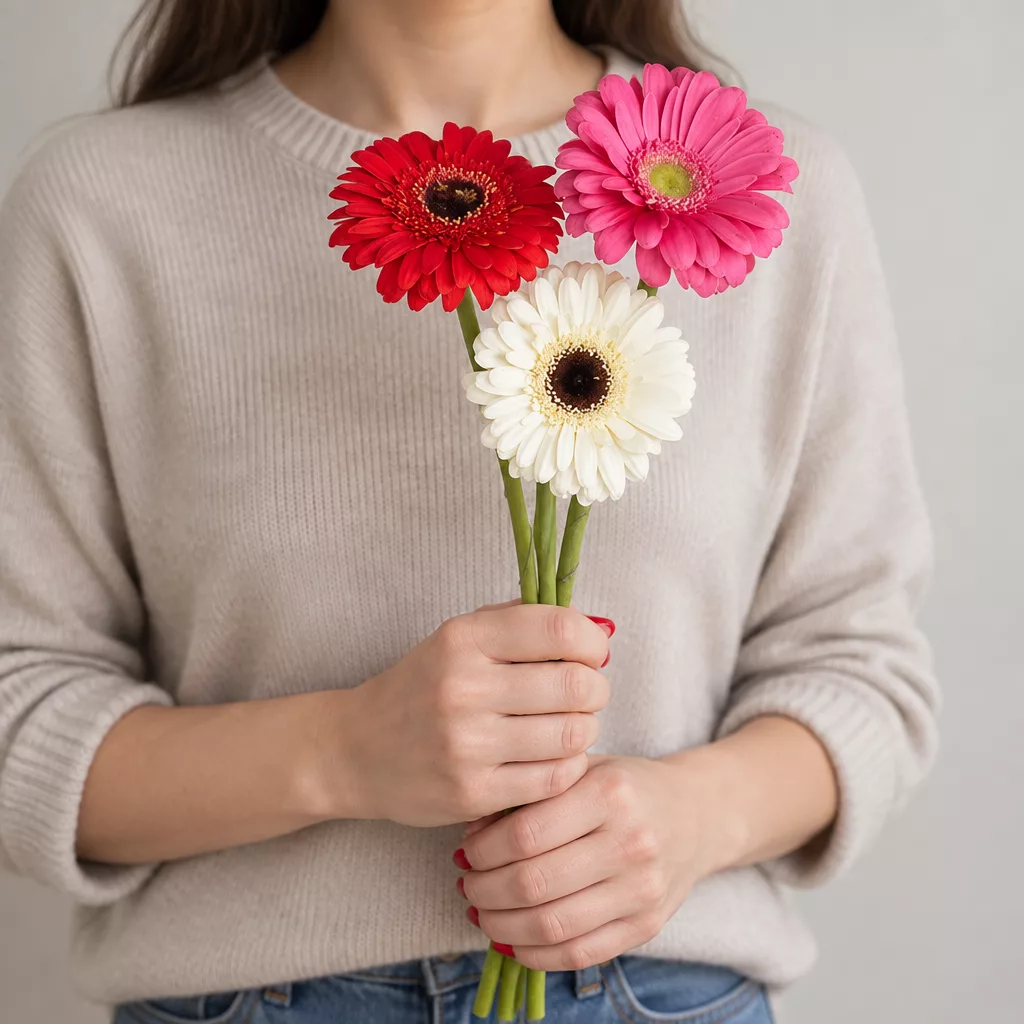
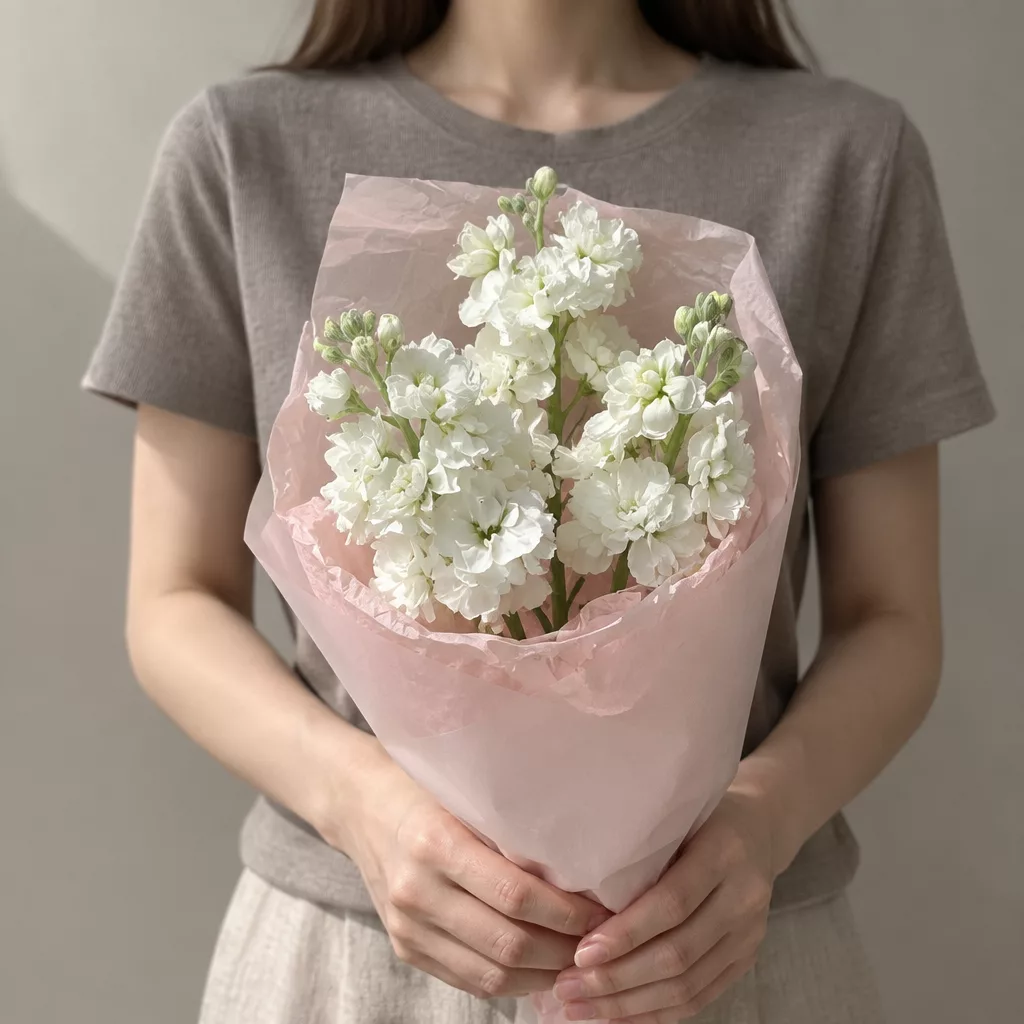
Bouquets we can deliver


Placing Your Order: What Information You Actually Need
The ordering form is the stage where most first-time buyers slow down unnecessarily. You do not need to know Russian to complete it — the Turboflora website works in English, and the fields are straightforward. What you do need is accurate delivery information, because this is where delays happen.
The recipient's full address should include the street, building number, apartment number, and — critically — the entry code if the building has one. Most apartment buildings in Saint Petersburg and other large Russian cities have a door intercom system, called a domofon, with a numeric code. Without it, a courier stands outside a locked door and has to call the recipient, which defeats the purpose of a surprise delivery. If you do not know the code, it is worth asking the recipient's neighbour or a family member, or simply letting the recipient know a delivery is coming without revealing who sent it.
You will also be asked for the recipient's phone number. This is not optional — Russian couriers are required to confirm delivery, and a missed call can mean a missed window. If the recipient is at work, note that in the comments field and specify whether the bouquet should be handed directly to them or left at a reception desk. A short personal message card can be added during checkout; keep it warm and specific, because a generic note feels like an afterthought next to a beautiful arrangement.
What Happens in the Floristry Studio After You Confirm
Once your order is confirmed, it moves immediately to the studio floor. Flowers are not sitting pre-assembled in a warehouse. Each bouquet is built to order, which is why the timing between order confirmation and dispatch matters and why same-day delivery has a cut-off window — typically early to mid-afternoon for evening deliveries, though exact cut-offs depend on the delivery zone.
A florist selects stems from refrigerated storage, where roses are kept at around four to six degrees Celsius and tropical varieties like orchids sit slightly warmer to prevent cold damage. Stems are cut at an angle under water — this is not a decorative step, it prevents air from entering the vascular tissue and extends vase life by days. Foliage below the waterline is stripped to stop bacterial growth in the wrapping.
The bouquet is then assembled by hand. In Russian floristry, wrapping is considered part of the gift, not packaging to be discarded. Expect layered kraft paper, tissue, or fabric, often secured with a ribbon. The florist checks stem alignment, overall silhouette, and that no blooms are bruised or wilting before the bouquet is wrapped. A water-retaining sachet or damp paper is placed at the base of the stems inside the wrapping so the flowers stay hydrated during transit, which in winter is especially important given the temperature swings between a heated studio, a cold vehicle, and a warm apartment.
The Delivery Window and How Timing Works in Russian Cities
Same-day delivery in Russia typically operates in time slots rather than exact minutes. You might select a window such as two to four in the afternoon or six to eight in the evening. This is standard practice and is not a vague promise — it reflects real logistics in dense urban environments where traffic, building access, and courier routing all interact.
Saint Petersburg, for example, has significant traffic congestion on its central avenues during morning and evening rush hours, roughly eight to ten in the morning and five to seven in the evening. Orders destined for addresses in the historic centre or across one of the city's many bridges can be affected by bridge schedules — some of the drawbridges over the Neva River open at night, which affects late-night logistics. Turboflora accounts for these realities when assigning delivery windows.
You will receive a notification when the courier sets out. Most couriers carry the bouquet upright in an insulated bag or a purpose-built carrier to prevent crushing and temperature shock. In winter, when outdoor temperatures in Saint Petersburg can drop to minus fifteen or lower, the flowers are wrapped with additional insulating material — exposed roses in freezing air suffer petal damage within minutes. In summer, the concern reverses: direct sunlight through a vehicle window can wilt delicate varieties like sweet peas or anemones quickly. The studio team factors the weather into how each order is prepared and packaged before it leaves the door.
The Moment of Arrival: What the Recipient Experiences
When the courier arrives, they will call or ring the intercom. In Russia, it is customary for the courier to hand the bouquet directly to the recipient rather than leaving it outside — flowers are not left on doorsteps the way parcels sometimes are. If the recipient is not home, the courier will attempt to reach them by phone and wait a reasonable amount of time before the order is flagged for rescheduling.
The handover itself is a moment worth thinking about when you are placing the order. If you want the delivery to feel like a surprise, you can ask in the comments that the courier not mention your name — the message card inside will speak for you. If you are sending to a workplace, note whether the recipient would prefer the bouquet handed to them privately or whether a public handover at the reception area is fine. In a Russian office context, receiving flowers publicly is generally considered a lovely thing, not an embarrassment.
The recipient will find the stems wrapped and hydrated, a message card enclosed, and occasionally a small care card with vase instructions. Encourage them to unwrap the bouquet promptly, trim the stems again at home, and place them in clean water with the sachet of flower food that is included. First impressions of a bouquet are set in the first hour — flowers that are unwrapped, trimmed, and watered immediately look dramatically better after two days than ones left in their packaging on a counter.
Caring for the Flowers Once They Arrive: Advice Worth Passing On
A well-made bouquet from fresh stock should last seven to twelve days with basic care, and certain varieties go longer. Chrysanthemums and carnations are genuinely robust — they can hold for two weeks if the water is changed every two days. Roses from good-quality stock last eight to ten days. Ranunculus and anemones are shorter-lived, typically five to seven days, but so visually striking that most recipients consider the trade-off worthwhile.
The most common mistake is placing flowers near a radiator or in direct sunlight. Russian apartments in winter are often very warm — central heating in older buildings runs hot and cannot be adjusted — so a cool windowsill away from the heat source is usually the best spot. Fruit produces ethylene gas as it ripens, which accelerates petal drop in roses and tulips, so keeping the bouquet away from a fruit bowl adds a day or two of vase life.
Water should be changed every two days, and the vase rinsed to prevent bacterial build-up. Re-cutting stems by a centimetre each time you change the water makes a noticeable difference. Flower food sachets, which contain a mild biocide and sugar, genuinely work — they are not a marketing gesture. If the recipient runs out, a small amount of clear lemonade in the water provides a rough equivalent. Leaves that fall into the water should be removed immediately, as they decompose quickly and cloud the water in a way that shortens every stem in the vase.
Common Mistakes First-Time Buyers Make and How to Avoid Them
The most frequent problem is an incomplete address. Russia uses a layered address system: city, district, street, building, corpus (a secondary building number on larger complexes), and apartment. Missing the corpus number can send a courier to the wrong entrance of a large residential block, adding twenty minutes to a delivery and causing unnecessary stress for everyone. If you are unsure of the full address, ask the recipient for their postal address in advance — most people in Russia have it saved on their phone.
Ordering too close to the cut-off time is another common issue. If you need flowers delivered by six in the evening, placing an order at four-thirty leaves very little room for assembly and transit. Aim to order at least three hours before your target delivery time, and more if the address is in a less central area or if you want a complex arrangement with specific varieties.
Underestimating seasonal availability is a subtler mistake. Peonies are available for a relatively short window in late spring and early summer — ordering them in November will result in a substitution or a refusal. Tulips are abundant and affordable in spring but cost more and travel less well in August. Asking the florist what is genuinely fresh and in season, rather than insisting on a specific variety, almost always produces a better result. The team at Turboflora can suggest what is at its best on any given day, and a florist's seasonal recommendation is usually the most beautiful thing in the studio.
Same-day flower delivery in Russia is a smooth, well-organized process when you know what each stage involves. The key is giving accurate address details, ordering with enough lead time, and trusting the florist to make decisions about freshness and presentation. The recipient does not see the logistics — they see a beautiful bouquet at their door, wrapped with care, arriving when you said it would. That is the whole point, and with a little preparation on your end, it is entirely straightforward to make it happen.
Frequently asked questions
Can I order same-day delivery if I am outside Russia?
Yes. The Turboflora website is available in English and accepts international payment methods. You will need the recipient's full Russian address including apartment number and building entry code, plus their Russian mobile number. The rest of the process is identical to a domestic order, and you will receive delivery confirmation once the bouquet has been handed over.
What if the recipient is not home when the courier arrives?
The courier will call the recipient's phone and wait a reasonable amount of time. If there is no answer, the order is flagged and the team will contact you to arrange a new delivery window. Flowers are kept properly stored in the interim. To avoid this, note in your order comments if the recipient has a predictable schedule or a preferred time to be home.
Is it true that even numbers of flowers are considered bad luck in Russia?
Even numbers of stems are traditionally associated with mourning in Russian culture, so celebratory bouquets are arranged with odd numbers — seven, nine, eleven, fifteen roses, and so on. Turboflora bouquets follow this convention automatically. If you are ordering a custom quantity, the team will adjust to the nearest appropriate odd number for a celebratory occasion.
How should the recipient store the bouquet overnight?
The best option is a cool room, away from radiators and direct sunlight. If the apartment is very warm, placing the vase in the bathroom overnight — where temperatures tend to be lower — extends vase life noticeably. Change the water every two days, re-trim the stems slightly each time, and remove any leaves that fall below the waterline to keep the water clean.
Can I request a specific variety that is not shown on the website?
You can add a request in the order comments, and the team will confirm availability before the bouquet is assembled. Seasonal availability varies significantly — some varieties like peonies or sweet peas have short natural seasons and may not be in stock year-round. The florist will suggest the closest fresh alternative if your requested variety is not available on that day.
Ready to send flowers?
Pick the city, choose the bouquet, and a local florist takes it from there.
Choose a city →