Sending Anniversary Flowers to Russia for an Anniversary That Lands Right
You know the date. You know the person. The part that trips most people up is the gap between placing an order from abroad and making sure a fresh, beautiful bouquet actually arrives on the right morning in the right Russian city. Time zones shift the math, seasonal temperatures affect what travels well, and the milestone itself shapes which flowers will mean something. This guide walks you through all of it so the delivery feels effortless from the recipient's side.
Why Timing Across Time Zones Catches People Off Guard
Russia spans eleven time zones, and Saint Petersburg sits at UTC+3. When it is 9 p.m. on Tuesday in New York, it is already 4 a.m. Wednesday in Saint Petersburg. That means the anniversary morning your partner or parent is waking up to may already be underway while you are still finishing dinner the night before. Missing this calculation is the single most common reason a bouquet arrives a day late.
The practical rule is to place your order at least 24 hours before the recipient's local morning, not your local morning. If you want flowers at the door by 10 a.m. Saint Petersburg time on a Friday, you need to have the order confirmed by 10 a.m. Saint Petersburg time on Thursday at the latest. Same-day delivery within the city is available for orders placed before early afternoon local time, so working backwards from the recipient's time zone is the first step you should take.
For cities further east — Yekaterinburg, Novosibirsk, Vladivostok — the gap widens further. Turboflora delivers across Russia, but the earlier you book for distant destinations, the more buffer you build in. A next-day order placed 36 hours ahead is almost always safer than a same-day order placed at the last minute. Think of the recipient's morning as your deadline, then count back from there.
Bouquets we can deliver


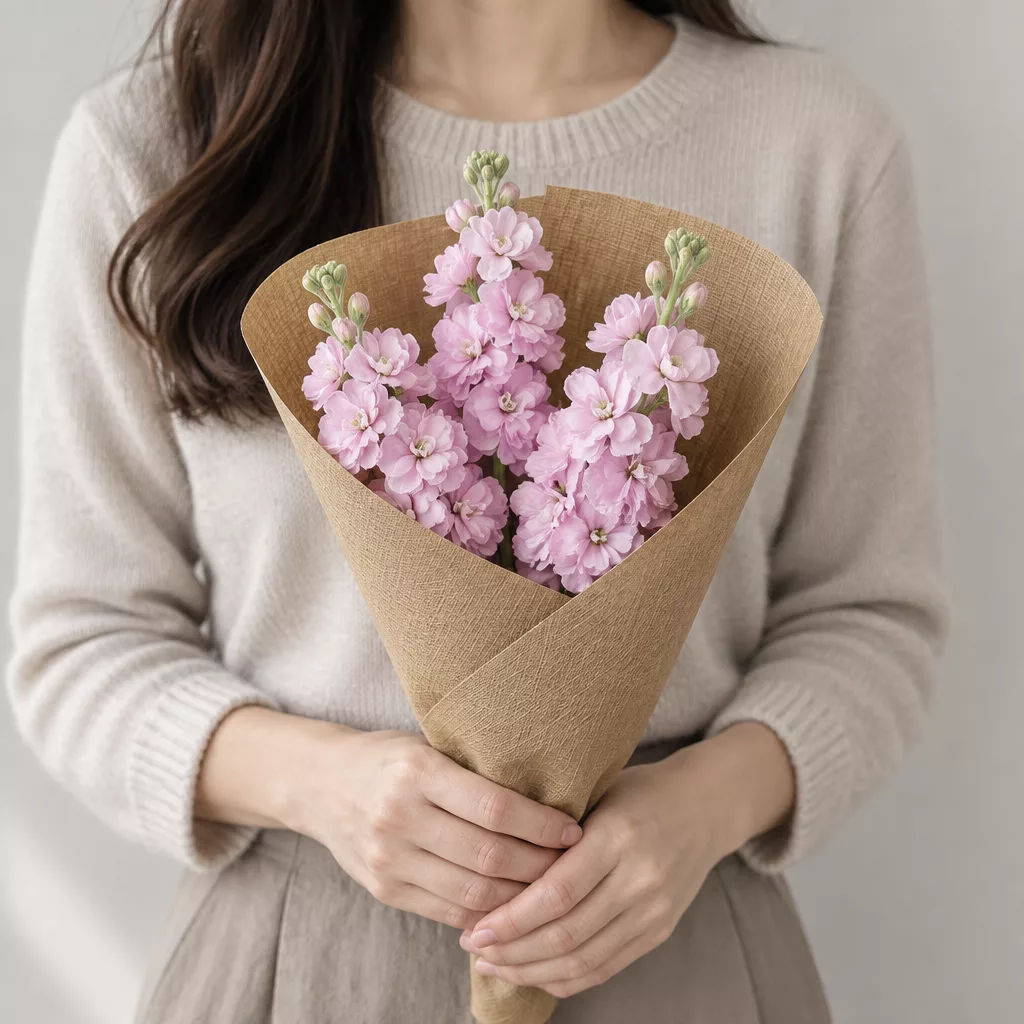
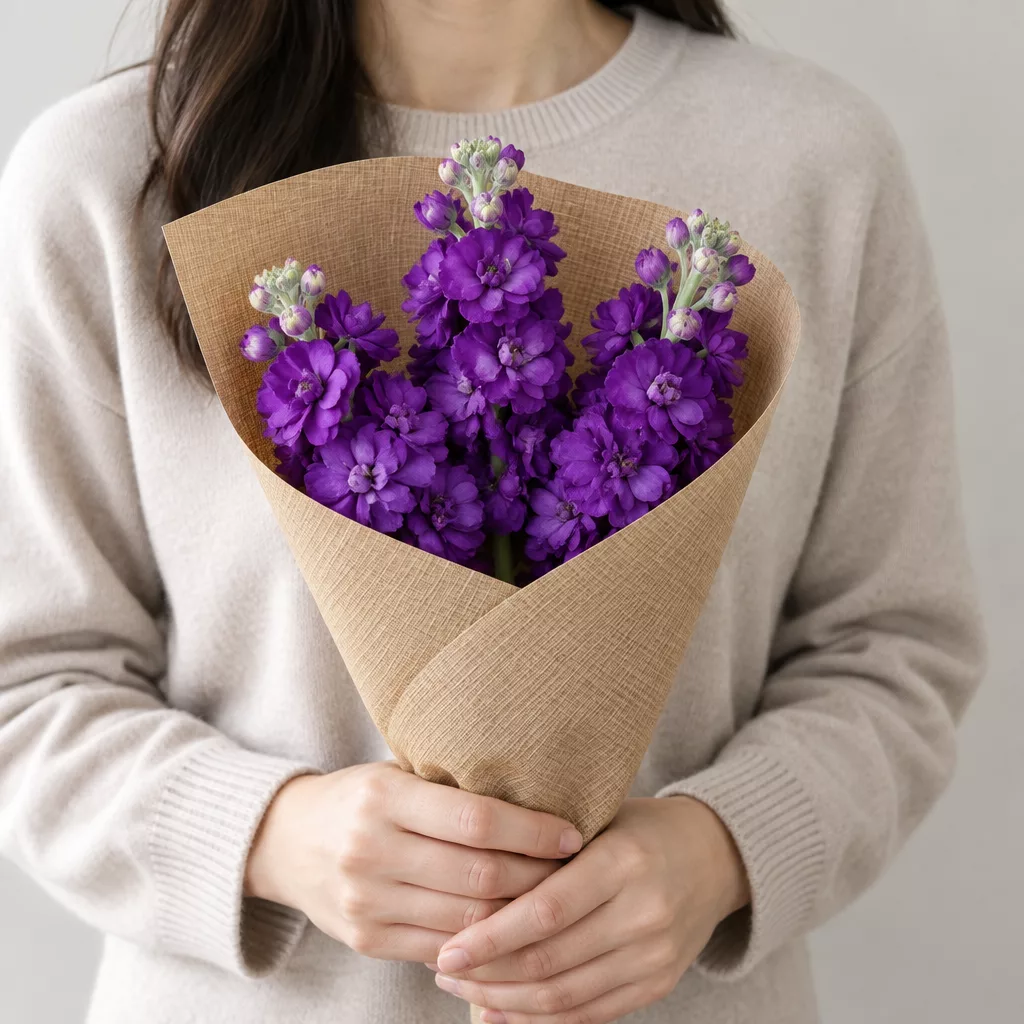
What Russian Anniversary Culture Expects From a Bouquet
In Russia, flowers for an anniversary carry real weight. They are not a polite gesture — they are a statement. A small bunch of five stems handed over casually would feel underwhelming at a significant milestone. Russians traditionally give odd numbers of flowers for celebrations and even numbers for mourning, so always confirm your bouquet count is odd: seven roses, nine peonies, eleven tulips. This is not superstition so much as a deeply embedded social code, and recipients notice immediately.
Presentation matters as much as variety. A bouquet wrapped in kraft paper with a satin ribbon reads as thoughtful and considered. Cellophane alone feels more utilitarian. Box arrangements — flowers packed into a hatbox or a flat wooden crate — have become extremely popular for anniversaries over the past several years because they photograph beautifully and feel like a gift rather than just a delivery.
Personalisation is appreciated more than extravagance. A handwritten card in Russian, even a single line, lands better than an expensive bouquet with a generic printed note. If you are ordering from abroad and writing in English, ask for the message to be transcribed or translated — most recipients will treasure the effort regardless of language. The gesture of choosing specific flowers for a specific person, rather than clicking the first option available, is what people remember long after the petals have dropped.
Choosing Flowers for the First Anniversary Versus the Fiftieth
A first anniversary calls for something romantic and a little playful. Garden roses in blush, peach, or coral tones — varieties like Juliet or Keira — pair beautifully with ranunculus and eucalyptus for a soft, abundant look. These combinations feel personal rather than formal, which suits a couple still in the early warmth of their relationship. Tulips in spring and early summer are another strong choice: they are lively, affordable, and come in a wide enough colour range to feel curated.
By a tenth or fifteenth anniversary, the gesture benefits from more visual weight. Peonies when in season — roughly May through July in Russia — make an immediate impression. Deep burgundy roses combined with white lisianthus and dusty miller create a rich, layered arrangement that feels grown-up without being stiff. Orchids, particularly phalaenopsis stems arranged with tropical foliage, suit a couple with more refined tastes.
A twenty-fifth or fiftieth anniversary deserves something genuinely grand. A large box arrangement of garden roses, hydrangea, and spray roses in white and champagne tones is a classic choice for silver anniversaries. For a golden anniversary, warm yellows — sunflowers, yellow roses, solidago — feel celebratory and joyful without veering into anything that reads as funerary. The scale of the bouquet should reflect the scale of the occasion: a fiftieth anniversary warrants at least fifty stems, and many families in Russia would expect more.
How Temperature and Season Shape What You Can Send
Russia's climate is not uniform, and the season at the time of your anniversary affects which flowers hold up best in transit and in the recipient's home. In January and February, temperatures in Saint Petersburg regularly drop below minus fifteen Celsius. Tropical flowers like anthuriums and birds of paradise are sensitive to cold shock and can bruise or blacken during even a short outdoor journey from the delivery vehicle to the front door. In winter, cold-hardy choices — roses, chrysanthemums, carnations, alstroemeria — are more reliable.
Spring and early autumn are the most forgiving seasons for flower delivery in Russia. Temperatures are mild, flowers travel well, and the seasonal availability of tulips, hyacinths, and later peonies gives you genuinely beautiful options at their natural peak. A peony bouquet in June needs no elaborate arrangement to look stunning — the flowers do the work on their own.
Summer in Saint Petersburg can push above 25 Celsius, and heat shortens vase life considerably. If the anniversary falls in July or August, choose flowers with naturally longer staying power: roses, lisianthus, and alstroemeria all handle warmth better than delicate ranunculus or sweet peas. Including a care card with the delivery — advising the recipient to keep flowers away from direct sun and to change the water every two days — adds a practical touch that extends enjoyment significantly.
Bouquet Formats That Work Best for Anniversary Delivery
A round hand-tied bouquet is the most universally understood format and travels well in most conditions. The stems are gathered at a central binding point, the flowers fan outward naturally, and the recipient can place it directly into a vase without rearranging. For anniversaries, a round bouquet of fifteen to twenty-five roses in a single colour makes a clean, confident impression — especially when the colour is chosen with the recipient's taste in mind rather than defaulting to red.
Box arrangements have become the preferred format for milestone anniversaries in Russia over the past decade. A hatbox filled with garden roses and hydrangea holds its shape during delivery, photographs exceptionally well, and feels more like opening a gift than receiving a bunch of flowers. The box itself can be kept afterward, which adds a small sentimental value. For someone living in a smaller apartment without many large vases, a box arrangement is also more practical.
Mono-bouquets — a single variety in generous quantity — are a growing trend that suits people with confident, minimalist taste. Forty white tulips, or thirty stems of blush ranunculus, or twenty-five garden roses in a single shade of apricot make a stronger visual statement than a mixed arrangement of the same size. They also photograph beautifully, which matters when the recipient will almost certainly share the image. For an anniversary, a mono-bouquet signals that someone thought specifically about what this person loves, rather than selecting a standard mixed arrangement.
Practical Steps for Placing the Order Without Mistakes
Start by writing down the recipient's full delivery address in Russian, including the apartment number, entrance code if there is one, and a working local phone number. Russian addresses follow a specific format — city, street, building number, apartment number — and missing any element can delay delivery significantly. If you are unsure of the format, the Turboflora team can help you confirm it before the order is placed.
Choose your delivery window carefully. Morning deliveries before noon are ideal for anniversaries because they set the tone for the entire day. An afternoon delivery is still meaningful, but there is something particularly lovely about opening the door to flowers before the day has fully begun. If the recipient works outside the home, confirm their schedule before selecting a time slot — a missed delivery means the flowers wait in a vehicle longer than they should.
Double-check the date against the recipient's local time zone before submitting. Write a personal message and specify whether you would like it delivered in Russian or English. If you are ordering a significant milestone bouquet — a fiftieth anniversary, for example — it is worth adding a note in the order comments about the occasion so the florist can give the arrangement the attention it deserves. Reviewing your order confirmation email carefully, including the scheduled delivery date and time, takes two minutes and prevents the most common errors.
Keeping the Flowers Fresh After Delivery
Most people in Russia know to put flowers in water immediately, but a few extra steps make a meaningful difference in how long the bouquet lasts. The stems should be cut at an angle — about two centimetres from the bottom — using a sharp knife rather than scissors, which can crush the stem tissue and reduce water uptake. This is worth mentioning in your card or asking the florist to include on a care note with the delivery.
Water temperature matters more than most people realise. Lukewarm water encourages flowers to drink more readily than cold water straight from the tap. The vase should be clean, and the water should be changed every two days. Any leaves sitting below the waterline should be removed before the bouquet goes into the vase, as submerged foliage rots quickly and introduces bacteria that shorten the life of the whole arrangement.
Keep the bouquet away from direct sunlight, radiators, and fruit bowls. Ripening fruit emits ethylene gas, which accelerates petal drop — particularly in roses and carnations. In a Russian apartment in winter, the radiators are often running at full strength, so placing the vase on a cool windowsill away from the heat source is a practical tip worth passing on. A well-cared-for rose bouquet in a clean vase should last seven to ten days. Peonies and tulips tend toward five to seven days but make such an impression in their prime that the shorter vase life is entirely worth it.
Sending anniversary flowers to Russia from abroad is less complicated than it seems once you have the time zone calculation right and a clear sense of what the occasion calls for. The flowers themselves — whether a grand box of garden roses for a golden anniversary or a lively bunch of tulips for a first — do the emotional work when they are chosen with the recipient genuinely in mind. Get the timing right, pick the format that fits the milestone, and let the florist handle the rest. We deliver bouquets across Russia in 1–2 hours.
Frequently asked questions
How early should I place an order to guarantee anniversary morning delivery in Saint Petersburg?
To ensure delivery before noon on the anniversary day, place your order at least 24 hours in advance, accounting for Saint Petersburg's UTC+3 time zone. Orders confirmed before early afternoon local time are eligible for same-day delivery, but booking the night before from abroad gives you the safest buffer and avoids any last-minute scheduling pressure.
Is it true that flowers in Russia must come in odd numbers?
Yes, this is a firmly held social convention throughout Russia. Even numbers of flowers are associated with mourning and are brought to funerals, so a celebratory bouquet should always contain an odd number of stems — seven, nine, eleven, or more. Florists who work regularly with anniversary orders follow this automatically, but it is worth confirming when you place a custom order.
Which flowers hold up best during winter delivery in Russia?
Roses, chrysanthemums, alstroemeria, and carnations are the most cold-tolerant options for winter delivery. They withstand brief exposure to freezing temperatures between the delivery vehicle and the front door far better than tropical varieties or delicate ranunculus. In January and February, it is worth avoiding anthuriums and birds of paradise, which can show cold damage even after a short outdoor journey.
Can I write the card message in English, or should it be in Russian?
Both work well, and the choice depends on your relationship with the recipient. A message in English from someone abroad often feels personal and genuine. If you would prefer the message in Russian, you can provide a translation or ask the florist to help. Either way, a handwritten card rather than a printed label adds warmth that recipients consistently notice and appreciate.
What bouquet size is appropriate for a significant milestone like a 25th or 50th anniversary?
In Russia, the scale of the bouquet is expected to reflect the significance of the occasion. A 25th anniversary warrants a generous arrangement of at least 25 stems, and a 50th anniversary should ideally include 50 or more. Box arrangements filled with garden roses and hydrangea are a popular choice for these milestones because they feel substantial, photograph beautifully, and make a lasting impression on arrival.
Ready to send flowers?
Pick the city, choose the bouquet, and a local florist takes it from there.
Choose a city →