Sending Flowers to Alapaevsk from Abroad? Read This First
Alapaevsk sits in the Ural region of Russia, a city with a quiet, close-knit character where a bouquet arriving at someone's door is a genuine event. When you are placing that order from London, Berlin, Toronto or Dubai, the distance feels enormous — but the emotion you want to land is simple: you thought of them, and you made it real. Here is everything an international sender needs to know to get fresh flowers to Alapaevsk beautifully and without stress.
Why Alapaevsk Requires a Little Extra Planning from Abroad
Alapaevsk is a smaller Ural city, and that geography matters when you are choosing flowers from overseas. The Ural region experiences genuine continental winters — temperatures regularly fall well below minus fifteen Celsius from November through March — and that affects which flowers travel best and how delivery timing should be arranged. A bouquet of tropical blooms that looks stunning in a Dubai florist window may not be the wisest choice for a January delivery in a city where the walk from the car to the front door can chill stems in minutes.
The practical upside is that Turboflora handles delivery directly, which means the cold-chain from the moment the bouquet is assembled to the moment it reaches your recipient is controlled by one team. You do not need to coordinate between multiple parties or worry about handoffs.
For international senders, the main planning task is time zones. Alapaevsk follows Yekaterinburg time, which is UTC plus five. If you are in New York, that is an eight-hour difference; if you are in London, it is four or five depending on the season. Placing your order the evening before — your local evening — is almost always the safest approach. It gives the team morning hours in Alapaevsk to prepare and deliver while your recipient is still having their day. Thinking one day ahead removes nearly all the anxiety from the process.
Bouquets we can deliver

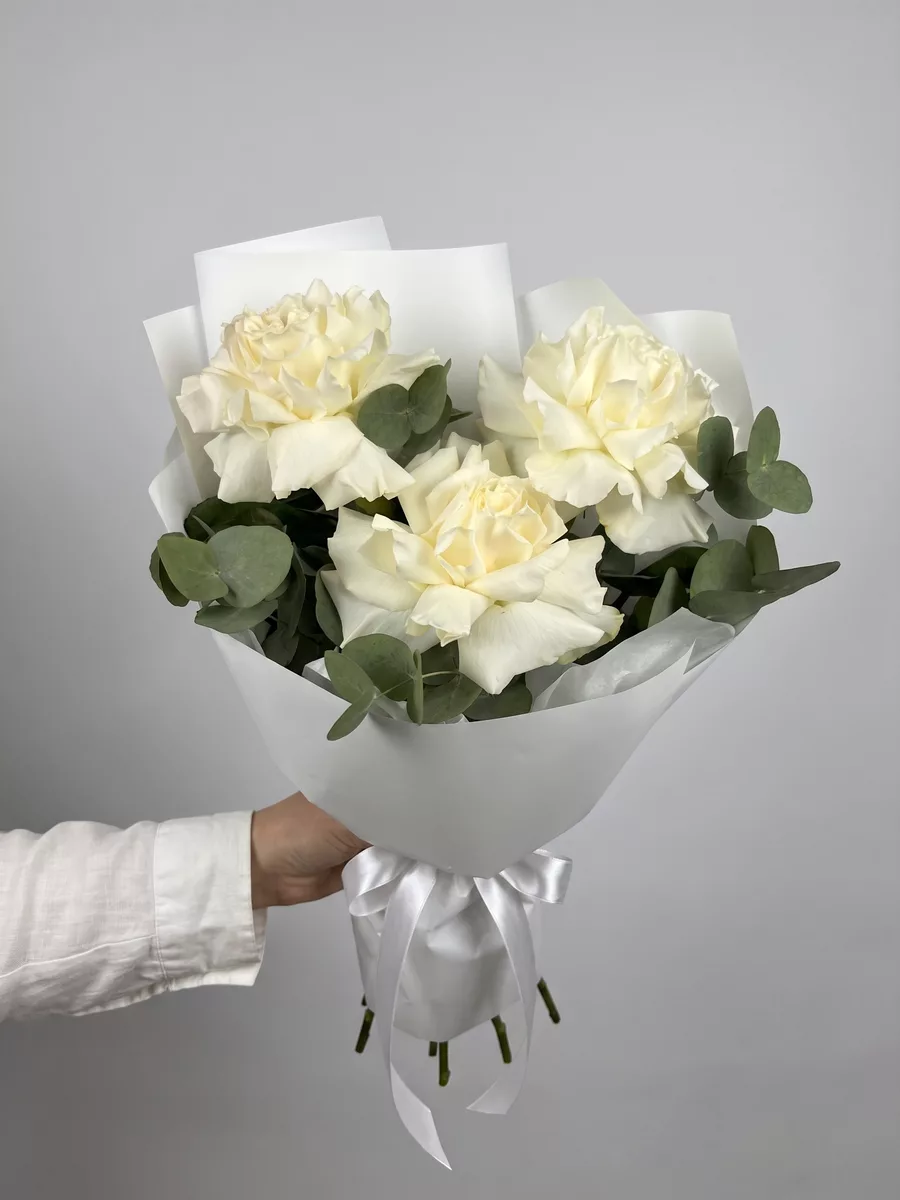
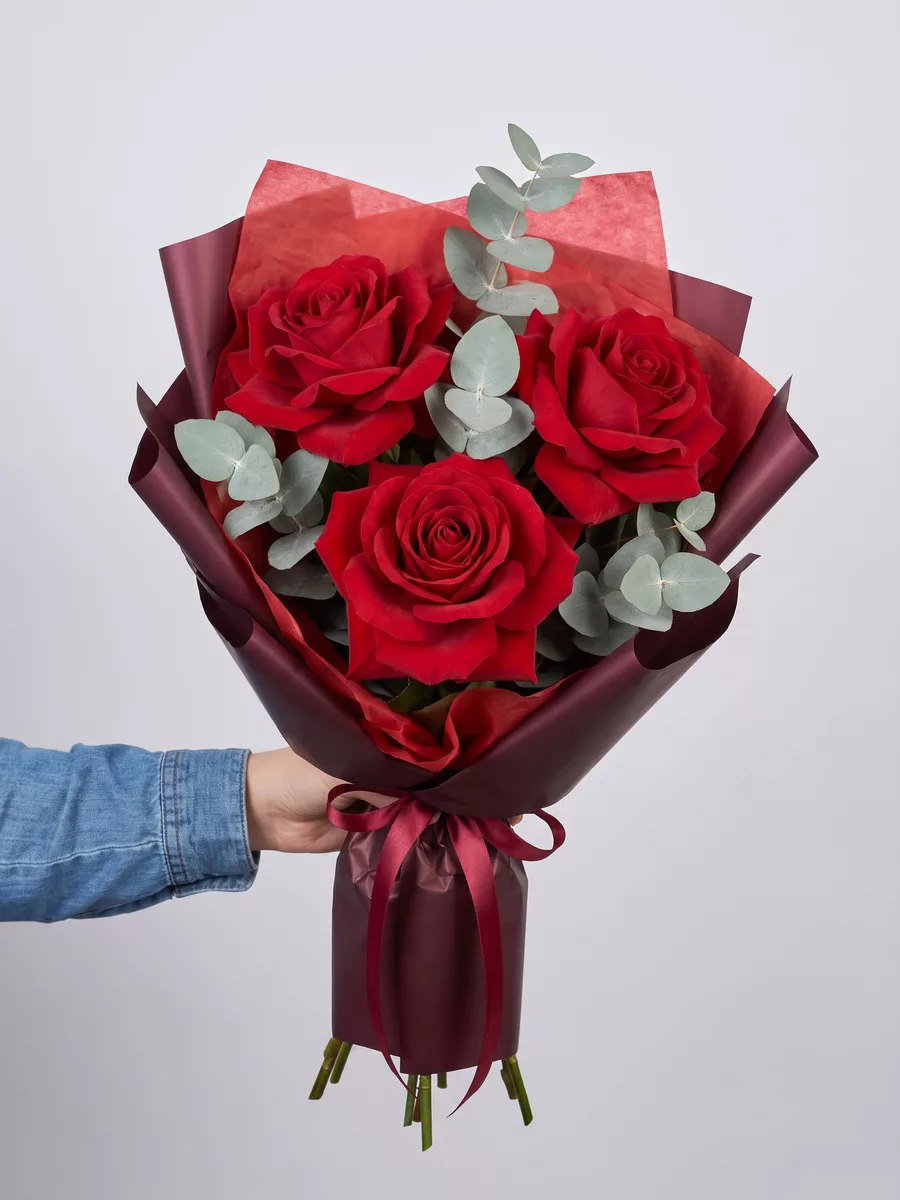
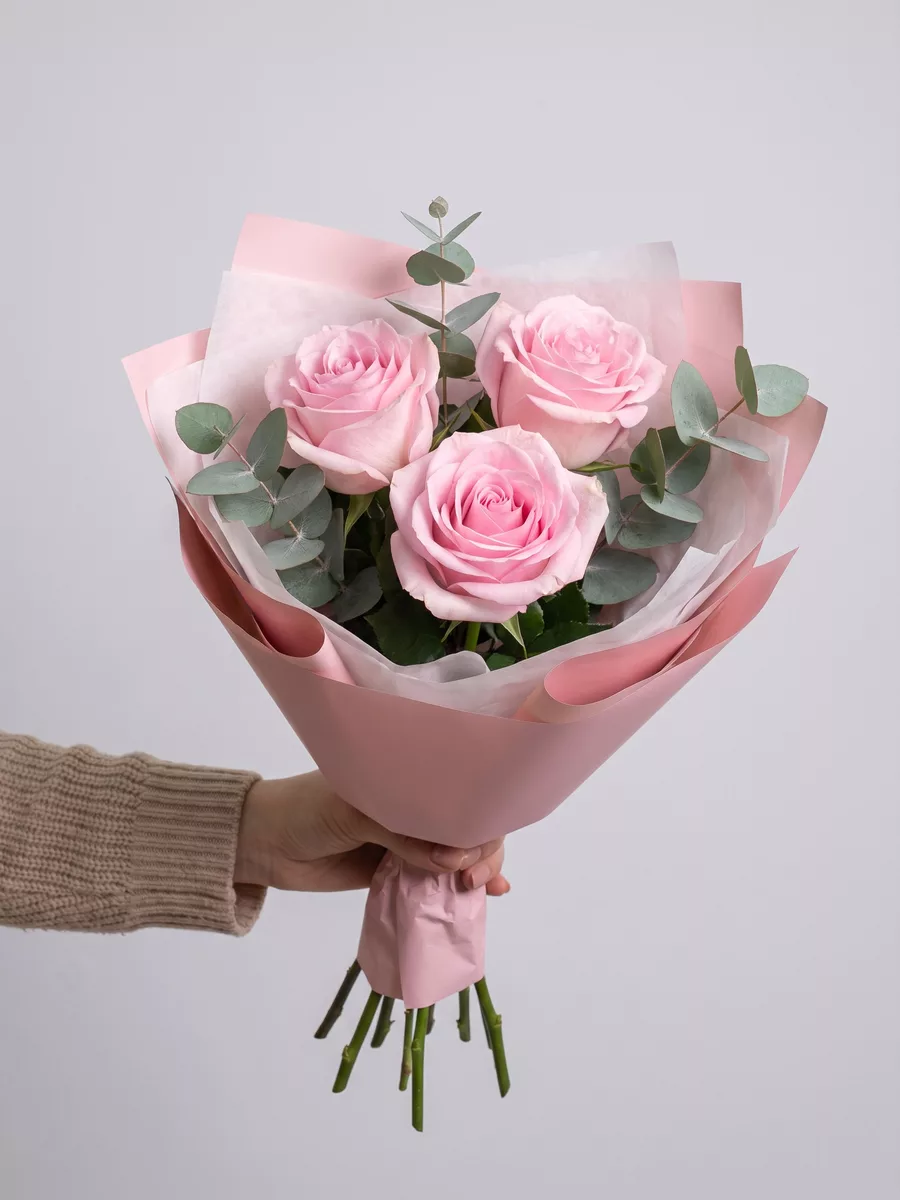
What Russian Gifting Customs Mean for Your Bouquet Choice
If you have not sent flowers inside Russia before, a few customs are worth knowing because they genuinely shape what feels right to the recipient. The most important one: always send an odd number of stems. Even numbers of flowers are associated with mourning in Russian tradition, so a bouquet of twelve roses or ten tulips would feel wrong to most recipients, even if they would never say so outright. Stick to seven, nine, eleven, fifteen or any other odd count and you are immediately in the right territory.
Colour carries meaning too, though less rigidly than the odd-number rule. Red roses read as romantic and passionate — a strong choice for a partner, a potentially awkward one for a colleague or distant aunt. White flowers are elegant and widely appreciated across occasions. Yellow flowers, which carry negative associations in some other cultures, are perfectly cheerful and well-loved in Russia, particularly sunflowers and yellow tulips.
Wrapping style matters as much as the flowers themselves. Russian bouquets tend to be generously wrapped, often with the stems exposed in a cone of craft paper or with the whole arrangement in a round of cellophane tied with ribbon. This presentation signals care and effort. When you place your order, describing the occasion — a birthday, an anniversary, a new job, a thank-you — lets the florist choose wrapping and ribbon colours that suit the mood rather than defaulting to something generic. A few words of context make a real difference to the final result.
Choosing the Right Flowers for the Ural Climate and the Season
The Ural region has four very distinct seasons, and matching your flower choice to the time of year is one of the most practical things you can do. In winter, roses, chrysanthemums, alstroemeria and carnations are your most reliable options. These varieties handle cold transport well and have strong vase life even when the air inside Ural apartments is dry from central heating. Avoid delicate tropical flowers like strelitzia or anthuriums in January or February unless you know the recipient's home is warm and the delivery is door-to-door with no outdoor wait.
Spring in Alapaevsk arrives later than in Moscow or Saint Petersburg — often not until late April. Tulips, hyacinths and ranunculus are wonderful choices from March onward and feel genuinely seasonal rather than forced. By May, peonies begin to appear, and they are enormously popular across Russia for spring and early summer occasions.
Summer brings the widest choice: garden roses, lisianthus, dahlias, sunflowers and mixed seasonal arrangements all feel natural and generous. Autumn is the season for chrysanthemums, which come in a huge range of colours and last exceptionally well — up to two weeks in a vase with proper care. Eustoma, also called lisianthus, is another autumn standout: it looks like a smaller, more delicate rose and holds its shape beautifully.
If you are unsure of the season's best option, simply share the date and the occasion when you order. A good florist will steer you toward what is freshest and most fitting.
Timing Your Order When You Are in a Different Time Zone
The time zone gap between Alapaevsk and most international senders is the single most common source of confusion. Alapaevsk runs on Yekaterinburg time, UTC plus five, all year round — Russia does not observe daylight saving time, which actually makes the calculation simpler once you know the base offset. From Western Europe you are typically four to five hours behind; from the East Coast of North America, eight hours; from the West Coast, eleven hours.
The most reliable window for delivery in Alapaevsk is between ten in the morning and seven in the evening local time. That means if you want a midday surprise for your recipient, you need to have your order placed and confirmed well before seven in the morning Alapaevsk time — which could be two or three in the morning your time if you are in North America. This is exactly why placing orders the evening before your local day is the approach that works most consistently.
For significant occasions — a landmark birthday, an anniversary, the first day of a new job — consider placing the order two days ahead. This gives flexibility if you need to adjust the delivery window or add a message card. It also removes the anxiety of last-minute time zone arithmetic.
When you place your order, always enter the delivery time in Alapaevsk local time, not your own. Double-check this step: it is the most frequent mistake international senders make, and it is entirely avoidable. The order form will ask for a delivery window; think of your recipient's schedule, not yours.
Writing a Message Card That Lands Well Across the Distance
A handwritten-style message card tucked into the bouquet is one of the details that transforms a flower delivery into a memory. When you are sending from abroad, the card does something extra: it makes the physical distance collapse for a moment. The recipient holds something you chose, with words you wrote, delivered to their door. That is worth taking seriously.
In terms of language, Russian recipients will appreciate a card in Russian if you can manage even a simple phrase — many online translation tools handle short, warm messages reasonably well. Something as simple as 'S dnem rozhdeniya' (Happy Birthday) or 'Pozdravlyayu' (Congratulations) followed by a sentence in your own language is perfectly charming and shows effort. If you prefer to write entirely in English or another language, that is completely fine — the gesture is understood regardless.
Keep the message warm and specific rather than generic. 'Happy Birthday' alone is pleasant but forgettable. 'Happy Birthday — I still think about our trip to Lisbon every time I hear that song' is something a person re-reads. You know the recipient; use that knowledge. Even two or three sentences of genuine feeling will make the bouquet mean more than the most expensive arrangement paired with a blank card.
Avoid anything that requires explanation or context the delivery person might misread. Keep the tone positive, personal and direct. If the occasion is a professional achievement or a new home, a tone of warm congratulation works better than anything overly effusive. Match the register to the relationship.
Budget Ranges and What They Buy in Terms of Presentation
Flower budgets translate differently across countries, and international senders sometimes underestimate or overestimate what a given amount achieves in Russia. As a general frame: a modest but genuinely lovely bouquet — seven to nine stems of a single variety like spray roses or alstroemeria, well wrapped — sits at the lower end of the range and is a completely appropriate gift for many occasions. A mid-range bouquet allows for mixed arrangements, premium roses or peonies in season, and more elaborate presentation with a decorative box or hat box instead of paper wrapping.
At the higher end, you are looking at large statement arrangements: fifteen or more stems of premium varieties, designer packaging, possibly a complementary gift like a small box of chocolates or a scented candle added to the order. These are the bouquets that photograph beautifully and feel like an event in themselves.
For most international senders, the mid-range is the sweet spot. It is generous enough to feel significant without requiring you to worry about whether it was too much or too little for the relationship. A birthday for a close friend or family member, a congratulation for a colleague, a thank-you to someone who helped during a difficult time — all of these occasions are well served by a thoughtful mid-range arrangement.
When in doubt, choose quality of stems over quantity. Nine perfect long-stemmed roses make a stronger impression than fifteen mediocre ones. The florist's eye for proportion and freshness matters more than stem count, so trust the arrangement over the number when the two are in tension.
Helping Your Recipient Get the Most from Their Bouquet
Once the bouquet arrives, its lifespan depends almost entirely on what happens in the first thirty minutes. This is worth knowing as a sender because you can include simple care instructions on the card or in a follow-up message, particularly if your recipient is not someone who regularly receives flowers.
The first step is always a fresh diagonal cut on the stems — about two centimetres from the bottom — using a sharp knife rather than scissors, which can crush the stem's water channels. The bouquet should go into a clean vase with fresh, cool water immediately. Warm or stagnant water shortens vase life significantly. Changing the water every two days and re-trimming the stems each time will keep most arrangements fresh for considerably longer.
In Ural apartments, central heating runs hard through the winter and the air becomes very dry. This shortens the life of delicate flowers faster than in more humid climates. Keeping the bouquet away from radiators and out of direct sunlight adds days to its life. A cool room overnight — a hallway or a room with the window slightly open — is genuinely helpful for roses and tulips.
Roses should have their lower leaves removed before going into water: any leaf sitting below the waterline will rot and contaminate the vase. Tulips are notorious for continuing to grow after cutting and will lean dramatically toward light sources — rotating the vase helps keep them upright and even.
Sharing these small tips with your recipient, even casually in a message, shows that the gift was thought about fully — not just ordered and forgotten.
Sending flowers to Alapaevsk from abroad is less complicated than the distance suggests, and far more meaningful than you might expect. The combination of a well-chosen variety for the season, an odd number of stems, a genuine message card and a delivery timed carefully to the Ural time zone is genuinely all it takes. Turboflora delivers directly across Russia, including Alapaevsk, within one to two hours of the agreed window — which means the care you put into choosing the bouquet is matched by the care taken in getting it there. The person on the other side of that distance will feel it.
Frequently asked questions
Does the extreme Ural winter cold affect which flowers I should choose for Alapaevsk?
Yes, and it matters more than most senders expect. Roses, chrysanthemums and carnations handle cold transit far better than tropical or thin-petalled varieties. In deep winter, from November through March, avoid flowers like orchids or open lilies that deteriorate quickly when temperatures drop sharply between the florist and the door. Ask Turboflora to recommend what is arriving fresh that week.
What time should I place my order from abroad to make sure it arrives on the right day in Alapaevsk?
Alapaevsk runs on UTC plus five, so your local evening is already their next morning. Placing the order before you go to sleep gives the team full working hours to prepare and deliver. For a birthday or anniversary where timing is personal, note the preferred delivery window in the order comments rather than leaving it open.
Can I include a message card in a language other than Russian, and will my recipient understand it?
You can write your message in any language and Turboflora will include it as written. If your recipient reads only Russian, consider writing a short warm line in Russian using an online translator, or ask the team to help phrase it. A handwritten-style card in your own language also carries its own meaning — it shows the message came directly from you.
Are there flowers or colours I should avoid when sending to Alapaevsk for a celebration?
Yellow flowers carry associations with separation or bad luck in Russian gifting tradition, so they are best avoided unless the recipient specifically loves them. All-white arrangements are more closely tied to mourning than to celebration. For birthdays, anniversaries or general affection, warm reds, soft pinks, coral tones and mixed seasonal palettes all read as genuinely festive to a Russian recipient.
How do I know the bouquet delivered in Alapaevsk will look close to what I ordered from abroad?
Turboflora assembles the bouquet locally in or near Alapaevsk from stock they hold, rather than shipping a pre-made arrangement across a long distance. What you select sets the style, colour palette and scale. Seasonal availability does mean occasional substitutions, but the team matches the mood of the order. Leaving a brief note about the occasion helps them make choices that feel right if one element needs to change.
Ready to send flowers?
Pick the city, choose the bouquet, and a local florist takes it from there.
Choose a city →