Sending Flowers to Alatyr from Abroad? Here Is Everything That Matters
You are sitting in another country, thinking of someone in Alatyr — a quiet city on the Sura River in the Chuvash Republic — and you want them to open their door to something beautiful. The distance feels enormous, but the gesture does not have to be complicated. What you do need is a clear picture of how flower delivery works in a Russian regional city, what your recipient will actually love, and how to avoid the small mistakes that turn a lovely idea into a stressful afternoon.
What Alatyr Is Like and Why It Matters for Your Order
Alatyr is a small, historically rich city with a population of roughly 35,000 people. It sits in the Chuvash Republic, about 150 kilometres south of Cheboksary, and it has a genuinely distinct character — Orthodox monasteries, quiet streets, a strong sense of community. People there notice thoughtful gestures. A bouquet arriving at someone's door is not an everyday event, and that makes your choice more meaningful than it might be in a large metropolitan city.
The climate matters practically too. Alatyr experiences proper continental seasons: sharp winters where temperatures drop well below minus fifteen Celsius, warm summers, and unpredictable transitional months in spring and autumn. In winter, flowers travel in insulated packaging and need to move quickly from van to doorway. In summer, heat can stress delicate petals during the final stretch of delivery. Knowing this helps you choose varieties that will actually arrive looking the way you imagined.
Because Alatyr is a regional city rather than a major hub, your recipient is likely to feel the arrival of fresh flowers even more keenly. There is less background noise of constant deliveries, fewer flower stalls on every corner. A well-composed bouquet landing on a Tuesday afternoon carries real weight here. Plan your order with that emotional impact in mind, and you are already ahead of most senders.
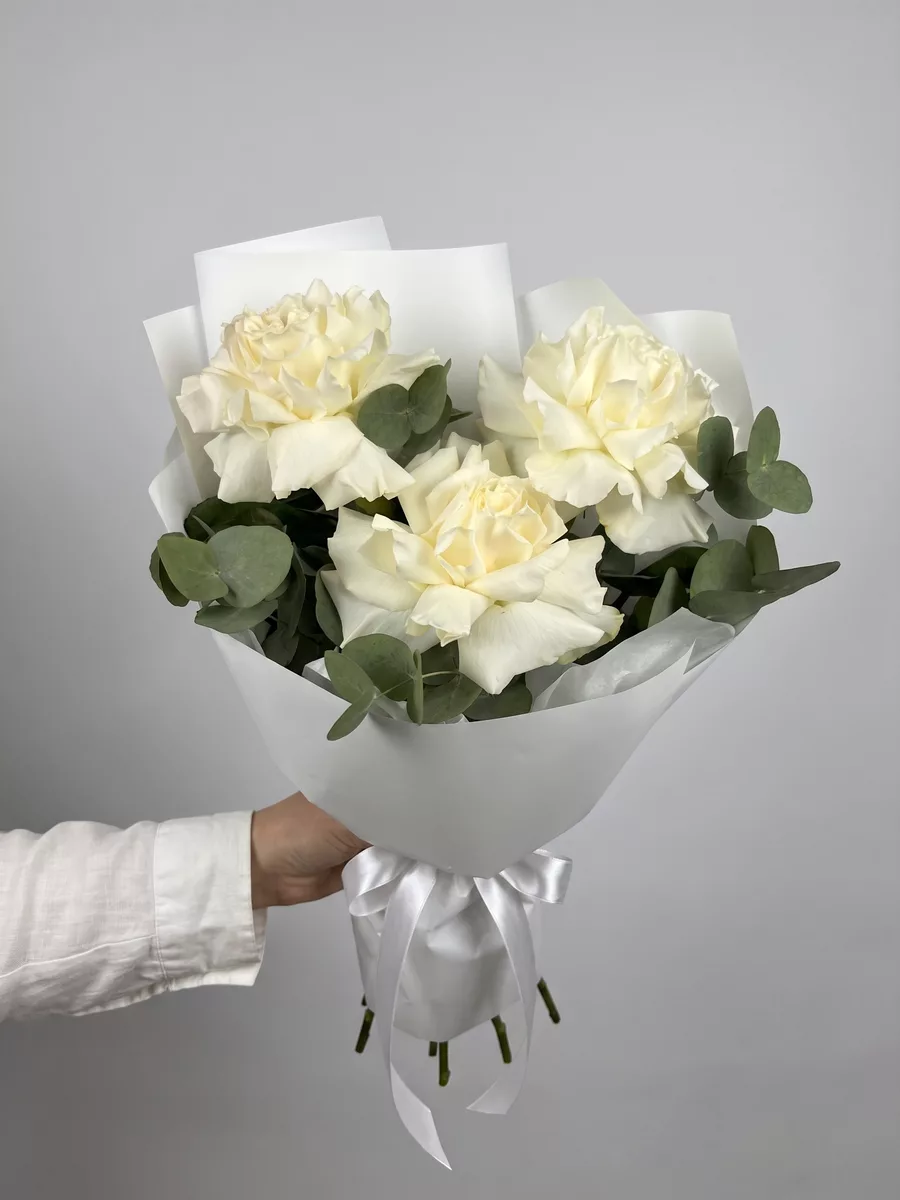
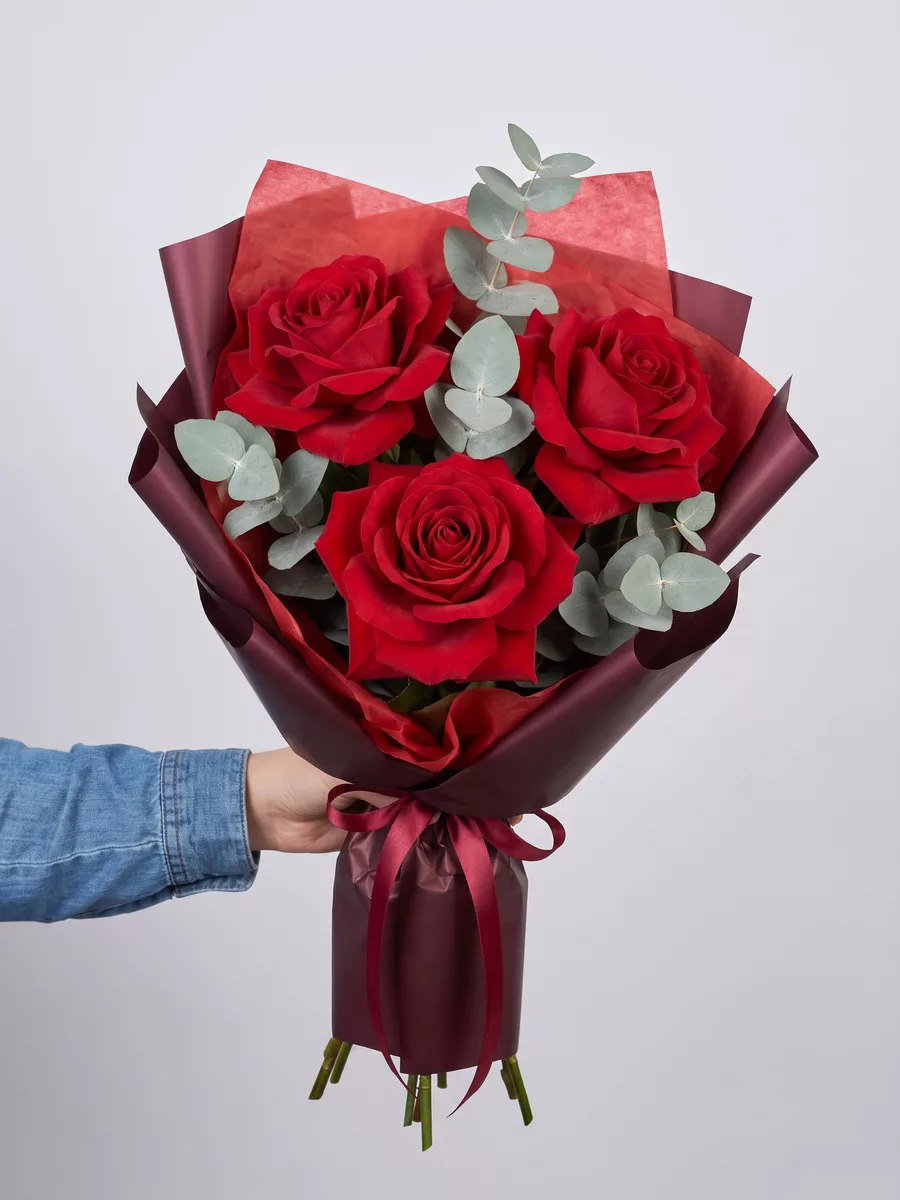
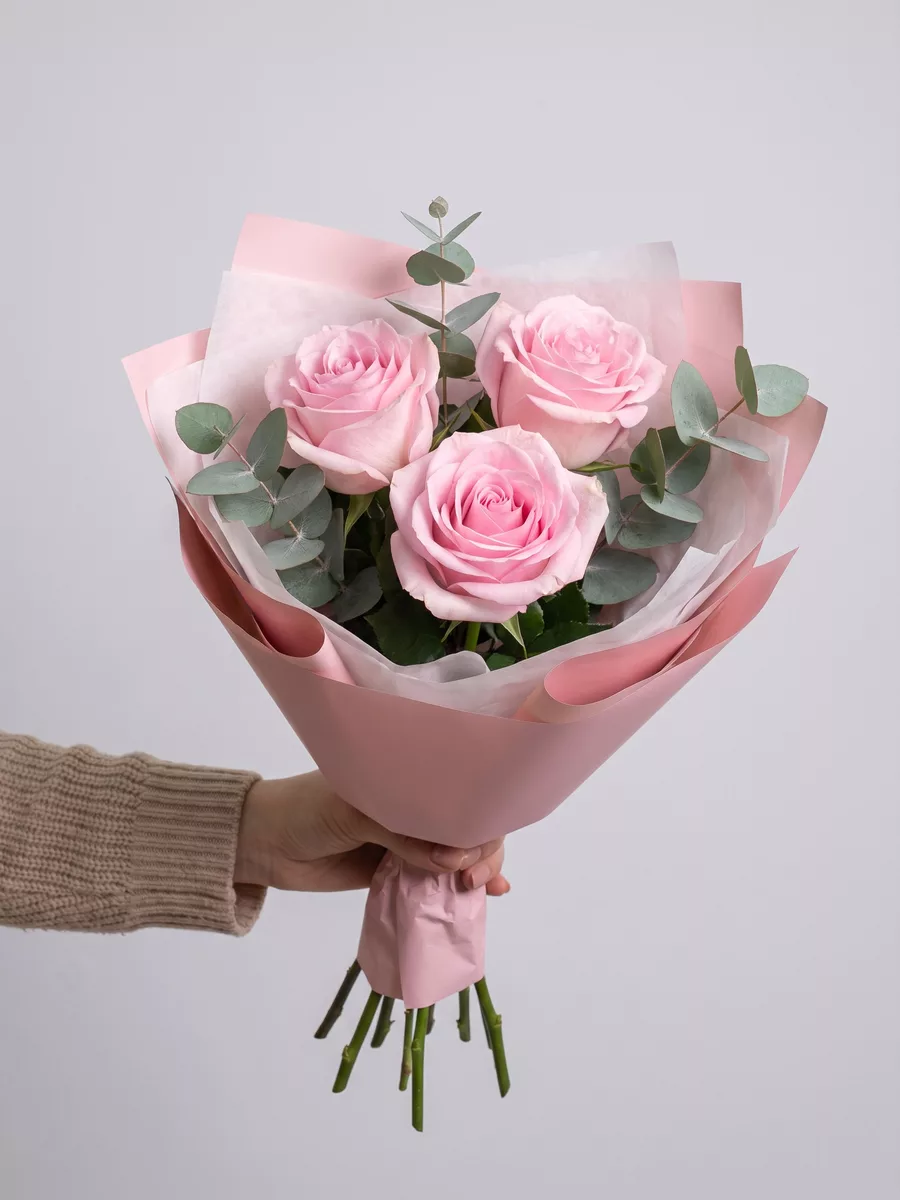
Bouquets we can deliver

Timing Your Order Across Time Zones
Alatyr follows Moscow Time plus one hour, placing it in the UTC+4 zone. If you are ordering from Western Europe, you are already three to four hours behind. From North America's East Coast, the gap is seven to eight hours. From the West Coast, it stretches to ten or eleven hours. This is not a reason to panic, but it is a reason to plan the evening before rather than the morning of.
Turboflora delivers within one to two hours of a confirmed order, which is genuinely fast. But that speed only helps you if you place the order at a sensible local time in Alatyr. Aim for delivery between ten in the morning and seven in the evening, Alatyr time. Early morning deliveries can catch people before they leave for work, which is sometimes wonderful and sometimes awkward. Late evening deliveries risk missing your recipient entirely.
For birthdays, anniversaries or any date that matters, add a full day of buffer if you can. Place the order the day before and schedule delivery for the morning of the occasion. This protects you against any unexpected delay and ensures the flowers are at their freshest when your recipient sees them. If you are marking a surprise, coordinate with someone close to the recipient who can confirm they will be home — a text to a family member or colleague costs nothing and prevents the bouquet from waiting on a doorstep in January frost.
Double-check the delivery address carefully. Russian addresses follow a specific format: city, street, building number, apartment number. Missing the apartment number is one of the most common mistakes international senders make.
Russian Flower Customs You Should Know Before You Choose
If you did not grow up with Russian traditions around flowers, a few things will surprise you. The most important one is the odd-number rule. In Russia, even numbers of flowers are associated with mourning and are brought to funerals or placed at graves. Always choose an odd number — three, five, seven, nine, eleven, fifteen, or more. A bouquet of twelve roses, however elegant it looks in a Western context, sends entirely the wrong message to a Russian recipient. Turboflora's florists always compose bouquets in odd numbers, so you are covered, but it is worth understanding why.
Colour carries meaning too, though less rigidly than the number rule. Red roses communicate romantic love clearly and universally. Yellow flowers have a mixed reputation in older Russian tradition — some associate them with parting or infidelity — though younger recipients in their twenties and thirties are far less likely to read anything into a cheerful yellow ranunculus or a sunflower. When in doubt, a mixed bouquet with warm pinks, whites and soft corals is universally safe and genuinely beautiful.
Wrapping and presentation matter enormously in Russian flower culture. A bare bunch of stems handed over without any packaging would feel unfinished. Expect your bouquet to arrive wrapped in kraft paper or soft fabric, with a ribbon and a card. This is standard, and your recipient will notice the care. If the occasion is a birthday or a celebration, you can request a more festive presentation when placing your order — this is a normal and welcome instruction for the florist.
Choosing Flowers for the Person, Not Just the Occasion
Start with who will receive them, not with what category the occasion falls into. A woman in her sixties who tends a garden will respond very differently to a bouquet than a young professional who lives in a modern apartment. The first might love peonies, garden roses and lisianthus — flowers with texture and fragrance that feel grown rather than manufactured. The second might appreciate a sculptural arrangement of anthuriums, calla lilies and eucalyptus that looks striking on a minimalist shelf.
For romantic occasions, garden roses in deep red or blush pink remain the most reliable choice. Spray roses add fullness and a softer texture at a lower stem cost, making them excellent for generous-looking arrangements. If your recipient has a preference for something less expected, tulips in spring are deeply beloved across Russia — they arrive in March and April in abundance and carry a freshness that roses cannot quite match in that season.
For celebrations that are not romantic — a new job, a graduation, a housewarming — think about chrysanthemums, which are widely appreciated and extremely long-lasting, or gerberas in warm oranges and yellows if your recipient is the sunny, energetic type. Alstroemeria is another excellent choice for celebratory moments: it comes in a wide range of colours, holds up beautifully in a vase for up to two weeks, and looks generous without being heavy.
When you genuinely do not know the recipient's taste, a mixed seasonal bouquet is never wrong. A skilled florist builds something coherent from whatever is freshest that day, and freshness always wins over a specific variety that has been sitting in cold storage for a week.
Bouquet Size and Budget: How to Think About It
Bouquet size in Russia is often read as a measure of the occasion's importance. A small five-stem arrangement is a warm, thoughtful gesture — appropriate for a thank-you, a get-well wish, or a small personal milestone. A larger fifteen to twenty-five stem bouquet signals that this is a significant moment: a major birthday, an anniversary, a promotion worth genuinely celebrating. When you are ordering from abroad and the recipient cannot see the effort of the international coordination behind the bouquet, the size of the arrangement becomes one of the few visible signals of how much you care.
This does not mean you need to spend extravagantly. Seasonal flowers are always more affordable than out-of-season imports, and they are also fresher. In spring, tulips and ranunculus give enormous visual impact for their cost. In summer, sunflowers and lisianthus create full, joyful arrangements without heavy expense. In autumn, chrysanthemums and dahlias are at their best and most affordable. Ask the florist to work with what is freshest rather than insisting on a specific variety out of season — you will get a better result.
Adding a small extra — a box of chocolates, a potted plant, a soft toy for a child — is completely normal in Russian gifting culture and will make the delivery feel more complete. If the recipient lives alone or is celebrating at home rather than at a party, a thoughtful addition like this turns a bouquet into a full moment. Mention it when placing your order and the florist will compose it into a single, coherent delivery.
How to Write the Card When You Are Far Away
The card is the part of the delivery that travels furthest — past the wrapping, past the flowers, straight to the person. When you are sending from another country and cannot be there yourself, the message on the card carries an extra weight. Do not waste it on something generic. A few specific, honest sentences land far better than a polished but impersonal paragraph.
You can write in English if your recipient reads English — many Russians do, particularly those under fifty. If you want the message in Russian and you are not a fluent speaker, keep it short and use a reliable translation tool rather than a complex phrase that might come out awkwardly. A simple, warm sentence in correct Russian is far more touching than an elaborate one that reads strangely. Turboflora's team can help format the card text when you place your order.
Mention something specific. Not just "Happy Birthday" but "Happy Birthday — I still think about the summer we spent in Sochi and I hope this year brings you something as good." Specificity is what makes a card from far away feel close. If the occasion is not a birthday — if it is simply a Wednesday and you are thinking of someone — say that plainly. "I was thinking of you today and wanted you to know it" is a complete and beautiful message.
Avoid very long messages on the card itself. Two to four sentences is the sweet spot. If you have more to say, say it in a separate message after the delivery — let the flowers arrive first, let your recipient feel the surprise, and then follow with your words.
After Delivery: Vase Life and What Your Recipient Should Know
Fresh flowers from a professional florist, properly conditioned and delivered quickly, will last significantly longer than supermarket bunches. Roses, when cared for correctly, will hold for seven to ten days. Alstroemeria and chrysanthemums can last twelve to fourteen days or more. Tulips are shorter-lived — five to seven days — but they continue to grow and move in the vase, which is part of their particular charm. Lisianthus is one of the longest-lasting cut flowers available, often staying beautiful for two weeks.
The most important thing your recipient can do in the first hour is cut the stems. A diagonal cut of about two centimetres, made with a sharp knife rather than scissors, opens the stem properly and allows water uptake. Scissors can crush the stem tissue and reduce vase life significantly. The water should be clean and cool — not cold, not warm. Changing the water every two days and re-trimming the stems each time extends the life of almost any bouquet.
Keep the bouquet away from direct sunlight, radiators and fruit bowls. Ripening fruit releases ethylene gas, which accelerates the aging of cut flowers — this is a genuinely common cause of premature wilting that most people never suspect. A cool room, indirect light and clean water are the three things that matter most.
If your recipient has never received a professional bouquet before, a short voice note or message explaining these basics is a kind addition. It shows you thought about the full experience, not just the moment of opening the door. And it ensures that the flowers you chose from thousands of kilometres away stay beautiful for as long as they possibly can.
Sending flowers to Alatyr from another country is a genuinely moving thing to do. The distance makes the gesture larger, not smaller — your recipient knows that you thought carefully, navigated time zones, wrote out an address in a city you may never have visited, and chose something beautiful for them specifically. Get the timing right, choose flowers that suit the person rather than just the occasion, follow the odd-number rule, and write something honest on the card. Turboflora handles the rest: fresh flowers, fast delivery, and a presentation that will make your recipient feel exactly as seen and valued as you intended.
Frequently asked questions
Can I order flowers for Alatyr delivery if I do not speak Russian?
Yes, completely. You can place your order in English through Turboflora's website. Provide the recipient's full address including apartment number, a contact phone number, and your card message. If you want the card written in Russian, keep the text simple and we can help format it correctly when you place the order.
How far in advance should I order from a different time zone?
Alatyr is UTC+4, so calculate the local time carefully before ordering. For important dates like birthdays or anniversaries, place your order the evening before — your evening, not Alatyr's. This gives you a full buffer and ensures delivery happens in the morning or midday of the occasion, when your recipient is most likely to be home and at their happiest.
Why do Russian bouquets always have an odd number of flowers?
Even numbers of flowers are traditionally associated with mourning in Russian culture and are brought to funerals or placed at memorials. Odd numbers — three, five, seven, and so on — are for living celebrations. This is taken seriously across all generations and regions. Every bouquet Turboflora composes follows this rule automatically, so you never need to count yourself.
What flowers hold up best in Alatyr's cold winter temperatures during delivery?
Chrysanthemums, spray roses and alstroemeria are among the most cold-tolerant cut flowers and travel well in winter conditions. Tropical varieties like anthuriums and orchids are more sensitive to temperature shock. In winter months, Turboflora uses insulated packaging and prioritises fast handover at the door to protect the bouquet from frost damage.
Can I include a gift alongside the flowers for a single delivery?
Yes, and it is very common in Russian gifting culture. Chocolates, a small potted plant, a stuffed toy for a child, or a candle can all be added to a flower delivery and composed into a single, coherent presentation. Mention what you have in mind when placing your order and the florist will arrange everything to arrive together as one complete gift.
Ready to send flowers?
Pick the city, choose the bouquet, and a local florist takes it from there.
Choose a city →