Sending Flowers to Aleysk from Abroad? Here Is Everything That Matters
You are sitting in Berlin, Toronto, or Dubai, and someone you care about is in Aleysk — a quiet city in the Altai Krai, deep in southwestern Siberia. You want to send flowers, but you are not sure how delivery works across that distance, what varieties survive the journey, or what a bouquet should look like for the occasion. This article answers all of that plainly, from the perspective of a florist who has handled exactly these requests many times.
Understanding Aleysk Before You Order
Aleysk sits in the Altai Krai region of Russia, roughly 280 kilometres from Barnaul. It is a mid-sized city by Siberian standards, with a population that takes flowers seriously — birthdays, anniversaries, and name days are all celebrated with fresh bouquets, often delivered to the door. Knowing this helps you calibrate your expectations: the recipient will appreciate the gesture fully, because giving flowers is deeply embedded in everyday Russian culture, not reserved for grand occasions.
The city experiences a continental climate with cold winters and warm summers. In January temperatures can fall well below minus twenty degrees Celsius, while July brings genuine heat above thirty. This matters for flower choice and for how the bouquet is packaged and transported. A delicate arrangement that would travel perfectly in Amsterdam in May needs extra insulation and a faster handover window in Aleysk in February.
When you order from abroad, you are not managing local logistics yourself — you simply place the order online, specify the recipient's address and a convenient delivery window, and the florist handles the rest. The key thing to understand is that the flowers are prepared fresh on the day of delivery, not shipped from your country. That is what makes same-day and one-to-two-hour delivery possible even in a city this size.
Bouquets we can deliver

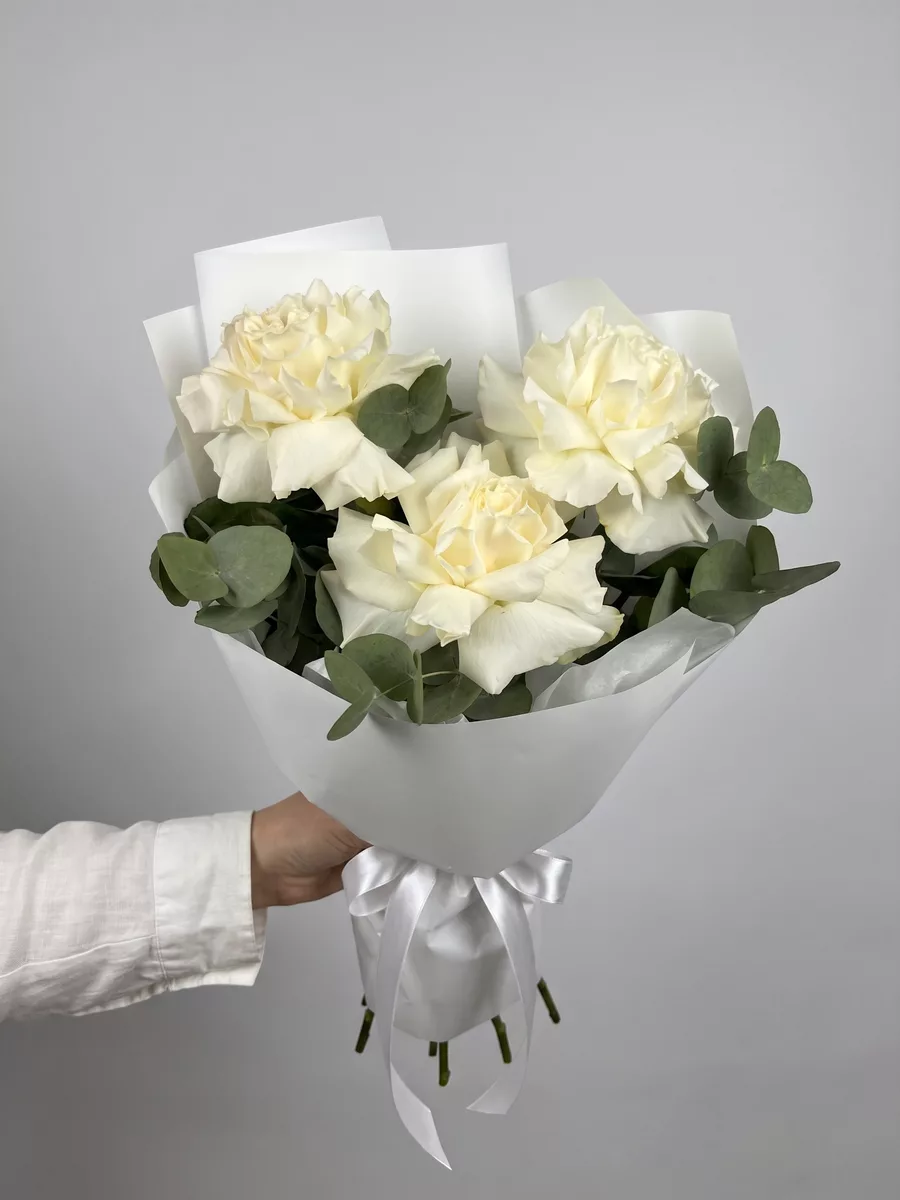
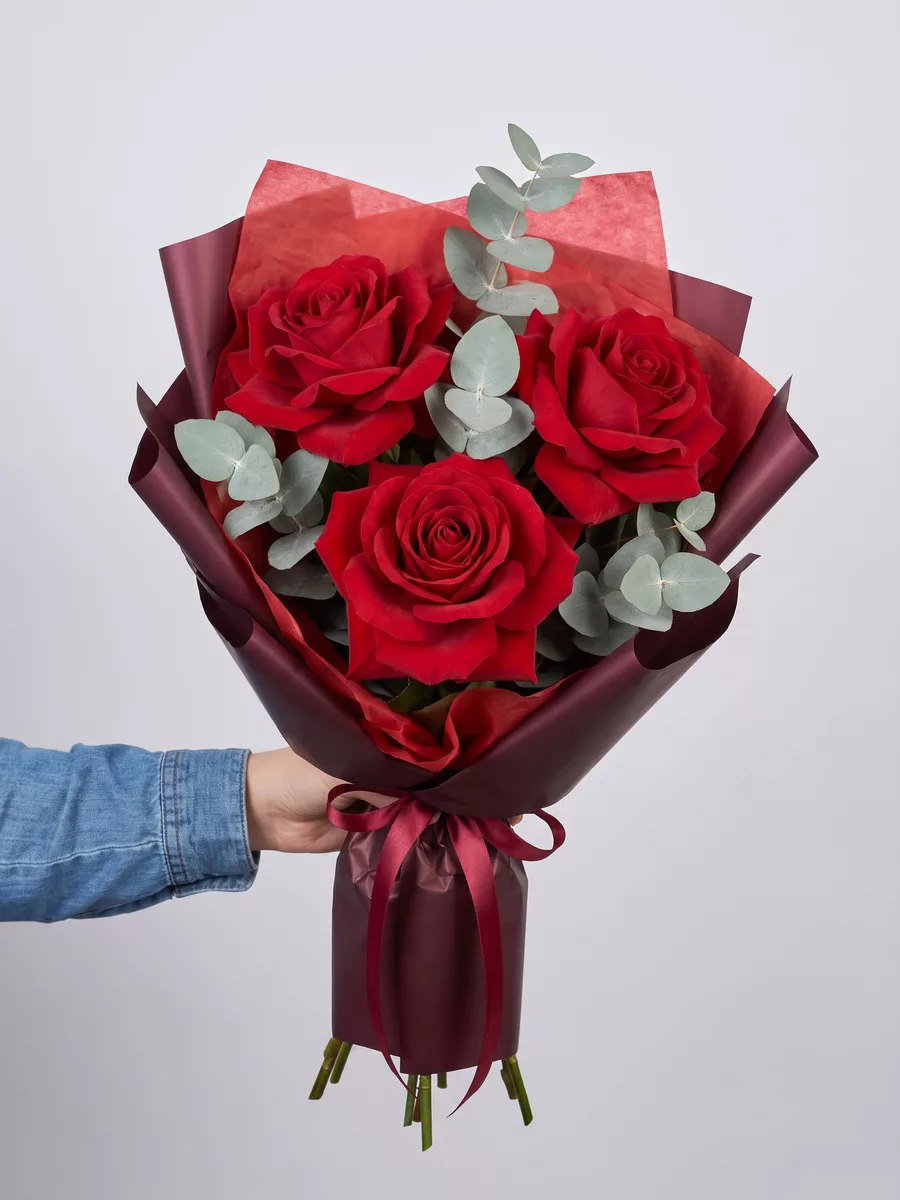
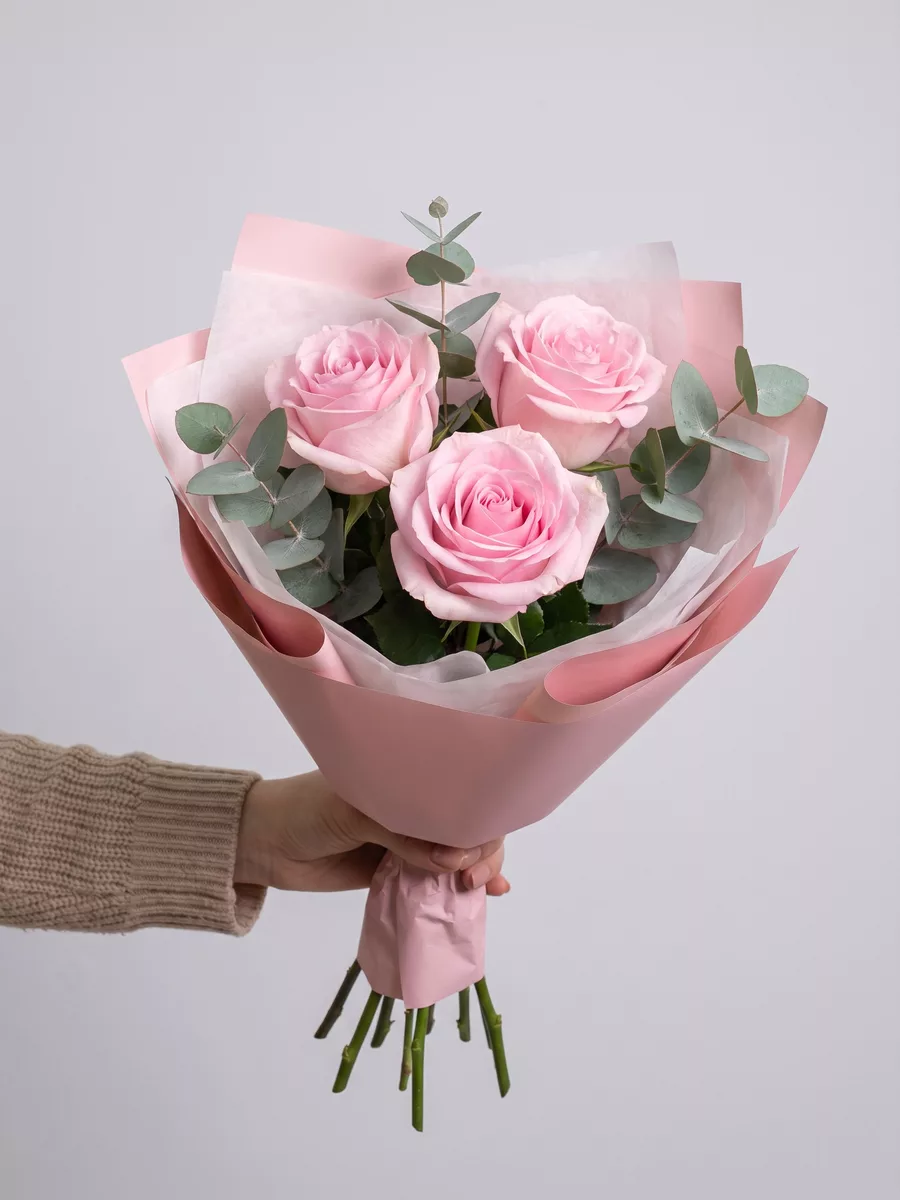
Choosing the Right Moment: Time Zones and Delivery Windows
Aleysk operates on Omsk Time, which is UTC plus six. If you are in London, that is eight hours ahead of you. If you are in New York, it is nine hours ahead. This gap is the single most common source of confusion for senders abroad. People place an order at what feels like mid-morning their time and are surprised to learn it is already evening in Aleysk. Always convert the time before you finalise your delivery window.
The most welcome delivery times for recipients in Aleysk are between ten in the morning and seven in the evening local time. Deliveries outside these hours are possible but should be confirmed in advance, especially if the recipient lives in a residential building where access may be restricted late at night. For a birthday surprise, mid-morning delivery — say, between ten and noon local — tends to land best. It gives the recipient the whole day to enjoy the flowers and show them to family or colleagues.
If you are ordering for a specific event — a graduation ceremony, an anniversary dinner — try to schedule delivery one to two hours before the event begins. Flowers arrive looking their best in that window, and the recipient has time to put them in water before guests arrive. Rushing a delivery to coincide exactly with a party means the bouquet may sit unattended while everyone is busy. A little buffer makes the whole experience more relaxed for everyone involved.
What Flowers Work Well for Aleysk's Climate and Occasions
Roses remain the most universally understood flower in Russia, and they travel and hold well across seasons. For a romantic occasion or a significant birthday, a mono-bouquet of garden roses or spray roses in blush, red, or deep burgundy reads clearly and warmly. Peonies are beloved in Russia but are seasonal — available from late spring through early summer — so if you are ordering in winter, do not expect them and do not force the request.
For everyday celebrations and friendlier occasions, chrysanthemums and alstroemeria are excellent choices. They are sturdy, have a long vase life of ten to fourteen days, and come in a wide range of colours. Lisianthus adds a soft, ruffled elegance that photographs beautifully and suits both young and older recipients. Gerberas bring energy and brightness, making them ideal for children's milestones or cheerful get-well situations.
In winter, avoid very delicate tropical varieties like anthurium if you are concerned about the cold transit between the car and the door. Roses, chrysanthemums, and carnations handle brief cold exposure far better. In summer, the risk shifts to heat — tulips in particular wilt quickly above twenty-five degrees, so they are better ordered in spring when Aleysk temperatures are still moderate. Eustoma and statice hold well in heat and add texture to summer arrangements without the fragility risk. Always mention the season and occasion when placing your order so the composition can be adjusted accordingly.
How to Frame the Occasion for a Russian Recipient
Russian flower-giving has its own logic, and understanding it helps you choose more confidently. Odd numbers of flowers are traditionally given to the living, while even numbers are associated with mourning — so a bouquet of eleven roses or twenty-five mixed stems is correct, while a neat dozen can feel jarring to someone who grew up with this convention. Most professional florists follow this rule automatically, but it is worth knowing so you understand why your bouquet of nine tulips is not a mistake.
Colour carries meaning too, though less rigidly than the odd-even rule. Red roses signal romance clearly in any culture. Yellow flowers were historically associated with parting or jealousy in Soviet-era culture, though younger Russians are largely unbothered by this. If you are unsure of your recipient's sensibility, a mixed bouquet with warm tones — coral, peach, white, soft pink — is universally safe and genuinely beautiful.
For a woman's birthday, a lush, generous bouquet tends to be the expectation. Compact posies are charming in Western European contexts but can read as understated in Russia, where abundance is part of the expression. For a man — a father, a colleague, a friend — a more structured arrangement with greenery, or a combination of flowers with a small plant, is often more comfortable. Do not overthink it, but do give the florist context: who the recipient is, what the occasion is, and what feeling you want to land. That information shapes the arrangement far more than any specific variety request.
Selecting by Budget Without Losing the Gesture
When ordering from abroad, currency conversion can make it hard to judge whether a price reflects quality or not. The practical approach is to think in tiers rather than exact amounts. A modest but sincere bouquet — something that arrives looking intentional and fresh, not thin — typically includes five to seven stems of a quality flower like roses or lisianthus, with greenery and proper wrapping. This is the minimum that reads as a real gift rather than an afterthought.
A mid-range bouquet moves into fifteen to twenty-five stems, often combining two or three varieties for texture and depth. This is the level that suits most birthday and anniversary occasions. The recipient feels genuinely celebrated without the sender needing to spend extravagantly. Adding a small gift — chocolates, a candle, a soft toy for a child — is common in Russia and lifts the overall impression without requiring a larger floral arrangement.
A premium bouquet uses seasonal premium varieties, elaborate wrapping, and generous volume. Hat-box arrangements and round-form bouquets wrapped in kraft paper with ribbon are particularly popular right now and photograph well for recipients who will share the moment on social media. If you are marking a significant milestone — a fiftieth birthday, a major professional achievement — this tier signals that you took the occasion seriously from across the world. The gesture of international delivery already carries weight; the bouquet itself should match that intention.
Giving Care Instructions Across the Language Gap
One genuinely useful thing you can do as a sender is include a short note with care instructions — or ask the florist to add one in Russian. Many recipients, especially older ones, know that flowers need water but may not know the specifics that extend vase life significantly. A little guidance turns a three-day bouquet into a ten-day one, and the recipient associates that longevity with the quality of your gift.
The basics: cut stems at an angle under running water before placing them in a vase, remove any leaves that would sit below the waterline, change the water every two days, and keep the arrangement away from direct sunlight, heating vents, and ripening fruit. Ethylene gas from fruit is a real enemy of cut flowers — roses especially will drop petals days early if left near a fruit bowl. This is not common knowledge outside florist circles, but it makes a measurable difference.
For specific varieties: roses benefit from a deep drink for the first hour — stems in at least ten centimetres of cool water. Chrysanthemums are forgiving and need only basic water changes. Lisianthus lasts longest in a cool room, ideally below twenty degrees Celsius overnight. Gerberas prefer shallow water — only three to four centimetres — because their stems rot quickly in deep vases. If the card with the bouquet includes even two or three of these tips in Russian, the recipient is far more likely to enjoy the flowers for their full natural lifespan.
Common Mistakes Senders from Abroad Make — and How to Avoid Them
The most frequent mistake is ordering too late in the sender's day without accounting for the time difference. Someone in Paris finalises an order at five in the evening their time thinking it will arrive that day — but it is already eleven at night in Aleysk. Always check the local time first, then decide whether same-day delivery is still realistic or whether scheduling for the following morning is the smarter choice.
The second mistake is being vague about the delivery address. Aleysk, like many Russian cities, has a system of apartment buildings with entrance codes, floor numbers, and intercom systems. If you know the recipient's full address including the apartment number and building entrance, include it. If you do not, it is better to coordinate with the recipient's family member or a close friend who can provide it. Delivery to a workplace is often simpler — a named office or organisation at a street address is easy to find.
The third mistake is choosing flowers based on what you personally love rather than what suits the recipient and the season. A sender in Australia in December might be thinking of summer flowers, but Aleysk is in deep winter at that point. Trusting the florist's seasonal recommendation over a personal preference almost always produces a better result. Mention the occasion, describe the recipient briefly — their age, your relationship, the feeling you want to create — and let the professional composition do the rest. That is what a good florist is for, whether you are ordering from next door or from the other side of the world.
Sending flowers to Aleysk from abroad is entirely straightforward once you account for the time difference, the season, and the occasion. The recipient will feel the thought behind the gesture — someone far away took the time to arrange something real, something that arrived fresh at their door. That is the part that stays with people long after the petals have fallen.
Frequently asked questions
Does the florist in Aleysk actually make the bouquet fresh, or is it shipped from another city?
The bouquet is made fresh in Aleysk on the day of delivery, not shipped from Barnaul or anywhere else. This is why same-day and one-to-two-hour windows are possible. You place the order online, the local florist prepares it that morning or afternoon, and a courier delivers it directly to your recipient's address.
What flowers hold up best in Aleysk during deep winter when temperatures drop below minus twenty?
Roses, chrysanthemums, and carnations travel the winter cold better than most. Lilies and gerberas are more sensitive to temperature shock during the final handover outdoors. A good local florist will wrap the bouquet in insulating paper and move quickly between vehicle and door, but choosing sturdier stems gives you an extra margin of safety in January and February.
How do I get the delivery timing right when I am eight or nine hours behind Aleysk?
Work backwards from when you want the bouquet to arrive. If you want a midday delivery in Aleysk, you need to place the order the night before from London or early that same morning from New York. Aleysk runs on UTC plus six, so confirm the local time before you submit. Most services show the delivery window in Aleysk local time, which removes the guesswork.
What occasion combinations are most appreciated in Aleysk, and does the bouquet size matter?
Birthdays and anniversaries are the two moments when size genuinely signals effort. A large mixed bouquet with roses and seasonal greenery reads as a serious celebration. For name days, something smaller and more considered — a single variety in a clean wrap — is equally well received. Aleysk recipients tend to notice presentation and freshness more than sheer volume.
Can I write a personal message to go with the bouquet, and will the florist deliver it accurately?
Yes. Most services that cover Aleysk allow you to add a card message when you place the order. You can write in English or your own language and the florist will include it as written, or you can ask for a Russian transliteration if you prefer. Keep the message short and the sentiment clear, and it will reach your recipient exactly as you intended.
Ready to send flowers?
Pick the city, choose the bouquet, and a local florist takes it from there.
Choose a city →