Sending Flowers to Amursk from Abroad? Here Is Everything That Matters
You are sitting in Berlin, Toronto or Tokyo, and someone you love is in Amursk — a quiet city on the Amur River in Russia's Far East. You want to send flowers, but you are not sure whether they will arrive fresh, whether the occasion calls for something specific, or whether Russian customs around flowers differ from what you know. They do, a little, and getting those details right is what turns a delivery into a genuinely moving moment for the person opening the door.
What Amursk Is Like and Why It Changes Your Flower Choices
Amursk sits in Khabarovsk Krai, roughly 350 kilometres north of Khabarovsk city, on the banks of the Amur River. The climate is sharply continental: winters drop well below minus twenty Celsius, summers are warm and humid, and spring arrives later than in European Russia. This geography matters directly for the flowers you choose and the way they travel to the recipient.
Because temperatures can be extreme, cold-sensitive varieties need careful wrapping and fast delivery. Roses, spray chrysanthemums, alstroemeria and carnations all handle temperature swings better than, say, open garden ranunculus or delicate sweet peas. In winter, a bouquet left in an unheated hallway for even twenty minutes can suffer petal damage, so the presentation packaging matters as much as the flowers themselves.
Amursk is a smaller city, which means the person receiving your flowers will feel the gesture even more keenly than they might in a large metropolis. There are fewer flower shops, fewer casual gifting moments, so a delivery from abroad carries real weight. Choose something with visual presence — a tall arrangement or a wrapped bouquet with contrasting textures — rather than a minimal handful of stems. The occasion will feel proportionate to the distance you bridged to make it happen.
Bouquets we can deliver

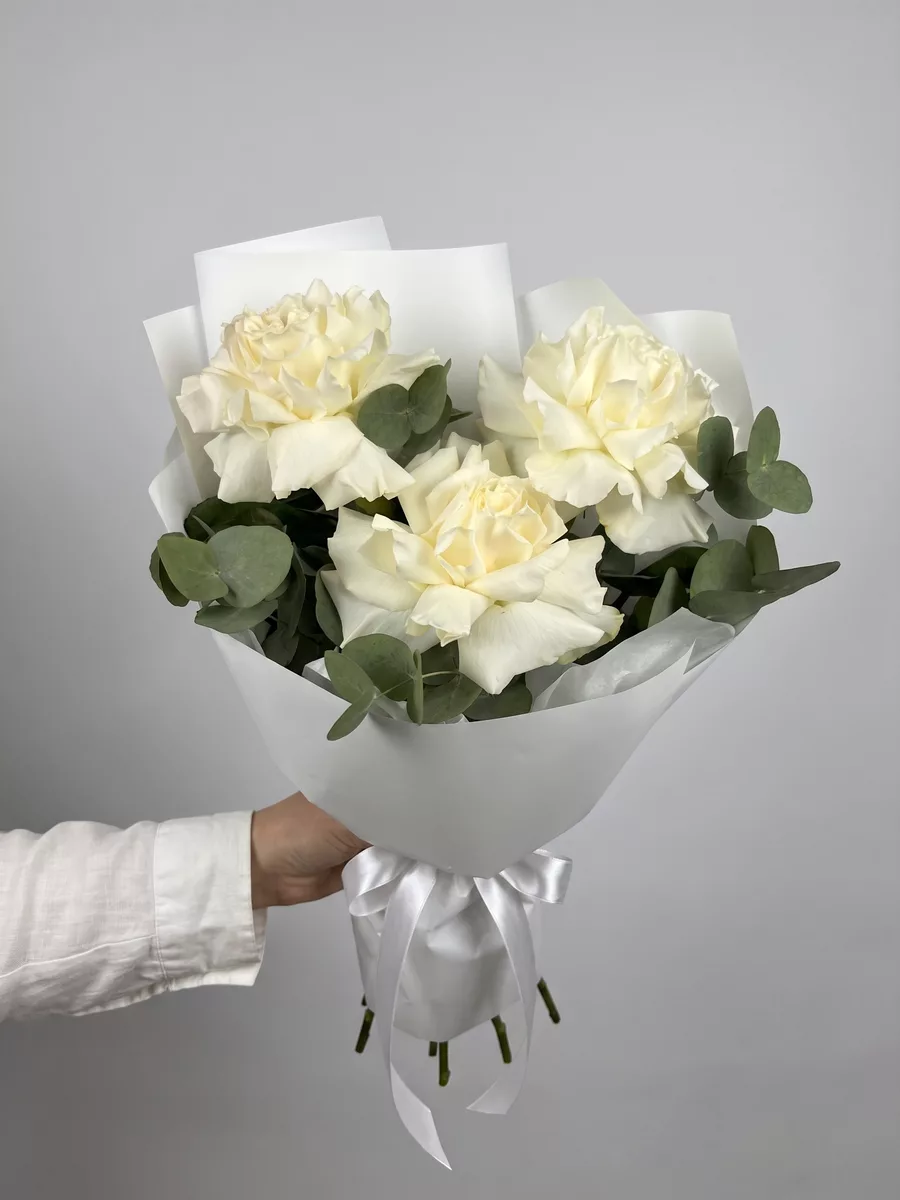
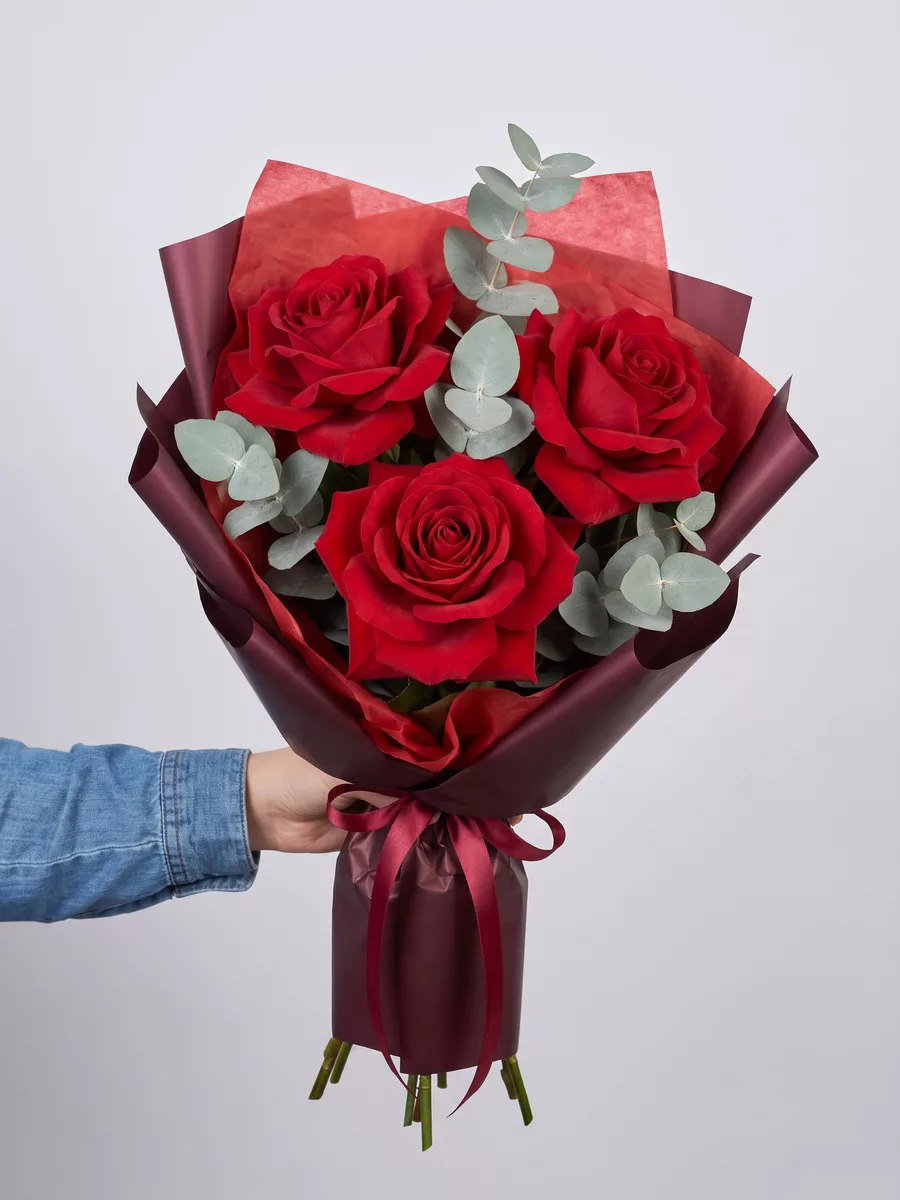
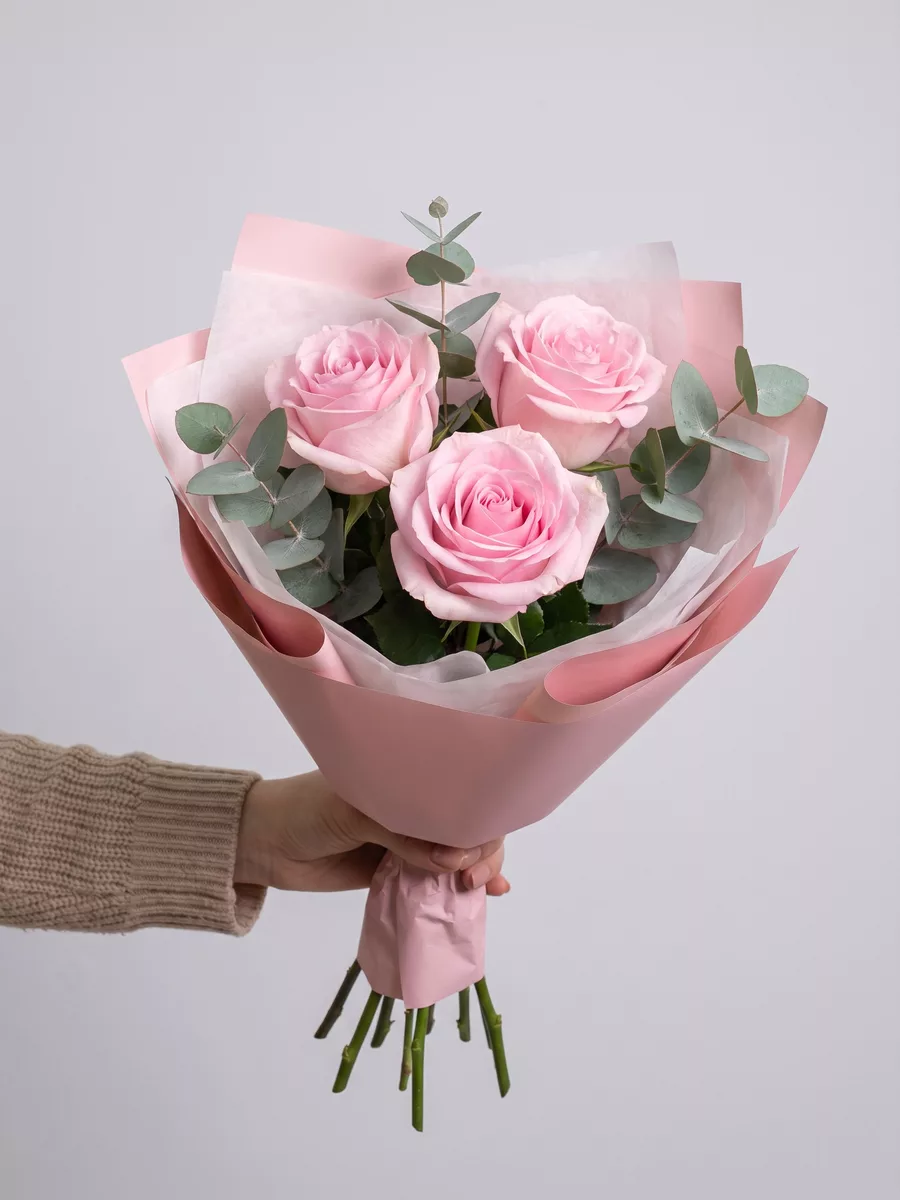
Russian Gifting Customs You Should Know Before You Order
Russia has a few gifting traditions around flowers that are worth understanding before you place an order, especially if you are sending from a country where these norms do not exist. The most important one is the odd-number rule. Bouquets in Russia are traditionally given in odd numbers — one, three, five, seven stems — because even numbers are associated with condolence situations. If you are ordering a celebratory bouquet, always confirm or request an odd stem count.
Red roses carry a strong romantic meaning and are completely appropriate for a partner or spouse. However, sending red roses to a colleague, a teacher or an older relative can feel slightly awkward in the Russian context. For those relationships, mixed bouquets, white or yellow flowers, or combinations built around chrysanthemums, eustoma or alstroemeria read as warm and respectful without the romantic undertone.
Yellow flowers deserve a special mention because some older Russians associate them with separation or bad luck. This belief is fading among younger generations, but if you are sending to someone over fifty and you are unsure of their views, it is safer to blend yellow blooms with white or orange rather than making yellow the dominant colour. A florist who knows the recipient's age and the occasion can always steer you toward a combination that feels celebratory and locally appropriate. When in doubt, ask — a good florist will tell you plainly what works for the situation.
Choosing the Right Bouquet for the Occasion and the Person
Start from who the recipient is and what they will feel when they open the door. A mother receiving flowers on her birthday wants to feel celebrated and remembered. A colleague being congratulated on a promotion wants to feel respected and seen. A partner on an anniversary wants to feel loved across whatever distance separates you. The flowers should match that emotional register before they match any budget.
For birthdays and anniversaries, roses remain the most universally understood choice. A bouquet built around garden roses or spray roses, filled out with eucalyptus and white eustoma, photographs beautifully and lasts well. For congratulations on professional achievements, something architectural works better — tall stems, strong shapes, a mix of calla lilies with sturdy foliage or a monochromatic arrangement of white chrysanthemums. These read as elegant rather than sentimental.
For a new baby or a housewarming, soft palettes work well: blush pinks, creams and peach tones using alstroemeria, spray carnations and wax flower. These combinations feel celebratory without being overwhelming. If the recipient is a child or a teenager, something bright and playful — sunflowers mixed with bold orange gerbera — will genuinely delight them in a way that a formal rose bouquet will not. Think about what the person will feel when they unwrap it, and let that guide the colour and style before you think about individual varieties.
Timing Your Order Across Time Zones — Getting This Right
Amursk operates on Moscow time plus seven hours, which is UTC plus ten. If you are in London, that is a ten-hour difference. If you are on the North American East Coast, it is thirteen hours ahead. This gap is the single most common source of mistakes for senders abroad, and it is worth spending two minutes on a time zone converter before you place your order.
The practical consequence is that if you want flowers delivered at noon in Amursk on a Tuesday, you need to place your order on Monday evening from London or Monday morning from New York. Delivery windows of one to two hours mean the order needs to be in before the working day in Amursk begins, not as it ends. Birthdays and anniversaries are date-specific, and a bouquet arriving a day late because of a time zone miscalculation is genuinely disappointing for the recipient.
Also consider the day of the week. Weekday deliveries during business hours are the smoothest. Weekend deliveries, especially Sunday mornings, can be arranged but it is worth confirming availability when you order. If the occasion falls on a Russian public holiday — Victory Day on the ninth of May, International Women's Day on the eighth of March, or New Year — demand spikes sharply and ordering well in advance is essential. The eighth of March in particular is Russia's biggest flower-giving day of the year, comparable to Valentine's Day and Mother's Day combined. Plan at least several days ahead for that date.
Budget Ranges and What They Get You in Practice
When you are ordering from abroad, you are working in roubles, and the exchange rate will shift the perceived cost depending on your home currency. Rather than quoting specific figures, it helps to think in tiers based on what the bouquet actually looks like and how long it will last.
At the entry level, you get a single-variety bouquet of five to seven stems — roses, carnations or chrysanthemums — cleanly wrapped and delivered fresh. It is a genuine gesture and the recipient will appreciate it. It suits a casual congratulation or a thank-you to a colleague.
A mid-range bouquet introduces a second or third element: roses paired with eucalyptus and eustoma, or alstroemeria mixed with wax flower and seasonal greens. The arrangement has more visual depth, photographs well and feels considered rather than routine. This tier suits birthdays, anniversaries and meaningful milestones.
At the upper end, you are looking at premium varieties — garden roses, calla lilies, peonies when in season — combined into a structured arrangement with a clear colour story and professional presentation. These bouquets make an immediate impression at the door and last longer because the stems are fresher and more robust. They suit landmark occasions: a significant birthday, a wedding anniversary, a major professional achievement. Whatever tier you choose, always add a personalised card message. In Russia, the written word accompanying flowers carries real emotional weight, and a message in the recipient's own language — even if translated — will be remembered long after the petals have fallen.
Vase Life and Care Instructions for the Recipient
One of the kindest things you can do as a sender is make sure the recipient knows how to keep the flowers looking their best. Most people in Russia know the basics, but a short note with the delivery is always welcome — especially if the recipient is older or not accustomed to receiving cut flowers regularly.
Roses and eustoma last longest when cut stems are trimmed at a diagonal under running water and placed in a clean vase with cool water. The water should be changed every two days, and the vase should sit away from direct sunlight, radiators and fruit bowls. Ethylene gas from ripening fruit shortens the life of almost every cut flower, and in Amursk's dry heated interiors during winter, this is a particularly relevant tip.
Alstroemeria and carnations are among the longest-lasting cut flowers and will hold well for ten to fourteen days with basic care. Chrysanthemums are similarly robust. Roses, depending on variety and how they were handled in transit, typically last five to eight days. Calla lilies prefer cool water and minimal handling — they bruise easily but are beautiful for four to six days. If the bouquet arrives with a sachet of flower food, the recipient should use it: it genuinely extends vase life by providing nutrients and inhibiting bacterial growth in the water. A small care card tucked into the wrapping takes seconds to include and makes the gift feel complete.
How to Place Your Order Smoothly from Outside Russia
Ordering from abroad is straightforward once you know the steps. You will need the recipient's full delivery address in Amursk, including the apartment number and entry code if there is a secured building entrance — this is common in Russian residential blocks. Without the entry code, the courier cannot reach the door. A mobile phone number for the recipient is also essential, as the courier will call ahead to confirm the delivery.
Payment from abroad is handled online, and international cards are accepted. The order form will ask for your preferred delivery time window — remember to convert from your local time to Amursk time before selecting a slot. If you are uncertain, write the intended local delivery time in the order notes and the team will confirm the slot matches.
For the card message, you can write in English and request a Russian translation, or write in Russian if you are comfortable doing so. Either approach works, but a message in Russian will feel more personal to a recipient who does not speak English. Keep the message warm and specific — mention the occasion, use the person's name, and say something only you would say. Generic messages read as generic regardless of the flowers they accompany.
If you have any doubt about variety availability — peonies, for example, are only in season from late spring to early summer — it is worth asking before you order. A florist who is honest about what is fresh that week will always give you a better result than one who substitutes without telling you.
Sending flowers to Amursk from abroad is not complicated once you understand the time zone, the seasonal context and a few Russian customs around gifting. The distance between you and the recipient is exactly what makes the gesture meaningful — flowers arriving at a door in the Russian Far East, ordered from across the world, say something that a text message simply cannot. Choose for the person and the moment, get the timing right, and the flowers will do the rest.
Frequently asked questions
Does the odd-number rule apply when I send flowers from abroad, or is it only for in-person gifting?
It applies regardless of how the flowers arrive. If you are ordering from Berlin or Toronto for a birthday, anniversary or any celebratory occasion, choose an odd number of stems — seven roses, nine chrysanthemums, eleven alstroemeria. Even numbers are associated with mourning in Russian tradition, and a florist in Amursk will expect this convention even on international orders.
Will roses actually survive the journey to Amursk in deep winter given how cold it gets there?
Roses can arrive in good condition if the florist uses insulated wrapping and the delivery window is short — ideally under two hours from the shop to the door. The risk is not the bouquet in transit so much as the moment of handover in an unheated entrance or hallway. Ask the florist explicitly about cold-weather packaging before confirming your order.
Amursk is a small city — will a florist there be able to put together something that actually looks considered rather than just a basic bunch?
A good local florist will work with what arrives fresh from Khabarovsk suppliers, which typically means roses, spray chrysanthemums, carnations and seasonal greenery. Give the florist a colour direction and a mood rather than a specific variety list, and they will build something with presence. Trying to dictate rare stems from abroad usually produces a worse result than trusting their current stock.
What is the most appropriate flower choice for sending to an older Russian woman in Amursk, such as a mother or grandmother?
Chrysanthemums, carnations and roses are all well-regarded across generations in Russia and carry no awkward associations. A warm-toned arrangement — deep reds, soft pinks or cream with rich greenery — reads as respectful and generous. Avoid white flowers on their own for a celebratory occasion, as all-white arrangements lean toward funeral aesthetics in Russian visual culture.
How do I make sure the person in Amursk actually knows the flowers are from me and understands the message, given the language difference?
Most florists who accept international orders can include a card written in Russian if you provide the message in English. Keep the message short and direct so nothing is lost in translation — a sentence or two is enough. Confirm with the florist that a handwritten or printed card will accompany the bouquet, because a delivery without any note can feel anonymous, which defeats the purpose of sending from so far away.
Ready to send flowers?
Pick the city, choose the bouquet, and a local florist takes it from there.
Choose a city →