Sending Flowers to Apsheronsk from Abroad? Read This First
You are sitting in another country, thinking about someone in Apsheronsk — a birthday, an anniversary, a moment you wish you could be there for in person. The distance feels wide, but a bouquet that arrives fresh and beautifully arranged can close it in a way that a message simply cannot. This guide walks you through everything an international sender needs to know: the right flowers for the climate, the customs that matter, the timing that works, and how to make sure what arrives looks exactly as you imagined.
Why Apsheronsk Needs a Slightly Different Approach
Apsheronsk is a small city in the Krasnodar region of southern Russia, sitting in the foothills of the western Caucasus. That geography matters more than most senders realise. The summers here are genuinely hot — temperatures regularly climb above 30 degrees Celsius from June through August — and the winters are mild but damp. Both extremes affect how flowers travel and how long they last once they arrive.
In summer, delicate blooms like garden roses, sweet peas and ranunculus can wilt within an hour if left in direct sunlight after delivery. Sturdier choices — spray chrysanthemums, alstroemeria, lisianthus and tropical heliconia — hold their shape far better in the heat. In winter, frost is rarely severe enough to damage a bouquet in transit, but dampness can soften stems and speed up bacterial growth in the vase water.
For a sender abroad, the practical implication is simple: trust the seasonal recommendation rather than insisting on a specific variety you have seen in a photograph. A florist who knows the local conditions will always steer you toward flowers that will still look beautiful the following morning. The goal is not the perfect order confirmation — it is the expression on the recipient's face when the door opens.
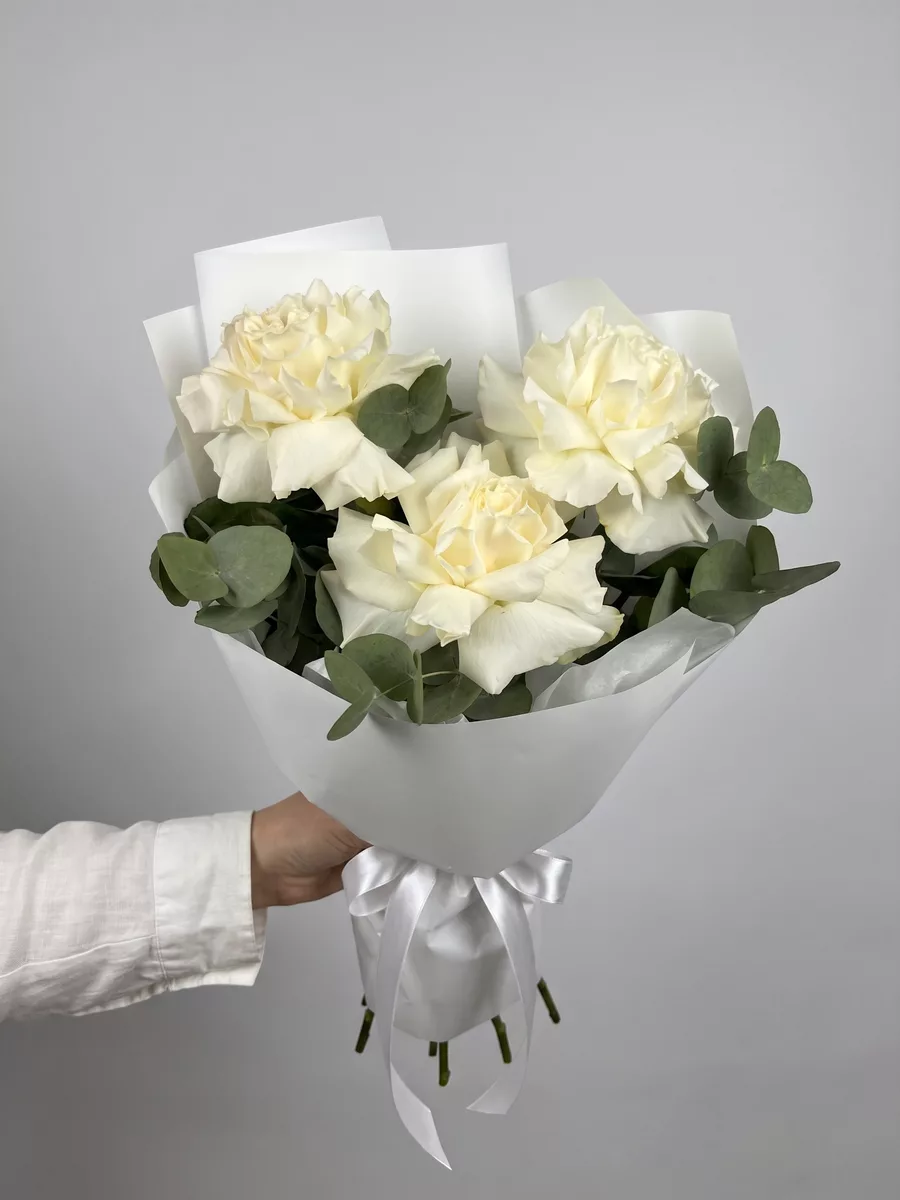
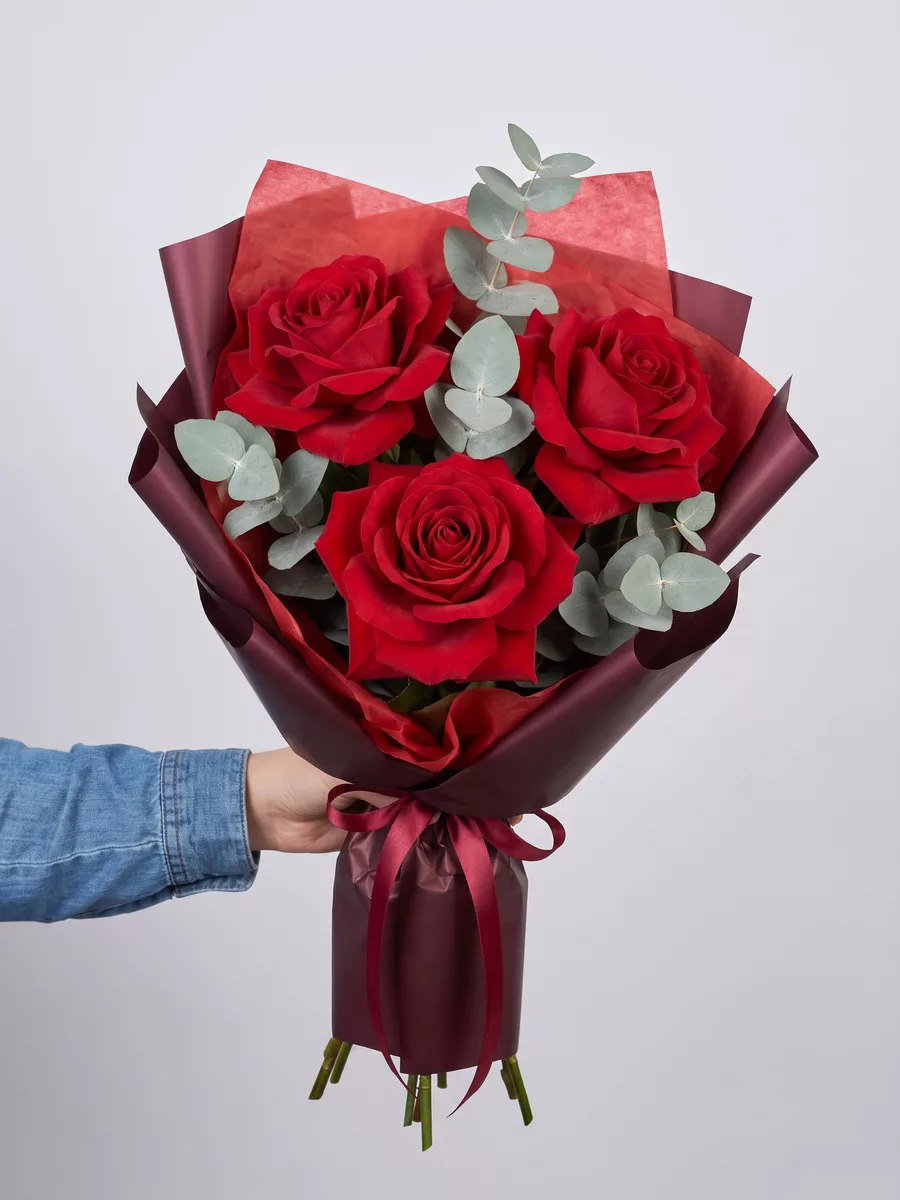
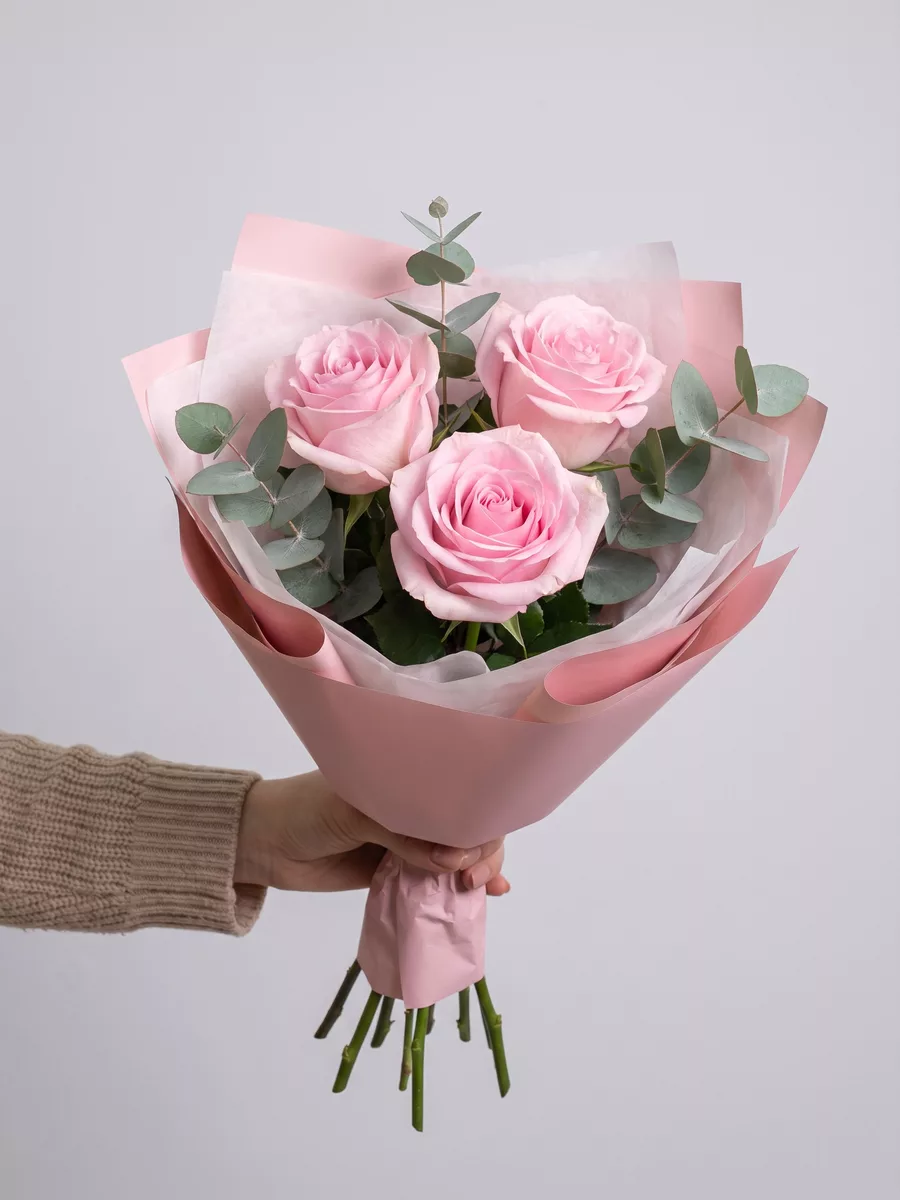
Bouquets we can deliver

Understanding Russian Gifting Customs Before You Order
If you have never sent flowers inside Russia before, a few customs are worth knowing so that your gesture lands exactly as intended. The most important one is the odd-number rule. Bouquets in Russia are always made with an odd number of stems — one, three, five, seven and so on. Even numbers are reserved for funeral arrangements, and presenting an even-numbered bouquet at a celebration would feel jarring to most Russian recipients. Reputable florists build this into every order automatically, but it is worth understanding why.
Colour carries meaning too, though the rules are softer than the number rule. Red roses signal romantic love clearly and universally. White flowers are elegant and suitable for almost any occasion. Yellow flowers were once considered unlucky in Soviet-era superstition, but that association has faded significantly among younger generations in cities and towns like Apsheronsk. If you are unsure, a mixed bouquet with warm pinks, soft corals and creamy whites reads as celebratory and affectionate without any ambiguity.
Wrapping matters as well. In Russia, flowers are typically presented in full wrapping — kraft paper, fabric, or decorative film — rather than stripped bare as they sometimes are in Western European arrangements. A beautifully wrapped bouquet signals care and effort. When ordering from abroad, mention if the occasion is romantic, friendly or familial, and the presentation will be matched to that tone accordingly.
Choosing Flowers for the Person, Not Just the Occasion
The occasion sets the frame, but the person inside it is what really guides the choice. Think about who is receiving the bouquet before you think about what flowers are traditional. A woman in her sixties who tends a garden will notice and appreciate seasonal blooms — dahlias in late summer, tulips in spring, fragrant freesias almost any time of year. A younger recipient might love something bold and architectural: protea, anthuriums or a sculptural arrangement of solidago and lisianthus.
For a birthday, richness and abundance read well. A full, rounded bouquet of garden roses mixed with alstroemeria and eucalyptus branches signals generosity. For a congratulation — a promotion, a new home, a graduation — something with height and drama works beautifully: tall snapdragons, gladioli or long-stemmed sunflowers arranged loosely give a sense of celebration without being fussy.
If you are sending to a couple rather than an individual, move away from the single-stem romance of red roses and toward something that feels shared and warm: a mixed seasonal arrangement with bold colours, interesting textures and a few unexpected elements like waxflower or hypericum berries adds visual interest that two people can enjoy together.
When in doubt, describe the person in a few words when you place the order. A good florist will translate that description into a bouquet far more accurately than any drop-down menu of pre-set options.
Timing Your Order Across Time Zones
This is where international senders most often stumble, and it is entirely fixable with a little planning. Apsheronsk operates on Moscow Time, which is UTC+3 year-round — Russia does not observe daylight saving. If you are ordering from Western Europe, that is typically two or three hours ahead of your local time. From the United States East Coast, the difference is eight hours; from the West Coast, eleven. From Asia or Australia, Apsheronsk may actually be behind you.
The practical rule is this: place your order at least a few hours before the moment you want the flowers to arrive, accounting for the time difference. If you want delivery at midday Apsheronsk time on a Saturday, and you are in London, you need to have placed the order by late Friday evening at the latest. Same-day delivery within one to two hours is possible, but only if the order is placed during delivery hours in Apsheronsk, not in your local timezone.
For milestone occasions — a significant birthday, a wedding anniversary — ordering a day in advance entirely removes the stress of calculation. You can specify a delivery window, confirm the recipient's address carefully, and know the bouquet will arrive looking its best. Last-minute orders placed in a panic across time zones are the most common reason a beautiful gesture arrives at the wrong time or not at all. A calm, well-timed order is the kindest thing you can do for both the recipient and yourself.
What to Include Beyond the Flowers
A bouquet without a message is a lovely but slightly mute gesture. A handwritten card — or in the case of delivery, a printed card with your words — transforms the flowers from a nice surprise into something the recipient will remember and possibly keep. Write something specific rather than generic. Not just 'Happy Birthday' but something that connects the flowers to a shared memory, a quality you admire in the person, or a simple honest statement of how much they mean to you.
If the occasion warrants it, consider adding something complementary to the bouquet. A box of chocolates or a small potted plant alongside the cut flowers gives the recipient something that lasts beyond the vase life of the blooms. Succulents and small flowering kalanchoe plants are particularly well-suited to Apsheronsk's warm summers because they thrive in the local climate with minimal care.
For very special occasions, a second delivery on a different day — flowers today, something else tomorrow — can turn a single gesture into a sequence that keeps the celebration going. This works especially well for landmark birthdays or anniversaries where you want the person to feel genuinely celebrated over time rather than in a single moment.
Avoid the temptation to over-specify every detail of the arrangement from abroad. Trust the florist with the artistic decisions, give them the emotional brief — who this person is, what you want them to feel — and the result will almost always be better than a rigid checklist of stems and colours.
Vase Life and Care Instructions for the Recipient
One of the kindest things you can do as a sender is make sure the recipient knows how to keep the flowers looking beautiful. Most people appreciate flowers but have not thought much about care, and a bouquet that droops after two days feels like a disappointment even when it was not the flowers' fault.
The basics are straightforward. Stems should be cut at an angle under running water before being placed in a clean vase — this opens more surface area for water uptake and prevents air locks in the stem. The vase water should be changed every two days. Leaves that fall below the waterline should be removed immediately, as they rot quickly and cloud the water with bacteria that shortens the life of every stem in the arrangement.
In Apsheronsk's warm summer months, the single most important instruction is to keep the bouquet away from direct sunlight and away from heat sources — windows, radiators, and the tops of televisions or appliances. A cool interior spot, ideally below 22 degrees Celsius, can double the vase life of roses and lisianthus compared to a sunny windowsill.
Different flowers have different lifespans. Alstroemeria and spray chrysanthemums are among the longest-lasting cut flowers, often staying fresh for ten to fourteen days with good care. Standard roses typically last five to eight days. Tulips and ranunculus are shorter-lived, often four to six days, but their beauty in those days is hard to match. If longevity matters most, ask for an arrangement built around the sturdier varieties.
How to Place the Order Smoothly from Outside Russia
The mechanics of ordering internationally are simpler than many people expect, but a few points are worth covering so nothing goes wrong at the last step. Payment from abroad is handled through standard international card processing — Visa and Mastercard are accepted — and you do not need a Russian bank account or a Russian phone number to complete the order.
The delivery address needs to be as precise as possible. In Russian cities and towns, the standard format is: street name, building number, apartment or office number, city, region, postal code. If the recipient lives in a building with a security entrance or an intercom system, include the apartment number so the courier can buzz through. If there is a gate code or a specific entrance to use, add that to the notes field.
If you do not speak Russian, write the address in both the Latin transliteration you know and, if possible, ask the recipient's friends or family to confirm the Cyrillic spelling. An address written only in Latin characters can occasionally cause delays in smaller cities. The order form on Turboflora's site supports Cyrillic input directly.
When you place the order, include your international phone number with the country code in case the delivery team needs to reach you with a question. Specify the recipient's local Russian mobile number as the primary contact — this is the most reliable way to coordinate the handoff. A smooth delivery is a collaboration between you, the florist and the person at the door, and a working phone number on both ends makes all the difference.
Sending flowers to Apsheronsk from another country is one of the most direct ways to tell someone that the distance between you does not diminish how much you care. The key is preparation: understanding the local climate, respecting the customs, getting the timing right across time zones, and trusting a florist who knows the city to handle the details you cannot manage from far away. When all of that comes together, what arrives at the door is not just a bouquet — it is proof that you were thinking of them.
Frequently asked questions
Can I send flowers to Apsheronsk if I do not speak Russian?
Yes, entirely. The order process on the site works in a way that does not require Russian language skills. If you have the recipient's address in Cyrillic, paste it directly into the address field. If not, write it in Latin characters and add a note — the team will verify and correct the format before dispatch. Your message card can be written in any language you choose.
What is the best flower to send in summer when it is very hot in Apsheronsk?
In summer heat, choose alstroemeria, spray chrysanthemums, lisianthus or tropical varieties like anthuriums. These hold their structure and colour far better than delicate garden roses or ranunculus in temperatures above 28 degrees Celsius. A florist building a summer bouquet will naturally lean toward these sturdier stems — it is always worth mentioning the season when you place the order.
How far in advance should I order to guarantee a specific delivery time?
For a precise delivery window, ordering at least 24 hours ahead is ideal when ordering from abroad, because it removes any risk from time-zone miscalculation. Same-day delivery within one to two hours is available, but the order must be placed during active delivery hours in Apsheronsk local time — UTC+3. Double-check the current time in Apsheronsk before placing a same-day order from a distant time zone.
Is it acceptable to send yellow flowers in Russia, or will they be seen as a bad sign?
The old superstition around yellow flowers has faded considerably, especially among people under fifty. In most parts of Russia today, yellow tulips, sunflowers and mimosa are enjoyed as cheerful, warm gifts without any negative association. If your recipient is older or more traditional, a mixed bouquet that balances yellow with warm pinks or whites is a safe and beautiful way to include those bright tones without any ambiguity.
What happens if the recipient is not home when the flowers arrive?
The courier will call the recipient's mobile number before arrival to confirm they are home. If there is no answer, a second attempt is made and the sender is also contacted. It is always worth letting the recipient know a delivery is coming — not the exact time, if you want it to feel like a surprise, but a heads-up that they should be reachable on their phone that day makes the handoff smooth.
Ready to send flowers?
Pick the city, choose the bouquet, and a local florist takes it from there.
Choose a city →