Sending Flowers to Ardon from Abroad? Here Is What to Actually Expect
You are sitting in Berlin, Dubai, or Toronto, and someone you care about is in Ardon — a quiet city in North Ossetia, tucked into the foothills of the Caucasus. You want to send flowers, but you are not sure how any of it works from this distance, whether the bouquet will arrive looking the way you imagined, or whether the gesture will land the way you intend. These are exactly the right questions to ask before you order, and this article answers all of them plainly.
Why Ardon Is Worth Sending Flowers To
Ardon sits in the Alagir district of North Ossetia-Alania, about forty kilometres west of Vladikavkaz. It is a real community — families live there, birthdays happen, anniversaries come around, and people fall in love and celebrate just as they do anywhere else. The city is small enough that a flower delivery feels like a significant personal gesture rather than a routine transaction. That intimacy is actually an advantage for you as a sender.
When flowers arrive in a smaller city, they stand out. A bouquet of garden roses or a lush arrangement of peonies and eucalyptus does not go unnoticed the way it might in a crowded metropolitan lobby. The recipient is more likely to photograph it, share it, and remember exactly who sent it. That emotional weight is worth understanding before you choose your arrangement.
From abroad, you are essentially trusting a florist to carry your feeling across a very long distance. The good news is that Turboflora operates with same-day and one-to-two-hour delivery across Russia, including cities like Ardon, using a network that keeps flowers refrigerated and handled correctly from the moment they are assembled. Your job is to give the right information and choose the right flowers for the right person. The rest is handled with professional care.
Bouquets we can deliver
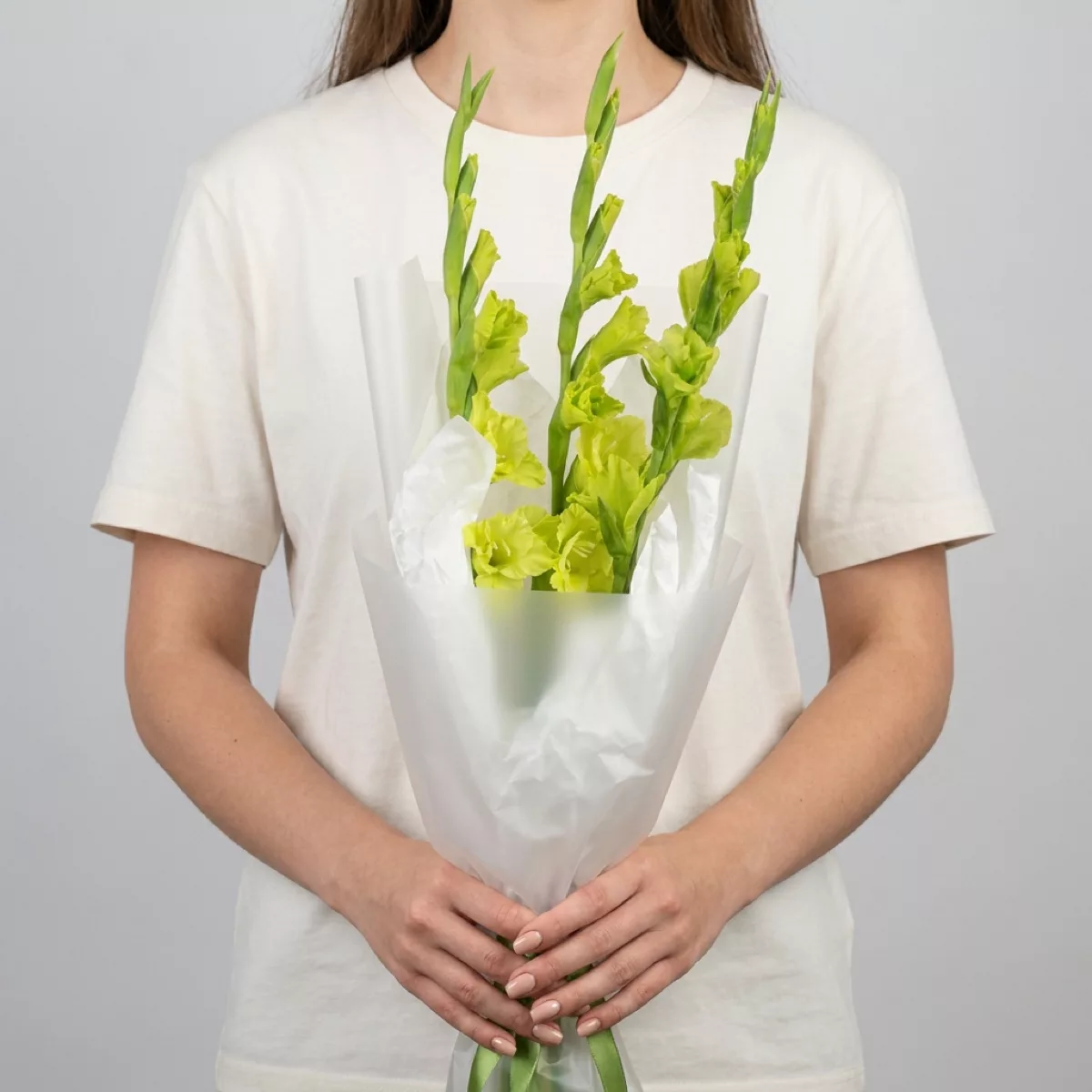
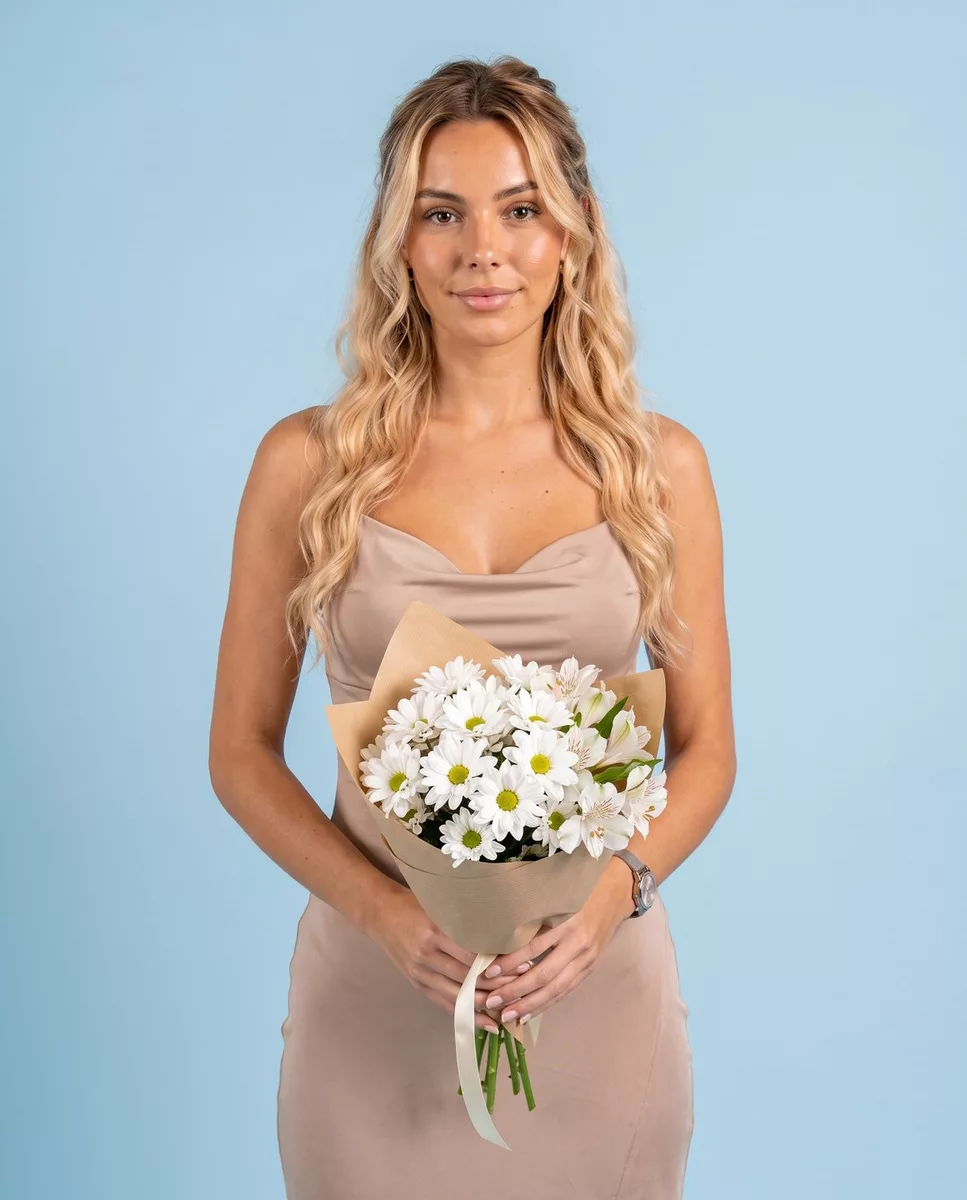
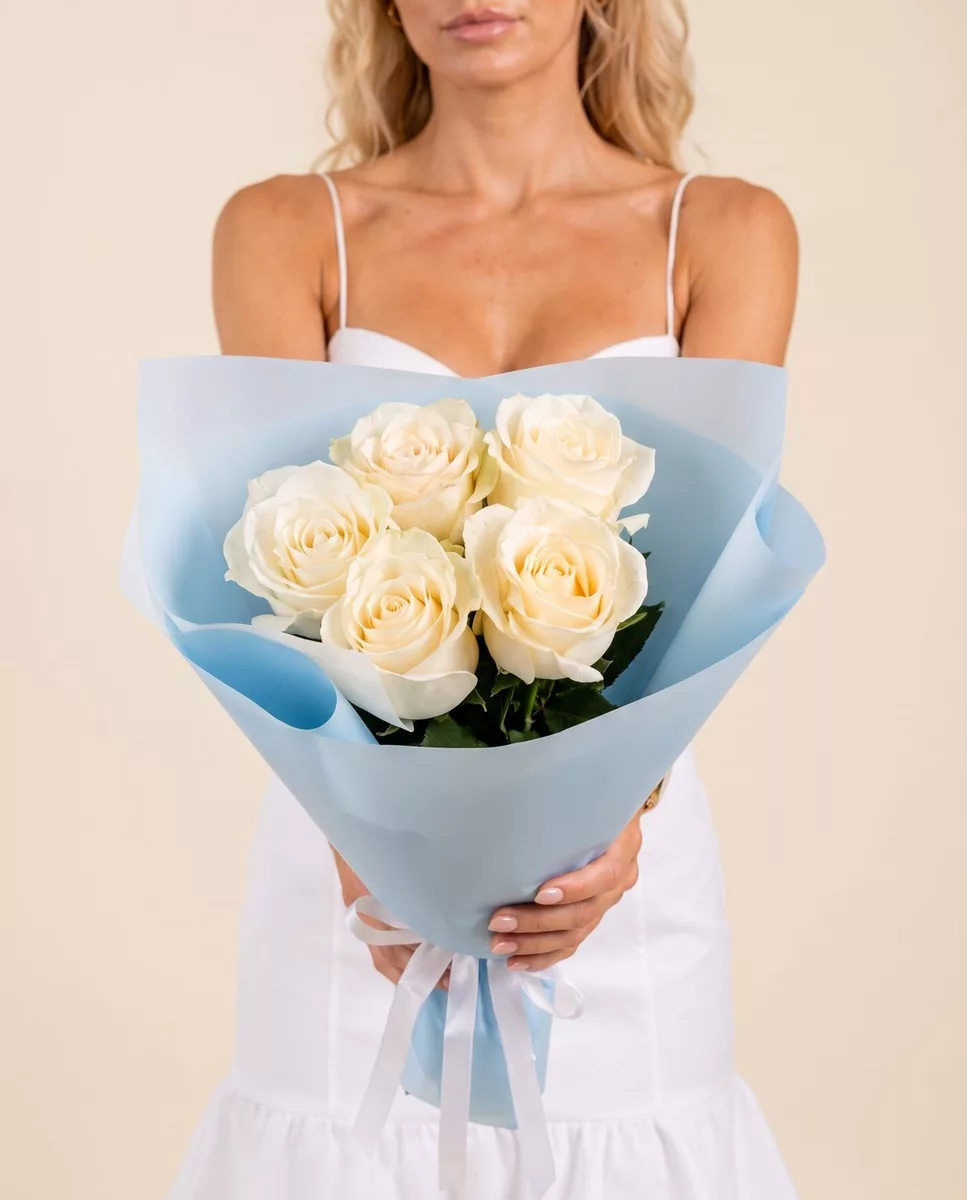
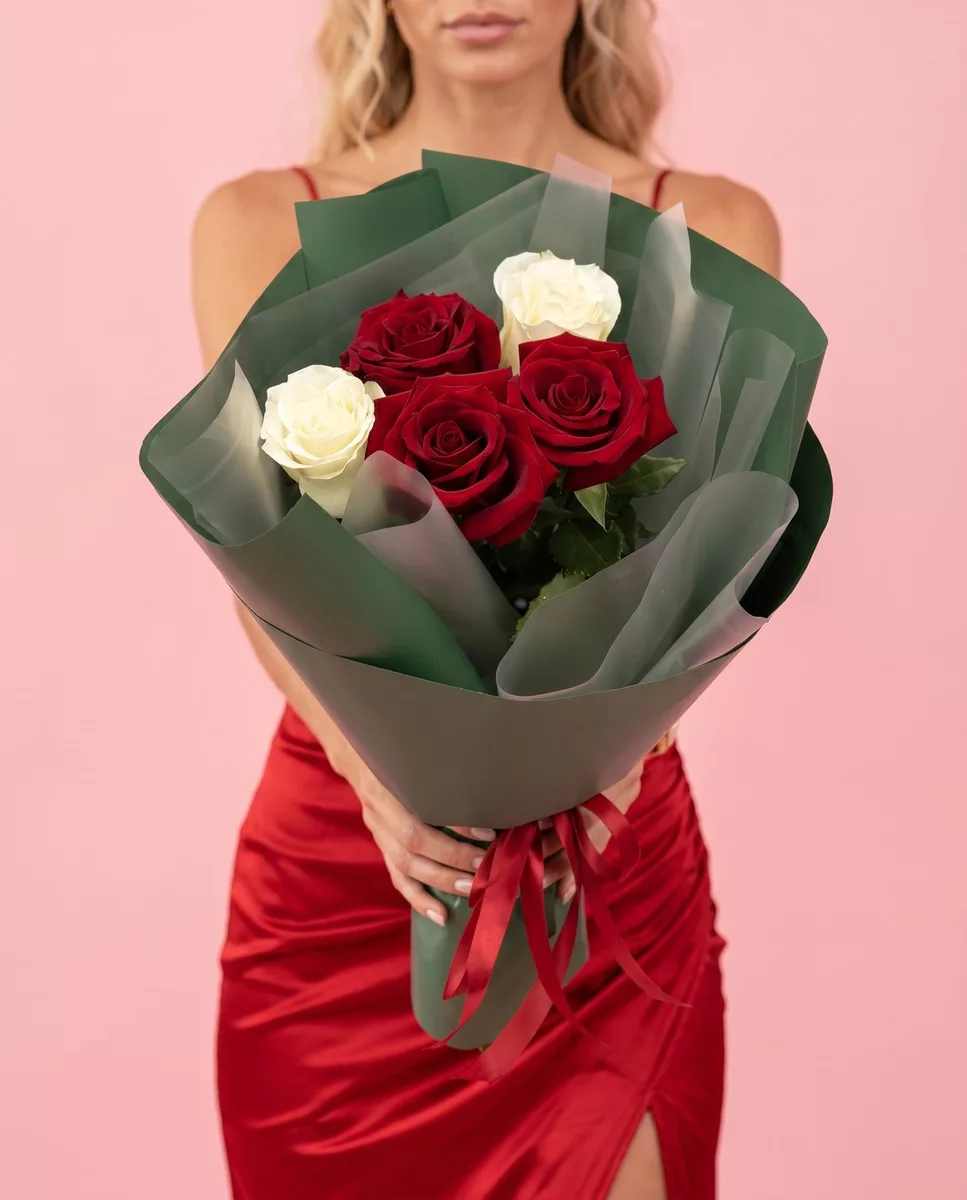
Choosing Flowers for the Person, Not Just the Occasion
The most useful question to ask yourself before ordering is not what flowers look nice — it is what this specific person will feel when they open the door. A grandmother in Ardon who grew up tending a garden will respond differently to a bunch of spray carnations than to a hand-tied arrangement of garden roses, waxflower, and fresh greenery. A younger woman celebrating her birthday might love the drama of deep burgundy calla lilies or a cloud of white hydrangeas mixed with ranunculus.
North Ossetian culture places genuine value on generosity and warmth. Flowers are given abundantly — a small, sparse bouquet can read as an afterthought even if it cost you real money. When in doubt, go fuller rather than more minimal. A round, lush arrangement with mixed textures tends to feel more celebratory than a single-variety stem count.
For romantic occasions, red and pink roses remain the clearest signal of affection and are universally understood in Russia. For a friend's birthday, softer palettes — peach, coral, lilac — feel personal and thoughtful. For a new baby or a housewarming, white and cream flowers with greenery like ruscus or pittosporum give a fresh, clean impression without being cold. Always think first about what the recipient will feel when they see the colors, the volume, and the wrapping, and let that guide your choice before you think about which exact variety to name.
Timing Your Order Across Time Zones
This is the detail that most international senders get wrong. Ardon operates on Moscow time, which is UTC plus three hours. If you are in London, you are two hours behind in summer and three hours behind in winter. If you are in New York, you are eight hours behind in summer. If you are placing an order at what feels like a reasonable mid-morning hour for you, it may already be late afternoon in Ardon.
Turboflora's delivery window for same-day orders typically closes in the early evening Moscow time. If you want a bouquet delivered at a specific moment — say, when the recipient arrives home from work at six in the evening Ardon time — you need to place the order well in advance, accounting for both the time difference and any time needed to confirm details. Placing the order the morning of the delivery day, in Moscow time, gives the most flexibility.
For milestone occasions — a significant birthday, an anniversary, a graduation — consider ordering a day ahead. This removes the time-zone pressure entirely and gives you the option to schedule delivery for a precise window. Flowers assembled the evening before and stored correctly in refrigeration at around two to five degrees Celsius will arrive in perfect condition the following day. Roses, chrysanthemums, and alstroemeria all hold very well under proper cold storage. Delicate flowers like open peonies or garden roses in full bloom are better ordered for same-day delivery when possible.
What to Write on the Card — and Why It Matters
In Russian culture, the accompanying message carries real weight. A card without a personal note is considered noticeably impersonal. Even a few warm sentences make the difference between a delivery that feels like a gift and one that feels like a transaction. If you are writing in English, that is completely fine — it adds a personal dimension, especially if the recipient knows you are abroad and that you wrote it yourself.
If you want the message in Russian, you can write it in your own language and note that you would like it translated, or you can write it in transliterated Russian if you know the language. Turboflora's team can help ensure the card reads naturally. Keep the tone genuine rather than formal — Russians respond well to warmth and directness, and stiff, ceremonial phrasing can feel distant.
Avoid generic phrases like 'wishing you all the best' with nothing else attached. Instead, reference the occasion specifically. 'Happy fortieth birthday — I wish I could be there to celebrate with you in person' lands far better than a standard greeting. If you are sending flowers for a holiday like International Women's Day on March eighth, which is one of the biggest flower-giving occasions in Russia, mention the day by name. It shows you understand the culture and that the gesture is intentional, not accidental. Small details in the card transform a bouquet into a memory.
Russian Flower Customs an International Sender Should Know
There are a few customs around flowers in Russia that are genuinely different from Western norms, and knowing them will help you avoid an unintentional misstep. The most important one is the number of stems. In Russia, even numbers of flowers are traditionally associated with mourning and funerals. When you send a gift bouquet, you always want an odd number — seven roses, nine tulips, fifteen stems of mixed flowers. Most professional florists follow this automatically, but if you are specifying a custom arrangement, keep this in mind.
Yellow flowers carry a cultural association with separation and unfaithfulness in some Russian traditions, particularly among older generations. This is not universal — younger recipients in cities often have no such association — but if you are sending to someone over fifty or in a more traditional household, it is safer to avoid a purely yellow arrangement. Mixed bouquets that include yellow as one element among several colors are generally fine.
Wrapping and presentation matter enormously. In Russia, flowers are almost always presented wrapped — in craft paper, cellophane, or a combination — and tied with ribbon. An unwrapped bouquet handed over at the door feels incomplete. When ordering through Turboflora, professional wrapping is standard, so you do not need to worry about this. But if you have preferences about colors of paper or ribbon, you can note them. Presentation is part of the gift, and in Ardon as elsewhere in Russia, the visual impact of unwrapping the bouquet is part of the experience the recipient will remember.
Varieties That Travel Well to Ardon in Every Season
Not every flower is equally suited to delivery across Russian distances and temperatures. The Caucasus region has genuine seasons — cold winters, warm summers — and the ambient temperature during transit matters for how the bouquet arrives. Knowing which varieties hold up best will help you order confidently regardless of the time of year.
Roses are the most reliable choice year-round. They are grown in controlled conditions, they travel well refrigerated, and they last seven to ten days in a vase with proper care. Spray roses add texture and volume without the price point of large-headed varieties. Chrysanthemums are extraordinarily durable — they hold for two weeks in a vase and are not affected by temperature fluctuations the way more delicate flowers are. Alstroemeria, often called Peruvian lily, is another excellent choice: long-lasting, available in many colors, and very resistant to transit stress.
In spring, tulips and ranunculus are beautiful choices and widely available. Tulips continue to grow after cutting, which means a recipient gets to watch the arrangement evolve over several days — a nice quality for a gift. In summer, lisianthus and eustoma offer a rose-like fullness with excellent vase life. Peonies are available in late spring and early summer and are beloved in Russia, but they are more delicate and best ordered for same-day delivery. In winter, amaryllis and ornamental branches like cotton stems or eucalyptus add drama and hold up well in dry, heated interiors. Whatever the season, ask for flowers that match the conditions rather than fighting them.
Helping the Recipient Care for the Bouquet
Once the flowers arrive in Ardon, their vase life depends almost entirely on what happens in the first hour. Most recipients are delighted but not always sure what to do next, and as the sender you can make a real difference by including simple care instructions with your card. This is not over-explaining — it is a thoughtful extra that shows you want the gift to last.
The basics are simple. Cut the stems at an angle, about two centimetres from the bottom, using a sharp knife rather than scissors, which can crush the stem tissue. Remove any leaves that would sit below the waterline, because submerged foliage rots quickly and clouds the water with bacteria. Place the bouquet in clean, cool water — not ice cold, but not warm either — and change the water every two days. Keep the arrangement away from direct sunlight, radiators, and fruit bowls, because ripening fruit releases ethylene gas, which accelerates flower aging.
For roses specifically, re-cutting the stems every two to three days makes a noticeable difference in how long they last. If the heads begin to droop before the petals fall, it usually means the stem has an air bubble blocking water uptake — re-cutting and placing immediately into fresh water often revives them within a few hours. Chrysanthemums and alstroemeria need almost no special attention beyond clean water and cool conditions. Tulips are happiest in shallow water and a cool room. Including these notes, even briefly, on the card turns a beautiful delivery into a week-long experience rather than a two-day one.
Sending flowers to Ardon from another country is genuinely possible, and when it is done thoughtfully it carries a warmth that crosses any distance. The key is in the details: ordering at the right time relative to Moscow time zones, choosing varieties that suit the season and the recipient's personality, respecting the cultural customs around stem count and wrapping, and writing a card that sounds like you. Turboflora delivers fresh flowers across Russia, including Ardon, within one to two hours of order confirmation, which means the gap between your intention and the moment someone opens their door is much smaller than you might expect. The flowers arrive cold-chain handled, professionally wrapped, and ready to be placed in a vase — all you need to do is choose them with care.
Frequently asked questions
Can I place an order for Ardon if I do not speak Russian?
Yes, entirely. Turboflora's website and order process are accessible in English, and you can write your card message in any language you choose. If you want the card translated into Russian for the recipient, note that in your order comments. The delivery and payment process does not require you to communicate in Russian at any stage.
How far in advance should I order if there is a specific delivery time?
For a precise delivery window — arriving at six in the evening, for example — place your order at least four to six hours before the desired time, in Moscow time. If you are ordering from a time zone that is significantly behind Moscow, placing the order the day before and scheduling it for the following day is the safest approach and removes all time-zone pressure.
Is it true I should never send an even number of flowers in Russia?
Yes, this custom is widely observed across Russia, including North Ossetia. Even numbers of stems are traditionally associated with mourning. For any celebratory or affectionate occasion, choose an odd number — five, seven, nine, eleven, or more. Turboflora's florists follow this convention automatically when assembling arrangements, so you do not need to count stems yourself.
What happens if the recipient is not home when the delivery arrives?
When placing your order, include the recipient's phone number. The delivery team will call ahead to confirm timing and can coordinate a window that works. If the recipient is unexpectedly unavailable, the driver will contact them to arrange an alternative. Providing an accurate phone number is the single most important step for ensuring a smooth delivery.
Which flowers last the longest after delivery in Ardon's climate?
Chrysanthemums, alstroemeria, and roses are the most durable choices year-round. In Ardon's dry, heated winter interiors, chrysanthemums can last up to two weeks with clean water. Roses hold seven to ten days with proper stem re-cutting. Avoid fully open peonies or garden roses in peak bloom if you want maximum vase life — bud-stage flowers will open beautifully after delivery and last significantly longer.
Ready to send flowers?
Pick the city, choose the bouquet, and a local florist takes it from there.
Choose a city →