Sending Flowers to Artemovsky from Abroad: Your Practical Florist's Advice
You are sitting in Berlin, Toronto, or Dubai, and someone you love is in Artemovsky — a birthday is tomorrow, an anniversary slipped up on you, or you simply want them to know you are thinking of them. The distance feels enormous. But ordering flowers across that gap is more straightforward than most people expect, and getting it right comes down to a handful of details that any good florist will walk you through honestly.
Who Is Receiving These Flowers, and Why It Matters
Before you think about roses versus tulips, think about the person opening the door. In Russia, flowers carry a weight of personal meaning that goes beyond decoration. A bouquet arriving at someone's home is understood as a deliberate, considered gesture — not a routine corporate send. That means the composition, the colours, and even the number of stems will be read carefully by the recipient and everyone around them.
For a woman receiving flowers at home, a full, generous arrangement speaks of real affection. For an older relative, classic varieties like roses, chrysanthemums, or carnations carry a familiarity and warmth that more fashionable flowers sometimes do not. For a younger recipient, peonies, ranunculus, garden-style bouquets, or a mix of spray roses with eucalyptus feel contemporary and personal.
For a man — and yes, men in Russia do receive flowers, particularly on professional milestones or significant birthdays — simpler, architectural compositions work better than soft romantic arrangements. Think anthurium, tropical foliage, or a bold single-variety bouquet.
The occasion shapes everything. A birthday calls for something celebratory and bright. A new home or a job promotion deserves something substantial that will last on the table. A thank-you can be lighter and more playful. Starting from the recipient and the moment, rather than from a product list, is always the right place to begin.
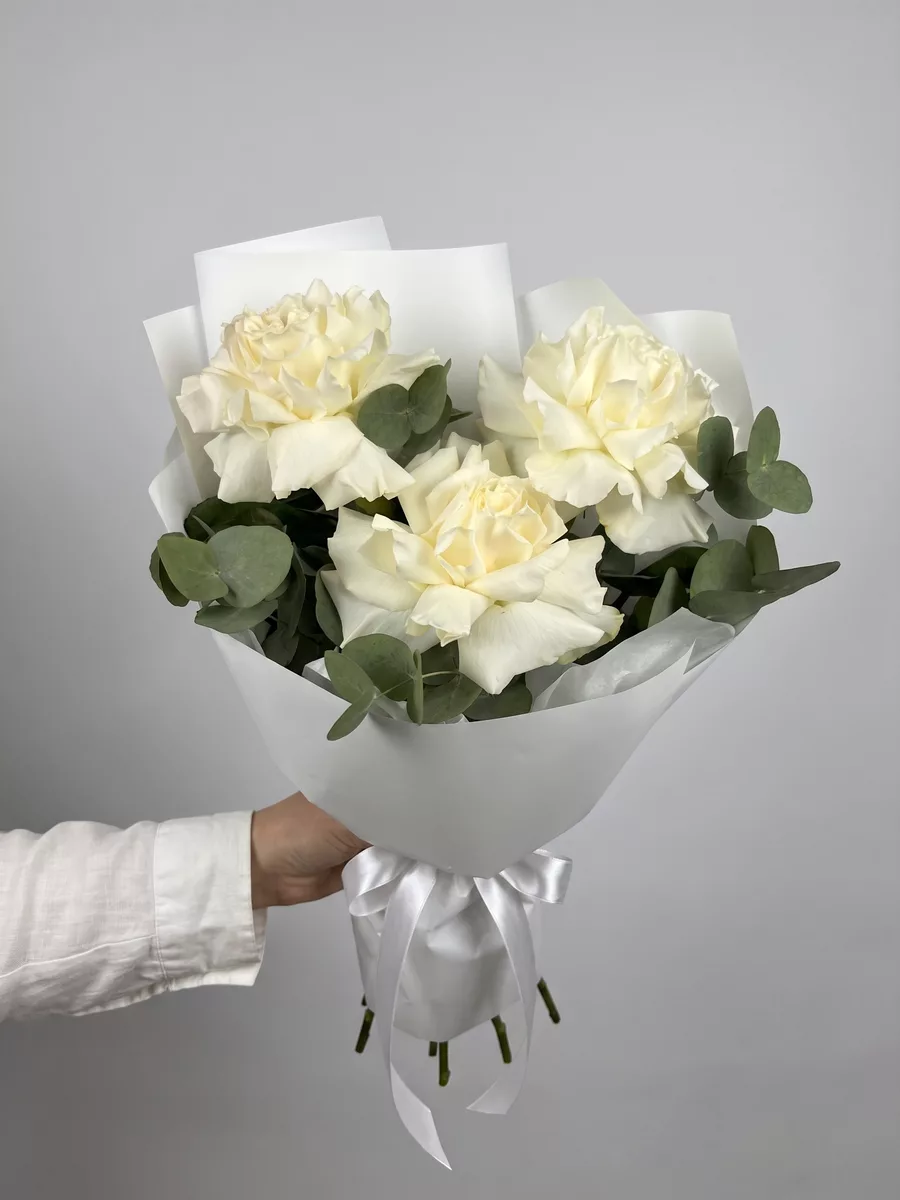
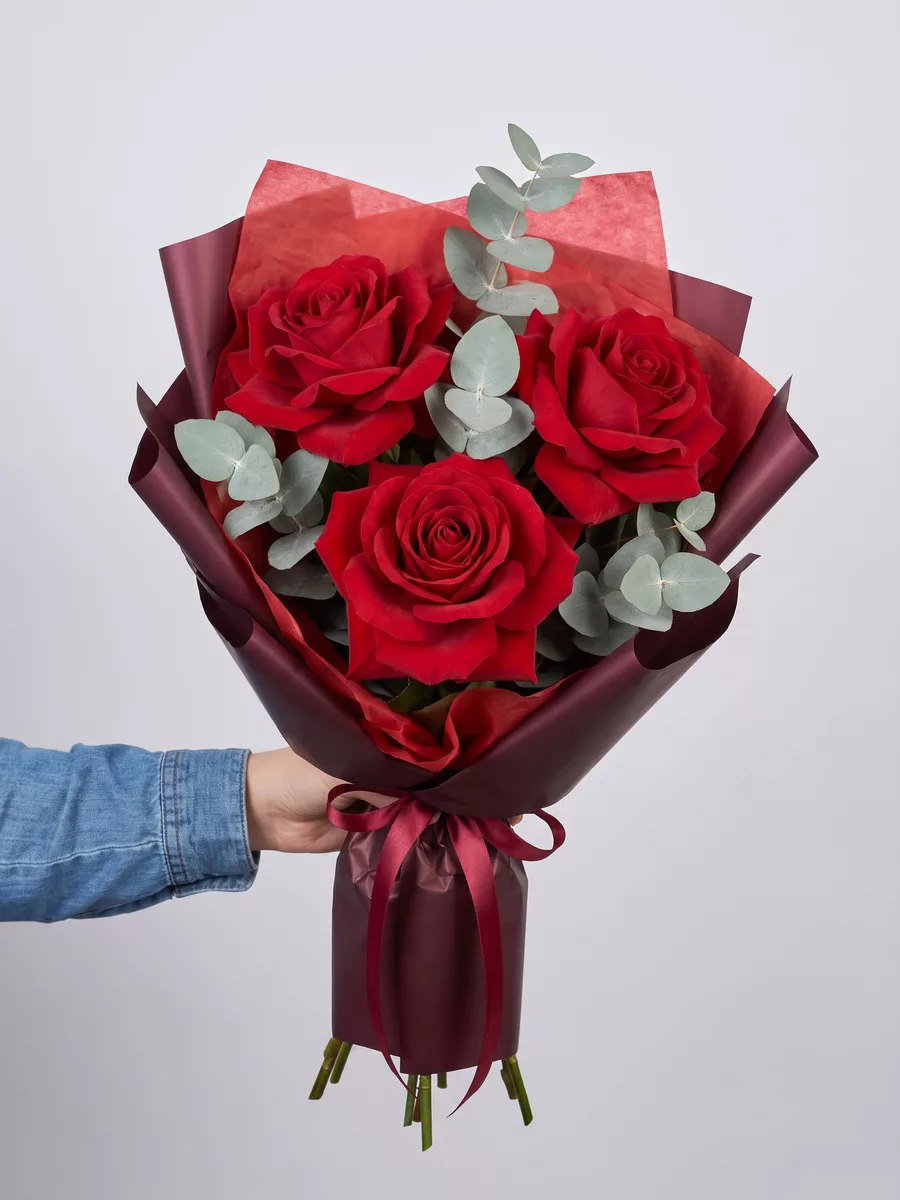
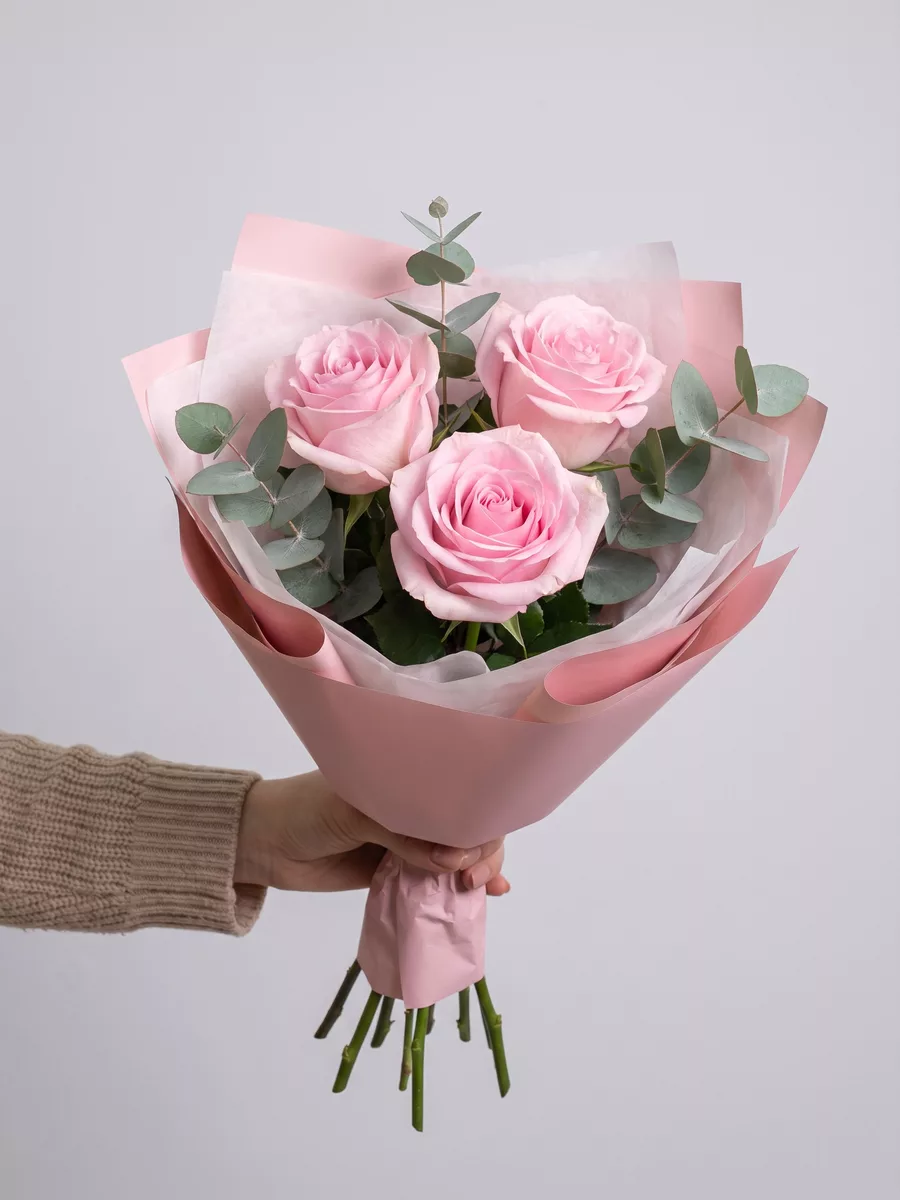
Bouquets we can deliver

Understanding Artemovsky's Geography and Delivery Reality
Artemovsky is a town in Sverdlovsk Oblast in the Ural region of Russia. It sits roughly 100 kilometres northeast of Yekaterinburg, the major regional hub. For anyone ordering from abroad, the most important thing to understand is that this is not a city with a florist on every corner — it is a smaller urban settlement where reliable, fast delivery requires genuine logistics rather than a casual local pickup.
Turboflora operates across Russia with a 1–2 hour delivery window, which means the flowers your recipient receives are fresh, not flowers that have been sitting in a cold storage room waiting for an order. That speed matters enormously for quality. A bouquet of roses that travels from a well-stocked preparation facility to a door within ninety minutes arrives in completely different condition than one that has been boxed and shipped overnight.
When you place an order from abroad, time zone differences are the first practical hurdle. Artemovsky operates on Yekaterinburg Time, which is UTC plus five. If you are in London, that is seven hours ahead of you. If you are on the US East Coast, it is ten hours ahead. A moment of calculation before you order saves you from scheduling a delivery for three in the morning.
The best approach is to place your order during Artemovsky's daytime hours, roughly nine in the morning to seven in the evening local time. This gives you the widest delivery window and the freshest selection.
One Russian Custom You Must Know Before You Order
If you have never sent flowers inside Russia before, there is one custom that surprises almost every international sender: the number of stems in a bouquet must be odd. One, three, five, seven, eleven, fifteen, twenty-five — these are the numbers for living recipients. Even numbers of flowers are reserved for mourning and funerals, and arriving at someone's door with an even-numbered bouquet is considered deeply inauspicious, however unintentionally.
A professional florist will always compose bouquets according to this rule automatically, so if you are ordering through Turboflora, this is handled for you. But it is worth knowing so that you understand why a bouquet of eleven roses is standard, or why a composition described as fifteen stems is not an oversight.
Colour carries meaning too, though Russian customs here are less rigid than the odd-number rule. Red roses are romantic and direct — they say exactly one thing. If the relationship is familial or friendly rather than romantic, a mix of warm tones, whites, and soft pinks reads more warmly and less as a declaration. Yellow flowers were once considered unlucky in older Russian tradition, but this superstition has faded considerably among younger generations in urban areas. In Artemovsky, as in most Russian towns, a mixed bouquet with yellow sunflowers or yellow tulips is now received perfectly happily by most recipients.
When in doubt, a balanced composition of whites and soft pinks with greenery is universally appropriate for almost any occasion and any recipient.
Choosing Flowers for the Season and the Temperature
Artemovsky sits in the Urals, which means genuine continental seasons. Winters are cold — temperatures regularly drop well below minus fifteen Celsius from November through March. Summers are warm but short. This matters for your flower choice in two ways: what is naturally at its best in that season, and what will survive the delivery journey in extreme cold.
In winter, hardy varieties travel best. Roses, chrysanthemums, alstroemeria, and carnations handle cold transport well when properly wrapped. Tropical flowers like strelitzia or anthurium can suffer cell damage in severe cold even during a short journey from vehicle to door. A good florist will wrap cold-weather deliveries in insulating kraft paper and protective sleeves, but it is still wise to choose robust varieties for January or February orders.
In spring, tulips are the quintessential Russian choice — they arrive in markets from February onward and are deeply associated with celebration and renewal. A generous bunch of tulips in mixed colours or a single bold colour is one of the most joyful things you can send in March or April. Peonies arrive later, usually from May, and carry enormous sentimental weight in Russian flower culture.
Summer opens up the full range: garden roses, lisianthus, gerbera, freesia, and seasonal wildflower-style arrangements all travel and present beautifully. Autumn is the moment for chrysanthemums, which are genuinely beloved in Russia and make substantial, long-lasting bouquets. Matching your flower choice to the season is not just poetic — it means better quality and longer vase life for the person receiving them.
How to Structure Your Order When Calling or Writing from Abroad
Ordering from outside Russia is simpler than it sounds, but being precise in your message saves everyone time and ensures the delivery goes exactly as you intend. Have the following ready before you reach out: the recipient's full name, their complete street address including apartment number and building entrance code if there is one, and a working local phone number for the recipient. That last point is critical — delivery drivers in Russia will typically call ahead to confirm someone is home, and a number that routes to your foreign SIM card is not useful to them.
If you know the recipient will be at work, a workplace address is often more reliable than a home delivery, since someone is usually available to receive the flowers. If you want the delivery to be a surprise, note this clearly in your order instructions, and provide a backup contact who can quietly confirm the recipient's schedule without spoiling the moment.
For the card message, you can write in English and request a transliteration or translation into Russian for the physical card. Many recipients in Artemovsky, particularly younger people, read English comfortably, but a message in Russian always feels more intimate and deliberate to an older recipient. Keep the message warm and specific — a generic printed greeting has far less impact than a sentence that names the occasion or uses a nickname.
Payment from abroad is handled through international card options on the website. Confirm the currency conversion with your bank before placing a large order to avoid surprises on your statement.
Bouquet Options Across Different Budgets and Occasions
A smaller budget does not mean a small gesture if the composition is well chosen. A tight, hand-tied bunch of seasonal tulips or spray roses in a single colour, wrapped in textured kraft paper with a ribbon, is genuinely beautiful and reads as thoughtful rather than modest. The key is coherence — one variety done generously is always more elegant than five varieties done thinly.
For mid-range orders, combinations open up considerably. Roses paired with lisianthus and ruscus create a full, romantic arrangement that photographs beautifully and lasts well in a vase — lisianthus is particularly long-lived, often lasting ten to fourteen days with proper care. Chrysanthemums mixed with alstroemeria and seasonal greenery make a substantial, cheerful bouquet that suits a birthday or a housewarming equally well.
For a more significant occasion — a major birthday, a wedding anniversary, a congratulation on something genuinely important — a larger arrangement with garden roses, peonies in season, ranunculus, and soft foliage like eucalyptus or pittosporum creates something that feels genuinely luxurious. These compositions work beautifully in a wide vase and become the centrepiece of a room for several days.
Box arrangements and hatbox compositions are increasingly popular for recipients who live alone or who do not have a suitable vase at home. They arrive ready to display without any preparation, which is a practical kindness for someone who was not expecting flowers. If you are unsure about the recipient's home situation, a box arrangement is a considerate default.
Helping Your Recipient Keep the Flowers Fresh
Flowers sent with care deserve to last, and a little guidance passed along to your recipient — in the card or in a message — makes a real difference to how long they enjoy the bouquet. Most people in Russia are familiar with basic flower care, but a specific prompt never hurts.
As soon as the flowers arrive, the stems should be cut at a diagonal — about two centimetres from the bottom — under running water or submerged in a basin. This diagonal cut increases the surface area for water uptake and removes any air bubbles that formed during transport. The flowers should then go immediately into a clean vase with fresh, cool water. Lukewarm water is not harmful, but cool water slows bacterial growth and extends vase life noticeably.
Strip any leaves that would sit below the waterline, since submerged foliage rots quickly and clouds the water with bacteria that shorten the life of the whole bouquet. Change the water every two days and re-cut the stems each time. Keep the arrangement away from direct sunlight, radiators, and fruit bowls — ethylene gas released by ripening fruit accelerates wilting in cut flowers, particularly in roses and carnations.
Different varieties have different lifespans even under ideal conditions. Chrysanthemums and alstroemeria regularly last two weeks. Roses and lisianthus give seven to ten days. Tulips are shorter — five to seven days — but they are so joyful in that time that it does not feel like a compromise. Peonies, when they arrive as tight buds, will open slowly over several days and are worth the wait.
Sending flowers to Artemovsky from abroad is a gesture that travels further than the kilometres suggest. The person receiving them knows that you navigated time zones, customs, and an international order to make something arrive at their door — and that knowledge is part of the gift. Get the address right, check the time zone, respect the odd-number rule, match the variety to the season, and let the florist do the rest. The flowers will speak for themselves.
Frequently asked questions
Can I order flowers to Artemovsky if I do not speak Russian?
Yes, entirely. The Turboflora website and order process work in English, and you can write your card message in English or ask for it to be translated into Russian for the physical card. Having the recipient's address and local phone number written out correctly in Russian characters will help, but the team can assist with this if you provide the details phonetically.
How far in advance should I place an order from a different time zone?
Artemovsky runs on UTC plus five, so calculate the local time before placing your order. For a daytime delivery between ten in the morning and six in the evening Artemovsky time, place your order at least two to three hours before the desired delivery window. For same-day delivery, earlier is always safer, especially if you are ordering from a significantly different time zone like the Americas.
Is it possible to send flowers as a surprise without the recipient knowing?
Yes, but you need to provide a secondary local contact — a neighbour, colleague, or family member — who can quietly confirm the recipient will be home without revealing the surprise. Delivery drivers will call the recipient's number before arrival, so if you want a true surprise, coordinate with someone on the ground in Artemovsky to manage that moment.
What flowers hold up best in Artemovsky's cold winter temperatures?
Roses, chrysanthemums, alstroemeria, and carnations are the most cold-resilient choices for winter deliveries in the Urals. They are properly wrapped for cold-weather transport. Avoid tropical varieties like anthurium or strelitzia in very cold months, as even a brief exposure to severe frost during the walk from the vehicle to the building entrance can damage the cells of more delicate blooms.
Why do Russian bouquets always have an odd number of flowers?
In Russian tradition, even numbers of flowers are associated exclusively with mourning and are placed at graves or given at funerals. An odd number is the universal rule for any living recipient on any celebratory or affectionate occasion. Turboflora follows this automatically in every composition, so you do not need to count stems yourself — but it is useful to understand the custom so it does not seem like an error.
Ready to send flowers?
Pick the city, choose the bouquet, and a local florist takes it from there.
Choose a city →