Sending Flowers to Asha from Abroad? Here Is What to Actually Expect
You are somewhere outside Russia — maybe in Berlin, Dubai, or Toronto — and you want to surprise someone in Asha, a small industrial city tucked into the southern Urals of Chelyabinsk Oblast. The distance feels enormous, the time zones are confusing, and you are not sure whether fresh flowers can even reach a city that size reliably. They can, and the process is simpler than you think once you understand a few key things about timing, seasonal choices, and what your recipient will genuinely love to receive.
Who Is Receiving These Flowers and What Will They Feel
Before you pick a single stem, think about the person standing at the door when the courier arrives. Asha is a close-knit city where a flower delivery is a genuine event — neighbours notice, family members ask questions, and the recipient will almost certainly photograph the bouquet and share it. That means presentation matters as much as the flowers themselves. A loosely wrapped, generously proportioned bouquet with visible greenery reads as thoughtful and considered. A tight cellophane cylinder of identical roses reads as an afterthought, no matter how expensive the roses are.
Consider the occasion plainly. A birthday calls for something bright and celebratory — sunflowers, spray chrysanthemums in warm tones, or alstroemeria mixed with lisianthus. An anniversary leans toward roses, garden-style arrangements with soft texture, or peonies when the season allows. A new baby at home welcomes pastel ranunculus or white freesia, which carries a gentle scent without being overwhelming in a small apartment.
Russian recipients generally appreciate abundance. A bouquet that looks generous — full, layered, with foliage that frames the flowers — lands better than a minimalist three-stem arrangement, however elegant that might look in a Scandinavian context. If you are unsure, lean toward more rather than less, and choose colours that feel warm rather than cool. Asha winters are long and grey, and a burst of coral, yellow, or deep burgundy on the doorstep genuinely lifts a person's day in a way that is hard to overstate.
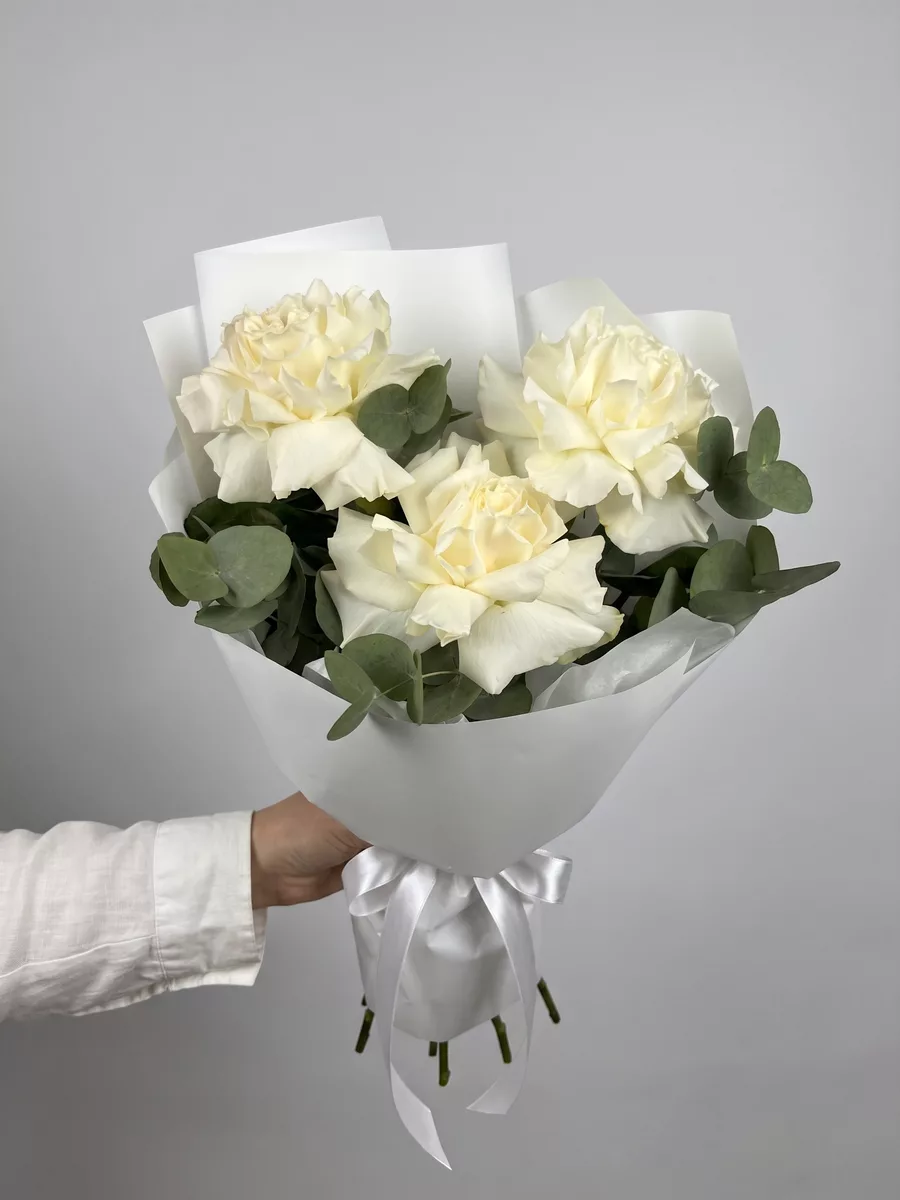
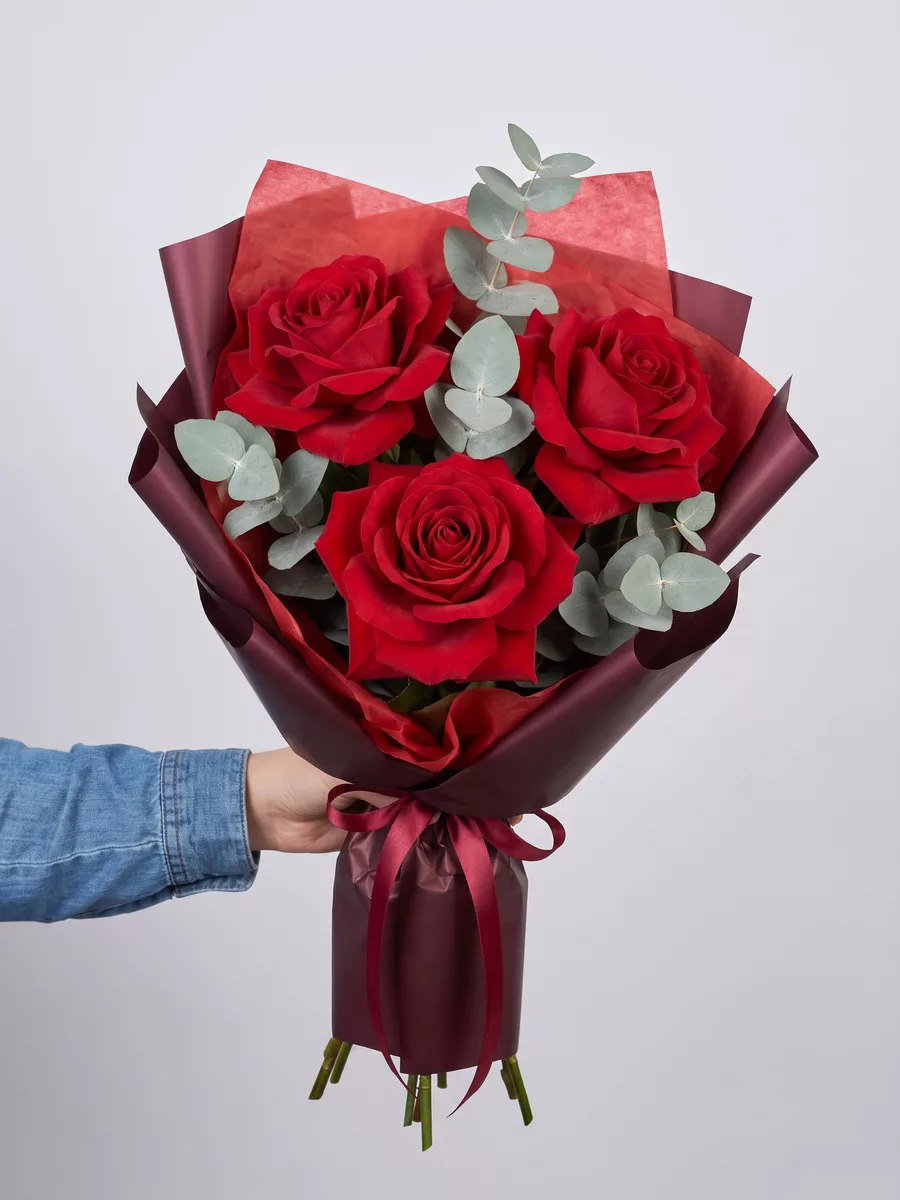
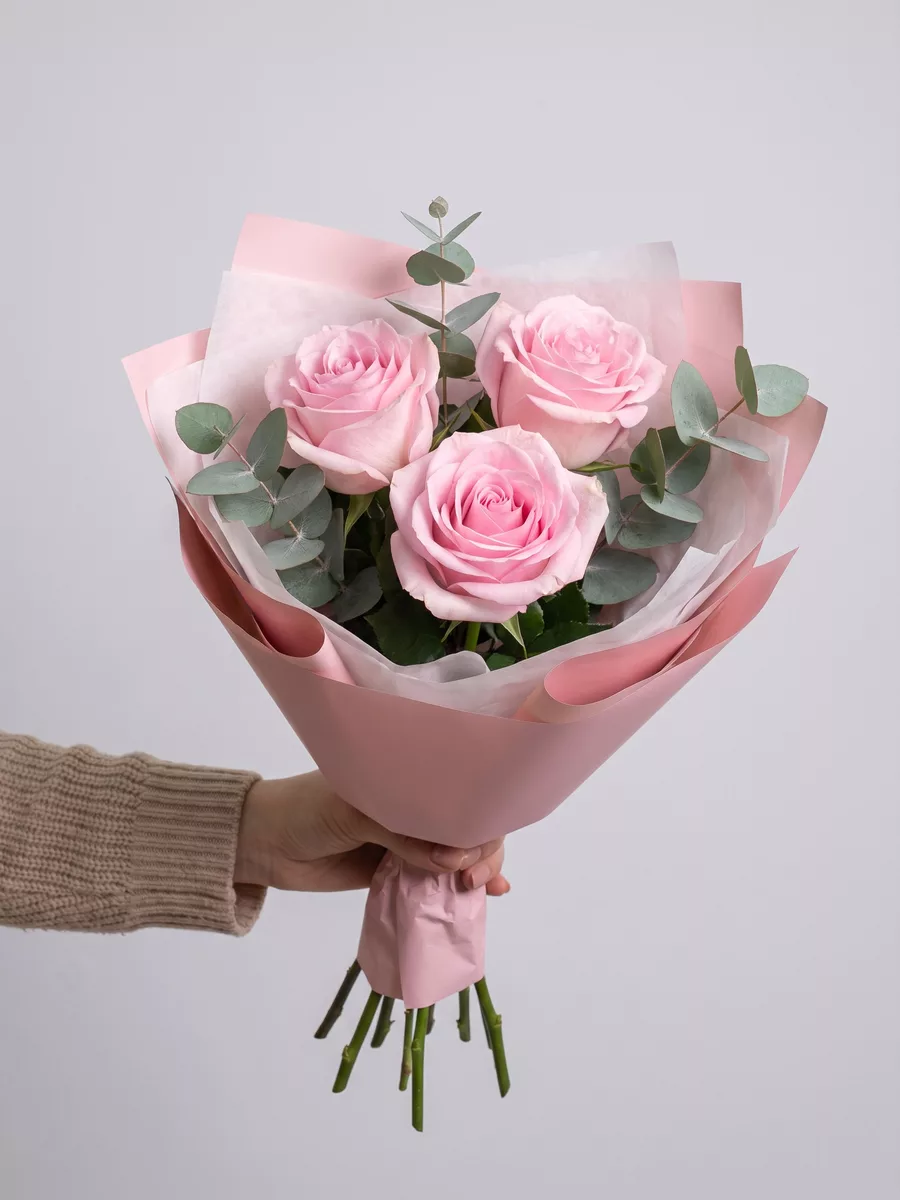
Bouquets we can deliver

Understanding the Geography: Why Asha Is Different from Moscow
Asha sits in the Chelyabinsk region, close to the border with Bashkortostan, at the edge of the Ural Mountains. It is not a metropolitan hub, and that matters when you are ordering flowers from abroad. The city is small enough that logistics require real planning — you cannot assume the same same-day window that applies to Saint Petersburg or Yekaterinburg without confirming it with your florist first. Turboflora delivers across Russia, and Asha is within that network, but the smarter approach is to place your order at least 24 hours ahead of the moment you want the flowers to arrive.
The Ural climate is genuinely continental. Winters in Asha regularly drop to minus 20 Celsius or colder, and summers can be warm and dry. This matters for flower survival in transit. In January or February, a bouquet of tulips or anemones needs proper thermal packaging to survive even a short outdoor journey from the courier's vehicle to the recipient's door. In July, the concern shifts to heat — roses and hydrangeas can wilt quickly if left waiting. Specifying a delivery window when someone is actually home is not just convenient, it is protective of the flowers.
When ordering from abroad, you will be working across time zones. Asha is UTC+5, which means it is three hours ahead of Moscow. If you are in London, that is eight hours ahead of you. Place your order the evening before your intended delivery day and you are almost certainly in safe territory. Trying to arrange a same-day delivery from a different continent is the single most common mistake international senders make, and it is entirely avoidable.
Choosing Flowers for the Season in the Southern Urals
Seasonal awareness is what separates a florist from a flower vending machine, and it is especially relevant when you are sending to a city with pronounced seasons like Asha. In spring, from late March through May, tulips are at their absolute best — firm, vibrant, and long-lasting. Daffodils and hyacinths are available and carry a scent that fills a room. This is also when the first ranunculus and anemones appear, and they photograph beautifully with their layered petals and painterly colours.
Summer brings peonies, which Russians adore with an almost irrational devotion. If you are sending flowers between late May and early July, a bouquet built around peonies — blush, white, or deep magenta — will be remembered. Sunflowers peak in August and carry a warmth that suits birthdays and celebrations perfectly. Eustoma, also called lisianthus, is available through the warmer months and adds a ruffled, romantic texture to any arrangement.
Autumn is the season of chrysanthemums, dahlias, and the last roses of the outdoor growing cycle. These flowers are hardy and hold up well in cooler temperatures, making them practical as well as beautiful. Winter is where roses, alstroemeria, and spray carnations do the heaviest lifting — they travel well, last reliably in a heated apartment, and are available in a full range of colours year-round.
Telling your florist the exact delivery date rather than a vague timeframe allows them to build the bouquet around what is freshest that week, which always produces a better result than ordering by name alone.
Budget and What It Actually Buys in Terms of Presentation
Thinking about budget from abroad can feel abstract when you are not familiar with Russian flower pricing. The useful framework is not to think in terms of individual flower costs but in terms of what the finished bouquet will communicate when it arrives. A modest budget, thoughtfully spent, produces something with three or four varieties, good greenery, and a coherent colour story. It looks intentional. A larger budget allows for premium stems — garden roses, peonies in season, orchid branches — and a fuller silhouette that photographs impressively.
For a birthday or celebration at the lower end of your comfort zone, a combination of spray roses, alstroemeria, and eucalyptus is reliable and genuinely lovely. The eucalyptus adds scent and texture without inflating the price, and alstroemeria lasts exceptionally well — often ten days or more with basic care. This matters in Asha, where the recipient may not have easy access to a florist for replacements.
In the mid range, you can add lisianthus for ruffled volume, or include a few stems of ornamental grass or dried pampas for texture contrast. At the higher end, roses in a single sophisticated colour — dusty mauve, apricot, or cream — with garden foliage and perhaps a branch of wax flower create something that feels genuinely special rather than simply expensive.
Whatever you spend, the wrapping matters. Ask for kraft paper or linen-effect wrapping rather than shiny cellophane. It photographs better, it feels more considered, and it tells the recipient that someone thought carefully about the whole experience, not just the flowers inside.
How to Place the Order Smoothly from Outside Russia
The practical steps of ordering from abroad are straightforward once you know what information to gather before you start. You will need the recipient's full name, their precise street address including the apartment number and entry code if applicable, and a working Russian mobile number for the courier to call on arrival. Without a local contact number, delivery becomes significantly harder — couriers in smaller cities like Asha rely on a quick call to confirm they have the right building and that someone is home.
If you do not have the recipient's address because the delivery is a surprise, you can sometimes work around this by asking a trusted family member or friend of theirs to provide it discreetly. Russian apartments often have intercoms and locked entrance doors, so the courier genuinely needs either a code or someone to answer. A delivery left at the door of an apartment building entrance is not the same as a delivery in hand.
Pay attention to the delivery time window. Rather than asking for morning delivery in general terms, specify a two-hour window when you know the person will be home — after work, before a family dinner, or on a weekend morning. This protects the flowers and ensures the moment lands as you intended. Turboflora delivers within one to two hours across Russia, which means your timing request is genuinely achievable.
When writing your card message, you can write in English or Russian. If you write in English, a simple, warm message in your own words is always better than a machine-translated Russian phrase that comes out awkward. The recipient will appreciate the authenticity, and anyone around them can help translate.
Russian Flower Customs Worth Knowing Before You Order
If you are not familiar with Russian gifting culture around flowers, a few customs are worth understanding so your order lands exactly right. The most important one is the odd-number rule. In Russia, even numbers of flowers are associated with mourning and funerals — they are placed on graves. Always order an odd number of stems: five, seven, nine, eleven, or more. This is not superstition you can ignore politely; it is something your recipient will notice immediately, and an even number can genuinely dampen the mood of an otherwise lovely gesture.
Colour carries meaning too, though less rigidly than the number rule. Yellow flowers were historically associated with separation or jealousy in Russian culture, though this has softened considerably among younger generations and in urban areas. If you are sending to someone older or more traditional, it is safer to avoid an all-yellow bouquet. A mixed arrangement that includes yellow alongside other colours is perfectly fine and reads as cheerful rather than ominous.
White flowers are appropriate for celebrations as well as solemn occasions in Russia, so they are neutral and safe across most contexts. Red roses carry obvious romantic meaning and are universally understood. Pink is warm and celebratory. Deep burgundy or purple reads as rich and sophisticated rather than sad, which differs from some Western associations.
Russians typically receive flowers with both hands and often bring them immediately to their nose to smell them, even if the variety has little scent. Including at least one fragrant stem — freesia, hyacinth in season, garden roses, or stocks — adds a sensory dimension that makes the gift feel more complete and more personal.
Helping Your Recipient Keep the Flowers Fresh Longer
Once the bouquet is in your recipient's hands, its lifespan depends almost entirely on what they do in the first hour. Most people in Russia are familiar with basic flower care, but a gentle note on your card — or a message after delivery — can make a real difference, especially if the recipient is young or simply not in the habit of keeping cut flowers.
The first step is always a fresh diagonal cut on each stem, made with a sharp knife rather than scissors, which can crush the stem tissue. The stems go immediately into a clean vase filled with cool, fresh water — not warm, not cold from the tap, but room temperature or slightly cool. Removing any leaves that fall below the waterline prevents bacterial growth, which is the main reason flowers fade quickly in a warm apartment.
Asha apartments in winter are heated to around 22 or 23 Celsius, which is comfortable for people but shortens flower life. Placing the vase away from radiators and out of direct sunlight extends vase life noticeably. Changing the water every two days and re-cutting the stems each time adds another several days to most arrangements.
Alstroemeria and chrysanthemums are the marathon runners of cut flowers — both can last two weeks with basic care. Roses and lisianthus typically give a reliable seven to ten days. Tulips are shorter-lived but spectacular while they last, usually five to seven days. Peonies open dramatically over two or three days and then hold for another four or five. Knowing this helps your recipient appreciate each phase of the bouquet rather than feeling disappointed when the first stems begin to turn.
Sending flowers to Asha from abroad is an act of real effort, and the person receiving them will feel that. The distance, the time zones, the unfamiliar logistics — none of it is invisible to someone who knows you arranged all of this from another country. Choose for the person and the moment first, let the season guide the varieties, get the odd-number rule right, and give the courier everything they need to make the delivery smooth. The rest takes care of itself. A well-chosen bouquet arriving at a door in the southern Urals, from someone thousands of kilometres away, is one of the more quietly powerful things you can do.
Frequently asked questions
Can I send flowers to Asha if I do not speak Russian?
Yes. Turboflora's ordering process works in English, and you can write your card message in English — your recipient or someone nearby can help translate. The important thing is to have the recipient's Russian mobile number and full address ready, including the apartment number, so the courier can complete the delivery without complications.
How far in advance should I place my order from abroad?
At least 24 hours before your intended delivery time is the safest approach when ordering across time zones. Asha is UTC+5, so plan accordingly. Placing your order the evening before — your evening, wherever you are — almost always puts you in a comfortable position and allows the florist to source the freshest stems for your chosen date.
Why do Russians always count flower stems before accepting a bouquet?
Even numbers of flowers are traditionally associated with funerals in Russia and are placed on graves. An odd number — five, seven, nine, and so on — is the correct choice for any celebration or gift. This is taken seriously across generations and regions, including in smaller cities like Asha, so it is worth confirming your order reflects an odd stem count.
What flowers hold up best in Asha's cold winter climate during delivery?
Roses, alstroemeria, spray chrysanthemums, and carnations are the most cold-tolerant cut flowers and travel reliably in winter conditions. Tulips and ranunculus are more delicate in extreme cold. A good florist will use thermal packaging in freezing temperatures, but choosing hardier varieties for January or February deliveries adds an extra layer of protection for the arrangement.
Is it possible to include a gift or chocolates with the flower delivery to Asha?
Many flower orders can be accompanied by a small gift — chocolates, a candle, or a soft toy — depending on what is available at the time of your order. It is worth asking when you place your order rather than assuming it is automatic. Adding something small alongside the flowers makes the delivery feel like a complete, considered gift rather than a single gesture.
Ready to send flowers?
Pick the city, choose the bouquet, and a local florist takes it from there.
Choose a city →