Sending Flowers to Bakhchisaray from Abroad? Start Here
You are sitting in Berlin, Toronto or Dubai, and someone important to you is in Bakhchisaray — a birthday, an anniversary, a moment you do not want to pass without flowers. The distance feels enormous, but the gesture does not have to be complicated. What you need is clear information about timing, the right varieties for the climate, and a few cultural details that will make the bouquet land exactly as you intended.
Why Bakhchisaray Needs a Different Approach Than Moscow or Saint Petersburg
Bakhchisaray sits in a dry, warm landscape surrounded by limestone hills and the remnants of the old Crimean Khanate palace. The town has a distinct character — quieter than a big city, with a pace that values personal attention and traditional courtesy. When you send flowers here from abroad, you are not just shipping a product; you are participating in a local culture of giving that has its own rhythms.
The climate matters practically. Summers in Bakhchisaray are hot and dry, with temperatures regularly climbing above 30 degrees Celsius. This means heat-sensitive blooms like garden roses with very open heads, or hydrangeas at full bloom, can struggle between the delivery vehicle and the front door. Choosing the right varieties is not a stylistic preference — it is how you make sure the bouquet looks as good on arrival as it did in the photograph.
Winter brings mild but sometimes damp conditions, which is actually gentler on flowers than the summer heat. Spring and autumn are the most forgiving seasons for delivery, and if you have flexibility in your gifting date, those months are worth considering. That said, a well-chosen arrangement can reach someone beautifully in any season — it simply requires the right selection and a florist who understands the route.
Bouquets we can deliver

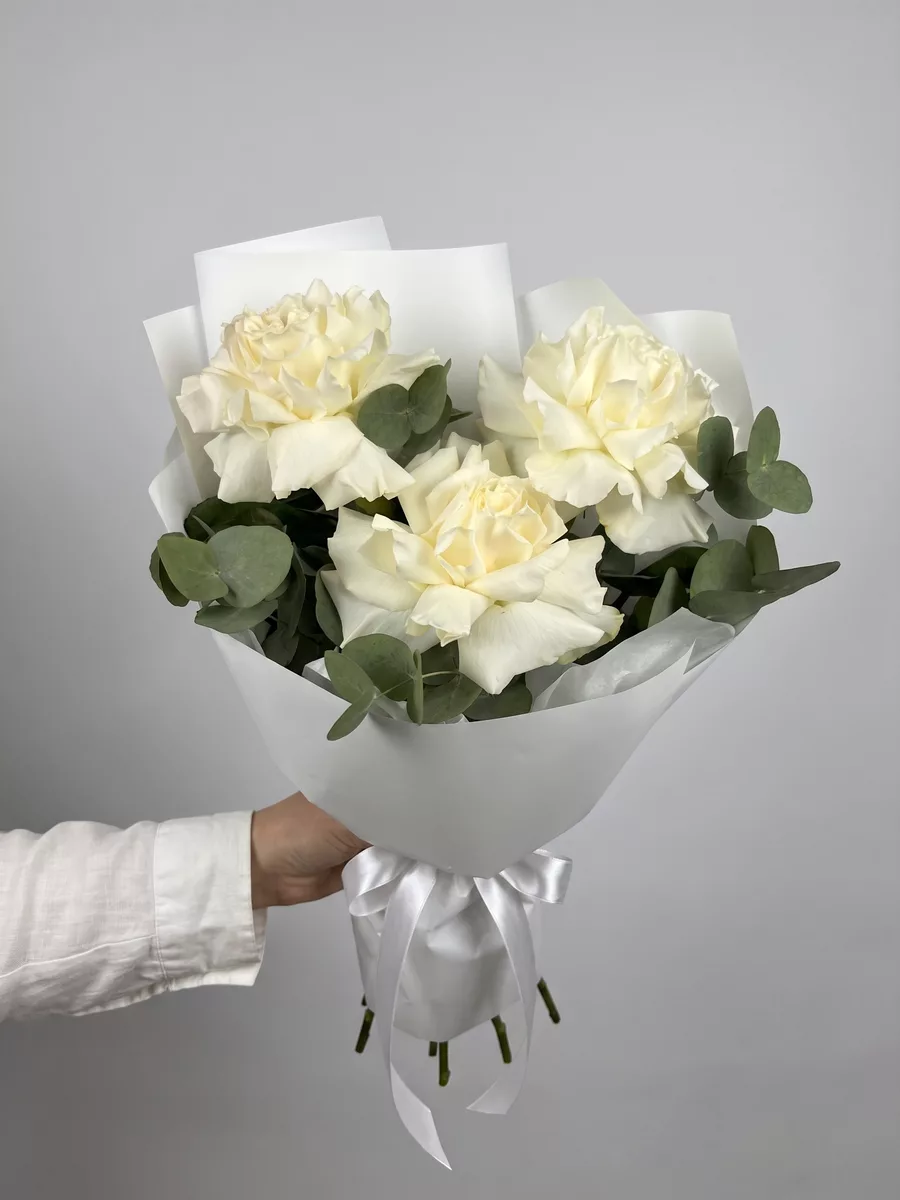
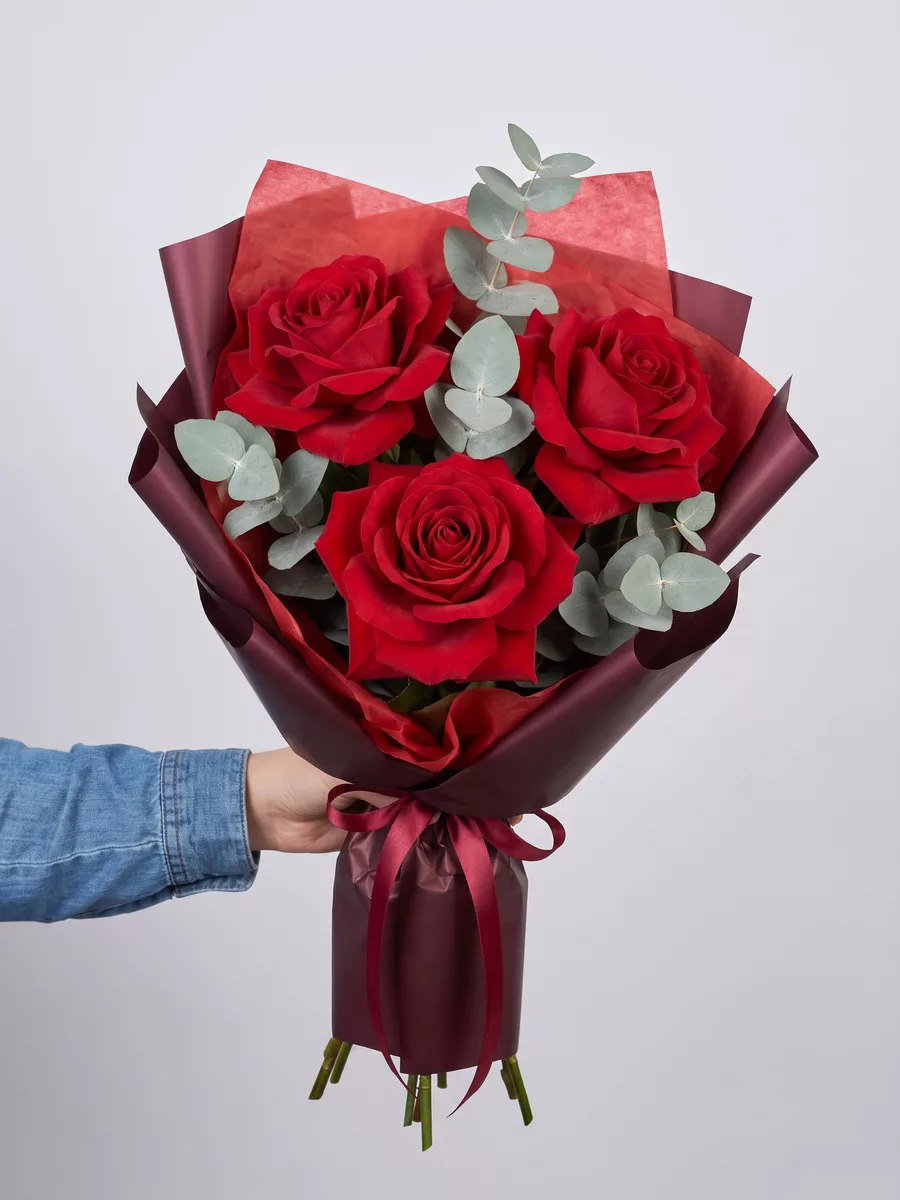
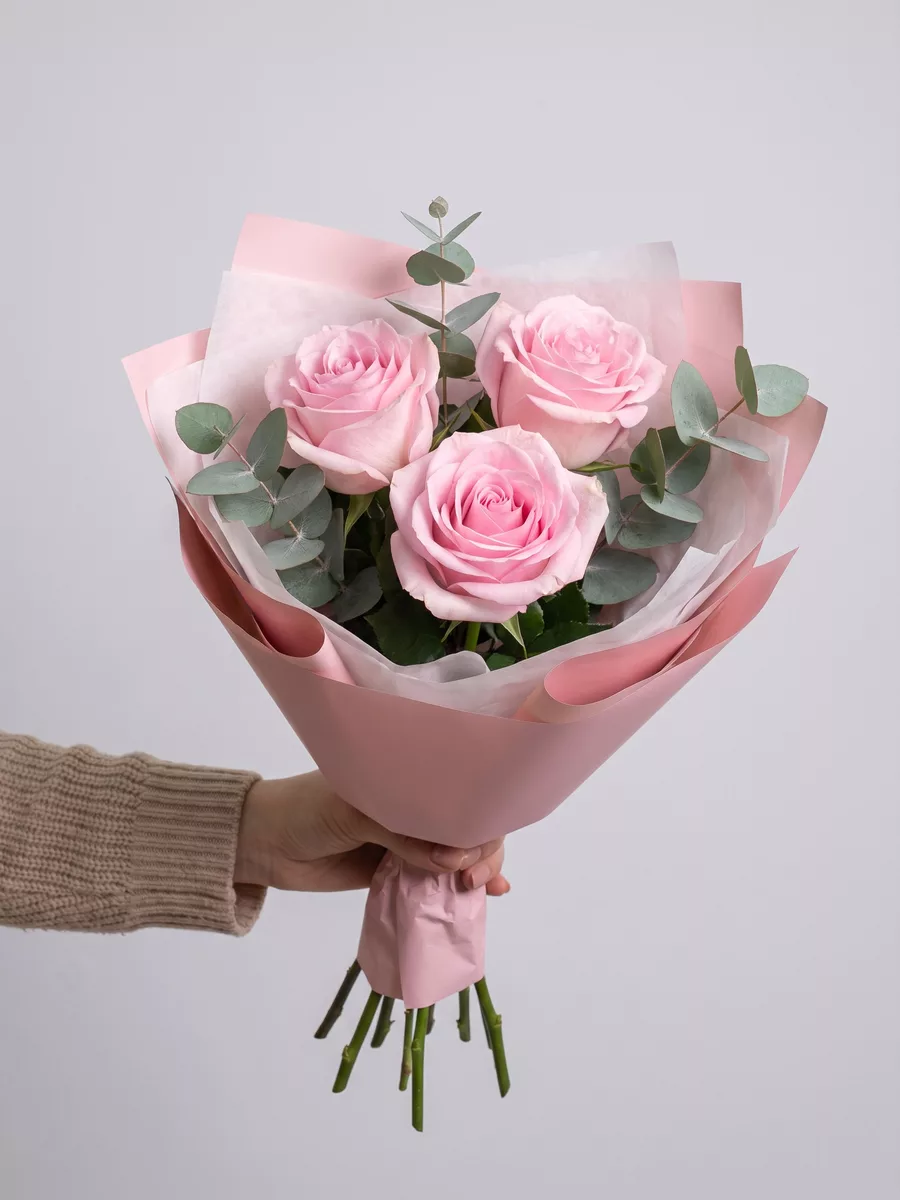
What Russian Gifting Customs Mean for Your Order
If you have not given flowers in Russia before, a few customs will help you avoid unintentional missteps. The most important one is the odd-number rule. Bouquets in Russia are traditionally given in odd numbers — three stems, five, seven, eleven, and so on. Even numbers are associated with mourning and are left at graves. This is not a superstition you can quietly ignore; recipients notice, and it changes the feeling of the gift entirely. Any reputable florist arranging delivery within Russia will follow this automatically, but it is worth confirming when you order.
Red roses carry a strong romantic meaning in Russian culture, even more explicitly than in Western Europe. If you are sending to a colleague, a teacher, or a family friend rather than a romantic partner, a mix of white spray roses, alstroemeria, and eucalyptus reads as warm and celebratory without any ambiguity. Save the single-colour red rose arrangements for the people who will understand them that way.
Wrapping and presentation matter as much as the flowers themselves. Russian bouquets are typically presented with visible stems wrapped in craft paper or a structured sleeve, not hidden in a box. The wrapping is part of the gift — it shows effort and care. When you see a beautifully wrapped cone of paper around a bouquet in a Russian florist's photograph, that is not packaging for transit; that is the presentation itself, and the recipient will carry it just like that.
Choosing Flowers for the Person and the Occasion
Think first about who is receiving the bouquet, and let the occasion come second. A woman in her sixties who tends her own garden will respond differently to a loose, natural arrangement of lisianthus, waxflower, and seasonal greenery than to a tight, formal bouquet of uniform roses. A young woman celebrating a birthday likely wants something vivid and current — garden-style arrangements with ranunculus, tulips in season, or peonies when available.
For a milestone occasion like a significant anniversary or a professional achievement, volume and drama are appropriate. A large arrangement built around David Austin-style roses combined with eucalyptus branches and white eustoma sends a message of genuine celebration. The size of the bouquet communicates the scale of the occasion in a way that is widely understood in Russian culture.
For everyday appreciation — thanking a host, congratulating a friend on a new home, or simply saying you are thinking of someone — smaller, more personal arrangements work best. A hand-tied bunch of alstroemeria in two complementary colours, or a small cluster of freesias chosen for their scent, feels intimate rather than performative. Freesias in particular carry a gentle fragrance that travels well and lasts, which makes them a thoughtful choice when you cannot be there in person to hand the flowers over yourself.
Timing Your Order Across Time Zones
This is where international senders most often stumble. Bakhchisaray operates on Moscow Standard Time, which is UTC plus three hours. There is no daylight saving adjustment in Russia, so the offset from your location stays constant year-round. If you are in London, you are three hours behind. If you are in New York, you are eight hours behind in winter and seven in summer. If you are in Dubai, you are one hour ahead.
Most people want flowers delivered in the morning or early afternoon — arriving at a workplace before the day ends, or at a home while the recipient is still expecting a celebration. To hit a midday delivery in Bakhchisaray, you need to have your order confirmed well before that in Moscow time. Placing an order the evening before your local time is almost always the safest approach. Last-minute orders placed in the middle of your night, which is already mid-morning in Russia, can still work but carry more risk of missing a preferred window.
Birthday deliveries deserve special attention. In Russian tradition, flowers are given on the actual day of the birthday, not the evening before. Arriving a day early is considered poor form. If you are unsure of the exact date due to time zone confusion, build in a buffer and order to arrive on the morning of the celebration date in Moscow time, not your local date.
Varieties That Travel Well in Warm Conditions
Not every flower handles a warm delivery route equally. In the heat of a Bakhchisaray summer, the difference between a bouquet that arrives fresh and one that droops can come down to variety selection. Chrysanthemums are among the most resilient — they hold their structure and colour even after time in a warm vehicle, and they come in a wide enough range of forms, from tight pompons to open daisy types, to suit almost any occasion.
Alstroemeria is another reliable choice for warm-weather delivery. Its petals are thicker than a rose's and it holds moisture well, which means it arrives looking nearly as fresh as it left the cooler. It also lasts exceptionally well in the vase — up to two weeks with basic care — which means the recipient enjoys the gift long after the delivery day.
Roses can absolutely be sent in summer, but the selection matters. Tight-budded roses that have not yet opened are far more resilient in transit than fully open garden roses. Varieties with dense petals and a classic high-centred bud shape — think the kind of rose that takes three or four days to open fully — will arrive in better condition than a loosely cupped garden variety already at half-bloom. Carnations, often underestimated, are genuinely excellent in heat and last well. A modern arrangement using spray carnations mixed with eucalyptus and a few accent blooms like waxflower can look sophisticated while being practically indestructible in transit.
What to Tell the Recipient So the Flowers Last
A beautiful bouquet deserves to last as long as possible, and a few simple instructions make a real difference. If you are sending a gift to someone who may not know flower care routines, it is worth including a short note — either in the card or as a message — with the basics. You do not need to write an essay; three or four lines are enough.
The first step on arrival is a fresh diagonal cut across each stem, about two centimetres from the bottom, using a sharp knife rather than scissors. Scissors compress the stem tissue and reduce water uptake. The cut should happen while the stem is submerged in water if possible, or immediately before placing the flowers in the vase. This single action extends vase life significantly.
The vase water should be cool and clean, changed every two days. Flowers last longer away from direct sunlight, heat sources, and fruit bowls — ripening fruit releases ethylene gas, which accelerates petal drop. In a Bakhchisaray summer, keeping the bouquet in the coolest room of the house, away from windows that get afternoon sun, is genuinely important rather than optional advice.
Strip any leaves that would sit below the waterline before placing the stems in the vase. Submerged leaves rot quickly and cloud the water, which introduces bacteria that shorten the life of every stem in the arrangement. With these steps followed, alstroemeria and chrysanthemums can last ten to fourteen days, roses five to eight, and lisianthus up to ten.
How to Write the Card When You Are Far Away
The card that comes with flowers from abroad carries a particular weight. The recipient knows you went out of your way across a significant distance — time zones, an unfamiliar ordering process, perhaps a language barrier — to make this happen. The message should reflect that without being overwrought.
Keep the tone warm and direct. A card that says exactly what you feel in two or three sentences lands better than a formal paragraph that sounds like it was translated by a machine. If you are writing in English for a recipient who reads Russian, many florists can arrange for a simple translation — ask when you order. A message that arrives in the recipient's own language feels far more personal than one they have to work to understand.
For Russian occasions specifically, it is worth knowing that name days — the feast day of a person's patron saint — are celebrated in some families as warmly as birthdays. If you know someone's name day is approaching, sending flowers for that date rather than waiting for a birthday can be a genuinely touching gesture that shows cultural awareness.
Avoid generic phrases if you can. Instead of writing simply happy birthday, say something about the specific person — a quality you admire, a memory you share, something you are looking forward to doing together. The flowers are the gesture; the card is the voice. When you are thousands of kilometres away, the card is the closest thing to being in the room.
Sending flowers to Bakhchisaray from abroad is entirely achievable when you understand the timing, the culture, and the practical realities of the climate. Choose varieties suited to the season, follow the odd-number tradition, get your order in well before the delivery window in Moscow time, and write a card that sounds like you. The distance between you and the person receiving those flowers is real — but a well-chosen bouquet arriving exactly when it should, wrapped beautifully and smelling of freesia or eucalyptus, closes that distance in a way that a message or a call simply cannot.
Frequently asked questions
Can I order flowers for delivery to Bakhchisaray if I do not speak Russian?
Yes. You can place your order in English and specify the delivery address, recipient's name, and a preferred delivery window. It helps to write the recipient's phone number in international format. If your card message is in English, let us know whether you would like it translated into Russian before delivery — most recipients appreciate receiving a message in their own language.
How far in advance should I place an international order for Bakhchisaray?
Placing your order at least 24 hours before the desired delivery time in Moscow Standard Time is the safest approach. For major occasions like significant birthdays or anniversaries, 48 hours gives more flexibility. Same-day delivery is sometimes possible, but the time zone difference means your window for placing a same-day order closes earlier than you might expect from your local time.
Why do Russian bouquets always have an odd number of flowers?
Even numbers of flowers are traditionally associated with mourning in Russia and are placed at graves rather than given as celebratory gifts. Odd numbers — three, five, seven, eleven, and so on — are for living recipients on happy occasions. This convention is widely observed across generations and regions. Any bouquet we prepare for delivery within Russia follows this tradition automatically.
Which flowers are best avoided in a Bakhchisaray summer delivery?
Fully open garden roses, large hydrangea heads, and delicate sweet peas are the most vulnerable in high summer heat. They wilt quickly once removed from a cooler environment. Chrysanthemums, alstroemeria, tight-budded roses, carnations, and lisianthus all handle warm transit conditions far better and arrive in noticeably better condition during the hottest months.
Can I include a gift or chocolates with the flower delivery?
Combining flowers with a small accompanying gift is a warm and well-received gesture in Russian gifting culture. When placing your order, mention what you have in mind. Chocolates and macarons travel well alongside bouquets. Fragile or perishable additions require more coordination, so the earlier you specify what you want included, the better we can arrange the delivery.
Ready to send flowers?
Pick the city, choose the bouquet, and a local florist takes it from there.
Choose a city →