Sending Flowers to Balabanovo from Abroad? Here Is Everything That Matters
You are somewhere far from Russia — maybe in Europe, the Middle East, or further still — and someone you care about is in Balabanovo, a quiet industrial town in the Kaluga region about 100 kilometres southwest of Moscow. You want flowers to arrive looking as though you handed them over yourself. That is entirely possible, and it happens more often than you might think. What it takes is the right information about timing, seasonal realities, and what Russian recipients actually love to receive.
What Balabanovo Is Like and Why It Changes Your Order
Balabanovo sits in the Kaluga Oblast, a region with a genuine continental climate. Winters are cold and long, with temperatures regularly dropping to minus fifteen or lower between November and February. Summers are warm but short. This matters enormously for flowers, because a bouquet of garden roses or lisianthus that travels beautifully in April can struggle in January unless the packaging and delivery window are planned carefully.
The town itself is smaller and quieter than Kaluga or Moscow. Recipients there tend to value sincerity over spectacle. An enormous, theatrical arrangement can feel out of place in a modest apartment; a thoughtfully composed mid-sized bouquet of fresh, fragrant flowers lands far better. Think of the person opening the door, the size of their kitchen table, the single vase they probably own. That image should guide every choice you make.
Delivery to Balabanovo from Saint Petersburg means your order travels with care and temperature awareness built in. The route and timing are managed so that flowers do not spend hours in an unheated vehicle in winter or in direct sun in summer. When you place the order, specifying a delivery window — morning, midday or afternoon — helps enormously, because the recipient can be home and the flowers move from courier to vase without sitting in a cold hallway.
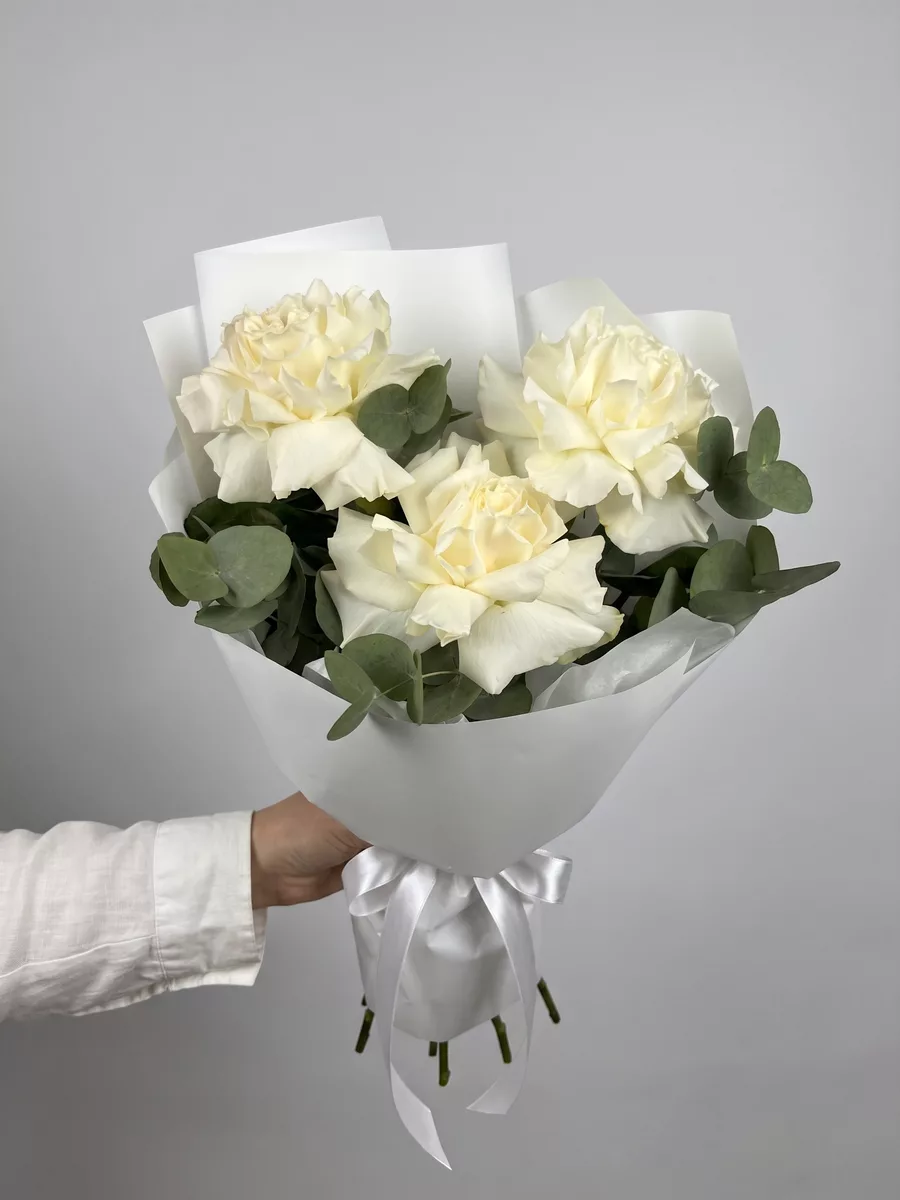
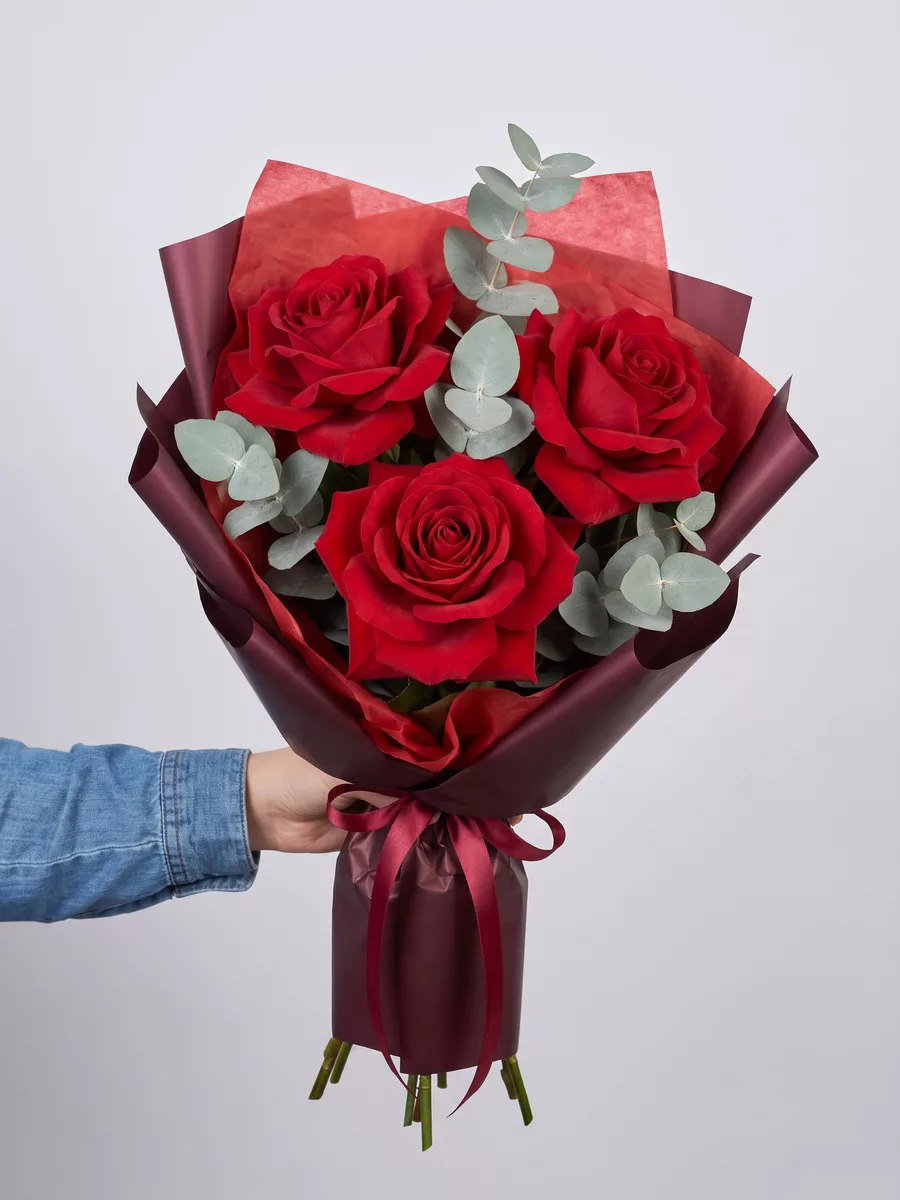
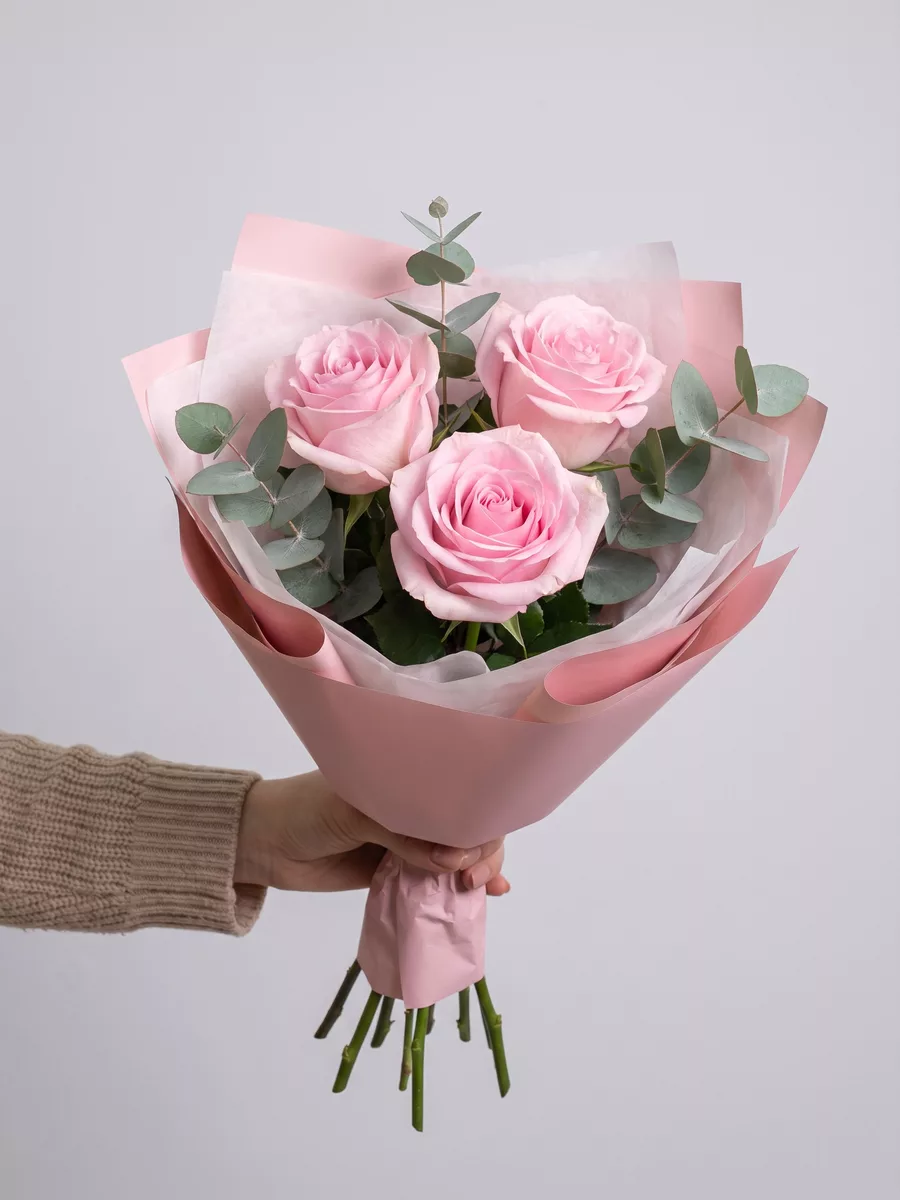
Bouquets we can deliver

When to Order and How Far Ahead to Plan
The single most common mistake international senders make is underestimating time zones. When it is noon in London, it is already three in the afternoon in Balabanovo. When it is noon in New York, the working day in Russia is essentially over. This means that an order placed in the afternoon from North America will most naturally be fulfilled the following morning Russian time — which is often perfectly fine, but you need to know it in advance rather than discover it after placing an urgent birthday order.
For ordinary occasions — a birthday, an anniversary, a job promotion — placing your order at least twenty-four hours ahead gives every step room to breathe. For major Russian holidays such as the eighth of March, which is International Women's Day and the single biggest flower day in the Russian calendar, order three to five days in advance. Demand on that date is extraordinary, and the most popular varieties — spray roses, tulips, mimosa — sell out fast.
For Valentine's Day on the fourteenth of February, the same caution applies, though it is a somewhat smaller occasion in Russia than the eighth of March. New Year and the seventh of January, Orthodox Christmas, are family-focused rather than flower-giving occasions, so those dates carry less pressure. Knowing this rhythm means you can time a surprise perfectly — or avoid the chaos of peak days if the date is flexible.
Choosing Flowers for the Person, Not Just the Occasion
Start with who will receive the bouquet, not with which flowers are fashionable. A woman in her sixties who grew up with Soviet-era gardens will often feel genuine joy at a generous bunch of carnations or gladioli — flowers that younger urban buyers sometimes dismiss but that carry real warmth for that generation. A woman in her thirties in Balabanovo is just as likely to appreciate garden-style arrangements with ranunculus, eucalyptus and spray roses as anyone in a European city.
For men — and yes, flowers for men are entirely normal in Russia, particularly for birthdays and professional milestones — choose structured, less delicate compositions. Anthuriums, tropical foliage, sunflowers or bold single-variety bunches of chrysanthemums work well. Avoid anything that reads as purely romantic if the relationship is collegial or familial.
Children and young adults respond well to colour and energy. Bright gerberas, mixed tulips in contrasting shades, or a cheerful sunflower bouquet feel celebratory without being overly formal. If you know the recipient has a favourite colour, anchor the whole arrangement there. A bouquet of deep violet lisianthus for someone who loves purple is more personal than any generic mixed arrangement, and that personalisation is what makes flowers feel like a real message rather than a transaction.
Seasonal Varieties and What Arrives in Best Condition
Russia imports a large proportion of its cut flowers, which means certain varieties are available year-round: roses from Ecuador and Kenya, chrysanthemums, alstroemeria, carnations and standard lilies are consistently reliable. These are not lesser choices — Ecuadorian roses in particular are known for exceptionally long stems and dense petals that hold well even through temperature variation.
In spring, from March through May, Dutch tulips are at their finest and arrive in extraordinary variety — single, double, parrot and fringed forms. Mimosa, the small yellow wattle-like flower, is inseparable from the eighth of March and is beloved across Russia for its scent and its signal that winter is ending. If you are ordering around that date, mimosa in combination with white tulips or pale pink roses is a classic that never fails.
Summer brings peonies, which are deeply loved in Russia and associated with warmth and abundance. A full peony bouquet in blush or coral is one of the most generous things you can send in June. By autumn, dahlias in burgundy and terracotta, and the first chrysanthemums of the season, carry a richness that suits the shorter days. In winter, lean into roses, amaryllis and waxflower rather than delicate garden varieties that suffer in the cold. Knowing the season protects your gift from arriving wilted.
Russian Gifting Customs Worth Knowing Before You Order
If you did not grow up with Russian customs, a few traditions will help you avoid unintentional missteps. The most important: always send an odd number of flowers. Even numbers of flowers in Russia are associated with mourning and are brought to funerals. A bouquet of eleven roses, fifteen tulips, or twenty-one mixed stems is correct. A bouquet of ten or twelve, however beautiful, will be noticed for the wrong reason. Most florists count automatically, but it is worth confirming if you are ordering a very precise quantity.
Yellow flowers carry a complicated reputation in parts of Russian popular culture — some people associate them with separation or bad luck, while others love them freely. Sunflowers are generally exempt from this association and are widely enjoyed. If you are unsure of the recipient's feelings, a mixed bouquet that includes yellow as an accent rather than the dominant colour is a safe middle ground.
Wrapping and presentation matter greatly. In Russia, flowers are typically wrapped generously — in kraft paper, fabric, or layered tissue — and the wrapping is considered part of the gift. A beautifully dressed bouquet signals that the sender thought carefully. You can add a handwritten card message when ordering; even a short note in Russian, if you can manage a phrase or two, will be remembered warmly. A simple 'S dnyom rozhdeniya' for Happy Birthday or 'Pozdravlyayu' for Congratulations goes a long way.
Keeping Flowers Fresh: What to Tell the Recipient
Flowers sent from a distance deserve a proper welcome at the other end, and a short note of care instructions — either included with the bouquet or sent by message — shows real thoughtfulness. The first thing the recipient should do is trim the stems at a diagonal, about two centimetres from the bottom, using a sharp knife or scissors. This fresh cut opens the stem's water channels and immediately improves water uptake.
The water in the vase should be cool and clean. Warm or stagnant water accelerates bacterial growth and shortens vase life significantly. Change the water every two days and re-trim the stems each time. Remove any leaves that fall below the waterline, as they rot quickly and cloud the water. A small sachet of flower food is typically included with the bouquet — dissolving it in the first vase of water makes a noticeable difference to how long the flowers last.
Placement in the home matters too. Flowers last longer away from direct sunlight, heating radiators and fruit bowls. Ethylene gas from ripening fruit — especially apples and bananas — accelerates petal drop in sensitive varieties like roses and tulips. A cool corner of a room, away from draughts, is ideal. In winter, if the recipient's hallway is very cold, they should move the bouquet indoors immediately rather than leaving it to acclimatise slowly. Roses and tulips in particular dislike prolonged cold after being conditioned at room temperature.
How to Place Your Order Smoothly from Outside Russia
The process of ordering internationally is straightforward, but a few practical points make it smoother. You will need the recipient's full address including the apartment number and entry code if the building has a coded entrance — this is extremely common in Russian residential blocks and a missing entry code means the courier cannot get in. The recipient's phone number is essential, as the courier will call ahead to confirm arrival time.
Payment from abroad is handled online, and international cards are accepted. If you encounter any difficulty with your card, having an alternative payment method ready saves time. The order form will ask for your preferred delivery window; choose this based on when you know the recipient will be home rather than what is most convenient for your own time zone. A missed delivery is the most frustrating outcome for everyone.
If you want the delivery to be a surprise, note that in the order comments. The courier will avoid calling too far in advance in a way that reveals the sender. You can also request that the card message be sealed. For a truly memorable surprise, coordinate with someone else in the recipient's household — a spouse, a parent, a flatmate — who can quietly ensure the door is answered without spoiling the moment. A little coordination on your end transforms a nice gesture into something the recipient talks about for days.
Sending flowers to Balabanovo from the other side of the world is less complicated than it sounds once you understand the rhythm of Russian time zones, the importance of odd numbers, and which varieties travel well in each season. The distance between you and the recipient shrinks the moment someone opens a door to a beautifully wrapped bouquet that smells of peonies or fresh roses. That is what flowers do — they carry the feeling across any number of kilometres. With a little planning, yours will arrive exactly as you imagined them.
Frequently asked questions
Can I order flowers for Balabanovo if I am in a completely different time zone?
Yes, and many of our international customers do exactly this. The key is to place your order well ahead of the desired delivery time in Russia, accounting for the time difference. Orders placed in the evening from North America or Western Europe typically align well with a morning or midday delivery the following day in Balabanovo. Specifying your preferred delivery window in the order form removes any ambiguity.
Why do Russian florists always use odd numbers of flowers?
In Russian tradition, even numbers of flowers are associated with mourning and are brought to funerals. Sending an even number to a living recipient, however unintentionally, carries an uncomfortable association. Odd numbers — seven, eleven, fifteen, twenty-one — are used for all celebratory and affectionate occasions. Our florists count carefully so you never have to worry about this, but it is good to understand the reason behind the custom.
Which flowers hold up best during winter delivery to Balabanovo?
Roses, chrysanthemums, alstroemeria and carnations are the most cold-tolerant cut flowers and travel reliably in winter conditions. Tropical varieties like anthuriums also handle temperature variation well. We avoid delicate open blooms in extreme cold and use insulated packaging during the coldest months. Tulips can be sent in winter but should be moved indoors immediately on arrival rather than left in a cold entrance hall.
Is it possible to include a personalised card message in Russian if I do not speak the language?
Absolutely. You can write your message in English and we will transliterate or translate a short greeting for the card if you request it in the order comments. Alternatively, write your full message in English — many recipients in Russia read it well, and the personal words matter more than the language. A handwritten-style card is included with every bouquet and sealed if you prefer the delivery to be a surprise.
How long will the flowers last once they arrive in Balabanovo?
With proper care — fresh diagonal cuts, cool clean water changed every two days, and placement away from heat and fruit — most bouquets last seven to ten days. Roses and chrysanthemums are particularly long-lasting. Tulips typically last five to seven days but are vivid and impactful throughout. We include a flower food sachet with every order, which meaningfully extends vase life when dissolved in the first water.
Ready to send flowers?
Pick the city, choose the bouquet, and a local florist takes it from there.
Choose a city →