Sending Flowers to Baley from Abroad? Here Is What to Expect
Baley sits in the Zabaykalsky Krai, a long way east of Moscow, and if you are calling from Berlin, Dubai, or Toronto trying to arrange a bouquet for someone you love there, the distance can feel overwhelming. It does not have to be. With the right florist, the right timing, and a little knowledge of what grows well and travels well in that climate, you can send something genuinely beautiful that arrives fresh and means exactly what you intended.
Why Baley Is Different from Sending Flowers to a Big City
Most people imagine flower delivery in Russia as something that works smoothly in Moscow or Saint Petersburg and then gets complicated everywhere else. Baley is a small town, and that changes the conversation in a few important ways. The climate in Zabaykalsky Krai is sharply continental — winters push temperatures well below minus twenty Celsius, and summers can be dry and warm. Both extremes affect how flowers travel and how long they survive once they arrive.
The person receiving your bouquet is probably used to seeing simpler arrangements at local markets. That means a well-composed, thoughtfully chosen bouquet from a professional florist will genuinely stand out. It will feel like an event. That is actually a gift in itself — the sense that someone put real effort into reaching them across thousands of kilometres.
Delivery to smaller Russian cities also means your order needs to be placed with enough lead time. Same-day delivery is possible, but placing your order before noon Moscow time gives the best chance of an afternoon arrival. Baley operates on Irkutsk time, which is UTC plus eight, so if you are in Western Europe, you are working across a significant time difference. Factor that in when you plan. A florist who knows this route will flag the timing for you before you confirm, not after.
Bouquets we can deliver
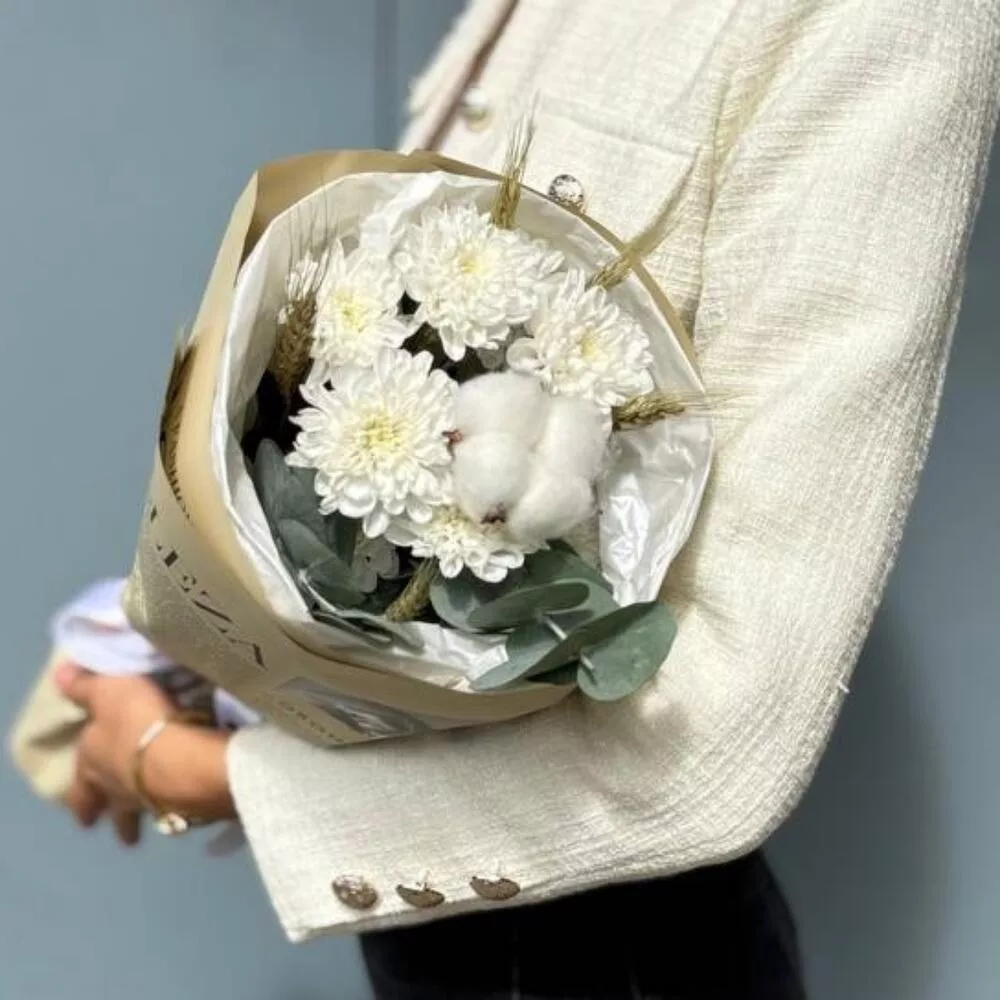
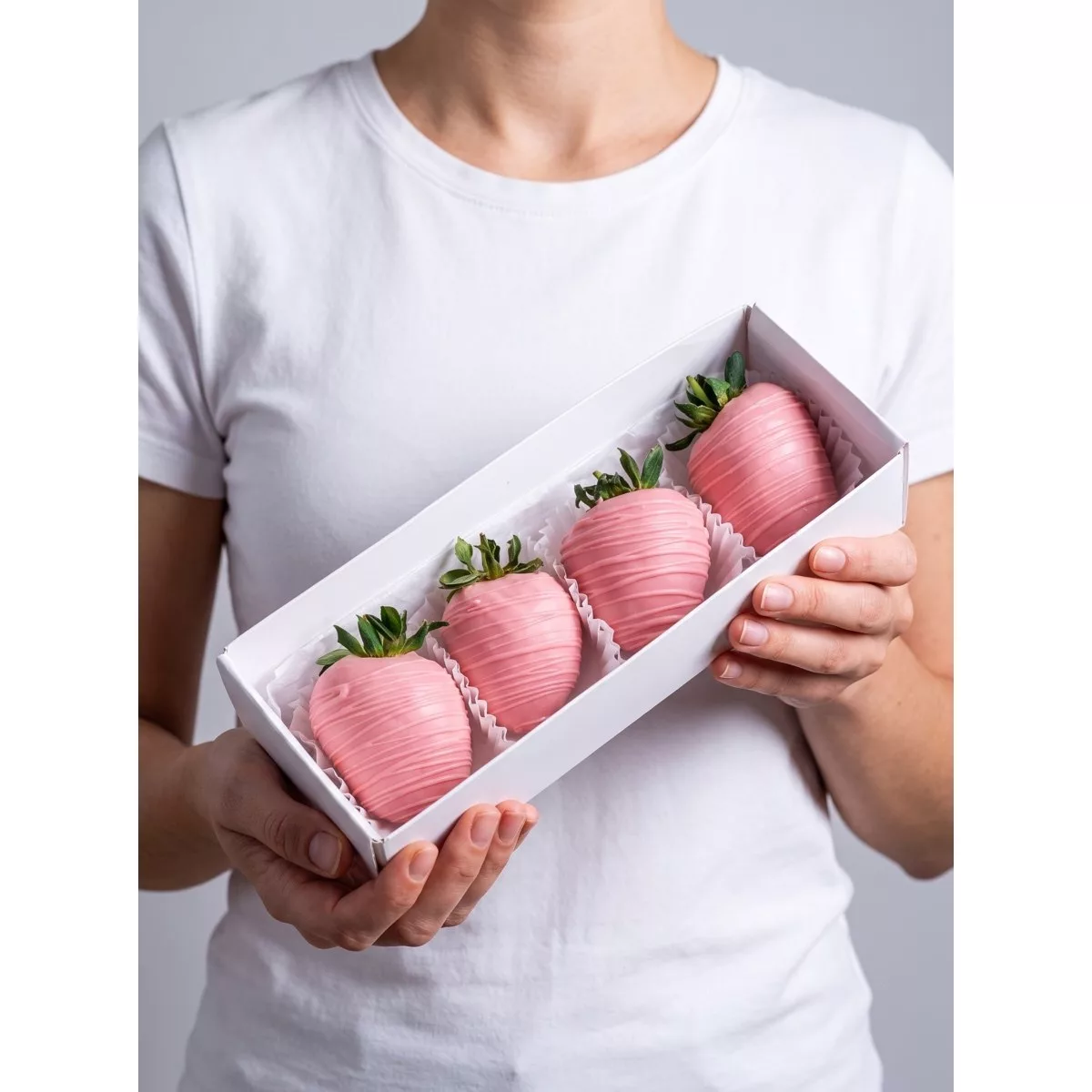

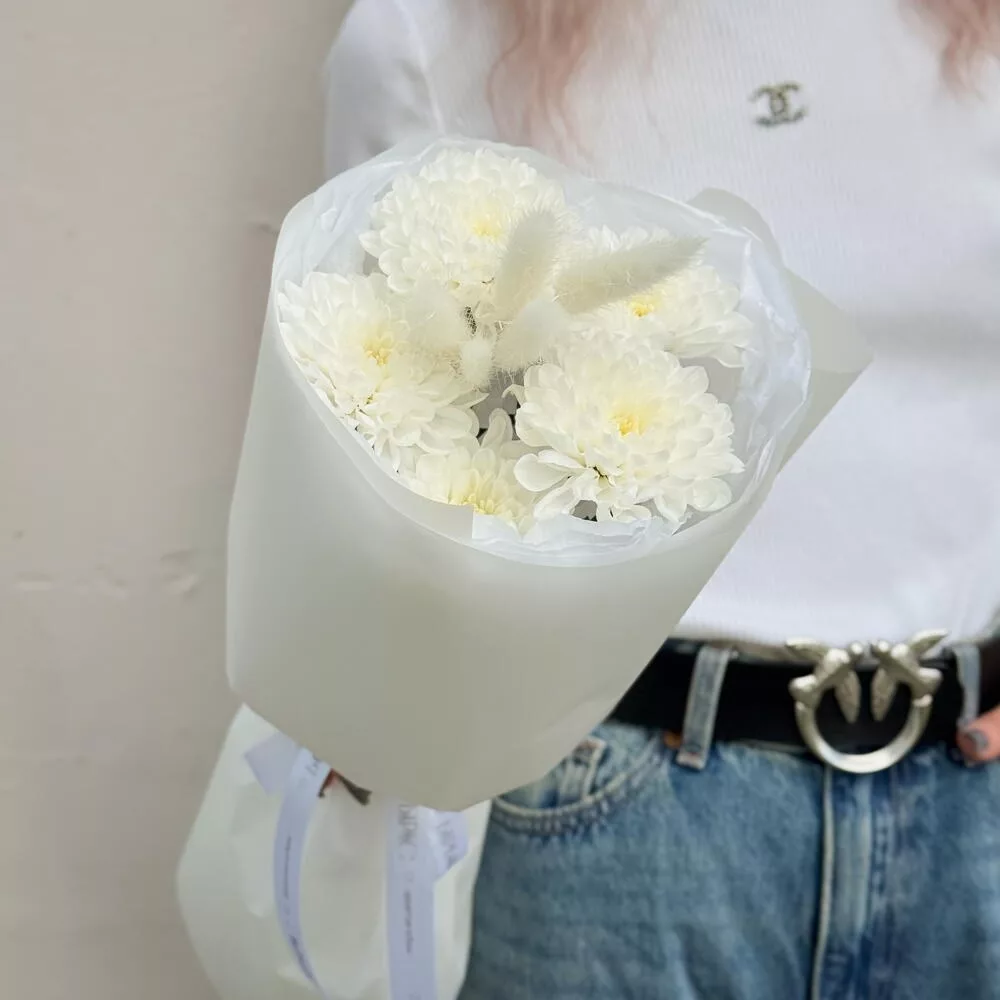
What the Recipient Will Actually Feel When the Bouquet Arrives
Flower delivery in a smaller Russian city carries a different emotional weight than it does in a metropolitan centre. When a bouquet arrives at someone's door in Baley, neighbours notice. Family members ask questions. There is a social warmth around the moment that does not exist in the same way in a large anonymous apartment block in a capital city. If you are sending to mark a birthday, a graduation, a new baby, or simply to say you are thinking of someone, the arrival of flowers becomes a small neighbourhood event.
Russian recipients tend to unwrap bouquets slowly and look at them carefully. Presentation matters enormously. The way a bouquet is wrapped — whether it uses kraft paper with a ribbon, a transparent sleeve that shows the stems, or a hatbox for something more formal — is part of the gift. Your florist should be choosing packaging that suits the occasion and the personality of the recipient, not just slapping a standard wrap on every order.
For someone who has not received professional flowers recently, the scent is often the first thing they comment on. Varieties with genuine fragrance — freesia, stocks, some spray roses, garden roses when they are in season — add something that photographs cannot capture. If your recipient is someone who will put the bouquet on a kitchen table and spend a week walking past it, fragrance makes that week richer. Ask for it specifically when you place your order.
Choosing the Right Bouquet for the Occasion and the Person
Start with who this person is before you think about which flowers. A grandmother celebrating her seventieth birthday will likely respond to something classic — chrysanthemums, carnations in warm tones, or a compact arrangement of alstroemeria with a few accent blooms. A young woman in her twenties might love a loose, garden-style composition with ranunculus, lisianthus, and eucalyptus. A man receiving flowers — which is more common in Russia than many foreigners expect — often appreciates something architectural and unfussy, like a bundle of sunflowers or a monochromatic arrangement of calla lilies.
For birthdays, Russians traditionally give an odd number of flowers. Even numbers are reserved for mourning, so a bouquet of ten roses would feel wrong to most recipients, even if they could not immediately explain why. Your florist should know this, but it is worth mentioning when you order if you are choosing a specific stem count.
Seasonality matters for both quality and symbolism. In spring, tulips and hyacinths feel right and travel well when properly hydrated. In summer, sunflowers and gerberas are cheerful and sturdy. Autumn suits chrysanthemums and dahlias. Winter arrangements often lean on roses, which are imported year-round and hold up well in cold transit — actually, cold air during delivery helps rather than hurts them. A florist who works with the season rather than against it will give you a better result at every price point.
Options Across Different Budgets and What Each Looks Like
A modest but well-made bouquet at the entry level might be five to seven stems of a single strong variety — alstroemeria, spray chrysanthemums, or a handful of bright gerberas — wrapped cleanly with greenery and a ribbon. This is not a compromise; a single-variety bouquet done with precision looks intentional and confident. It is the florist equivalent of a well-tailored simple dress. The recipient knows someone chose carefully.
A mid-range bouquet opens up combinations. This is where you can ask for a focal flower — a rose, a peony in season, a lisianthus — surrounded by secondary blooms and textural foliage. Think of spray roses paired with waxflower and dusty miller, or garden roses with eucalyptus and a few stems of veronica for vertical interest. These arrangements have depth. They look different from every angle, and they photograph well, which matters if the recipient wants to share the moment.
At a higher budget, you move into hatboxes, large statement arrangements, or mixed compositions that include premium varieties like peonies, garden roses, or orchid stems. A box arrangement has the advantage of being stable — it sits on a surface without needing a vase immediately, which is useful if the recipient is not home when delivery arrives and a neighbour accepts it. For Baley, where the recipient may be at work during delivery hours, this practical consideration is worth thinking about. Always include a message card. In Russian gifting culture, the card is read carefully and often kept.
Timing Your Order Across Time Zones and What Can Go Wrong
Baley is UTC plus eight. If you are in London, that is a six-hour gap in winter and five in summer. If you are in New York, you are working across an eleven or twelve-hour difference. This means that what feels like a reasonable morning for you might already be late afternoon in Baley. The most common mistake made by senders from abroad is placing an order at what feels like a sensible time in their own city, only to discover that delivery cannot happen until the following day.
The safest approach is to place your order the evening before the occasion, your local time. This almost always lands the order in the florist's system during Baley's morning, leaving the full day for preparation and delivery. If the occasion is a surprise, give the florist a two-hour delivery window rather than an exact time — this accounts for traffic, building access, and the recipient not answering immediately.
One thing that catches international senders off guard is the address format. Russian addresses go from large to small: country, region, city, street, building number, apartment number. If you are copying an address from a message your Russian contact sent you, double-check that you have all of these elements. A missing apartment number in a multi-storey building can mean the delivery person waits downstairs unable to reach the right door. Your florist should confirm the address with you before dispatch, but providing it completely from the start saves everyone time.
How Flowers Survive the Journey and What Keeps Them Fresh Longer
Flowers destined for Baley are prepared with hydration in mind. Stems are cut at an angle and placed in water immediately after cutting, which keeps the vascular tissue open. For cold-season deliveries — and in Zabaykalsky Krai, cold season is long — bouquets are wrapped in insulating paper that protects blooms from freezing air during the brief outdoor transit. A rose that goes from a warm florist's workspace into minus fifteen air without protection will show petal damage within minutes.
Once the bouquet is received, the single most important thing the recipient can do is get the stems into water quickly. If they have received a hand-tied bouquet, they should cut another centimetre off each stem at an angle before placing it in a clean vase. Tap water in most Russian cities is fine. Changing the water every two days and re-cutting the stems extends vase life meaningfully.
Different varieties have different lifespans. Chrysanthemums and alstroemeria are among the longest-lasting cut flowers — often ten to fourteen days with basic care. Gerberas and tulips are shorter, typically five to seven days, but they are vivid and impactful while they last. Roses fall in the middle, around seven to ten days depending on variety and conditions. A warm room shortens vase life; a cool spot away from direct sun and fruit bowls extends it. Ethylene gas from ripening fruit is genuinely damaging to cut flowers, so keeping them in the kitchen near a fruit bowl is one of the most common mistakes recipients make without knowing it.
Russian Gifting Customs Every International Sender Should Know
Flowers in Russia are not a casual gesture. They carry weight, and the choices you make — variety, colour, number of stems — will be noticed and interpreted. Red roses, for instance, are strongly associated with romantic love. Sending a large bunch of red roses to a colleague or a family friend can send an unintended message. If the relationship is warm but not romantic, opt for mixed colours, or choose a variety that reads as celebratory rather than passionate — sunflowers, bright gerberas, or a colourful mixed bouquet work well.
White flowers occupy an interesting space. In some older traditions, white blooms are associated with mourning, but this association has softened considerably among younger Russians, and white roses or white lisianthus in a mixed arrangement are widely appreciated today. If your recipient is elderly and traditional, it is worth adding some warm colour to balance any white in the arrangement.
The message card is taken seriously. Russians tend to write thoughtfully and read carefully. A card that simply says a name and a generic greeting can feel thin. If you are writing in English and the recipient reads it, that is fine — a message in your own language from abroad is personal and genuine. If you want the message in Russian and do not speak it yourself, a good florist can help you translate a short note accurately. Avoid using translation software for this; the results are often grammatically awkward in ways that a native speaker immediately notices. A warm, slightly imperfect message written by a human is always better than a fluent-sounding machine translation.
Sending flowers to Baley from abroad is not as complicated as the distance makes it feel. The key elements are simple: order early enough to account for the time zone difference, choose varieties that suit the season and the person, give a complete address, and let your florist know the occasion so the composition and packaging match the moment. The person in Baley who opens that door and finds a fresh, beautifully wrapped bouquet will not be thinking about logistics. They will be thinking about you.
Frequently asked questions
Can I send flowers to Baley if I do not speak Russian?
Yes, entirely. You can place your order in English and provide the recipient's address and phone number in the standard Russian format. A good florist will handle communication with the recipient in Russian on delivery day. If you want a message card in Russian, share your text and ask for a human translation rather than relying on an automated tool.
How far in advance should I order to guarantee delivery on a specific day?
Placing your order the evening before the occasion in your local time is the safest approach for international senders. This accounts for the time zone gap and gives the florist a full working day in Baley's time to prepare and deliver. For major dates like March 8th or Valentine's Day, ordering two to three days ahead is strongly recommended as demand spikes significantly.
What flowers work best in Baley's cold winter climate?
Roses, chrysanthemums, alstroemeria, and carnations all travel well in cold conditions and are available year-round. They are robust enough to handle brief exposure to cold air during outdoor transit when properly wrapped. Avoid requesting tropical varieties like anthuriums or bird of paradise in deep winter, as they are sensitive to cold and can show damage even from short exposure below ten degrees Celsius.
Is it acceptable to send flowers to a man in Russia?
Absolutely. Giving flowers to men is a genuine tradition in Russia, particularly on February 23rd, which is Defender of the Fatherland Day, though it happens on other occasions too. Men tend to receive simpler, bolder arrangements — sunflowers, monochromatic rose bundles, or structural compositions with calla lilies. Avoid very delicate or pastel arrangements if you want the bouquet to feel suited to the recipient.
What should I do if the recipient is not home when the flowers arrive?
Provide a mobile number for the recipient when you order. The delivery person will call ahead or on arrival. If no one answers, flowers can sometimes be left with a neighbour or building concierge, but this depends on the building. Choosing a box arrangement rather than a hand-tied bouquet helps in this situation, as it is more stable and can wait safely for an hour or two without a vase.
Ready to send flowers?
Pick the city, choose the bouquet, and a local florist takes it from there.
Choose a city →