How to Send Flowers to Baymak from Another Country
You are somewhere outside Russia — maybe London, Dubai, Berlin or New York — and someone you love is in Baymak, a small city in the Republic of Bashkortostan. You want to send them flowers that arrive fresh, look generous and feel personal. The distance feels enormous, but the gesture does not have to be complicated. This guide walks you through everything a sender abroad needs to know, from choosing the right bouquet for the occasion to understanding what happens when the courier rings the doorbell.
Why Baymak Is Different from Sending to a Big Russian City
Baymak sits in the southern Urals, far from Moscow and Saint Petersburg. It is a smaller city with a strong regional identity rooted in Bashkir culture, and that context matters when you are choosing flowers for someone who lives there. A bouquet that feels perfectly ordinary in a capital city can feel unexpectedly grand or, conversely, underwhelming in a place where people pay close attention to the thought behind a gift rather than the brand behind it.
The climate is also worth keeping in mind. Baymak experiences genuinely cold winters, with temperatures dropping well below freezing from November through March, and warm, dry summers. This affects how flowers travel on the final stretch of delivery and which varieties hold up best at different times of year. A delicate garden rose in July heat needs different handling than tulips delivered in a February frost.
Turboflora delivers across Russia, including to Baymak, coordinating the logistics so that the bouquet arrives within the promised window. As a sender abroad, your job is simply to place the order clearly and choose something suited to the person and the season. The florists handle the rest, including sourcing fresh stems and packaging them for the journey. Understanding the regional context just helps you make a better choice from the very first step.
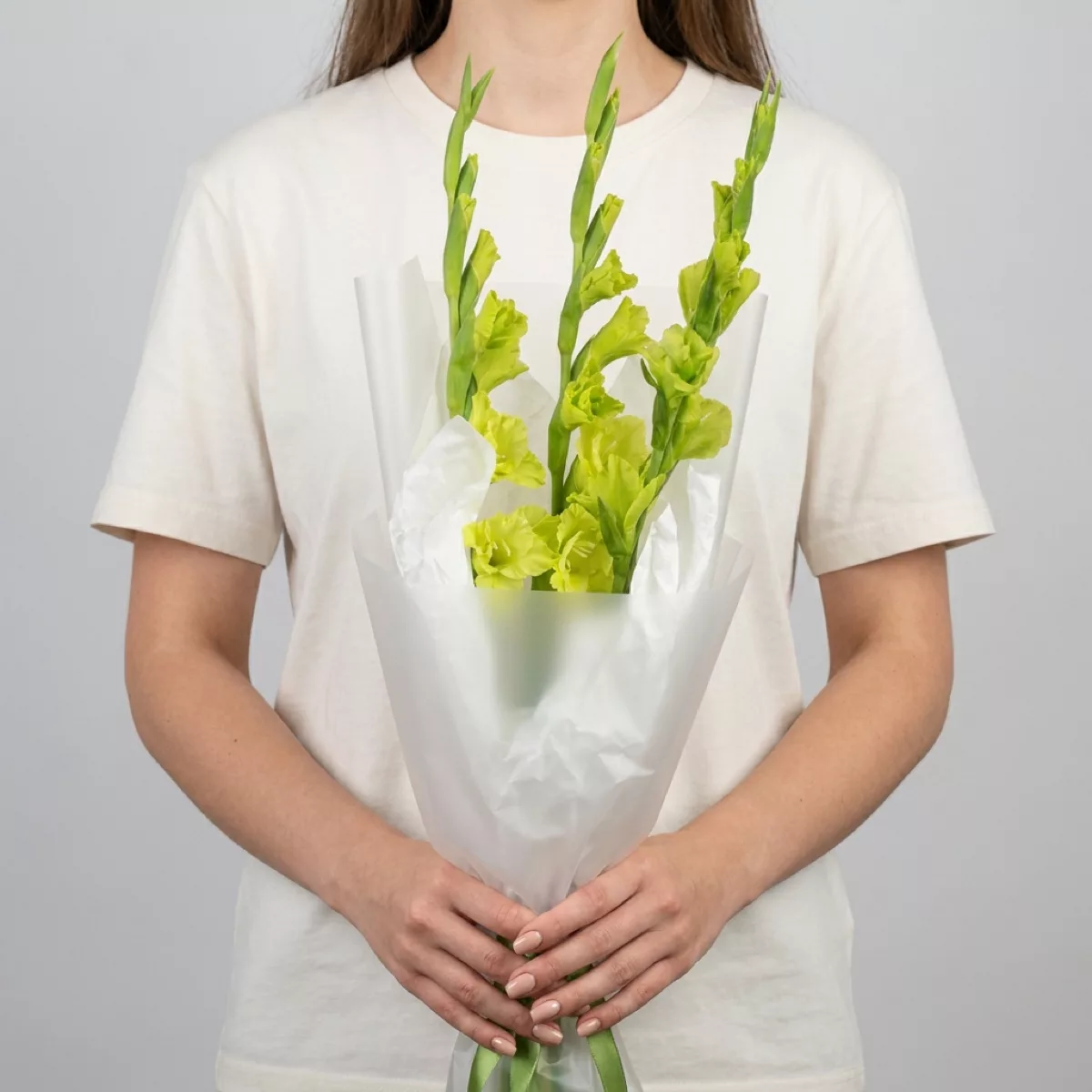
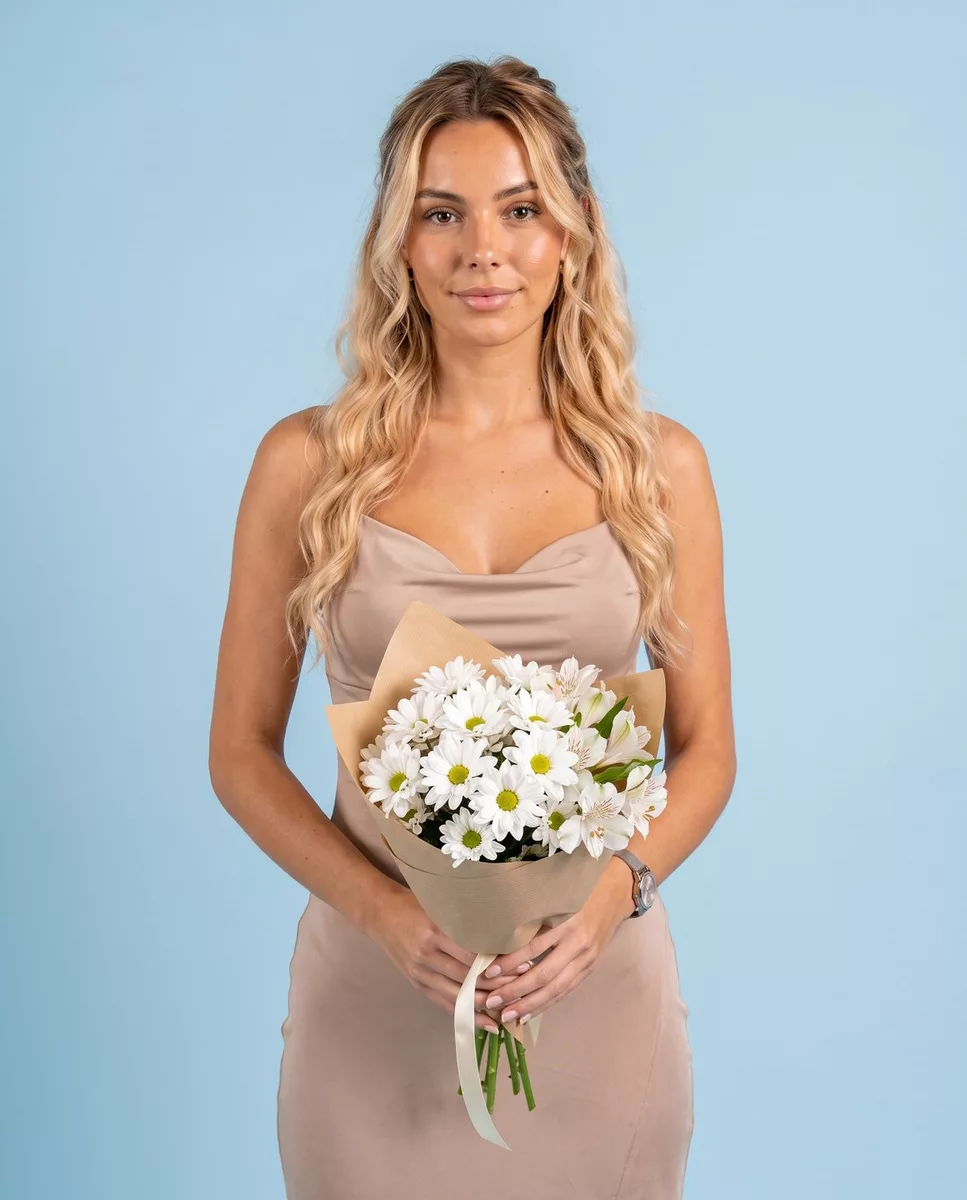
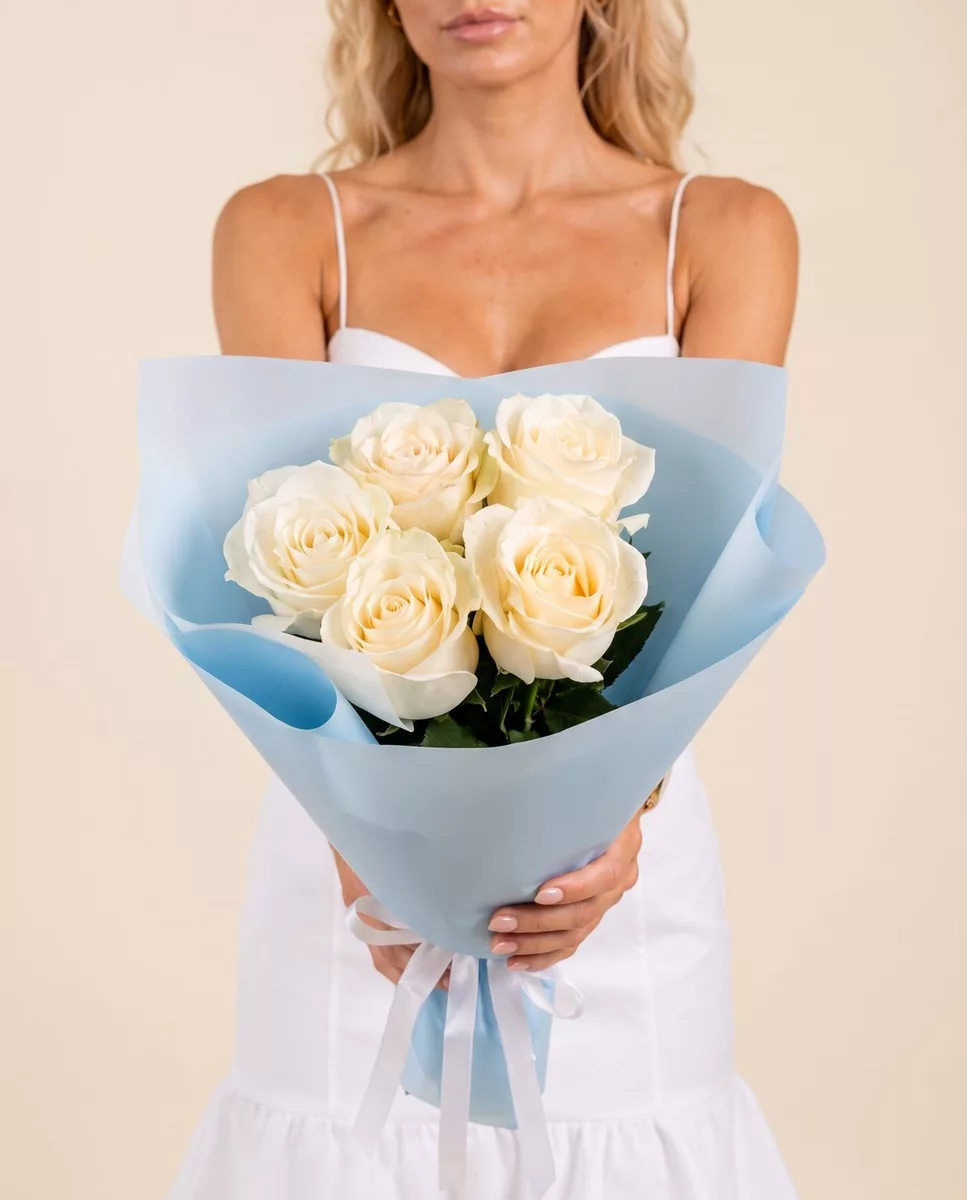
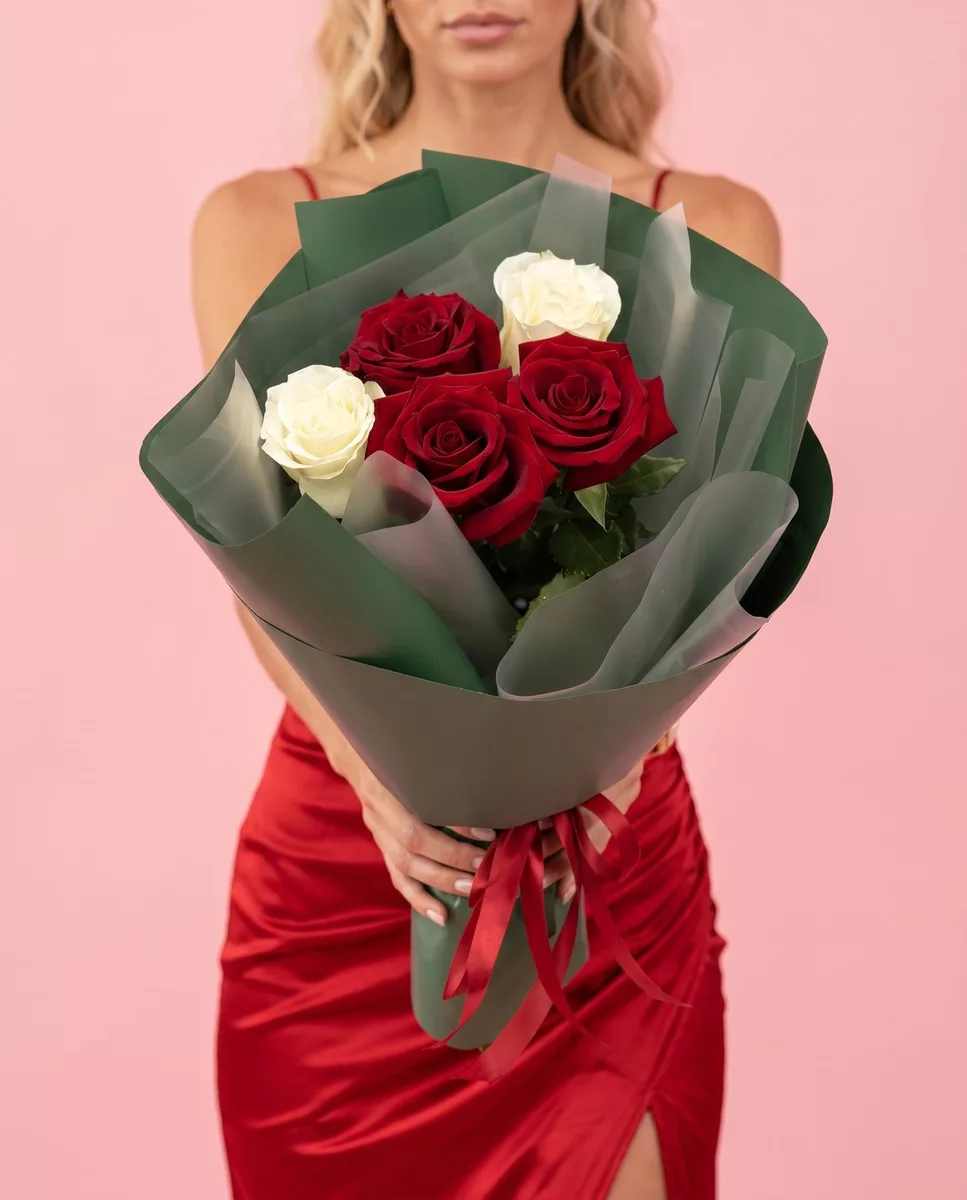
Bouquets we can deliver
Reading the Occasion Before You Pick a Single Flower
Before you open any catalogue or start thinking about colours, stop and think about the person receiving the flowers and what this moment means to them. Are they celebrating a birthday, a new job, a graduation? Is it a romantic gesture after weeks apart? Are you simply saying you are thinking of them? The occasion shapes everything — the size of the bouquet, the flower varieties, the wrapping and even the note you write.
In Russian culture, and particularly in Bashkortostan, flowers carry clear social signals. An odd number of stems is standard for celebratory gifts; even numbers are reserved for mourning and should be avoided entirely. If you are sending to a woman, a full, lush arrangement reads as warm and generous. If the recipient is a man — perhaps a father, a colleague or a mentor — a more structured composition with bold textures like sunflowers, lisianthus or sturdy spray chrysanthemums tends to land better than a romantic rose bouquet.
For romantic occasions, red roses remain universally understood, but a mix of garden roses in blush and cream with eucalyptus feels more intimate and current. For a birthday, bright seasonal flowers — ranunculus in spring, dahlias in late summer, alstroemeria year-round — signal that real thought went into the choice. Take two minutes to picture the recipient opening the door and holding the bouquet. That image will tell you more than any product description.
Choosing Flowers That Travel Well to the Southern Urals
Not every flower is equally suited to a long delivery chain. When you are sending from abroad, the bouquet is assembled fresh in Russia and delivered locally, but you still want to choose varieties known for durability and vase life, because a wilted arrangement on arrival defeats the entire purpose.
Chrysanthemums are one of the most reliable choices for Baymak deliveries. They are hardy, long-lasting and available in a wide range of forms — from tight button varieties to large decorative heads. Alstroemeria is another excellent option; its stems carry multiple blooms that open gradually over seven to ten days, giving the recipient a bouquet that keeps changing. Lisianthus, sometimes called eustoma, has the layered look of a peony but holds its shape far better in fluctuating temperatures.
Roses are the most requested flower for good reason, but variety matters. Spray roses with smaller, clustered heads are more resilient than single large-headed varieties in transit. If you want a premium look, ask for garden roses like Keira or David Austin types, which have a richer, more romantic form than standard commercial roses and still travel well when cut and conditioned properly.
In winter, avoid tropical varieties like bird of paradise or anthuriums unless you are confident the delivery window is short and the recipient is home. Cold exposure even for a few minutes on a doorstep can damage these flowers visibly. Stick to cold-tolerant stems — tulips, freesia, carnations and the varieties listed above — when temperatures in Baymak are below freezing.
How to Place an Order from Outside Russia Without Stress
Placing an international order is simpler than most senders expect, but a few details make the difference between a smooth delivery and a frustrating delay. The most important thing you can provide is a complete and accurate delivery address in Russian transliteration or Cyrillic if you have it. Baymak addresses should include the street name, building number, apartment number if applicable and the postcode. An incomplete address is the single most common reason a delivery is delayed.
The recipient's phone number is equally critical. The courier will call ahead to confirm the person is home and available. If you are sending a surprise, you can note that in your order instructions, and the florist team will handle the call carefully — but the number must still be provided. Without it, delivery cannot be guaranteed.
Time zones matter when ordering from abroad. Baymak follows Yekaterinburg Time, which is UTC plus five. If you are in Western Europe, that is four or five hours ahead of you. If you are in North America, the gap is eight to thirteen hours depending on your location. When you choose a delivery window on the Turboflora website, make sure you are reading the time in Russian local time, not your own. Ordering at what feels like morning your time may already be late afternoon in Baymak.
Pay by international card and keep your confirmation email. It contains the order number, which is your reference if you need to check on the delivery. Most orders to Baymak are fulfilled within the one-to-two-hour window from confirmation.
Seasonal Buying: Matching Your Bouquet to the Baymak Calendar
Flowers have seasons, and buying with the calendar in mind means your bouquet will look its best and cost less to fill with premium stems. Baymak's climate is continental, so the seasonal shifts are pronounced and genuinely affect what is available and what looks freshest at any given time.
Spring, from March through May, is the best time to send tulips. Dutch tulips arrive in Russia in enormous quantities during this period and are at their peak quality. Ranunculus, hyacinths and anemones are also at their finest in early spring and make a bouquet feel seasonal and considered rather than generic. March 8th — International Women's Day — is the single busiest flower holiday in Russia, so order at least two days in advance if you are sending around that date.
Summer brings peonies in late May and June, which are genuinely spectacular and deeply loved in Russian culture. They have a short season, so if a birthday or anniversary falls in June, peonies are a meaningful and timely choice. Dahlias arrive from August onward and carry into early autumn with rich, warm tones.
Autumn and winter are the seasons for roses, lisianthus, alstroemeria and chrysanthemums — all of which are grown in greenhouses and maintain consistent quality year-round. A winter bouquet wrapped in kraft paper with dried elements like cotton stems or eucalyptus branches can look deliberately seasonal and beautiful rather than a compromise. Lean into what the season offers rather than fighting it.
Writing a Card Message That Feels Right in Russian Context
The card message is often an afterthought for senders abroad, but in Russia it is read carefully and kept. A warm, specific message matters far more than a generic one. You do not need to write in Russian — the florist team can include your English message as written, and many recipients in Baymak, particularly younger people, will read it with pleasure. If you would like the message translated into Russian, note that in your order comments.
Avoid overly formal language unless the relationship calls for it. Russian communication between people who care for each other tends to be direct and warm rather than flowery or corporate. Something like "I am thinking of you today and wanted you to know it" lands better than a stiff congratulatory phrase copied from a template.
For birthdays, acknowledge the specific year or milestone if you know it. For professional achievements, name the achievement — "I heard about your promotion and I am so proud of you" is more meaningful than a vague "congratulations." For romantic gestures, simplicity is powerful. Three or four genuine sentences will outlast a paragraph of elaborate prose.
If you are sending to someone you have not spoken to in a while — a relative, a childhood friend — the card is a chance to bridge the distance. Mention a shared memory or a detail only you would know. The flowers will be beautiful regardless, but the card transforms the bouquet from a purchase into a conversation. Give it the two minutes it deserves before you check out.
Caring for the Bouquet After Delivery: What to Tell the Recipient
Once the flowers arrive, their vase life depends almost entirely on what happens in the first hour. You can include care instructions with your order note, or simply share these points with the recipient yourself. A little guidance means the bouquet lasts eight to twelve days instead of three or four.
The stems should be cut at a forty-five-degree angle under running water or while submerged in a bowl. This prevents an air bubble from forming at the cut end, which would block water uptake. Use a sharp knife rather than scissors, which can crush the stem tissue. Remove any leaves that would sit below the waterline in the vase — submerged foliage rots quickly and clouds the water.
Fresh, cool water is essential. Change it every two days and re-cut the stems each time by another centimetre. Keep the vase away from direct sunlight, radiators and fruit bowls — ripening fruit releases ethylene gas, which accelerates petal drop in roses and tulips noticeably. A cool room, ideally between fifteen and eighteen degrees Celsius, extends vase life significantly.
Different flowers in a mixed bouquet age at different rates. Chrysanthemums and alstroemeria typically outlast roses and tulips by several days. As individual stems fade, remove them so the remaining flowers are not affected. A bouquet that started as twelve stems can look just as intentional with seven if the arrangement is refreshed thoughtfully. Encourage the recipient to move stems around as the bouquet evolves — it keeps the arrangement feeling alive rather than slowly diminishing.
Sending flowers to Baymak from abroad is not complicated once you understand the few things that genuinely matter: a complete address, the recipient's phone number, the right variety for the season and a card message written with real care. The distance between you and the person you are thinking of is real, but a fresh bouquet delivered to their door within hours of your order is one of the most direct ways to close it. Turboflora handles the logistics across Russia so that your gesture arrives exactly as you imagined it — bright, fresh and on time.
Frequently asked questions
Can I send flowers to Baymak if I do not speak Russian?
Yes, entirely. The Turboflora website works in Russian but the order form fields are straightforward, and you can write your card message in English. The florist team will include it exactly as written. The one thing to prepare in advance is the recipient's address in transliterated or Cyrillic form, which the recipient themselves can send you by message.
How far in advance should I order for a specific delivery time?
For same-day delivery to Baymak, place your order at least three to four hours before the desired delivery window, accounting for the time difference between your location and Baymak's UTC plus five timezone. For major holidays like March 8th or Valentine's Day, ordering one to two days ahead is strongly recommended as demand rises sharply and popular varieties sell out.
What if the recipient is not home when the courier arrives?
The courier calls the recipient before arriving. If there is no answer, the team will contact you as the sender to coordinate a new delivery window. This is why the recipient's phone number is mandatory at checkout. If you are sending a surprise, note it in the order comments and the team will handle the call discreetly without revealing the sender.
Are there flowers I should avoid sending to Baymak in winter?
Tropical and heat-loving varieties such as bird of paradise, anthurium and ginger flowers are vulnerable to cold damage, even brief exposure on a doorstep in January or February can cause blackening. Stick to cold-tolerant flowers like roses, chrysanthemums, alstroemeria, lisianthus, freesia and tulips during the winter months for the best results on arrival.
Does the number of stems in a bouquet matter in Russian culture?
It matters significantly. An odd number of stems is the standard for any celebratory or affectionate gift in Russia. Even numbers are associated with mourning and should always be avoided. When ordering, check that your chosen bouquet contains an odd number of stems, or ask the florist to adjust the composition if needed. This is one custom that recipients notice.
Ready to send flowers?
Pick the city, choose the bouquet, and a local florist takes it from there.
Choose a city →