Sending Flowers to Belev from Abroad? Here Is Everything That Matters
Belev is a quiet town in the Tula region, far from the noise of big cities, and that distance makes a flower delivery feel even more meaningful. When you are sitting in Berlin, Toronto or Dubai and want someone in Belev to open their door to a bouquet, the questions pile up fast: Will fresh flowers actually arrive? What should I order? Does the occasion even translate across cultures? This article answers all of that plainly, so you can place your order with confidence and picture exactly what your recipient will feel when the flowers land in their hands.
Why Sending Flowers to a Small Russian Town Is Easier Than You Think
Many people outside Russia assume that flower delivery stops at major cities like Moscow or Saint Petersburg. Belev, with its historic centre and quiet streets along the Oka River, feels remote on a map, but logistics have changed dramatically. Turboflora delivers directly to addresses across Russia, including Tula region towns, within a reliable timeframe once the order is confirmed and the address is complete.
The key thing to understand is that you do not need a Russian phone number, a Russian bank card or a Russian-language interface to place an order. The process is designed for international senders. You provide the recipient's full address in Russian or Latin script, a working local phone number for the courier, and a message if you want one included on a card.
One practical point: Belev operates on Moscow Time, which is UTC plus three hours with no daylight saving changes. If you are ordering from the United States West Coast, that is an eleven-hour gap. Order early in your day to make sure the delivery lands during reasonable hours for your recipient, not at nine in the evening when they may already be asleep. Planning around the time difference is the single most useful habit an international sender can develop.
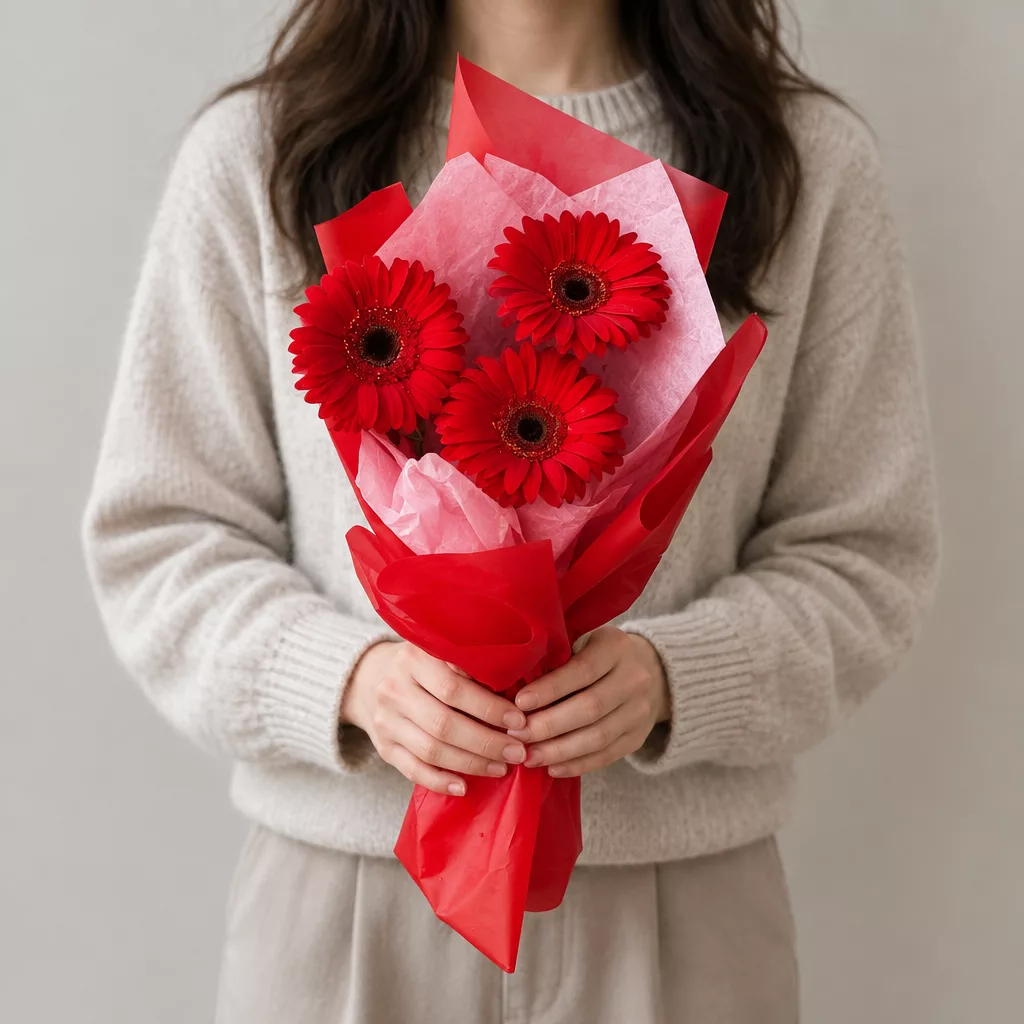
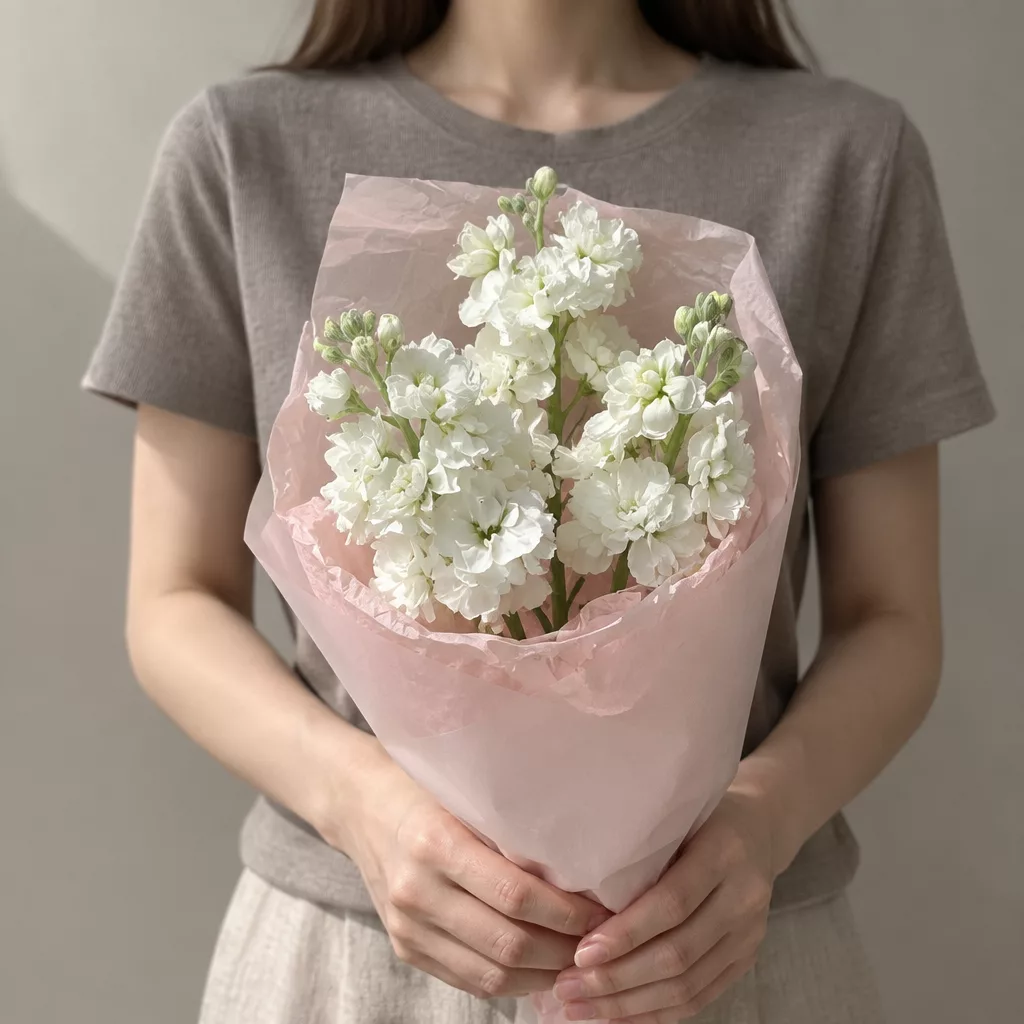
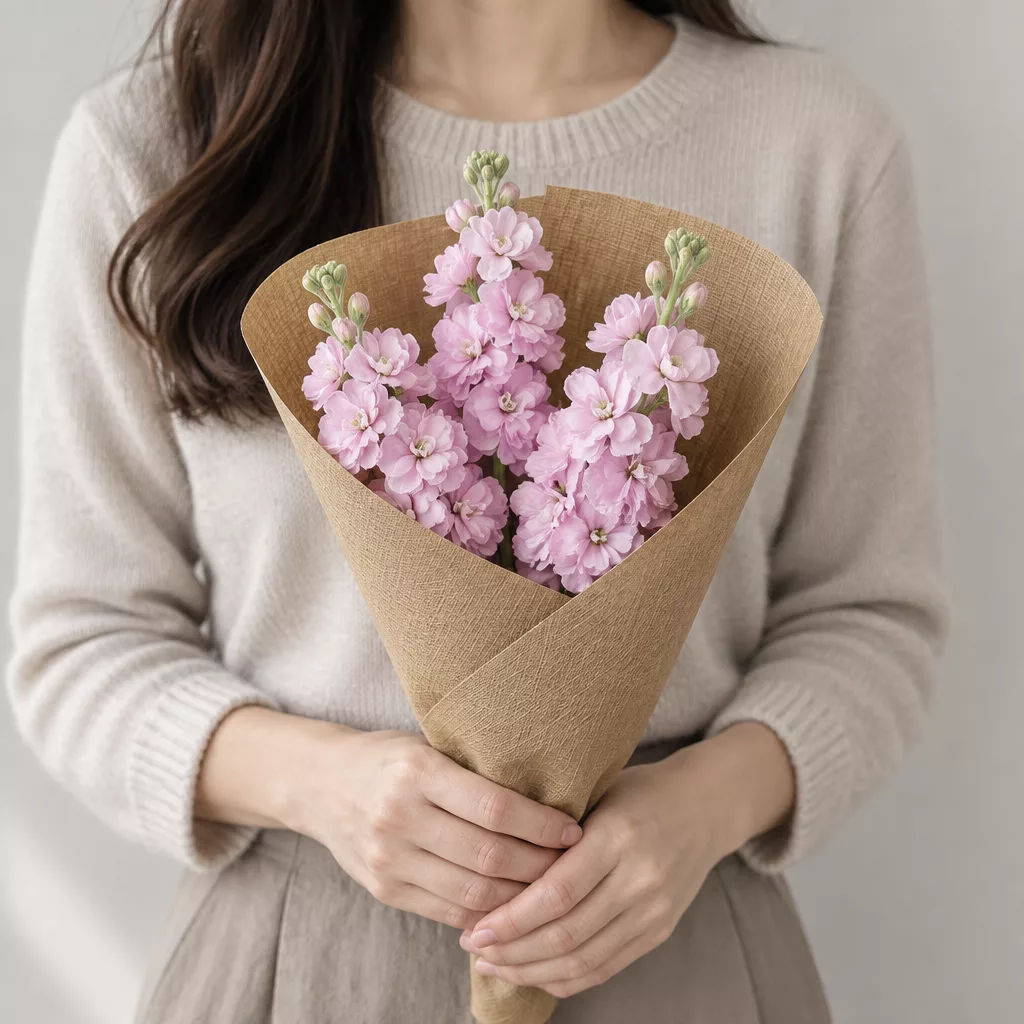
Bouquets we can deliver

Reading the Occasion Before You Choose the Flowers
Russian gifting culture places real weight on the occasion, and the flowers you choose signal whether you understood it. A birthday calls for something bright and celebratory: think sunflowers with orange spray roses, or a mixed bouquet of alstroemeria and solidago in warm yellows and corals. An anniversary leans toward elegance, so garden roses in blush or cream paired with eucalyptus branches read as thoughtful and romantic rather than generic.
For a new baby, soft tones matter. White or pale pink peonies in season, or white lisianthus with a few stems of wax flower, feel gentle and appropriate. If you are celebrating a professional achievement or a graduation, something bold and structured works well: tall stems of gladiolus, or a compact arrangement of burgundy dahlias in late summer.
One custom worth knowing: Russians traditionally give flowers in odd numbers. Even numbers are reserved for funerals, so always confirm your bouquet count is odd, whether that is five, seven, eleven or fifteen stems. Most florists apply this automatically, but if you are building a custom order, keep it in mind. Also, yellow flowers carry mixed associations in some Russian regions, so unless you know your recipient loves them, lean toward pinks, whites, reds or purples for a safe and warm impression. This is not a hard rule, but it is a useful default when you are sending to someone you know mainly through a screen.
Choosing by Season: What Grows Well and What Travels Better
The Tula region experiences proper Russian seasons: genuine winters with frost, warm summers, and distinct springs and autumns. This matters because seasonal flowers not only look better, they handle delivery conditions more reliably than out-of-season varieties that have been forced in controlled environments.
In spring, from late April through May, tulips and hyacinths are at their peak and arrive looking freshly cut because they essentially are. Peonies follow in June and remain available through July. These are crowd-pleasers in Russia and they travel well in cool conditions. Summer brings dahlias, lisianthus, echinacea and a wide range of spray roses that hold their petals longer in warm weather than more delicate varieties.
Autumn is actually one of the strongest seasons for bold bouquets: chrysanthemums in rust and bronze, celosia, and ornamental kale create arrangements that look dramatic and last ten days or more in a vase. Winter orders should lean toward roses, carnations and tropical varieties like anthurium or orchid stems, which are less sensitive to cold air during the last stretch of courier delivery.
A practical note on winter: temperatures in Belev regularly drop below minus fifteen Celsius in January and February. Flowers are wrapped and insulated for delivery, but very delicate blooms like open garden roses or thin-petalled ranunculus can suffer in extreme cold. If you are ordering in deep winter, ask for tighter bud stages and hardier varieties. A florist who knows the route will guide you toward what holds up.
Timing Your Order Across Time Zones Without Getting It Wrong
The most common mistake international senders make is placing an order at midnight their time, expecting a morning delivery in Russia, and then being surprised when the bouquet arrives the next afternoon. Time zone arithmetic is not complicated, but it needs to be done deliberately.
Belev runs on Moscow Time, UTC plus three hours, year-round. London in winter is three hours behind, so a 9 AM London order translates to noon in Belev, which is a fine window for same-day delivery. In summer, when the UK moves to BST, the gap narrows to two hours. New York Eastern Time is eight hours behind Moscow in winter, meaning a 7 AM New York order reaches Belev florists at 3 PM local time, which is still workable for an evening delivery.
For a morning delivery, which many people prefer for birthdays, you will need to place the order the evening before your own time. This is especially true if you are in Asia or Australia, where the time gap can exceed ten hours. Turboflora accepts advance orders, so booking a day ahead for a specific morning window is entirely normal and actually preferred for special occasions.
Also confirm that someone will be at the delivery address. In Russia, couriers typically call ahead on the recipient's local number before arriving. If your recipient is at work during the delivery window, either provide a workplace address or arrange an evening slot. A failed delivery attempt wastes the freshness of the flowers and the emotion of the moment.
Budget Ranges and What They Actually Look Like in the Vase
Talking about flower budgets without listing prices is genuinely useful, because what matters is understanding what different investment levels produce visually and emotionally, not just a number on a screen.
A modest bouquet, the kind that still makes a real impression, typically contains five to seven stems of a single strong variety: spray roses, alstroemeria or carnations in a coordinated colour. These are honest, cheerful flowers with good vase life, and a single-variety bouquet can look more intentional than a crowded mix of cheaper stems. For a friend's birthday or a thank-you gesture, this level is entirely appropriate.
A mid-range arrangement adds volume and variety: seven to eleven stems combining a focal flower like a standard rose or lisianthus with a secondary flower and some greenery. Eucalyptus, ruscus or pittosporum branches add texture and make the bouquet look designed rather than assembled. This is the range most people choose for significant birthdays, anniversaries and professional milestones.
A generous bouquet, fifteen stems and above with premium focal flowers like garden roses, peonies or orchid stems, creates genuine impact when the door opens. These arrangements photograph beautifully, last well in the vase, and communicate that the sender went beyond the default. For a milestone birthday, a significant anniversary, or a long-distance relationship moment, this level lands with real weight.
Whatever your budget, presentation matters as much as stem count. Ask about wrapping style: kraft paper with ribbon reads as artisan, cellophane with a wide bow reads as celebratory. Both are appropriate in Russia, and the choice can match the personality of your recipient.
The Card Message: Getting the Words Right Across the Distance
A handwritten card is standard with Russian flower deliveries, and it is the part of the gift that your recipient will read slowly and probably keep. Writing a message from abroad carries a particular tenderness, and a few simple principles make it land well.
First, decide on the language. If your recipient reads English, a message in English is warm and personal. If they are more comfortable in Russian and you do not speak it, you can write your message in English and ask the florist to include a note that it comes with warmth from abroad. Do not attempt a machine-translated Russian message unless someone fluent has checked it: awkward translation can accidentally change the tone from loving to confusing.
Keep the message specific rather than generic. Instead of writing happy birthday and your name, mention something real: the year you met, the trip you took together, the specific thing you admire about them. A message that could have been written by anyone means less than one that could only have come from you.
For Russian recipients who are older or more traditional, a slightly formal opening is appreciated. Beginning with your recipient's first name and patronymic, if you know it, signals respect. For close friends or younger recipients, first name only is completely natural. If you are unsure, err toward warmth over formality: a genuinely affectionate message in simple language will always land better than a stiff formal one that feels distant.
Keeping the Flowers Fresh After Delivery: What to Tell Your Recipient
You have done the work of ordering across time zones and choosing the right bouquet. The last step is making sure your recipient knows how to keep the flowers looking beautiful for as long as possible. This is especially useful if they are not experienced with fresh-cut arrangements.
The first thing to do when the bouquet arrives is to cut the stems. A diagonal cut of about two centimetres, made with a sharp knife rather than scissors, opens up the stem's water intake surface. Scissors can crush the vascular tissue and actually reduce water uptake. Then place the bouquet in a clean vase with cool, fresh water, not warm. Warm water encourages bacterial growth.
Remove any leaves that sit below the waterline. Submerged foliage rots quickly and clouds the water, which shortens vase life for the whole arrangement. Change the water every two days, and re-cut the stems each time. This single habit extends the life of most bouquets by three to five days.
Keep the vase away from direct sunlight, radiators and fruit bowls. Ripening fruit releases ethylene gas, which accelerates petal drop in roses and carnations faster than almost anything else. A cool spot with indirect light is ideal, especially in winter when Russian apartments tend to be quite warm from central heating.
Different flowers have different natural lifespans. Chrysanthemums and carnations regularly last twelve to fourteen days with good care. Roses and lisianthus give seven to ten days. Tulips and hyacinths are shorter at five to seven days but look spectacular while they last. Knowing this helps your recipient appreciate each stage of the bouquet rather than feeling disappointed when the first petals drop.
Sending flowers to Belev from abroad is not complicated once you understand the moving parts: the time zone, the seasonal calendar, the cultural customs around odd numbers and colour choices, and the practical side of keeping blooms fresh in a Russian winter or summer. The distance between you and your recipient is real, but a well-chosen bouquet that arrives at the right moment collapses that distance in a way that a message or a call cannot quite match. Plan a day ahead, give a full address, include a card with something specific and true, and the rest takes care of itself.
Frequently asked questions
Can I order flowers for delivery in Belev if I do not speak Russian?
Yes. The ordering process at Turboflora is available for international senders and does not require Russian language skills. Provide the recipient's address and a local phone number for the courier in any script you are comfortable with, and our team will handle the rest. A card message in English is perfectly fine to include.
How far in advance should I place an order from a different time zone?
For a specific morning delivery, place your order the evening before your local time. Belev operates on Moscow Time, UTC plus three hours, so the gap from North America or Asia can be substantial. Booking a day ahead is not just acceptable, it is the safest way to guarantee the delivery window you want, especially for birthdays or anniversaries.
Why do Russian bouquets always have an odd number of flowers?
In Russian tradition, even numbers of flowers are associated with funeral offerings and are considered inappropriate for celebratory gifts. Odd numbers, whether five, seven, eleven or fifteen stems, signal a joyful occasion. Turboflora applies this automatically, but if you are requesting a specific stem count, always choose an odd number to stay within the cultural norm.
Which flowers hold up best during winter delivery in the Tula region?
Roses, carnations, chrysanthemums and tropical varieties like anthurium and orchid stems are the most reliable choices in cold weather. Very delicate open blooms, such as ranunculus or fully open garden roses, can suffer when temperatures drop below minus fifteen Celsius. Ordering flowers in a tighter bud stage in January and February gives them a better chance of arriving in perfect condition.
What information do I need to provide for a successful delivery to Belev?
You need the recipient's full street address including apartment number, a working local Russian phone number so the courier can call ahead, and a preferred delivery time window. If your recipient will be away from home during the day, a workplace address is a practical alternative. Incomplete address details are the most common reason deliveries are delayed, so double-check everything before confirming.
Ready to send flowers?
Pick the city, choose the bouquet, and a local florist takes it from there.
Choose a city →