Sending Flowers to Beloozersky from Abroad: What You Need to Know
You are somewhere far from Russia — another country, another time zone — and someone you care about is in Beloozersky. Maybe it is their birthday, an anniversary, or simply a moment when you want them to know you are thinking of them. The distance feels enormous, but a fresh bouquet arriving at their door within an hour or two can close it in the most tangible way. Here is everything a sender outside Russia needs to know to make that happen smoothly.
What Beloozersky Is and Why Delivery Works There
Beloozersky is a small urban-type settlement in the Moscow Oblast, situated roughly 70 kilometres south-east of central Moscow. It sits within the broader metropolitan delivery zone that Turboflora serves, which means your recipient does not have to wait days for a courier to travel from a distant city. Flowers leave our Saint Petersburg or Moscow preparation point and reach addresses in the Moscow Oblast within one to two hours of order confirmation.
The settlement itself is quiet and residential, which actually works in your favour. Couriers navigate it without the traffic delays common in central Moscow, and recipients are more often home to receive a delivery. If your person lives in an apartment building, the courier will call ahead and wait — nothing is left unattended at a doorstep.
For a sender abroad, the key practical point is that you do not need a Russian phone number or a Russian bank card to place an order. The ordering process is designed for international customers, and payment can be completed using cards issued outside Russia. The time difference is the main thing to plan around, which the next section covers in detail.
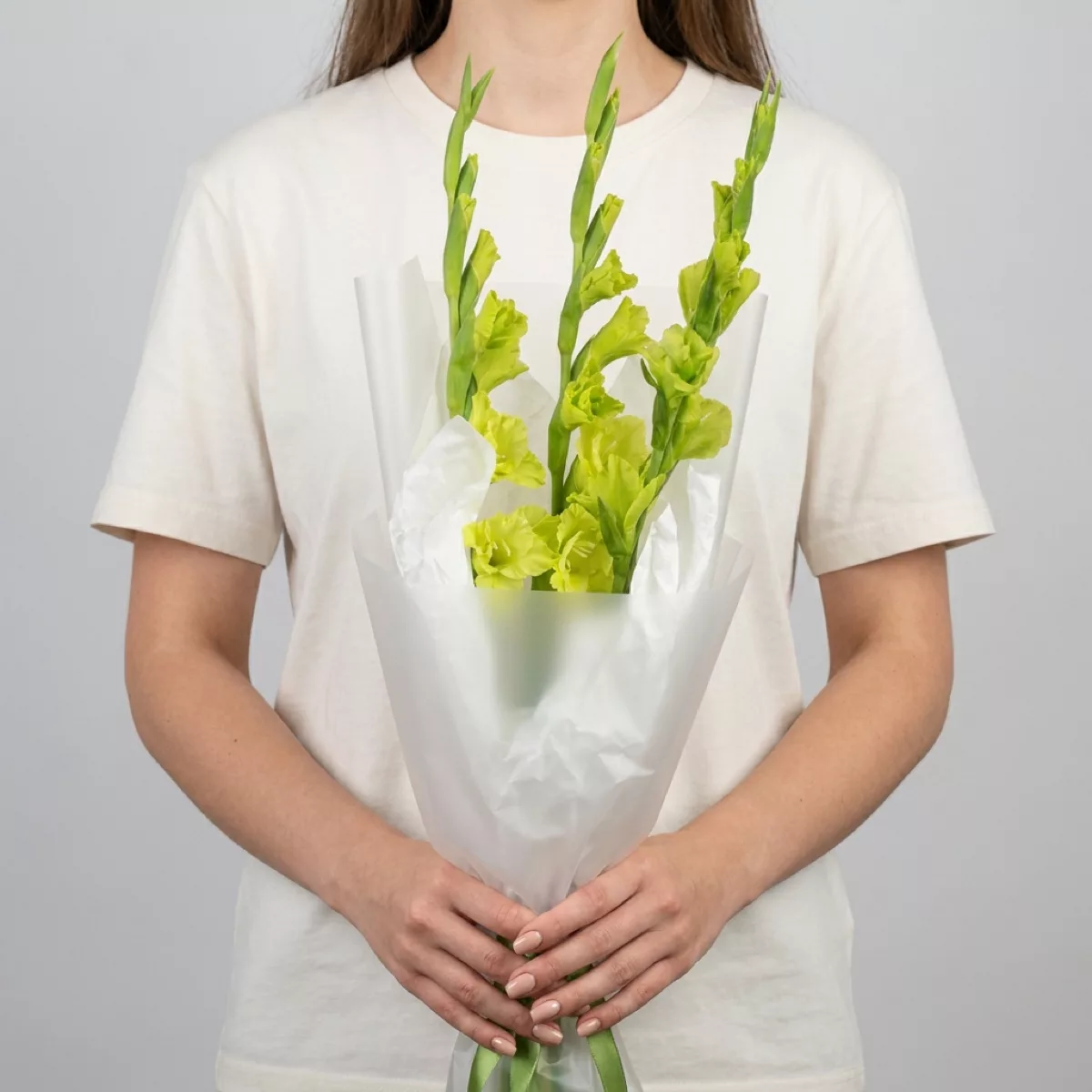
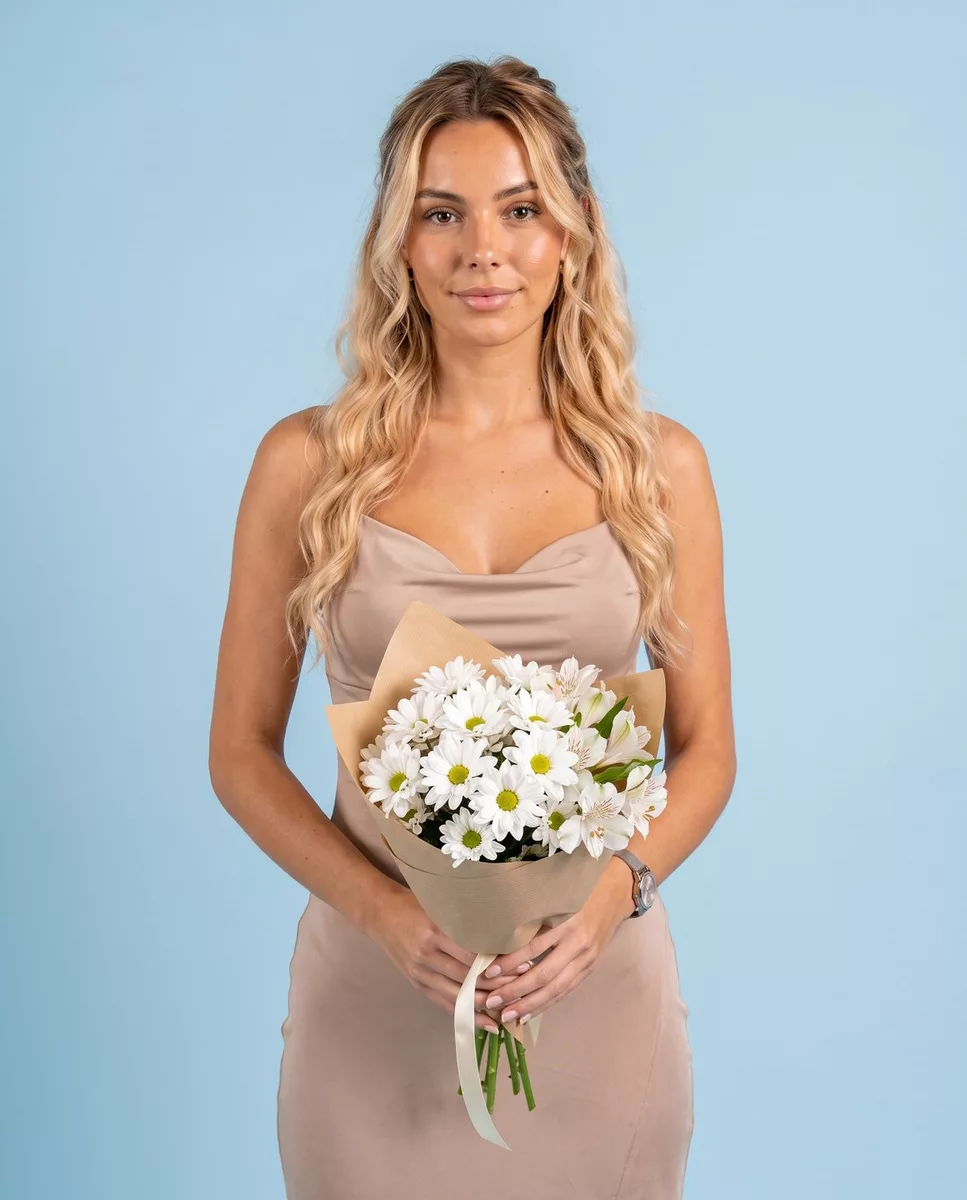
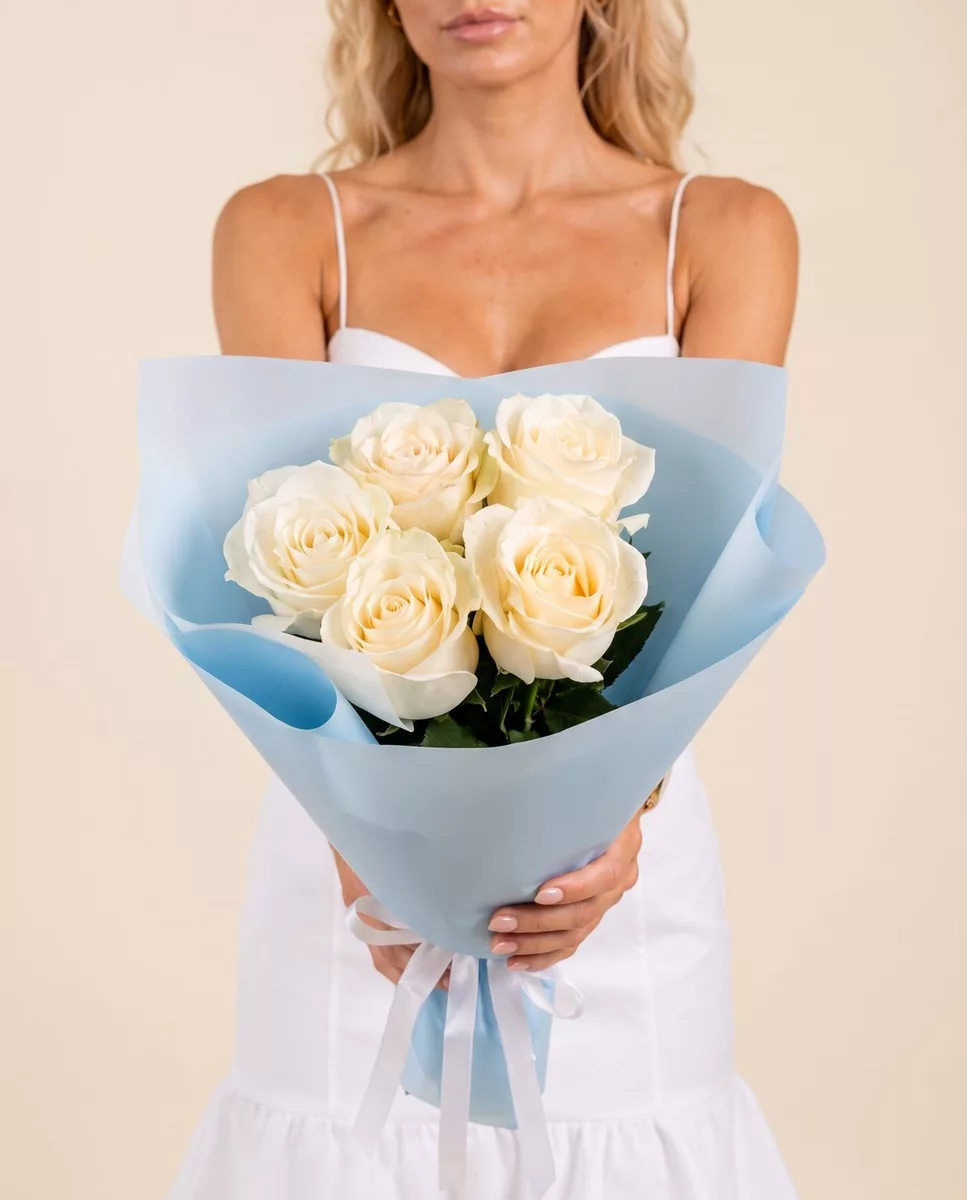
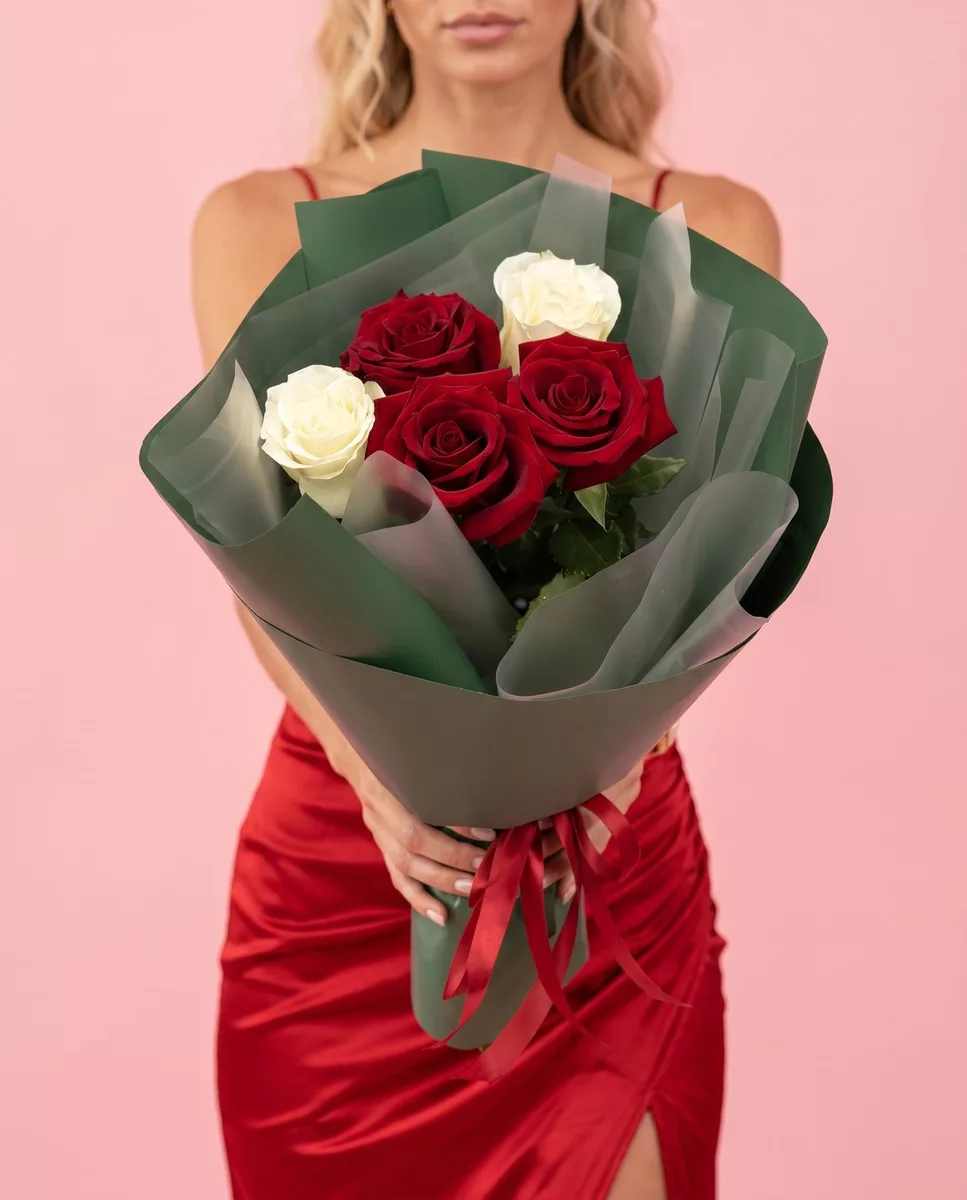
Bouquets we can deliver
Planning Around the Time Difference
Beloozersky runs on Moscow Standard Time, which is UTC plus three hours and does not observe daylight saving. If you are in London, that is three hours ahead of you in winter and two hours ahead in summer. New York is eight hours behind Moscow in winter. Sydney is ahead by five hours in winter. Before you place an order, convert the local Beloozersky time carefully — a bouquet ordered at what feels like mid-morning your time might arrive late in the evening for your recipient.
Our delivery window runs throughout the day, but the most appreciated arrivals tend to be between ten in the morning and seven in the evening Moscow time. This is when people are alert, presentable, and genuinely delighted to open the door to flowers. Very early morning deliveries can feel intrusive, and late evening ones risk missing someone who has gone out.
If you are celebrating a birthday or anniversary, try to schedule delivery for the morning of the occasion Moscow time. That way the flowers are on the table for the whole day rather than arriving as an afterthought in the evening. When in doubt, use a world clock tool, enter Moscow as the reference city, and plan the delivery slot before you start choosing the bouquet.
Choosing Flowers for the Person, Not Just the Occasion
Russian gifting culture places a great deal of meaning on flowers, and recipients in Beloozersky are no different. The variety and colour you choose say something specific. Red roses carry romantic weight and are universally understood as a declaration of feeling. Soft pink peonies or pale lilac lisianthus read as tender and affectionate without the intensity of red — ideal for a mother, a close friend, or a colleague you want to honour warmly.
For a birthday, a mixed bouquet of garden-style flowers — think spray roses combined with eucalyptus, white eustoma, and a stem or two of waxflower — feels generous and personal rather than formal. For a professional achievement or a housewarming, white and green combinations using chrysanthemums, green button poms, and white alstroemeria convey congratulations without overstepping into romance.
One Russian custom worth knowing: always give an odd number of flowers. Even numbers are associated with mourning, so a bouquet of ten roses would feel wrong to a Russian recipient even if it looks beautiful to you. Our florists follow this automatically, but if you are specifying a stem count in your order notes, keep it odd — seven, nine, eleven, fifteen.
Also consider the season. In winter, tulips and ranunculus are greenhouse-grown and arrive in excellent condition. In summer, sunflowers and garden roses are at their best and carry a brightness that photographs beautifully when your recipient shares the moment with you over a video call.
Bouquets by Budget and What Each Level Looks Like
You do not need to spend extravagantly to send something beautiful, but understanding what different budget levels actually produce helps you choose confidently from abroad without second-guessing the result.
At an entry level, you are looking at a compact, single-variety bouquet — a hand-tied bunch of tulips in season, or a small spray of alstroemeria with minimal greenery. It is cheerful and genuine, and for a quick thinking-of-you gesture it lands perfectly. The presentation is clean and the flowers are fresh, but the arrangement is simple.
A mid-range bouquet is where combination arrangements begin. This is typically where you find roses paired with complementary filler flowers like gypsophila or pittosporum, wrapped in kraft paper or soft fabric and finished with a ribbon. This level suits birthdays, anniversaries, and any occasion where you want the recipient to feel genuinely celebrated rather than merely remembered.
At the higher end, you are commissioning something closer to a florist's composition — structured, layered, using premium stems like garden roses, peonies when in season, or orchid branches alongside supporting textures. These bouquets photograph well, last longer due to the variety of stem types, and make a strong impression at the door. For a significant birthday milestone, a promotion, or a romantic occasion from a distance, this level communicates the weight of the moment. Whatever budget you choose, our florists add a care card with vase instructions in Russian so your recipient knows exactly how to keep the flowers looking their best.
Writing a Message That Feels Right in Russian Context
A handwritten card tucked into the bouquet is standard practice in Russia, and recipients expect it. When you are ordering from abroad, you can write your message in English — many people in Russia read English comfortably, and receiving a message in your native language makes the gesture feel more personal and authentic. You can also request a transliteration or ask us to write the message in Russian if you provide the text.
Russian card culture tends toward warmth and directness. Phrases like wishing someone health, happiness, and all the best in their endeavours are genuinely appreciated rather than clichéd. If you are writing for a birthday, it is completely normal to wish the recipient good health first — Russians consider health the most valuable gift and mentioning it in a greeting is sincere, not strange.
Keep the message relatively short. A card is not a letter. Three to five sentences expressing your feeling, naming the occasion, and sending your love or warm wishes is exactly right. If you are writing in English and your recipient's English is limited, a simple, clear message is kinder than an elaborate one they have to struggle through.
Avoid humour that depends on cultural references they may not share. Warmth, sincerity, and specificity — mentioning something particular about the person or your relationship — always land better than a generic printed sentiment. The card is what they will reread after the flowers are gone.
What Happens at Delivery and How to Prepare Your Recipient
If you want the delivery to be a surprise, you do not need to warn your recipient at all — that is the most common scenario and our couriers handle it smoothly. The courier will call the recipient's Russian mobile number before arriving, identify themselves as a flower delivery, and arrange the handover. This brief call is standard practice and does not spoil the surprise; it simply ensures someone is available to receive the bouquet rather than leaving it unattended.
If your recipient does not speak much English, there is no issue — the courier speaks Russian. What you do need to provide at the time of ordering is a valid Russian mobile number for the recipient. Without it, delivery to an apartment building becomes difficult because the courier needs to reach someone to buzz them in. If your recipient does not have a Russian number, a neighbour or family member's number can serve as the contact.
The bouquet will arrive wrapped and conditioned. In cold weather — and Beloozersky winters are genuinely cold, often below minus ten Celsius — flowers are wrapped in insulating paper to protect them during the final outdoor minutes of transit. This is not decorative; it is functional, and your recipient should unwrap it promptly once indoors and place the stems in water within the first fifteen minutes of receiving the bouquet. We include care instructions in Russian with every order so this is communicated clearly even if your recipient has never received a florist delivery before.
Keeping the Flowers Fresh: Advice to Pass On
One of the most common mistakes with fresh bouquets is leaving them in the wrapper too long. Flowers need water within the first quarter-hour of arriving indoors, especially in heated Russian apartments where the air is very dry in winter. Centrally heated homes in the Moscow Oblast can have indoor humidity levels below thirty percent in January and February, which shortens vase life noticeably if the flowers are not hydrated quickly.
The stems should be cut at an angle under running water before going into the vase — this prevents an air bubble from blocking water uptake. A clean vase matters more than most people realise; bacteria from a previously used vase that was not thoroughly washed will shorten the life of fresh stems by two to three days. Cool, clean water changed every two days is the simplest care routine.
Different varieties have different lifespans. Chrysanthemums and alstroemeria are among the longest-lasting cut flowers, often going ten to fourteen days in good conditions. Tulips are shorter-lived but move beautifully as they open, leaning and curving in ways that feel alive. Roses typically give seven to ten days when properly cared for. Peonies are spectacular for three to five days and then drop quickly, so they are best enjoyed intensely rather than expected to last.
Keep the vase away from direct sunlight and away from fruit bowls — ripening fruit releases ethylene gas, which accelerates flower ageing. A cool spot in the room, away from radiators, gives any bouquet its best chance of lasting well into the following week.
Sending flowers to Beloozersky from another country is genuinely straightforward once you have planned the time difference and chosen the right variety for your person and the season. The distance between you and your recipient is real, but a fresh bouquet at their door — wrapped, carded, and smelling of something alive — does something that a message or a call cannot quite replicate. It is a physical presence in their space, something they will look at every morning for the next week and think of you.
Frequently asked questions
Can I order flowers for Beloozersky if I have no Russian bank card?
Yes. Turboflora accepts international payment cards, so you can complete your order from anywhere in the world without a Russian card or bank account. The checkout process is straightforward for international customers, and your payment is processed securely. You simply need a valid card and the recipient's Russian mobile number to complete the order.
How far in advance should I place the order given the time difference?
Convert to Moscow time first, then place your order at least one hour before your preferred delivery window. For a morning delivery in Beloozersky, this often means ordering the evening before in Western time zones. Ordering well ahead also gives you time to write a thoughtful card message and confirm the recipient's address details without rushing.
What if my recipient is not home when the courier arrives?
The courier will call the recipient's Russian mobile number before arrival to confirm they are available. If there is no answer, the courier will attempt contact again and hold the bouquet for a short window. Providing an accurate mobile number at checkout is the single most important step to ensure a smooth handover, especially for apartment buildings that require buzzing in.
Is it true that I should only send an odd number of flowers?
Yes, this is a genuine and widely observed Russian custom. Even numbers of flowers are associated with grief and are used at funerals, so a bouquet of twelve or ten roses would feel uncomfortable to most Russian recipients. Turboflora's florists automatically follow this convention, but if you specify a stem count in your notes, always choose an odd number such as seven, nine, or eleven.
Which flowers hold up best in winter delivery to Beloozersky?
Chrysanthemums, alstroemeria, and spray roses are particularly resilient in cold temperatures and have excellent vase life. Tulips travel well in winter and open beautifully indoors. Our couriers use insulating wrapping to protect bouquets during cold outdoor transit, so the flowers arrive in the same condition they left our preparation space regardless of the temperature outside.
Ready to send flowers?
Pick the city, choose the bouquet, and a local florist takes it from there.
Choose a city →