Sending Flowers to Bezhetsk from Abroad? Read This First
You are somewhere far from Russia — another country, another time zone — and someone you love is in Bezhetsk, a quiet Tver Oblast town where a bouquet arriving at the door still feels like a real event. The distance makes the gesture bigger, but it also raises questions you have never had to think about before: Will the flowers survive the journey to a smaller city? What should you order if you cannot ask anyone locally? How do you get the timing right when you are five or six hours behind? This guide answers all of that plainly, from a florist's point of view.
Why Bezhetsk Is Different from Sending to Moscow or Saint Petersburg
Bezhetsk sits in Tver Oblast, roughly 350 kilometres from Saint Petersburg and about 280 kilometres from Moscow. It is a genuine small Russian town — not a suburb, not a regional capital — and that changes what flower delivery looks like in practice. The recipient is likely to be at home or at a workplace where everyone will notice the bouquet, which means presentation carries extra weight. There is no anonymity of a big city crowd.
Because Bezhetsk is not a metropolitan hub, the delivery window matters more than in a city where you can send at any hour. Turboflora plans routes carefully to reach addresses there within the promised one-to-two hour window, but as a sender abroad you should place your order during Russian business hours whenever possible. The local rhythm is slower and more predictable than in a capital, which is actually an advantage: recipients are more likely to be home, and a neighbour will happily accept a bouquet on their behalf without any awkwardness.
The emotional register in smaller Russian towns also leans traditional. A large, lush bouquet of roses or a generous mixed arrangement reads as genuinely celebratory rather than showy. Minimalist single-stem designs, popular in European capitals, can feel underwhelming to a recipient who associates flowers with abundance and warmth. Knowing this saves you from a well-intentioned but slightly flat gesture.
Temperature in Tver Oblast swings considerably across the year — from below minus twenty Celsius in January to above thirty in July — and that affects which flowers travel best. Your florist accounts for this in packaging, but your choice of varieties still matters.
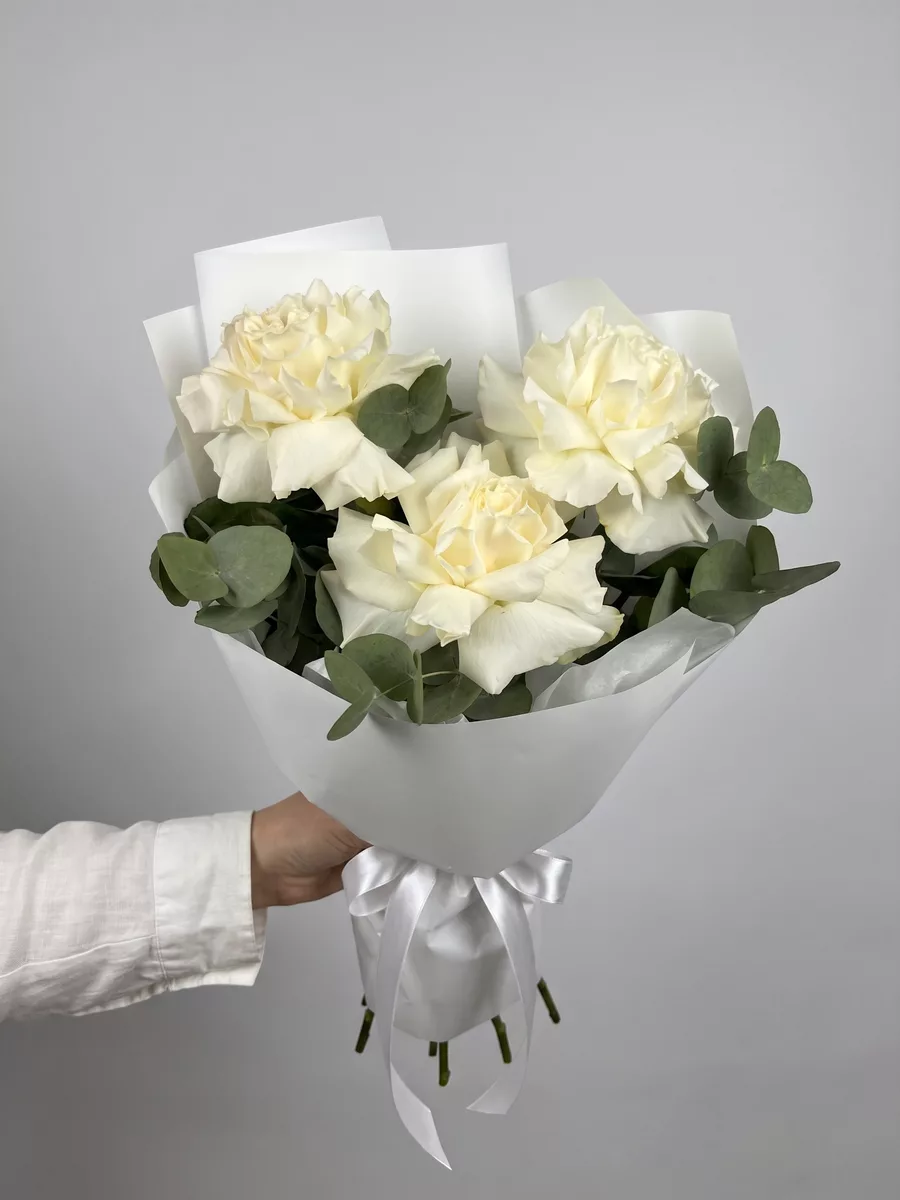
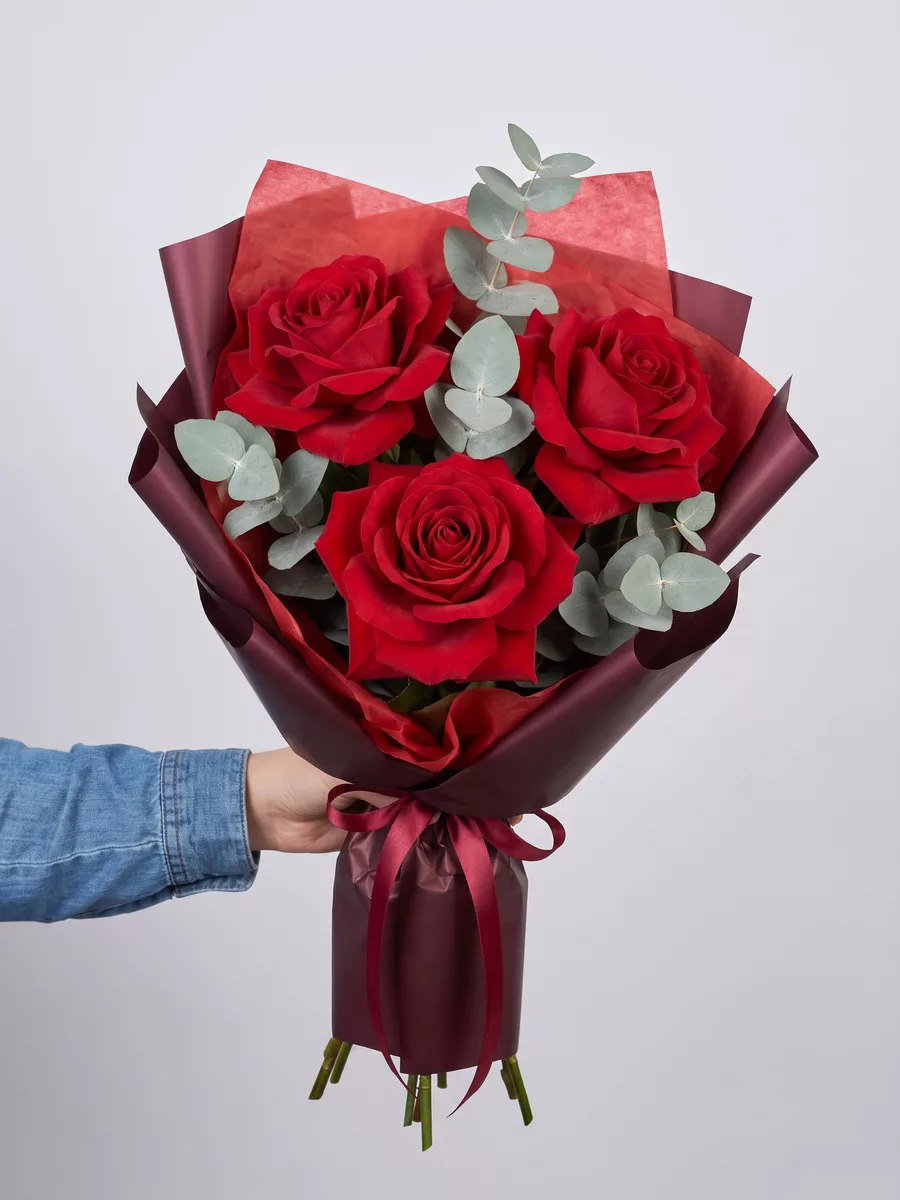
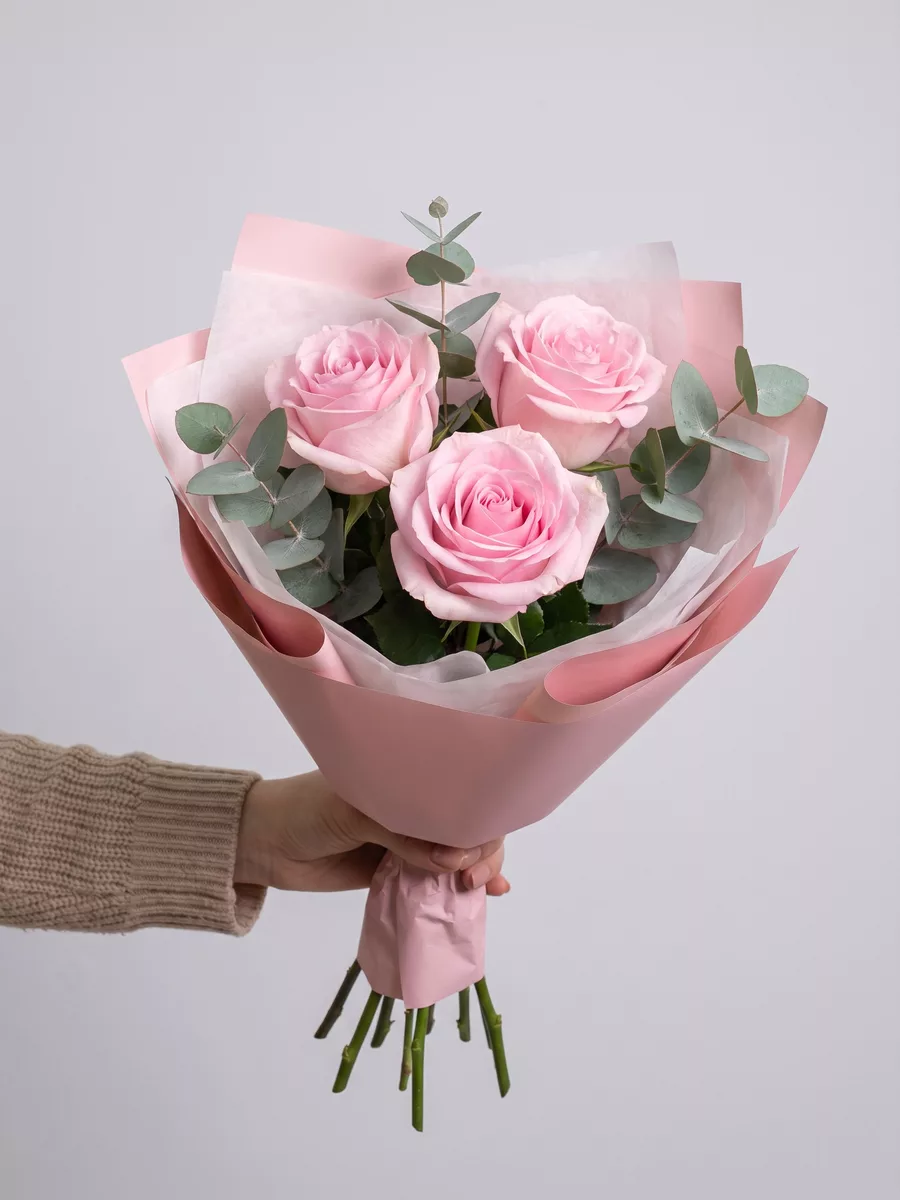
Bouquets we can deliver

Choosing the Right Occasion Framing Before You Pick a Single Stem
Before you open any catalogue or start thinking about colours, spend one minute on the occasion itself. Russian flower-giving has a few conventions that differ from Western Europe or North America, and understanding them helps you choose something that lands perfectly rather than something that merely looks nice on screen.
Odd numbers of flowers are given to the living; even numbers are reserved for funerals. This is a deeply held convention across Russia, and florists follow it automatically — but if you are building a custom order, keep it in mind. A bouquet of eleven roses is celebratory; a bouquet of twelve can cause a moment of confusion or quiet discomfort.
Red roses carry romantic meaning almost universally in Russia, perhaps even more explicitly than in Western contexts. If you are sending to a mother, a grandmother, a colleague or a friend, mixing red roses with other colours — blush, peach, white — softens the romantic reading while keeping the warmth. White flowers alone can feel too formal for a birthday but are beautiful for a new baby or a housewarming.
For birthdays and name days, which Russians often celebrate with equal enthusiasm, abundance signals affection. A bouquet that looks generous on the doorstep — full, round, wrapped beautifully — tells the recipient that the person who sent it thought carefully and spent real attention, not just money. From abroad, that message matters even more because you cannot be there in person.
If the occasion is professional — a promotion, a work anniversary — mixed seasonal arrangements in warm tones strike the right note without overstepping into personal territory.
Seasonal Flowers That Hold Up Best in Bezhetsk's Climate
Tver Oblast has a continental climate with cold winters and warm summers, and the temperature during transit is something your florist manages actively. Still, certain varieties simply perform better in certain seasons, and knowing this helps you order with confidence rather than hope.
In winter, from November through March, roses are the most reliable choice — they are grown in controlled greenhouse conditions year-round and travel well even in cold. Spray roses, standard roses in red, white, cream or deep burgundy, and alstroemeria all hold their shape and colour through the cold. Chrysanthemums are extremely hardy and have a long vase life, which matters when you cannot be sure of the exact moment of delivery.
Spring brings tulips, ranunculus and hyacinths into season. Tulips from Dutch or domestic Russian growers are widely available from February onward and are enormously popular for International Women's Day on the eighth of March — the single busiest flower day in Russia. If you are ordering for that date from abroad, place your order at least two to three days early.
Summer opens up garden-style arrangements: lisianthus, matthiola, peonies in May and June, sunflowers from July onward. These feel abundant and seasonal without being expensive, and they photograph beautifully — which matters because your recipient will almost certainly send you a photo.
Autumn is the season for dahlias, solidago, hypericum berries and warm-toned roses. These arrangements feel rich and grounded, perfect for September birthdays or the start of the school year, which is itself a gift-giving occasion in Russia.
How to Get the Timing Right Across Time Zones
This is the part that trips up most international senders, and it is worth thinking through carefully before you place the order. Bezhetsk runs on Moscow Standard Time, which is UTC plus three, with no daylight saving adjustment. Russia abolished seasonal clock changes in 2014, so the offset from your location stays fixed year-round.
If you are in London, Bezhetsk is three hours ahead. New York is eight hours behind Bezhetsk. Los Angeles is eleven hours behind. This means that if you want flowers delivered at noon in Bezhetsk on a Tuesday, you need to place the order by nine in the morning Bezhetsk time — which may be six in the morning in London, or ten at night Monday in New York.
The practical solution is to place your order the evening before your local time, writing the desired delivery window clearly in the order notes. Turboflora's team reads these notes and plans accordingly. If you want a morning delivery — which feels especially celebratory, arriving before the recipient starts their day — specify a window of ten to twelve Bezhetsk time and place the order at least twelve hours in advance.
Surprise deliveries to a workplace are possible but require a confirmed address and, ideally, a secondary contact who can confirm the recipient will be there. Sending to a home address is simpler and more reliable for an international order where you cannot easily make last-minute calls.
Always double-check the address format. Russian addresses run from largest to smallest: region, city, street, building number, apartment number. Getting this order right prevents delays.
Budget Ranges and What They Actually Get You in a Bouquet
Flower prices in Russia are lower than in Western Europe or North America for many varieties, but the gap is narrower than people expect because premium greenhouse roses and imported Dutch flowers are priced similarly across markets. What changes with budget is not just size but the composition and the feeling of the arrangement.
At the entry level, a single-variety bouquet of seasonal flowers — fifteen tulips in spring, nine roses in winter, a generous bunch of chrysanthemums — is a perfectly respectable gift that any Russian recipient will appreciate. It reads as thoughtful rather than minimal, especially with good wrapping.
At a mid-range budget, you move into mixed bouquets where a florist can combine textures: roses with eucalyptus or ruscus foliage, lisianthus paired with spray roses, tulips mixed with ranunculus. These arrangements have depth and look composed rather than assembled. They photograph well and have a longer visual life on a table.
At a higher budget, you are looking at large-format arrangements — domed bouquets of garden roses, peony-centred compositions in season, or hat-box arrangements that arrive already displayed. These make an immediate impression at the door and signal that the sender went well beyond a quick gesture.
For international senders, a useful rule is to think about what the bouquet will look like in the photo your recipient sends back. A fuller, more composed arrangement reads better across a phone screen than a small tight bunch, which can look underwhelming even if it cost a reasonable amount. Investing slightly more in composition rather than just stem count usually pays off.
Writing the Card Message When You Do Not Speak Russian
The card that accompanies a bouquet is often the part an international sender worries about least, but it is what the recipient reads first and remembers longest. Getting it right from abroad takes just a little extra thought.
You can write your message in English entirely — many Russians read English, and a card in the sender's own language carries its own emotional honesty. If the recipient does not read English well, they will still understand the warmth and will likely ask someone to translate. Do not let language anxiety push you toward no message at all; a blank card is a missed opportunity.
If you want to include a Russian phrase, a few simple ones are universally understood and warmly received. For a birthday: S dnem rozhdeniya — with your birthday. For general warmth: S lyubovyu — with love. For congratulations: Pozdravlyayu — I congratulate you. These do not need to be in Cyrillic on the card; a phonetic spelling is fine and often charming.
Keep the message short and specific. Instead of a generic wish for health and happiness, mention something real — a shared memory, the reason you are thinking of them today, what you wish you could do together if you were not so far away. Specific details make a card feel written rather than typed, even when it was typed.
Avoid very long messages on the card. Four to six sentences is the sweet spot. If you have more to say, write it in a separate message or letter and reference it on the card. The bouquet is the main communication; the card amplifies it.
Caring for the Flowers Once They Arrive: What to Tell Your Recipient
You will not be there to unwrap the bouquet or fill the vase, so it helps to send a quick message to your recipient with a few simple care instructions. Most people in Russia know the basics, but a reminder shows extra thoughtfulness and extends the life of your gift considerably.
The first step is always to recut the stems. Even if the flowers were cut fresh that morning, the stems seal over during transit. A clean diagonal cut of one to two centimetres, made with a sharp knife rather than scissors, opens the stem properly and allows water uptake. This single step can add two to three days to vase life.
Water temperature matters more than most people realise. Room-temperature water, not cold, suits most cut flowers — roses, lisianthus, alstroemeria, chrysanthemums all hydrate more efficiently in slightly warm water. Tulips are an exception and prefer cool water. Change the vase water every two days and recut the stems each time.
Keep the bouquet away from direct sunlight and away from fruit bowls. Ripening fruit releases ethylene gas, which accelerates the aging of cut flowers noticeably — roses and carnations are particularly sensitive to it. A cool room, away from radiators and draughts, is ideal.
Typical vase life by variety: roses seven to ten days, alstroemeria ten to fourteen days, chrysanthemums up to three weeks, tulips five to seven days, lisianthus seven to ten days. Letting your recipient know this helps them appreciate the bouquet as it changes rather than worrying when the first petals drop. A bouquet is not finished when it looks different — it is finished when it is finished.
Sending flowers to Bezhetsk from another country is entirely possible, and when it is done well, the distance actually amplifies the gesture rather than diminishing it. The recipient knows that you navigated time zones, thought about what they would love, wrote something real on the card, and made it happen from thousands of kilometres away. That is not a small thing. Turboflora handles the logistics — the routing, the packaging for the season, the delivery window — so your only job is to know the person you are sending to and choose something that fits them. Start from the occasion, think about the season, write the card from the heart, and the rest takes care of itself.
Frequently asked questions
Can I send flowers to Bezhetsk if I do not have a precise street address?
A precise address is essential for delivery in a smaller city like Bezhetsk. Unlike large cities where couriers can call ahead and navigate flexibly, Bezhetsk routes are planned in advance. If you only have a neighbourhood or a general area, contact Turboflora directly — the team can sometimes help verify an address before confirming the order.
Is there a day of the week when flower delivery to Bezhetsk is most reliable?
Weekday deliveries, particularly Tuesday through Thursday, tend to run most smoothly because recipients are more likely to be at predictable locations — home or work — and traffic on routes from Saint Petersburg is lighter. Friday afternoons can be slower due to weekend travel. Weekend deliveries are available but benefit from earlier ordering and a confirmed home address.
What is the most popular flower choice for sending to Russia from abroad?
Roses remain the most universally appreciated choice across Russia, regardless of city size. For a safe, well-received order, a bouquet of fifteen or twenty-one roses in a warm colour — red, peach, blush or cream — is almost never wrong. If you want something more personal, mixed seasonal arrangements with roses as the centrepiece also work very well.
How far in advance should I order for a specific delivery time in Bezhetsk?
For a timed delivery to Bezhetsk, ordering twelve to twenty-four hours in advance is the most comfortable window, especially when coordinating across international time zones. Same-day orders are possible if placed early enough in the Bezhetsk day, but for important occasions — birthdays, anniversaries — advance ordering removes the stress of last-minute time zone calculations.
Will the bouquet look exactly like the photo I see when ordering?
Florists work to match the style, colour palette and overall feel of the reference image, but exact replication depends on what is freshest and best on the day. Seasonal availability means one variety may be substituted for another of similar character. The composition, wrapping style and colour mood will be consistent — and often the fresh substitution is actually lovelier than the original.
Ready to send flowers?
Pick the city, choose the bouquet, and a local florist takes it from there.
Choose a city →