Sending Flowers to Birsk from Abroad? Here Is What to Expect
Birsk is a quiet city on the Belaya River in Bashkortostan, and the people who live there feel distance just as keenly as anyone else. When you are sitting in Berlin, Toronto or Dubai and someone you love is marking a birthday, an anniversary or a new job in Birsk, flowers are still the most immediate way to close that gap. The challenge is knowing how to send them well from thousands of kilometres away — what to order, when to order it, and what will actually arrive looking beautiful rather than exhausted.
Why Birsk Is Worth Getting Right
Birsk sits about 100 kilometres north of Ufa, the regional capital of Bashkortostan. It is a modest city with a strong sense of local identity, and flowers there carry real social weight. Arriving with a beautiful arrangement is not just a nice gesture — it signals that the sender thought carefully, which matters deeply in Russian culture. Receiving flowers from someone abroad adds an extra layer of meaning: it tells the recipient that even across continents, they were remembered on the right day.
For the sender outside Russia, the practical challenge is that you cannot walk into a shop and describe what you want in person. You are working across time zones, sometimes across language barriers, and you need confidence that your instructions will be followed accurately. That confidence comes from choosing a florist who operates its own delivery rather than handing your order to an unknown intermediary.
Turboflora dispatches from Saint Petersburg and coordinates delivery to Birsk through its own logistics, which means one team handles your order from the moment you place it to the moment the flowers reach the door. There is no handoff, no translation of your wishes through a third party. For someone ordering from abroad, that continuity is not a small detail — it is the difference between a bouquet that reflects your intention and one that approximates it.
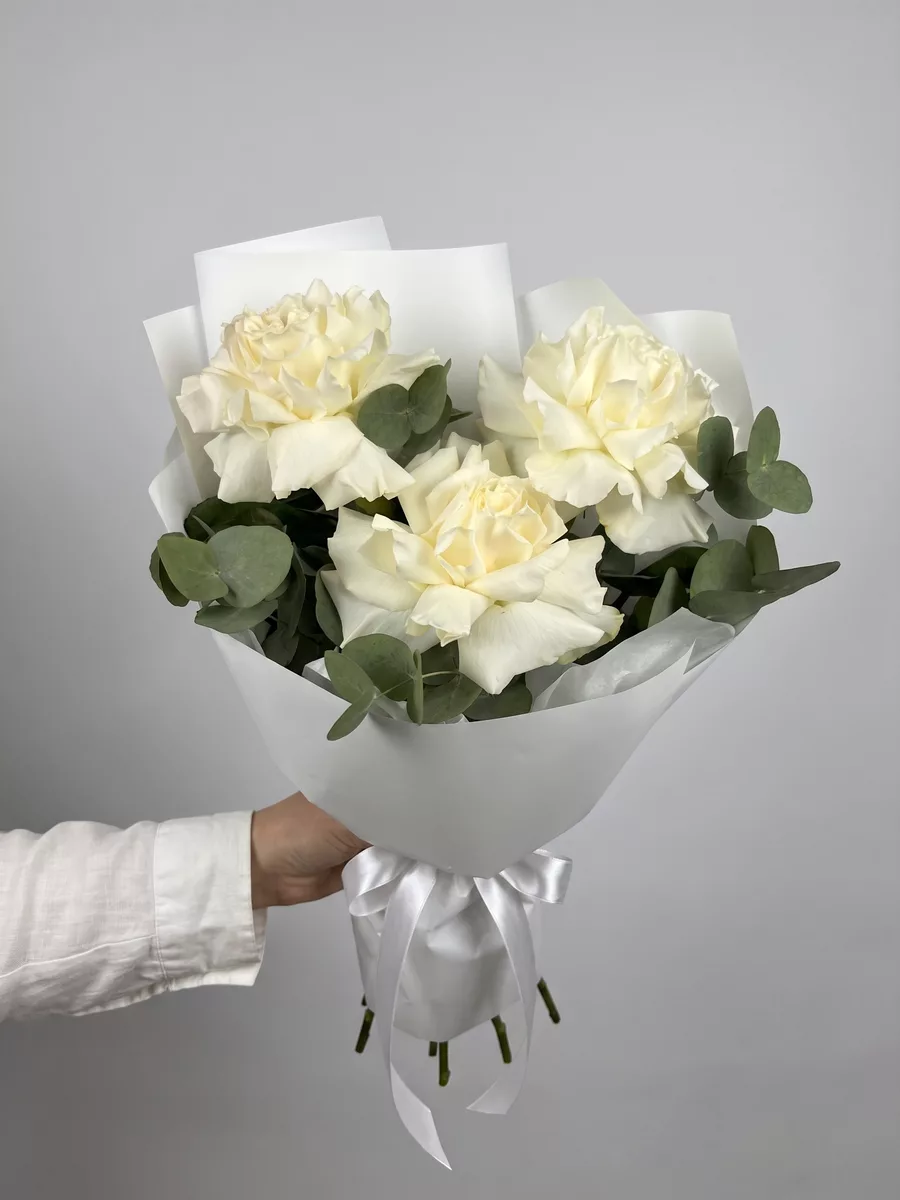
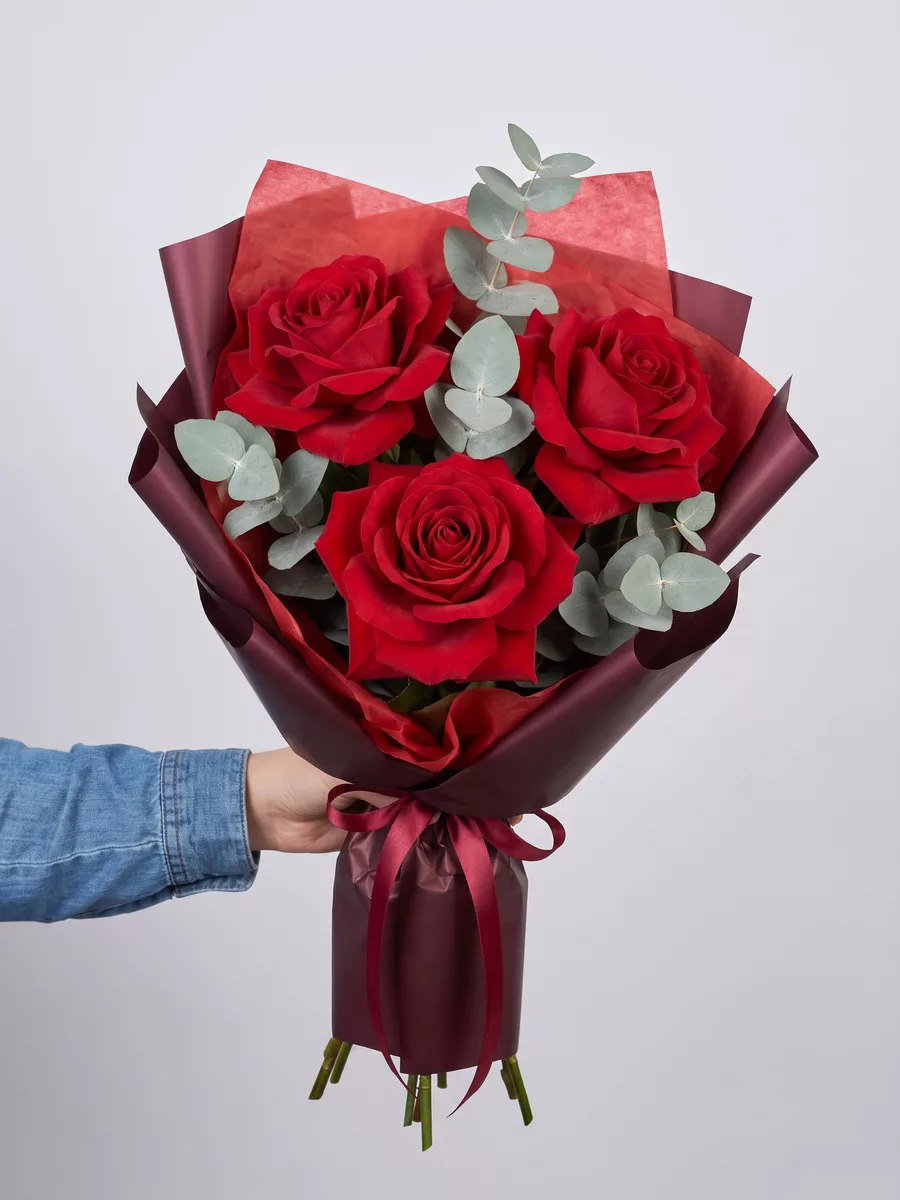
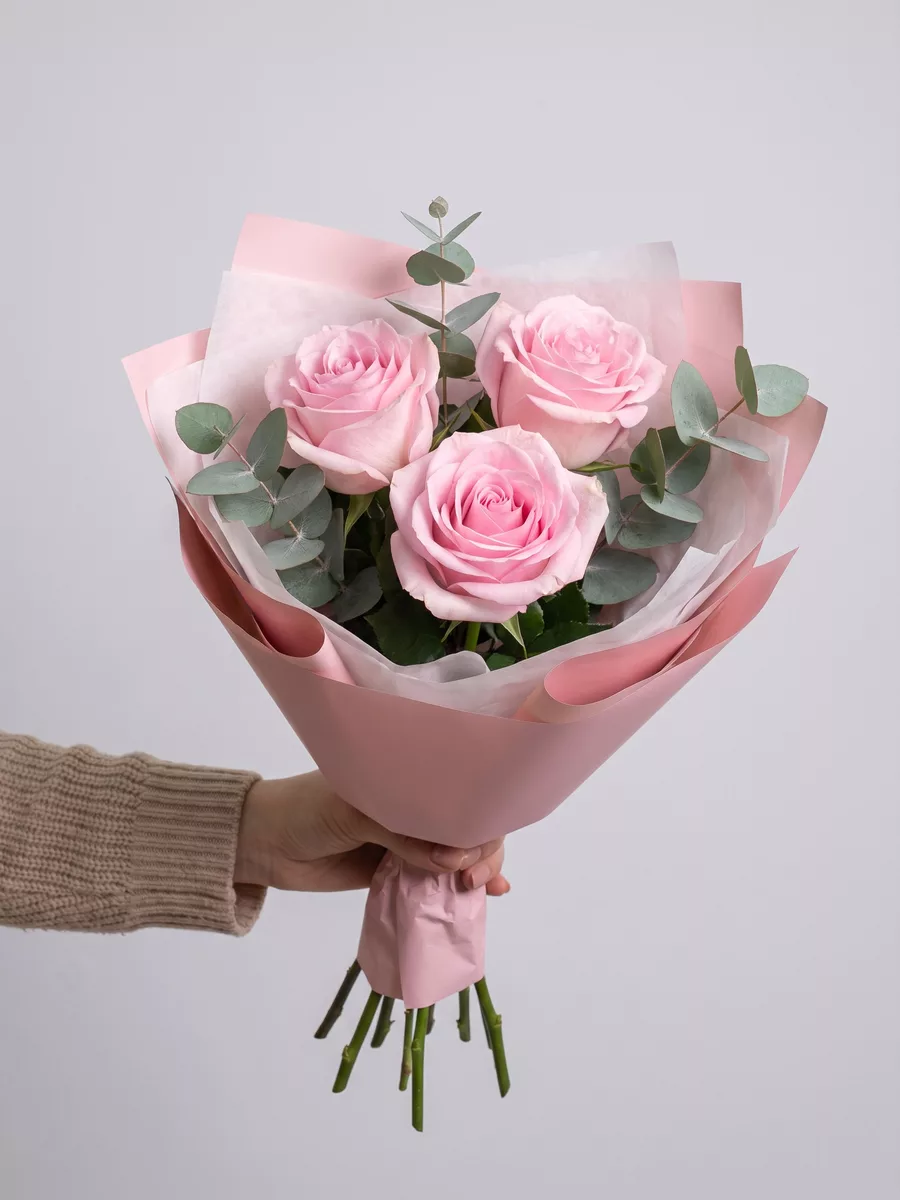
Bouquets we can deliver

Choosing Flowers for the Person, Not Just the Occasion
Before you think about which flower to order, think about who will receive it. A woman in her sixties who keeps a traditional home will respond differently to a tight, formal bouquet of red roses than to a loose, garden-style arrangement of spray roses, lisianthus and eucalyptus. A younger recipient who follows contemporary aesthetics might love dried elements mixed with fresh blooms, while a colleague being celebrated for a professional milestone often appreciates something architectural and restrained — think calla lilies or anthuriums with clean green foliage.
For birthdays, colour is your strongest tool. Warm tones — peach, coral, soft yellow — read as celebratory without being overwhelming. For anniversaries, red roses remain the classic choice in Russia and carry no ambiguity: they mean love, and everyone in the room will understand that. For congratulations on a new home, job or graduation, white and cream arrangements feel generous and fresh without competing with the recipient's existing décor.
One thing to keep in mind specifically for Birsk: the city has cold winters and warm summers, and the emotional temperature of the occasion should match the season. A lush peony arrangement sent in late May or June lands with full impact because peonies are in natural season. Ordering tropical flowers in January is possible, but they will feel slightly incongruous to a recipient who has just come in from minus twenty degrees. Lean into what feels native to the moment.
Timing Your Order Across Time Zones
This is where most international senders make their first mistake. You are in a time zone that may be anywhere from two to twelve hours behind Moscow time, and Birsk follows Moscow time plus two hours, placing it in UTC+5. That means if you want a morning delivery on a birthday, you need to place your order the evening before by your local clock — sometimes two evenings before if you are on the west coast of North America.
Turboflora offers same-day delivery within a one-to-two-hour window, but that window is calculated from the moment the order is confirmed and assembled, not from the moment you start browsing the website. Give yourself a cushion. If the celebration is at noon Birsk time, aim to have your order placed and confirmed by 8 a.m. Birsk time at the absolute latest. Earlier is always better.
For significant dates — March 8th (International Women's Day, the single biggest flower day in Russia), February 14th and May 9th — place your order at least 48 hours ahead. Demand on these dates is intense across all Russian cities, and Birsk is no exception. Women's Day in particular is a national event where virtually every woman receives flowers, which means florists are working at full capacity. Ordering the night before on March 7th is a gamble. Ordering on March 6th is sensible. Ordering on March 5th is the calm, professional move that guarantees your arrangement is made with full attention.
What Seasonal Availability Actually Means for Your Order
Flowers do not exist outside of seasons, even when florists work hard to extend availability through careful sourcing. Understanding the rough rhythm of what is genuinely fresh at different times of year helps you order something that will last well after delivery.
In winter — November through February — the reliable workhorses are roses, chrysanthemums, alstroemeria, carnations and tropical varieties like anthuriums and birds of paradise. These all travel and hold well in cold conditions. Lisianthus is available year-round and is underused: it looks like a delicate peony or ranunculus but lasts far longer in the vase, making it an excellent choice for a recipient who lives alone and may not change the water daily.
Spring brings tulips in earnest from late February, followed by ranunculus, hyacinths and the first irises. By May, peonies begin their short, glorious season, and a mono-bouquet of peonies in full blush pink is one of the most impactful things you can send. Summer opens up garden roses with their denser petals and stronger fragrance, along with sunflowers, which are enormously popular in Russia as a symbol of warmth and straightforward affection.
Autumn is the season of dahlias, asters and the deeper toned roses — burgundy, terracotta, deep orange — that feel right against the changing leaves. If you are ordering in October or November, lean into these colours rather than fighting them with pale pastels that feel seasonally mismatched.
Presentation Choices That Land Well in Russia
In Russia, presentation carries as much meaning as the flowers themselves. A loosely wrapped bouquet handed over in brown craft paper with a satin ribbon reads as thoughtful and artisan. A bouquet in a hat box or a low arrangement in a ceramic vessel reads as luxurious and considered. Both are appropriate depending on the occasion — the craft paper wrap for a birthday celebration where the recipient will carry the flowers and show them off, the box arrangement for a home delivery where the vessel becomes part of the gift.
Mono-bouquets — a single variety in generous quantity — are very popular in Russia and never feel lazy. Fifty tulips in a single colour, wrapped simply, is a statement. Thirty roses of one variety make an impact that a mixed arrangement of the same size cannot. If you are unsure about the recipient's taste, a mono-bouquet removes the risk of clashing colours or unexpected combinations.
For mixed arrangements, the rule of thumb is odd numbers and a clear lead flower. One dominant variety — say, garden roses — supported by two or three accent flowers and one type of foliage. Eucalyptus is the most versatile foliage for this: it adds texture, a pleasant scent and a softness that makes any arrangement feel finished. Avoid overcrowding the bouquet with too many varieties, which can make even expensive flowers look fussy and unresolved.
If you want to add something extra, a small box of chocolates or a balloon can accompany the flowers on request. In Russian gift culture, layering gifts is entirely normal and warmly received.
Care Instructions to Pass Along with the Flowers
When you send flowers from abroad, you cannot be there to help the recipient care for them. Including a care note — either through the florist's card or in a message you send separately — is a small act of thoughtfulness that significantly extends the life of the bouquet.
The most important instruction is the cut. Stems should be cut at a 45-degree angle under running water or while submerged, removing about two centimetres from the bottom. This prevents air bubbles from blocking water uptake, which is the main reason flowers wilt prematurely. The cut should be made with a sharp knife rather than scissors, which can crush the vascular tissue of the stem.
Leaves below the waterline should be removed entirely. Submerged foliage rots quickly and introduces bacteria into the water, which shortens vase life dramatically. A clean vase with fresh, cool water changed every two days is the single biggest factor in how long the arrangement lasts.
In winter, when apartments in Birsk are heated to 22 or 23 degrees Celsius, flowers dry out faster than in summer. Placing the vase away from radiators and direct sunlight makes a real difference. Roses and tulips in particular are sensitive to heat — they open faster and exhaust themselves sooner in a warm room. A cool hallway or a spot near a window that does not receive direct afternoon sun is ideal.
For roses specifically, if the heads begin to droop, submerging the entire stem and head in cool water for an hour can revive them. It sounds dramatic but it works.
Communicating Your Order Clearly from Outside Russia
The most common frustration for international senders is the feeling that something was lost between what they imagined and what was made. This almost always comes down to the order description rather than the florist's skill. Being specific in your instructions prevents ambiguity without requiring you to know the Russian names for flowers.
Describe the mood you want, not just the colour. 'Romantic and lush' tells a florist something different from 'elegant and restrained,' even if both instructions mention red roses. Include the recipient's age if it is relevant — a 25-year-old and a 55-year-old will both appreciate roses, but the styling that feels right for each is genuinely different. Mention any colours to avoid: if the recipient's home is full of warm ochre tones, a cool-toned purple arrangement will feel slightly off even if it is beautiful on its own.
For the delivery address, provide the full address including the apartment number and entry code if the building has a secured entrance. Many apartment buildings in Russian cities have coded entry doors or intercoms, and a delivery that cannot get past the front door is a wasted journey. If you know the recipient's phone number, include it so the courier can call ahead.
Always double-check the spelling of the recipient's name on the card. A name misspelled on a card from abroad can undermine the warmth of the gesture, particularly for recipients whose names have specific spellings they are attached to. If you are writing a message in Russian, Turboflora's team can assist with phrasing — do not hesitate to ask.
Sending flowers to Birsk from abroad is not complicated once you understand the rhythm of it: order early relative to Birsk time, choose flowers that suit the season and the person rather than defaulting to the safest option, and give your florist enough information to make something that genuinely reflects your intention. The distance between you and the recipient is real, but a well-chosen bouquet arriving at the right moment closes it more effectively than almost anything else you could send. Turboflora handles the logistics so that your attention can stay on the person you are thinking of.
Frequently asked questions
How far in advance should I order flowers for delivery to Birsk if I am based abroad?
For standard occasions, placing your order at least 12 hours before the desired delivery time in Birsk is a safe margin when accounting for time zone differences. For major dates like March 8th or February 14th, order 48 hours ahead. The earlier you confirm, the more flexibility the florist has to source the best available stems.
Can I write the card message in English, or does it need to be in Russian?
You can write the card in English, and many recipients in Russia will appreciate the gesture of a message in the sender's own language. If you would like the message translated into Russian for a recipient who is more comfortable reading it that way, Turboflora's team can assist. Just indicate your preference when placing the order.
What happens if the recipient is not home when the flowers are delivered?
The courier will attempt to contact the recipient by phone before arrival. This is why providing a working phone number for the recipient is important. If no contact can be made, delivery will be rescheduled for the nearest available slot. Providing a building entry code in advance prevents most access issues before they arise.
Are there flowers I should avoid sending to a Russian recipient for cultural reasons?
Yellow flowers are sometimes associated with separation or jealousy in older Russian tradition, though younger recipients rarely observe this. Even-numbered bouquets are traditionally associated with mourning, so bouquets are almost always made in odd numbers. Your florist will handle this automatically, but it is useful context if you are choosing quantities yourself.
What is the best flower choice for someone I do not know very well, such as a business contact?
White or cream arrangements are universally appropriate for professional relationships — they read as generous without being intimate. Lisianthus, white spray roses and calla lilies work well individually or combined. Avoid red roses for professional contacts, as they carry strong romantic connotations in Russian culture and may create unintended awkwardness.
Ready to send flowers?
Pick the city, choose the bouquet, and a local florist takes it from there.
Choose a city →