Sending Flowers to Bogdanovich from Abroad: What You Need to Know
You are sitting in Berlin, Toronto or Dubai, and someone you love is in Bogdanovich — a quiet Sverdlovsk Oblast town where a surprise bouquet lands differently than it does in a big city. The distance feels enormous, but the gesture does not have to. With the right information and a florist who actually reaches that address, you can put fresh roses or garden-style ranunculus on their table within hours of placing your order.
Why Bogdanovich Is Worth Understanding Before You Order
Bogdanovich sits in the Ural region of Russia, roughly 80 kilometres east of Yekaterinburg. It is a town of modest size, which means a flower delivery there carries a weight it might not carry in a capital city. Receiving an unexpected bouquet in a smaller town is a visible, talked-about event — neighbours notice, colleagues ask questions, and the recipient feels genuinely singled out in the best possible way.
For you as a sender abroad, this context matters when choosing the arrangement. An oversized, theatrical display works beautifully in a Moscow apartment with high ceilings; in Bogdanovich, a thoughtfully composed medium bouquet in a kraft wrap or a compact vase arrangement often feels more personal and appropriate. It says you considered the person, not just the occasion.
The town also has real winters. From November through March, temperatures regularly drop well below minus fifteen Celsius, and the roads between the distribution hub in Yekaterinburg and Bogdanovich can add time to a delivery window. Knowing this helps you plan: order earlier in the day during cold months, and choose cold-hardy stems over tropical varieties that bruise in frost. A working florist factors this into every dispatch, but you will make better choices when you understand what is happening on the ground.
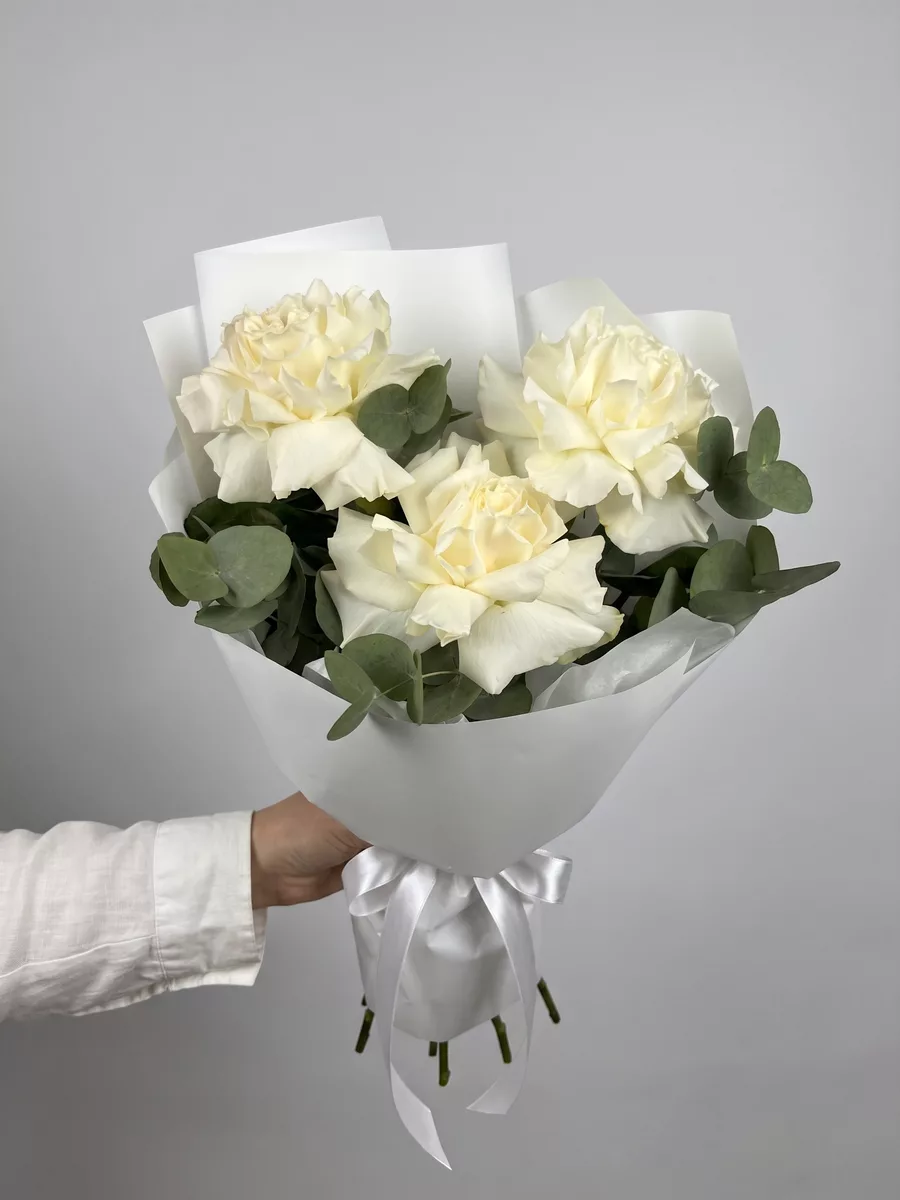
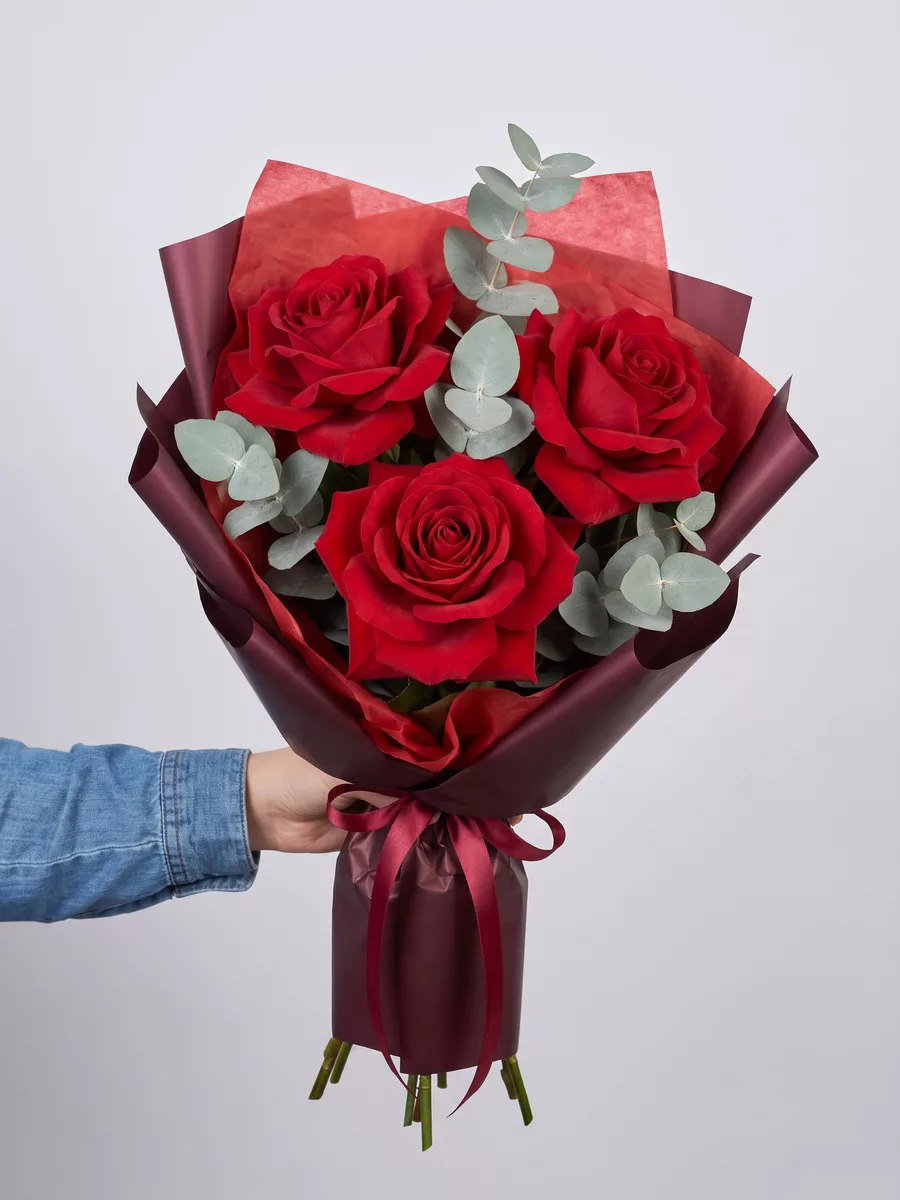
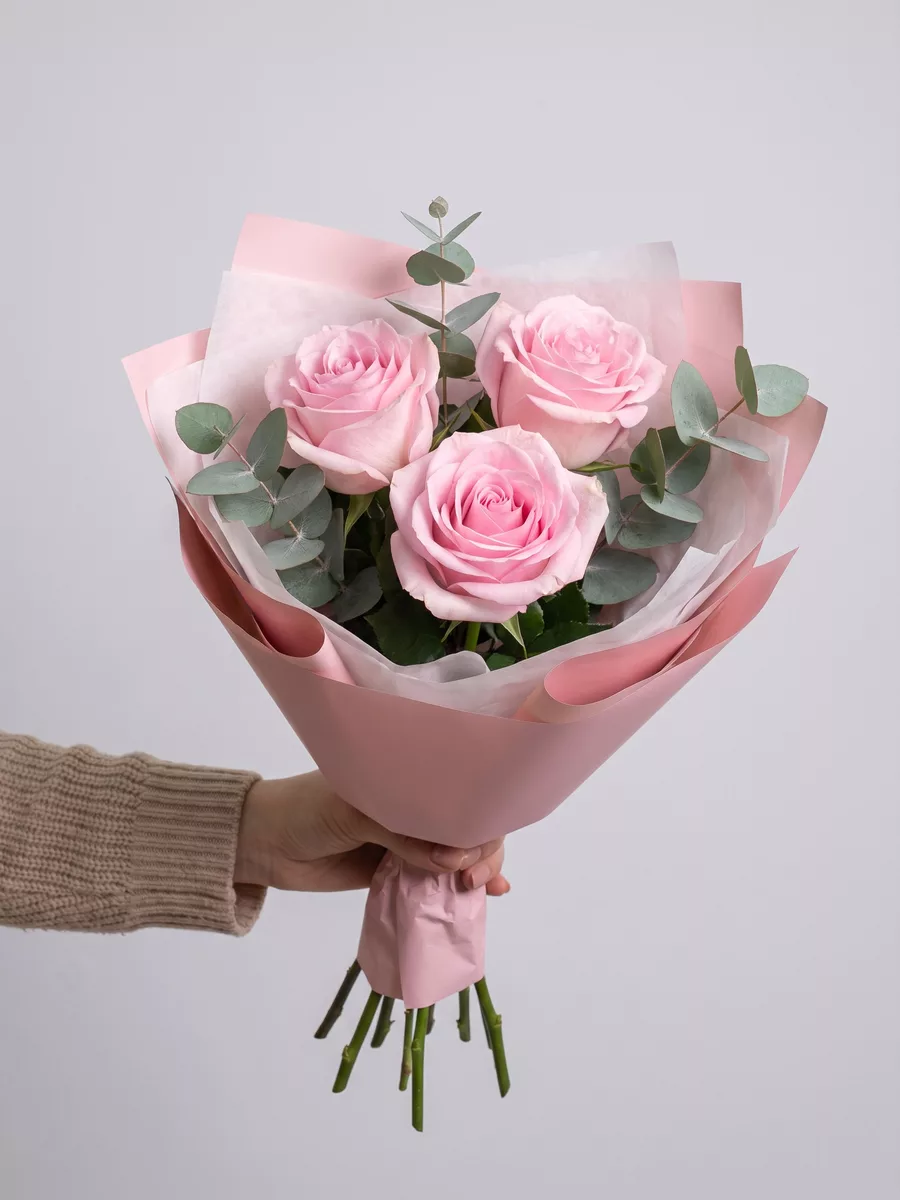
Bouquets we can deliver

Choosing the Right Moment: Time Zones and Delivery Windows
Bogdanovich runs on Yekaterinburg Time, which is UTC plus five, with no daylight saving adjustment. That is a significant gap from Western Europe, North America or Southeast Asia. If you want flowers delivered at noon local time in Bogdanovich, you need to place the order while it is still early morning there — which could mean the previous evening for someone in New York, or the early hours for someone in London.
Turboflora delivers within one to two hours of order confirmation, which is a genuine operational window, not a marketing phrase. To use it well from abroad, calculate the local Bogdanovich time before you start building your order. Aim to place the order at least three to four hours before the moment you want the flowers to arrive, giving yourself a buffer for payment processing and any back-and-forth on the address.
A common mistake international senders make is ordering late in the evening by their own clock without realising it is already past midnight in the Urals. Same-day delivery becomes next-day delivery, and the surprise is lost. Set a phone reminder, check a world clock app, and treat the Bogdanovich time zone as the only one that matters for this transaction. The recipient will never know about the planning; they will only feel the joy of opening their door to something beautiful at exactly the right moment.
What Russian Flower Customs Mean for Your Choice
If you did not grow up with Russian gifting traditions, a few customs are worth knowing so your bouquet lands with exactly the meaning you intend. The most important one: always send an odd number of flowers. Even numbers are associated with mourning and are placed at graves. A bouquet of eleven roses or seven tulips is celebratory; a bouquet of ten or twelve reads as a funeral offering, regardless of how beautiful it is. Your florist will count automatically, but it is good to understand why.
Colour carries meaning too, though Russians are generally more relaxed about this than older etiquette books suggest. Red roses are romantic and direct — perfect for a partner, potentially too intense for a colleague or distant relative. White flowers read as elegant and sincere across most occasions. Yellow flowers have a complicated reputation in older Russian tradition, sometimes linked to separation, though younger recipients rarely hold this association. If you are uncertain, a mixed palette of pinks, corals and creams is universally warm and safe.
Wrapping and presentation matter enormously in Russian flower culture. A bouquet handed over bare, without paper or ribbon, feels unfinished. Kraft paper with a satin ribbon, or a clear cellophane wrap with a fabric bow, signals that care was taken. Including a handwritten card — even a short one in English — is deeply appreciated and often kept long after the flowers are gone. Write something specific to the person, not just a generic greeting.
Seasonal Varieties That Travel Well to the Urals
The Ural climate shapes what arrives in good condition. In winter, roses, chrysanthemums, alstroemeria and carnations are your most reliable choices. These varieties are bred for cold transport and hold their structure even when the van door opens into minus twenty air. Spray roses — the smaller-headed, multi-stem variety — are particularly forgiving and look abundant without requiring the care that single large-headed roses demand.
Spring and early summer open up the palette beautifully. Tulips, hyacinths, ranunculus and peonies all travel well in April through June when temperatures are milder. Ranunculus in particular — with their layered, papery petals in cream, blush or deep burgundy — look luxurious in a way that surprises people who have only seen them in photographs. A mixed peony and eucalyptus arrangement in May or June is one of the most consistently well-received combinations for birthdays and anniversaries.
Summer and early autumn bring sunflowers, lisianthus and dahlias into the reliable range. Lisianthus is especially worth knowing: it resembles a rose in fullness but lasts significantly longer in the vase, often ten to fourteen days with proper water changes. For a recipient who lives alone or travels for work, longevity matters as much as first impression.
Avoid tropical stems like anthuriums, birds of paradise or heliconia for winter deliveries to Bogdanovich. They are genuinely cold-sensitive and can blacken at the petal edges within minutes of exposure to Ural winter air, arriving damaged through no fault of the florist.
Budgeting for a Bouquet When You Are Paying from Abroad
Ordering from abroad introduces a layer of financial logistics that domestic customers do not think about. Most international senders pay by card in their own currency, and the conversion happens automatically — but it is worth knowing that the final charge on your statement will reflect the exchange rate at the time of processing, plus any foreign transaction fee your bank applies. This is your bank's fee, not the florist's, but it can add a few percent to the total.
In terms of what different budgets achieve: a modest budget gets you a clean, single-variety bouquet — seven or nine roses, or a bunch of alstroemeria with greenery — presented neatly and delivered on time. This is not a small gesture in Bogdanovich; it is a real surprise. A mid-range budget opens up mixed arrangements: roses combined with lisianthus, or tulips with eucalyptus and wax flower. These combinations look designed rather than assembled, and that distinction registers.
A generous budget allows for a full garden-style arrangement with multiple textures — think spray roses, ranunculus, peonies in season, and structured greenery like ruscus or pittosporum. These bouquets photograph well, fill a room, and create a lasting memory. If the occasion is significant — a milestone birthday, a new baby, a major achievement — this is the level that matches the moment.
Whatever budget you choose, add a card. The words cost nothing extra and are often what the recipient remembers most clearly weeks later.
Getting the Address Right: A Step Most Senders Underestimate
Bogdanovich addresses follow the standard Russian format, which differs from Western conventions. The correct order runs: country, region, city, street, building number, apartment number, recipient name. If you are filling in a delivery form designed for Russian addresses, the fields will guide you — but if you are typing a freeform address, getting the order wrong can delay or misdirect the delivery.
Ask the recipient for their full address in Russian Cyrillic if at all possible. Even if you cannot read it yourself, copying and pasting Cyrillic text into the address field is far more reliable than transliterating it into Latin characters and hoping the driver recognises the result. Russian GPS and navigation systems work with Cyrillic natively, and a Cyrillic address removes one potential point of failure.
Building numbers in Russian cities often include a corpus designation — for example, building 14, corpus 2 — which indicates a secondary block within a larger residential complex. If your recipient lives in such a building and you omit the corpus number, the driver may arrive at the right street number but the wrong physical building. Ask specifically whether there is a corpus or stroenie number.
Also confirm whether the recipient will be home. In Russia, it is not standard to leave a bouquet with a neighbour or at a doorstep — flowers left unattended in winter will freeze, and in summer they will wilt. A successful delivery means a person at the address. A quick message to the recipient — without revealing the full surprise — asking whether they will be home at a certain time is a small kindness that protects the whole effort.
Helping Your Recipient Keep the Flowers Fresh
Fresh flowers delivered in winter arrive cold, sometimes with a light condensation on the petals as they warm up indoors. The recipient should not be alarmed by this. They should unwrap the bouquet gently, trim the stems at a diagonal cut — about two centimetres off the bottom — and place them immediately in a clean vase with fresh, cool water. Room-temperature water is fine; ice water is not necessary and can shock some varieties.
The vase placement matters more than most people realise. Keep the bouquet away from radiators, which are a significant factor in Russian homes during winter — central heating runs hot and dry, and a bouquet placed near a radiator can lose half its vase life within a day. A windowsill in winter is also risky: the glass conducts cold, and the temperature differential stresses the stems. A table away from direct heat sources and out of direct sunlight is ideal.
Water should be changed every two days, and the stems re-cut each time. This simple step — often skipped — makes a measurable difference. Roses and lisianthus will last seven to ten days with consistent water changes; alstroemeria and chrysanthemums can push toward two weeks. Tulips are shorter-lived but move beautifully as they open, drooping and turning toward light in a way that many people find more charming than a stiff arrangement.
If you want to include care instructions with the bouquet, ask the florist to add a printed card. A recipient who knows how to care for their flowers enjoys them longer, and that extended pleasure reflects well on the sender.
Sending flowers to Bogdanovich from abroad is not complicated once you understand the time zone, the winter logistics, the cultural customs around odd numbers and presentation, and the importance of a precise address. The distance between you and the recipient is real, but the moment those flowers arrive at their door — fresh, wrapped, with your words on a card — that distance collapses entirely. Plan one hour ahead of when you think you need to, choose varieties suited to the season, and trust that a well-made bouquet in a smaller city lands with more weight, not less.
Frequently asked questions
Can I order flowers for Bogdanovich if I do not speak Russian?
Yes. The Turboflora website and order process work in English, and you can enter the delivery address in Cyrillic by copying it directly from a message your recipient sends you. If you have any difficulty, the support team can assist. You do not need to speak Russian to complete a successful order.
How far in advance should I order to guarantee same-day delivery?
Place your order at least three to four hours before you want the flowers to arrive, calculated in Bogdanovich local time — UTC plus five. This buffer covers payment processing and dispatch. Ordering during morning hours in Bogdanovich time gives you the most flexibility and the best chance of delivery within your preferred window.
Is it safe to send flowers to Bogdanovich in deep winter?
Yes, with the right variety choices. Roses, chrysanthemums, alstroemeria, carnations and spray roses all handle cold transport well. Avoid tropical stems like anthuriums or birds of paradise in winter months, as they are genuinely cold-sensitive. The delivery vehicle is temperature-managed, but the final moments of transfer in freezing air affect delicate tropical varieties.
What should I write on the card if I am not sure what to say?
Write something specific to the person rather than a generic phrase. Mention a shared memory, name the occasion directly, or say simply what you want them to know. Even a few honest sentences in English mean more than a polished phrase that could apply to anyone. Specific words are what recipients remember and sometimes keep for years.
Why does the number of flowers in the bouquet matter?
In Russian tradition, even numbers of flowers are placed at graves and associated with mourning. An odd number — seven, nine, eleven, fifteen — is celebratory and appropriate for any joyful occasion. Your florist will count automatically, but knowing the reason helps you understand why a bouquet of ten roses would feel wrong to a Russian recipient regardless of how beautiful it looks.
Ready to send flowers?
Pick the city, choose the bouquet, and a local florist takes it from there.
Choose a city →