Sending Flowers to Bogorodsk from Abroad? Here Is Everything That Matters
You are thousands of kilometres away, the occasion is real, and you want the person in Bogorodsk to open their door and genuinely feel something. That gap between intention and delivery is exactly what this article closes. Whether you are marking a birthday, a new baby, an anniversary, or simply saying that you are thinking of someone, the right bouquet sent at the right moment lands like a warm phone call made physical. Here is what a sender outside Russia needs to understand before placing that order.
What Bogorodsk Is and Why Distance Is Not the Problem You Think
Bogorodsk is a town in Nizhny Novgorod Oblast, sitting roughly 50 kilometres east of Nizhny Novgorod city. It has a quiet, close-knit character — the kind of place where a flower delivery at the door is noticed and remembered. For a sender abroad, the first instinct is to worry about logistics, but the real question is simpler: does the florist reach the address? Turboflora delivers fresh flowers across Russia, including Bogorodsk, with a target window of one to two hours from order confirmation.
The distance between you and the recipient does not change the freshness of the flowers. What matters is the cold chain from the moment blooms are cut to the moment they arrive at the door. Roses, spray chrysanthemums, lisianthus, and alstroemeria all travel well when kept at four to eight degrees Celsius during transit — a standard that professional delivery maintains regardless of whether the sender is in London, Berlin, or Toronto.
What distance does affect is your ability to coordinate timing. You cannot knock on the door yourself to check. That makes clear communication with the florist more important than usual. When you place an order from abroad, include the recipient's phone number, confirm whether they will be home, and note any building access details such as entry codes or floor numbers. A little preparation on your end makes the delivery seamless on theirs.
Bouquets we can deliver

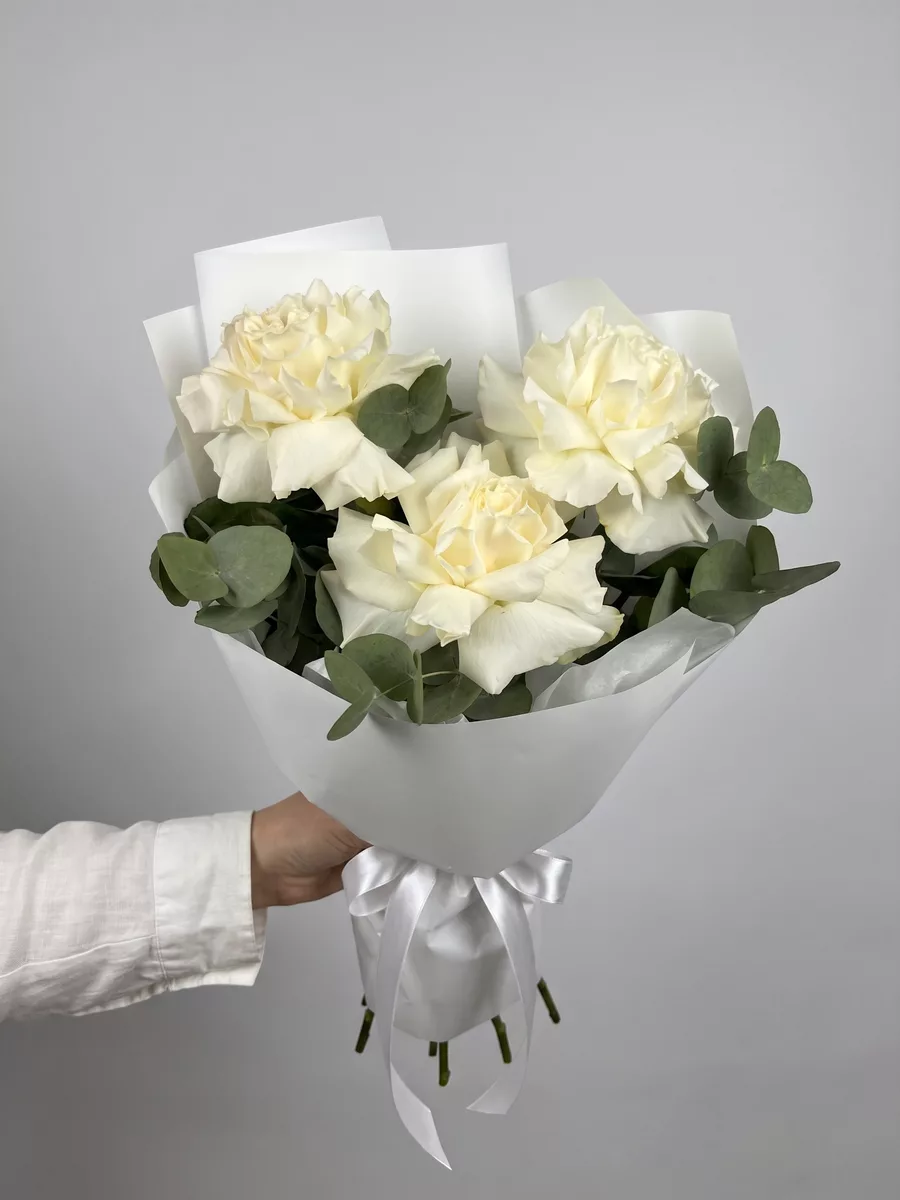
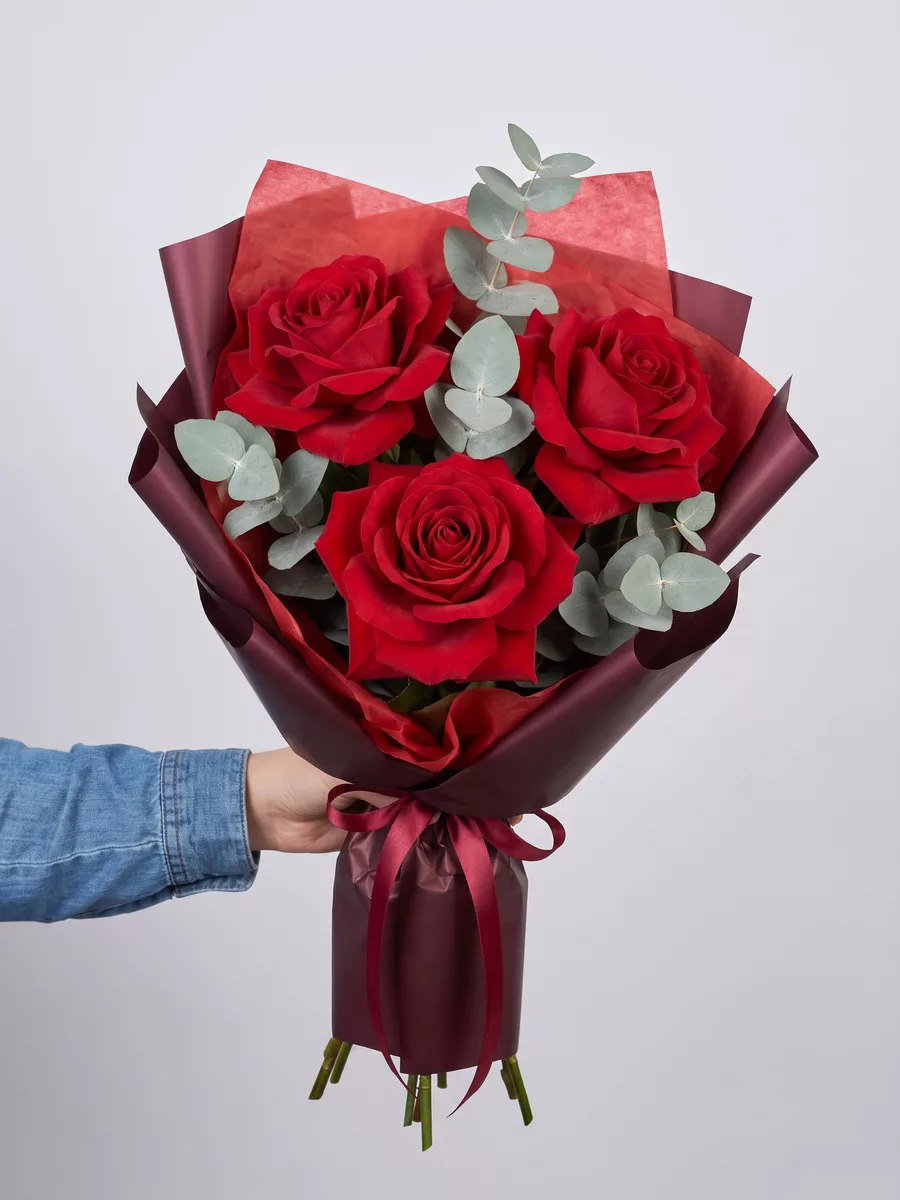
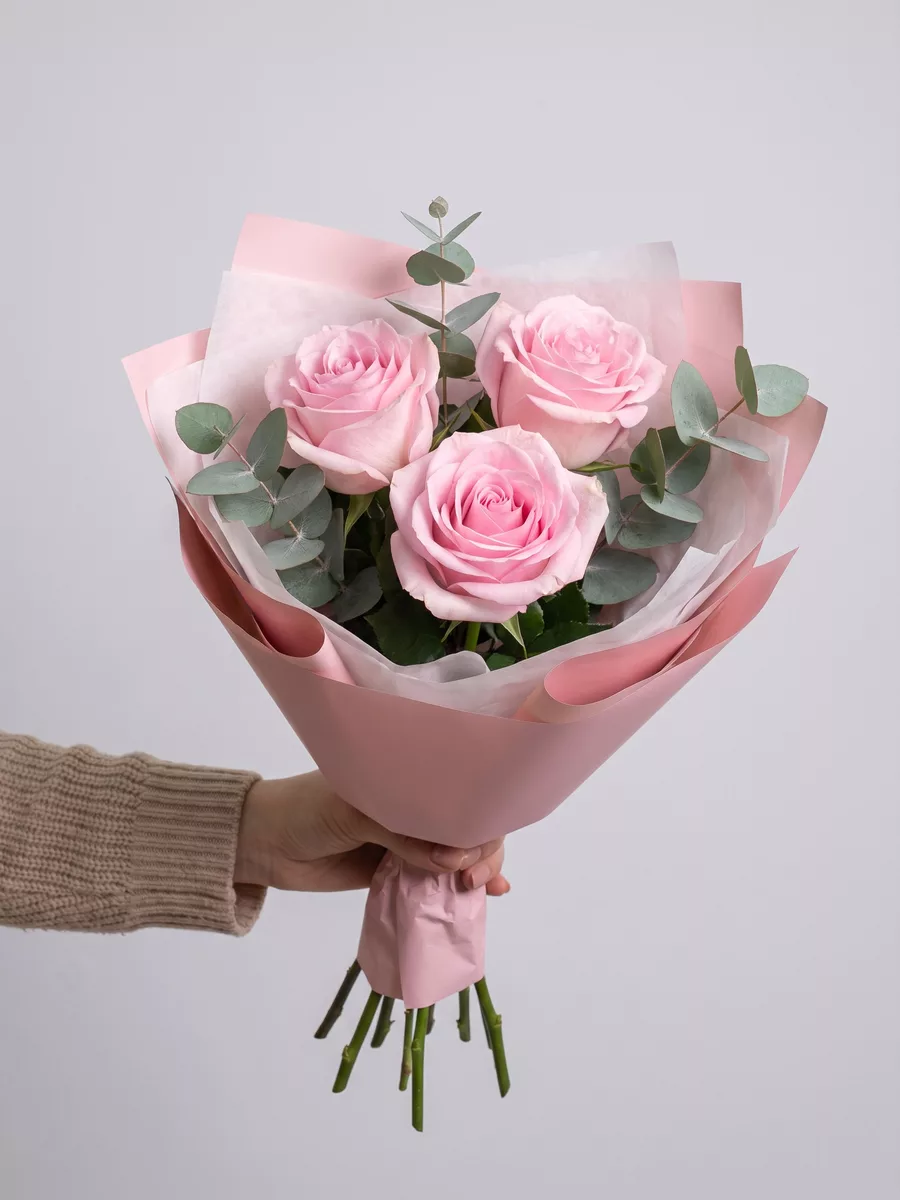
Choosing the Right Occasion Tone Before You Pick a Single Flower
Russian flower culture places enormous weight on the emotional register of a bouquet. Before you think about roses versus peonies, think about what the recipient should feel when they unwrap the paper. A birthday bouquet for a woman in her thirties reads differently from one for a grandmother celebrating a round number. A congratulations arrangement for a new job carries a different energy than one for a housewarming. Getting the tone right matters more than getting the variety right.
Bright, saturated colours — deep red roses, vivid orange gerberas, electric purple statice — read as celebratory and energetic. Soft palettes of blush, cream, and sage feel intimate and gentle, well suited to a romantic gesture or a thank-you. For a child's birthday, sunflowers mixed with bright alstroemeria and a few stems of solidago create exactly the cheerful, uncomplicated joy the moment calls for.
Russian recipients also pay attention to the number of flowers in a bouquet. An even number of stems is traditionally associated with mourning, so always aim for an odd count: five, seven, eleven, fifteen, or more. This is not a superstition to dismiss — it is a social norm your recipient will notice immediately. A good florist builds odd-number arrangements as standard, but if you are customising your order, mention it explicitly. Sending an even-numbered bouquet to a birthday celebration can create an awkward moment for the recipient, even if they say nothing about it.
Timing Your Order Across Time Zones Without Getting It Wrong
Bogorodsk operates on Moscow Time, which is UTC plus three, with no daylight saving adjustment. That means if you are in New York during Eastern Standard Time, Bogorodsk is eight hours ahead. If you are in London on GMT, the gap is three hours. Central European Time puts you two hours behind. These numbers matter because a delivery you imagine arriving at noon local time may actually land at an inconvenient hour if you calculate from your own clock without converting.
The safest approach is to decide on the local Bogorodsk time you want the bouquet to arrive, then work backwards to place your order. If you want flowers on the table for a seven o'clock dinner, placing the order by four in the afternoon Bogorodsk time gives a comfortable buffer. Most international senders make the mistake of ordering at what feels like mid-morning to them, not realising it is already evening in Russia.
For milestone moments — a significant birthday, a wedding anniversary, a graduation — same-day delivery is entirely possible as long as the order reaches the florist before the late afternoon cutoff in Bogorodsk local time. If you are unsure, ordering for the morning of the occasion rather than the evening removes almost all timing risk. A bouquet waiting on the table when someone wakes up on their birthday creates a different kind of delight than one that arrives while they are already at a restaurant. Both are lovely; the morning delivery simply has more room for error on your end.
Which Flowers Work Best and Which to Avoid Sending in Winter
Russia has genuine winters, and Bogorodsk is no exception. From November through March, outdoor temperatures regularly fall below minus ten degrees Celsius. This is not a problem for the delivery itself — professional couriers use insulated packaging and heated vehicles — but it does shape which flowers hold up best and which are fragile under cold stress.
Roses are the most reliable year-round choice. Garden varieties with dense petals, such as Ecuador-grown large-head roses, handle temperature transitions well. Spray roses add texture and volume without adding fragility. Chrysanthemums, both standard and spray types, are exceptionally cold-tolerant and last ten to fourteen days in a vase with proper care, making them an excellent winter option when you want the gift to linger.
Lisianthus is a beautiful winter choice — its ruffled petals resemble peonies at a fraction of the seasonal risk, and it travels and stores well in cold conditions. Alstroemeria is another dependable pick; it opens gradually over a week, so the recipient experiences the bouquet changing and brightening over time.
In summer, peonies become available and are deeply loved in Russia — a peony bouquet in June or July is almost always received with genuine emotion. Gerberas are cheerful and affordable in warmer months but are more sensitive to cold stress in transit during winter. Avoid delicate tropical varieties like anthuriums or birds of paradise for winter delivery to inland Russian towns; they can show cold damage even with careful packaging. Stick to proven, cold-tolerant varieties and the bouquet will arrive looking exactly as it did when it left the studio.
How to Write a Card Message That Lands Well in Russian Culture
A card message sent from abroad carries extra weight because it is often the only direct voice the recipient hears from you. Russian recipients read card messages carefully and keep them. A short, sincere message outperforms a long, formal one every time. Two or three sentences that say something specific — referencing a shared memory, naming what you admire about the person, or simply stating plainly that you are thinking of them — will be read and reread.
If you write in English, the florist can include the message as written. Many recipients in Bogorodsk, particularly younger people, read basic English. However, if you want to be certain the message is understood by everyone in the household, you can write your message in English and ask for it to be translated into Russian before printing. Mention this when placing the order.
Avoid overly corporate or generic phrases. Sentences like 'wishing you all the best on this special day' feel hollow in any language. Instead, try something like 'I thought about you this morning and wanted you to know it' or 'Twenty years of friendship deserves more than a message, but flowers are a start.' Specificity creates warmth.
In Russian tradition, it is also completely acceptable — even expected — to be direct about affection. Phrases that might feel too forward in some Northern European or Anglo-American contexts, such as telling someone directly that you love them or that they are deeply missed, land warmly and naturally in a Russian card. Do not soften your message out of cultural caution. Be direct, be specific, and be yourself.
Presentation Choices That Make the Bouquet Feel Intentional
How a bouquet is wrapped and presented tells the recipient something before they even look at the flowers. In Russia, elaborate wrapping is standard and appreciated — this is not a culture where minimalist brown paper is seen as sophisticated restraint. Layered tissue, kraft paper, organza ribbon, and decorative sleeves all signal that care went into the gift. A well-presented bouquet feels more expensive and more thoughtful than the same flowers loosely wrapped, even if the varieties are identical.
For a romantic gesture, ask for deep jewel tones in the wrapping — burgundy, forest green, or midnight blue paired with a satin ribbon. For a birthday, bright wrapping in the same colour family as the flowers creates a cohesive, festive impression. For a congratulations arrangement, clean white or cream packaging with a bold ribbon gives a polished, celebratory feel without being over the top.
Box arrangements have grown enormously popular in Russia over the past several years. Flowers arranged in a hat box or a decorative round box hold their shape during delivery and photograph beautifully — a consideration that matters to recipients who will want to share the moment on social media. If your recipient is under forty, a box arrangement is very likely to be received with extra delight.
You can also add small extras to the order: a bar of quality chocolate, a soft toy for a child, or a small decorative candle. These additions are common in Russian gifting culture and reinforce the sense that the sender thought about the whole moment, not just the flowers. They are especially meaningful when you cannot be there in person.
Caring for the Flowers After Delivery: What to Tell Your Recipient
The bouquet arrives, the door opens, and the moment is perfect. What happens in the next twenty-four hours determines whether those flowers last four days or twelve. Most recipients in Russia know the basics, but a short note of care instructions — especially if the flowers include varieties they may not have received before — is a genuinely useful addition to your order.
The first step is always a fresh diagonal cut on each stem, made with a sharp knife rather than scissors. Scissors crush the vascular tissue; a clean diagonal cut maximises water uptake. The stems should go immediately into a clean vase with cool, fresh water. Warm water encourages faster opening but shortens vase life, so cool is better for longevity.
Roses and lisianthus last longest when kept away from direct sunlight, heating radiators, and fruit bowls. Ripening fruit releases ethylene gas, which accelerates flower aging — a detail most people do not know. Changing the water every two days and re-cutting the stems at the same time adds several days to the arrangement's life.
Chrysanthemums are the easiest to care for and forgive a lot of neglect. Alstroemeria needs its lower leaves removed before they sit below the waterline, as submerged foliage rots quickly and clouds the water. Spray roses benefit from misting the petals lightly on hot days. If you include care notes with your order card, your recipient will remember you every time they tend to the flowers — which is a quiet, lovely form of presence across any distance.
Sending flowers to Bogorodsk from abroad is less complicated than it sounds and more meaningful than almost any other gesture you can make from a distance. The time zone arithmetic, the odd-number rule, the winter-safe varieties, the card message that says something real — each of these small details adds up to a delivery that feels personal and considered rather than transactional. The person on the other side of that door will not think about logistics. They will think about you.
Frequently asked questions
Which flowers hold up best on a long delivery route to Bogorodsk?
Roses, alstroemeria, spray chrysanthemums, and lisianthus are the strongest travellers. They tolerate transit well when kept between four and eight degrees Celsius and arrive looking fresh rather than stressed. Avoid delicate open peonies or garden ranunculus for long-distance orders unless your florist confirms same-day cutting and rapid dispatch. A compact, well-conditioned bouquet outlasts a loose, romantic one every time.
Does Russian flower etiquette change what I should order for a birthday versus a sympathy occasion?
Yes, and the difference matters. For a birthday, choose warm colours and odd numbers — Russians consider even numbers appropriate only for mourning. For sympathy or loss, white and muted tones are respectful. For a new baby, soft yellows and whites work across genders. Knowing the occasion before you pick a variety saves you from sending something that reads the wrong way entirely.
How do I make sure the delivery actually reaches the right address in Bogorodsk?
Include the full street address with building number, apartment number, floor, and any entry code. Bogorodsk has residential blocks where ground-floor intercoms control access to the whole building. Adding the recipient's mobile number lets the courier call ahead rather than guess. One accurate address line prevents most failed deliveries and removes the anxiety of not being there to guide anyone yourself.
Can I write a card message in English or does it need to be in Russian?
You can write in English and ask the florist to transliterate or translate it, or you can write phonetically in Russian yourself. Most recipients in Bogorodsk will appreciate a personal message in any language because the gesture is clear. If the sentiment is specific — a meaningful phrase or an inside reference — write it yourself and ask the florist to keep it verbatim rather than paraphrase it.
What combination of flowers makes the strongest impression for an anniversary sent from abroad?
Red or deep-pink roses paired with white lisianthus is a proven pairing — the contrast reads as deliberate rather than accidental. Adding a few stems of eucalyptus or ruscus gives structure and extends vase life. For a longer relationship or a milestone anniversary, a larger format bouquet in a box rather than a hand-tied wrap signals that the sender planned carefully, which matters when you cannot be there in person.
Ready to send flowers?
Pick the city, choose the bouquet, and a local florist takes it from there.
Choose a city →