Sending Flowers to Bologoe from Abroad Without the Guesswork
You are sitting in Berlin, Toronto or Dubai, and someone you care about is in Bologoe — a quiet railway town between Moscow and Saint Petersburg — waiting for a moment that matters. The distance feels enormous, but the gesture does not have to. Ordering flowers internationally is less complicated than most people expect, and getting it right comes down to three things: knowing the town, reading the occasion, and trusting a florist who actually delivers there.
Why Bologoe Is Different from Sending to a Big City
Bologoe sits on the Oktyabrskaya railway line roughly halfway between Moscow and Saint Petersburg, which means it is well connected by rail but still a small town of around 20,000 people. That scale changes how flower delivery works in practical terms. There are no enormous wholesale markets on the doorstep, so the bouquet arriving at your recipient's address reflects careful sourcing rather than whatever was left on a warehouse shelf that morning.
For a sender abroad, this matters because you should think in terms of what travels and holds well, not just what looks spectacular in a photograph. Roses with tight, firm buds, spray chrysanthemums, alstroemeria and sturdy lisianthus are all excellent choices for Bologoe deliveries because they arrive looking composed rather than exhausted. Delicate garden roses with very open blooms or tropical stems like anthuriums can be trickier in colder months simply because temperature swings during transit stress them.
Bologoe also experiences genuine Russian winters, with temperatures regularly dropping below minus fifteen degrees Celsius from December through February. This is not a detail to skip over. A bouquet handed to a recipient at the door on a cold January afternoon needs proper insulation wrapping, and a good florist accounts for this automatically. In summer the town is warm and pleasant, and flowers like sunflowers, dahlias and garden peonies are at their most reliable. Matching the flower to the season and the climate of the destination is the first real skill in long-distance gifting.
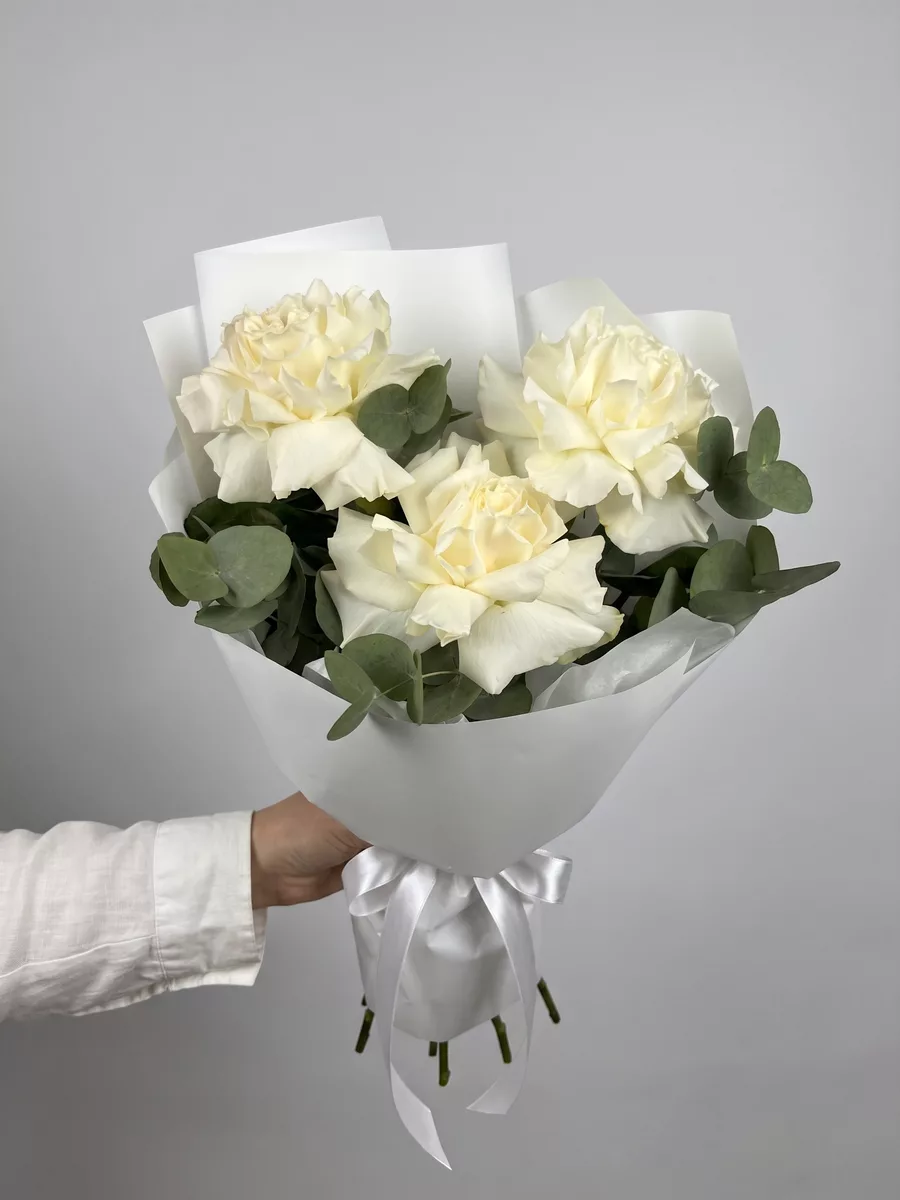
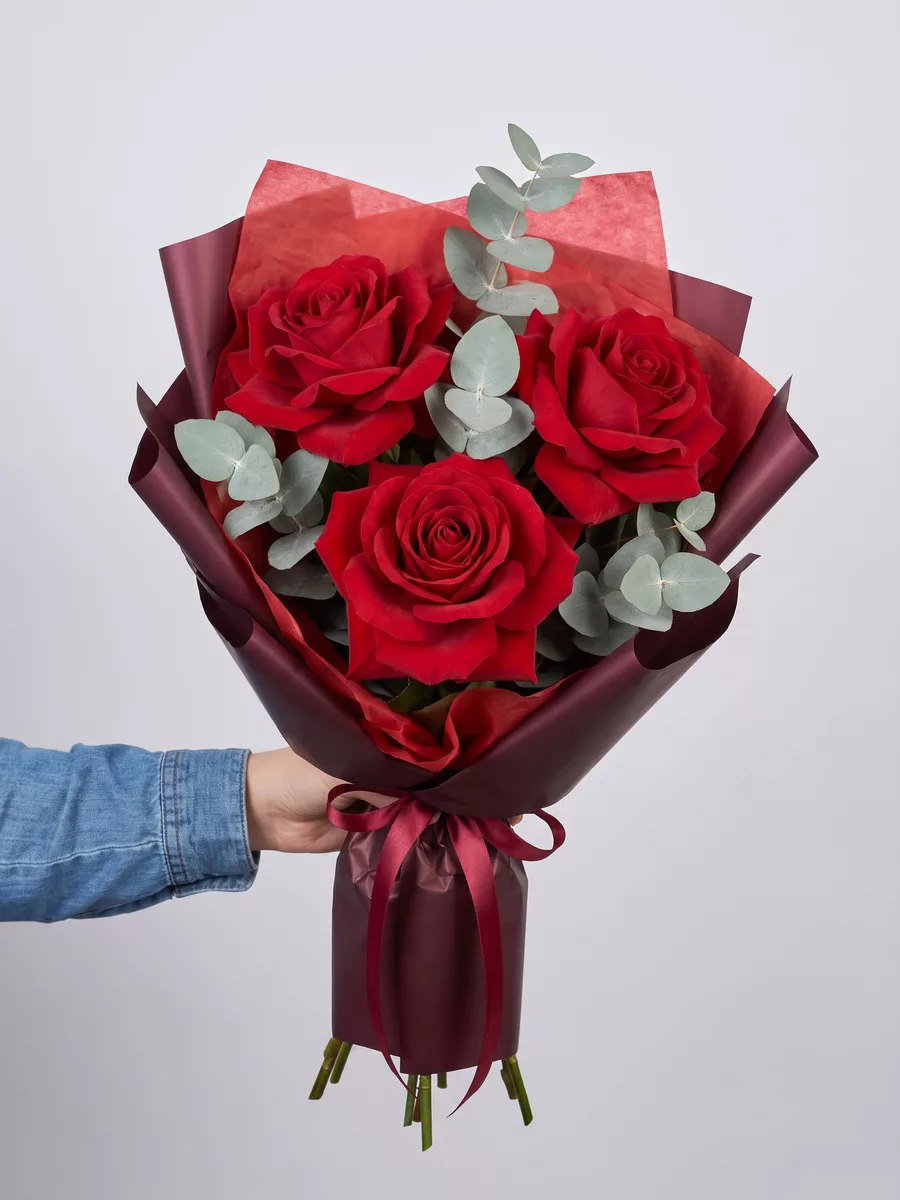
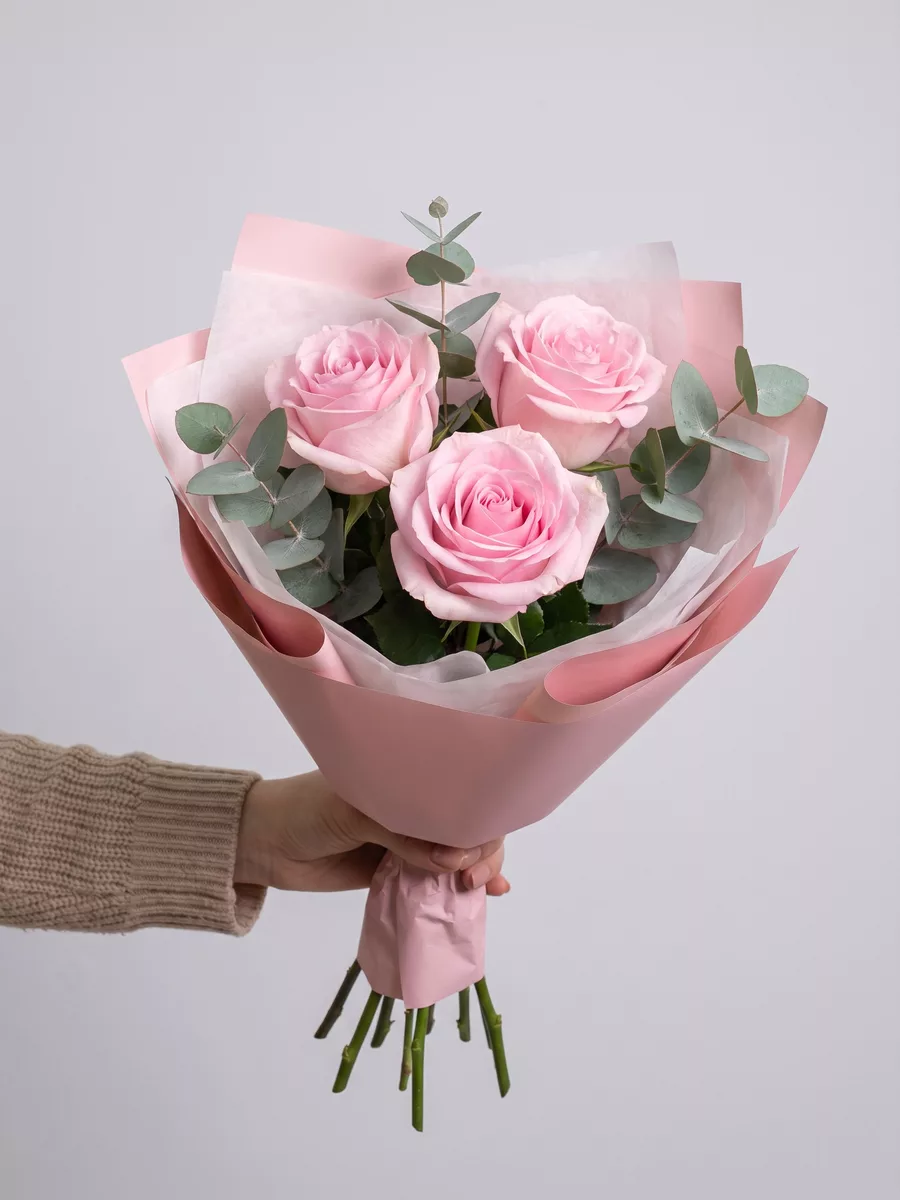
Bouquets we can deliver

Reading the Occasion Before You Choose a Single Stem
The most common mistake international senders make is choosing flowers they personally love rather than flowers that speak to the recipient and the moment. Russian flower culture is generous and expressive — bouquets tend to be fuller and more layered than what you might see in a minimalist Scandinavian arrangement. A single-stem gift reads as sparse rather than elegant in this context, so lean toward compositions with volume and warmth.
For a birthday, think about what the person will feel when they open the door. A burst of coral and peach — spray roses, alstroemeria and a few stems of eucalyptus for texture — reads as celebratory and personal rather than generic. For a romantic occasion, red or deep burgundy roses remain the clearest signal of intention, but pairing them with white waxflower or soft pink lisianthus adds sophistication and avoids the feeling of a default choice.
For congratulations — a new job, a graduation, a new home — yellow and white combinations work beautifully. Freesia adds fragrance that makes the moment linger, and solidago gives the bouquet a cheerful lift without overpowering the other stems. If you are sending flowers to a woman in her fifties or older, lavender, lilac tones and white are universally appreciated and feel considered rather than showy. For younger recipients, bright mixed bouquets with gerberas, ranunculus or tulips in season signal energy and affection. The occasion is the brief; the flowers are the answer to it.
Timing Your Order Across Time Zones
This is where international senders most often go wrong, and it is entirely fixable with a little arithmetic. Moscow time is UTC plus three, with no daylight saving adjustment, so it stays fixed year-round. If you are in London in summer, Moscow time is two hours ahead. If you are in New York, it is eight hours ahead. If you are placing an order from Tokyo, the difference is six hours behind Moscow, meaning your afternoon is already their late evening.
The practical rule is simple: place your order at least four to six hours before the desired delivery window, and if you want a morning delivery in Bologoe, you may need to order the evening before from your local time zone. Turboflora delivers across Russia within one to two hours of order confirmation, but that clock starts when the order is confirmed and the bouquet is assembled — not when you first open the website.
For important dates like birthdays or anniversaries, placing the order a day in advance is wise. This gives the florist time to ensure the specific varieties you want are prepared at their best stage of bloom. Roses, for example, are ideally cut and conditioned for twelve to twenty-four hours before a delivery so the petals have just begun to open and the stems are fully hydrated. An order placed with breathing room almost always produces a better result than a same-hour rush, even when same-hour delivery is technically possible. Build in that buffer and the day becomes far less stressful for everyone involved.
Budget and What It Actually Buys in Terms of Volume
Flower pricing can feel opaque when you are ordering from another country in a different currency. The most useful way to think about it is not in terms of stem count but in terms of what the composition communicates. A smaller, beautifully arranged bouquet of fifteen roses with proper greenery and a quality wrap says more than twenty stems bundled without thought. Volume alone is not the measure of generosity in Russian flower culture — presence and intention are.
At a modest budget, a single-variety bouquet of roses or tulips in a strong colour with minimal greenery is entirely appropriate and looks confident when it is well assembled. Moving into a mid-range budget opens up mixed compositions: you can combine spray roses with lisianthus and add a branch of eucalyptus or ruscus for depth. The bouquet gains dimension and the recipient sees that choices were made on their behalf.
At a higher budget, you move into statement arrangements — large-headed roses combined with garden peonies when in season from May through June, or a generous mixed bouquet with freesia, alstroemeria, matthiola and decorative foliage. These are the bouquets that get photographed and remembered. One honest note: peonies have a very short season and are not available reliably outside it, so if a florist offers you peonies in November, ask questions. Seasonal honesty is a mark of a trustworthy florist. Stick to what is genuinely in season and the flowers will always look better than forced alternatives.
Russian Customs Around Flowers That Are Worth Knowing
If you are not familiar with Russian flower traditions, a few customs are worth understanding so your gift lands exactly as intended. The most widely known rule is the odd-number tradition: bouquets given as gifts always contain an odd number of stems. Even numbers of flowers are associated with funerals and mourning, and while younger generations are increasingly relaxed about this, it remains a strong cultural convention that a thoughtful sender should respect. Your florist will naturally follow this, but it is good to know why.
Colour carries meaning too, though not in a rigid way. Yellow flowers were historically associated with separation or jealousy in Soviet-era culture, and some older recipients still carry that association. If you are unsure of your recipient's generation or sensibilities, a mixed bouquet that includes yellow as an accent rather than the dominant tone is a safe middle ground. White flowers are elegant and widely appreciated — they do not carry the same funeral connotation here that they do in some East Asian cultures.
Presenting flowers without wrapping is unusual — the packaging is considered part of the gift. Craft paper, satin ribbon and a thoughtful card message all contribute to the experience of receiving flowers. If you are sending from abroad and want to include a personal message, writing it in Russian is a lovely touch even if your Russian is limited to a few words. Most florists can help you transliterate a simple phrase, and the effort is always noticed. Small gestures of cultural awareness make a gift feel genuinely personal rather than ordered from a catalogue.
Care Instructions to Pass Along to Your Recipient
Flowers sent with love deserve a long vase life, and a few practical steps from the recipient's side make a real difference. The first thing to do when the bouquet arrives is to unwrap it, trim about two centimetres from each stem at a diagonal cut using clean scissors or a sharp knife, and place the stems immediately into a vase of cool, clean water. Diagonal cuts increase the surface area through which the stem absorbs water, and cool water slows bacterial growth.
Roses last longest when kept away from direct sunlight, radiators and fruit bowls. Ripening fruit releases ethylene gas, which accelerates petal drop in roses and tulips noticeably. A cool room — around sixteen to eighteen degrees Celsius — is ideal. Changing the water every two days and re-trimming the stems each time adds several days to the vase life. Most roses, when properly cared for, will last seven to ten days. Spray chrysanthemums and alstroemeria often last longer, sometimes reaching two weeks.
Lisianthus and freesia are particularly rewarding because they open gradually over several days, so the bouquet looks different and equally beautiful on day one and day six. Tulips continue to grow after cutting and will lean toward light, which some people find charming and others find untidy — keeping them in a cooler spot slows this movement. If your recipient has never received fresh flowers before, these small instructions transform the experience from a one-day event into something that fills the room for nearly two weeks. Include them in your card message or ask the florist to add a care card to the bouquet.
What to Write on the Card When Words Feel Far Away
The card is often the hardest part of sending flowers from abroad, because you are trying to close a physical distance with a few sentences. The best card messages are specific rather than general. Instead of writing 'thinking of you,' try 'I remembered that today is the day you have been working toward for months, and I wanted you to know I see that.' Specificity is warmth made visible.
In Russian culture, written sentiments tend to be warm and direct rather than understated. It is entirely appropriate to write something affectionate and even a little poetic — this is not considered excessive. If you are celebrating a birthday, wishing the recipient health, happiness and everything they dream of is a genuinely conventional and appreciated formula, not a cliché. Adding a personal memory or a reference to something only the two of you would understand elevates it further.
If you are sending flowers for a professional milestone — a promotion, a successful project, a new beginning — acknowledge the effort behind the achievement rather than just the result. People remember being seen more than they remember being congratulated. For romantic occasions, honesty is always the right register. You do not need to be a poet; you need to be sincere.
If you are writing in English and your recipient reads it well, write freely in your own voice. If they are more comfortable in Russian, keep the message short and ask your florist to help with a simple translation or transliteration. A few genuine words in the recipient's language, even imperfect ones, will be remembered long after the petals have fallen. The flowers open the door; the card is the conversation that follows.
Sending flowers to Bologoe from abroad is not a complicated act — it is a considered one. You are asking a small town to hold a moment of warmth on your behalf, and when the details are right, it does exactly that. Choose for the person and the season, give the order enough time to be assembled properly, and write the card with the same care you would give a spoken conversation. The flowers will do the rest.
Frequently asked questions
Can I order flowers for Bologoe delivery if I do not speak Russian?
Yes, entirely. The ordering process at Turboflora is available in English, and you can specify your recipient's address, preferred delivery time and card message in English. The florist handles all local coordination. If you want your card written in Russian, you can provide the text and it will be included exactly as requested.
What is the latest I can place an order and still get same-day delivery to Bologoe?
Turboflora delivers within one to two hours of order confirmation, so same-day delivery is possible for most of the working day. However, because Bologoe is on Moscow time, calculate the local time carefully before ordering. If you are in a time zone significantly behind Moscow, placing the order the evening before your intended delivery date is the safest approach for morning arrivals.
Are there flowers I should avoid sending to Bologoe in winter?
Very delicate open blooms — garden roses with fully open petals, or tropical varieties like bird of paradise — can suffer in extreme cold during doorstep handover. Sturdy varieties like spray roses, chrysanthemums, alstroemeria and lisianthus handle winter conditions much better. Turboflora uses insulated packaging in cold months, but choosing robust varieties adds an extra layer of confidence.
Why do Russian bouquets always have an odd number of flowers?
Even numbers of flowers are traditionally associated with mourning in Russian culture and are placed at graves or given at funerals. Gifting an even number at a celebration is considered bad luck by many people, particularly older generations. Turboflora follows this convention automatically, so every gift bouquet will contain an odd number of stems without you needing to specify it.
How long will the flowers last after delivery in Bologoe?
With basic care — fresh water every two days, trimmed stems and a cool spot away from sunlight and fruit — most roses last seven to ten days. Alstroemeria and spray chrysanthemums often reach twelve to fourteen days. Lisianthus and freesia open gradually over several days, so the bouquet improves in appearance for the first few days before slowly fading.
Ready to send flowers?
Pick the city, choose the bouquet, and a local florist takes it from there.
Choose a city →