Sending Flowers to Your Boss in Russia Professionally
Giving flowers to a manager in Russia is a genuine gesture of respect, but it comes with unwritten rules that can trip up anyone unfamiliar with local workplace culture. Get the occasion right, choose colours that read as professional rather than romantic, and present the bouquet in a way that feels considered rather than obligatory — and you will leave a quietly strong impression. Get it wrong and even a beautiful arrangement can feel awkward for everyone in the room.
Why Flowers Still Matter in Russian Workplace Culture
In Russia, giving flowers to a senior colleague is not old-fashioned — it is expected on certain occasions and noticed when it is absent. A manager who receives nothing on their birthday or on a professional holiday will rarely say so, but the omission registers. Flowers carry a specific social weight here that a box of chocolates or a gift card simply does not replace.
Russian workplace culture places a strong emphasis on visible respect toward those in senior positions. A bouquet handed directly to a boss, or delivered to the office on their behalf, signals that you see them as a person and not just a role. This matters especially in more traditional industries such as manufacturing, education, public sector work, and finance, where hierarchy is taken seriously.
At the same time, the gesture needs to stay within professional limits. Flowers that are too intimate in colour or too extravagant in scale can create discomfort rather than warmth. The goal is to give something that reads as respectful, tasteful, and well-considered. Think of it less as a grand romantic gesture and more as a carefully chosen handshake — firm, appropriate, and impossible to misread. Understanding that balance is the first step toward getting this right.
Bouquets we can deliver


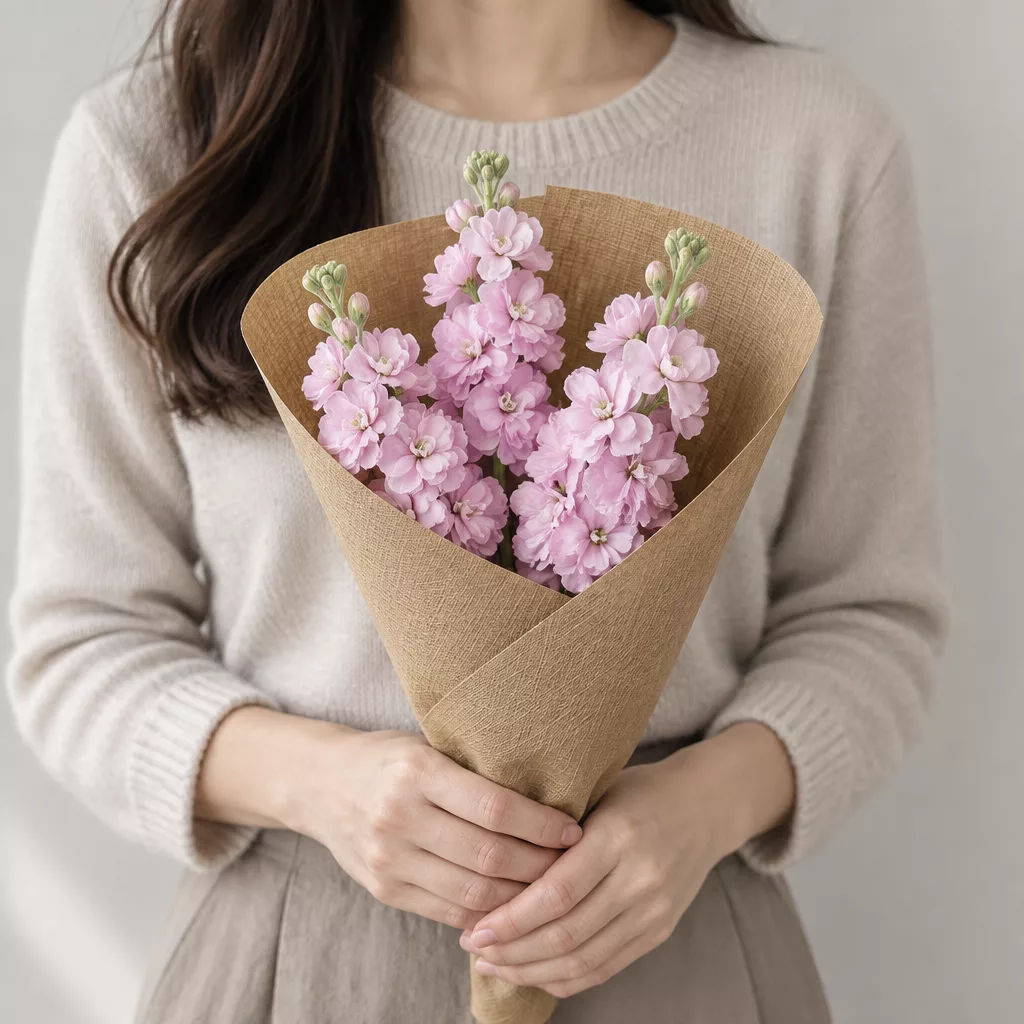
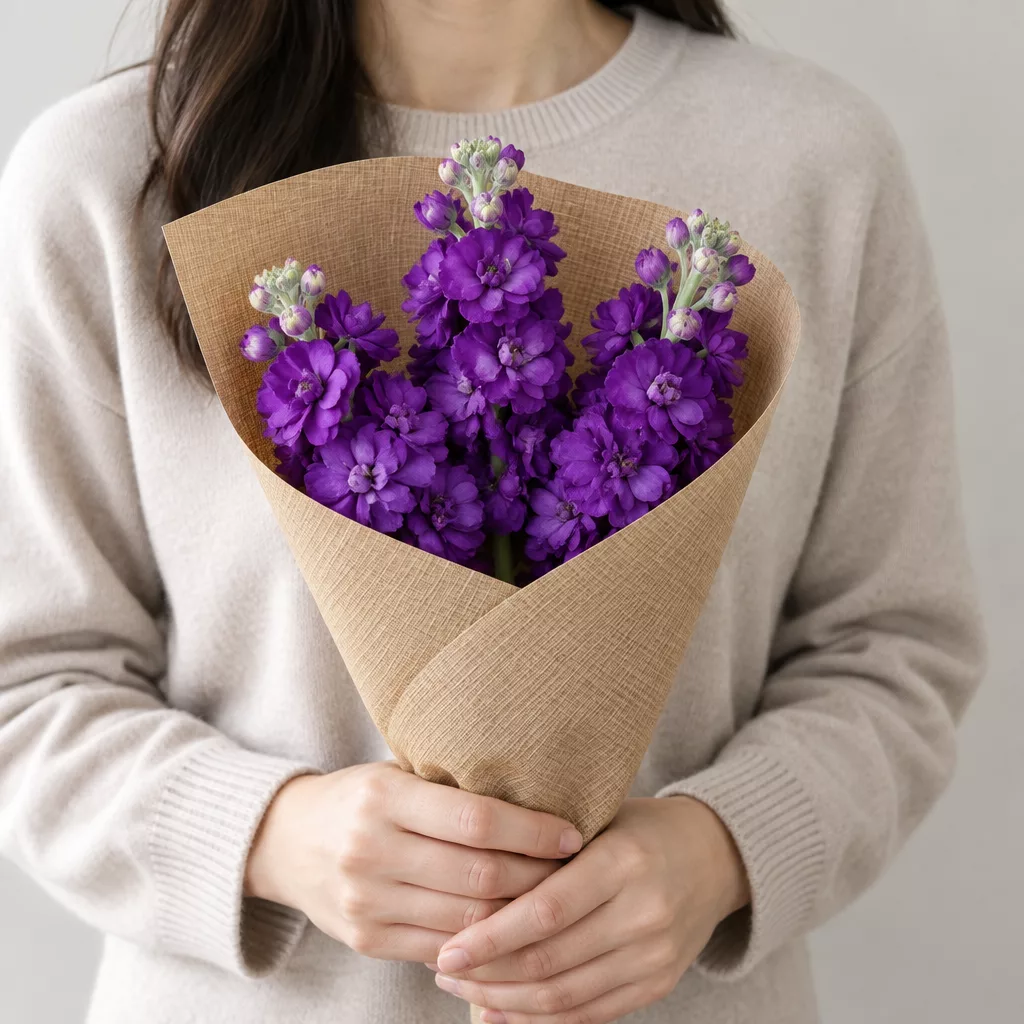
The Occasions That Actually Call for Flowers
Not every Friday is a reason to send your manager flowers, and showing up with a bouquet on a random Tuesday will raise eyebrows. Russian professional gift-giving is occasion-driven, and knowing which dates matter will save you from both under-doing and over-doing it.
Birthdays are the most universal occasion, and in a Russian office they are taken seriously. If you know your manager's birthday, a bouquet delivered to the office that morning is entirely appropriate and widely appreciated. It does not need to be large — a composed arrangement of seven or nine stems reads as thoughtful without being excessive.
Professional holidays are equally important. February 23rd, known as Defender of the Fatherland Day, is traditionally marked for male colleagues and managers. March 8th, International Women's Day, is one of the biggest flower-giving occasions in the entire country — florists across Russia see their busiest single day of the year, and a female manager who receives nothing may genuinely notice. Teacher's Day in early October matters if your boss works in education.
Promotion milestones and work anniversaries are also recognised moments. If your manager has just been promoted or has completed a significant project, a small bouquet accompanying a verbal congratulation lands well. Avoid sending flowers after a difficult meeting or a performance review — timing matters as much as the flowers themselves.
Colours That Work and Colours That Send the Wrong Signal
Colour choice is where most people make mistakes when sending flowers to a Russian manager. The associations are specific and worth understanding before you order.
White is your safest and most versatile choice for a professional setting. White roses, white lisianthus, and white spray chrysanthemums all read as clean, respectful, and neutral. A bouquet built around white blooms with green foliage such as ruscus or eucalyptus looks polished without saying anything personal.
Soft yellow, cream, and pale peach are also well-received in workplace contexts. Cream roses combined with pale yellow freesias, for example, create warmth without crossing into intimacy. These tones suggest appreciation and brightness without the romantic connotations that stronger colours can carry.
Red is the colour to approach with real caution. In Russia, red roses between colleagues — especially given to a manager of the opposite gender — can read as romantic interest rather than professional respect. If you want to include red, balance it with white blooms and keep the overall palette mixed rather than monochrome red.
Avoid all-purple bouquets for professional occasions, as purple carries associations that do not translate well to workplace gifting in Russian culture. Pink is generally acceptable for a female manager, particularly softer shades, but a deep fuchsia arrangement is better saved for a close friend. When in doubt, return to white and green — it never misreads.
Choosing the Right Scale and Presentation
In a professional context, presentation matters almost as much as the flowers themselves. A bouquet that arrives in a crumpled sleeve of cellophane gives a very different impression than one that is neatly wrapped, tied with ribbon, and accompanied by a brief, handwritten card.
For a manager's birthday or a holiday like March 8th, a bouquet of nine to fifteen stems is a well-judged size. It is generous enough to feel like a real gift without looking as though you are trying to outshine colleagues or suggest a level of closeness that does not exist. Eleven stems in a composed, rounded shape is a classic choice that reads as considered.
If several colleagues are contributing together, a larger arrangement in a box or a hatbox format is appropriate and avoids the awkwardness of one person appearing to give more than others. A collective gift of twenty-five stems of garden roses or lisianthus in a structured box looks genuinely impressive without being over the top.
Always include a card. Keep the message brief and professional: a line of congratulation, a wish for good health, and your name. In Russian office culture, an unsigned bouquet causes confusion and occasionally awkward speculation. If you are delivering from another city and cannot be present, a short typed note printed and included with the delivery is perfectly acceptable and shows that you planned ahead rather than clicked a button without thinking.
Varieties That Hold Up Well in an Office Environment
Offices are not ideal environments for flowers. Air conditioning in summer and dry central heating in winter both shorten vase life significantly, and a bouquet that wilts by lunchtime on the day of delivery is a disappointing outcome for everyone.
Roses are a reliable choice because they are sturdy and widely available in the varieties that suit professional gifting. Look for garden-style roses with fuller heads — varieties like Mondial or Avalanche in white hold their shape well and last five to seven days in a vase with proper care. Standard spray roses are also a good option as they provide volume without a heavy price point.
Lisianthus, sometimes called eustoma, is one of the best choices for an office bouquet. It has a delicate, ruffled appearance similar to a peony but lasts considerably longer — up to ten days in a vase — and tolerates warm indoor temperatures better than many other blooms. White and pale purple lisianthus together create an elegant, restrained arrangement that works perfectly in a professional setting.
Freesias add fragrance and colour without overwhelming the composition, and they are generally well-liked. Avoid flowers with very heavy scents such as Oriental lilies if the office is small or enclosed, as strong fragrance in a confined space can cause headaches. Alstroemeria is another practical choice — long-lasting and cheerful, it fills a bouquet beautifully and survives office conditions with minimal fuss.
Ordering for Delivery When You Are Not in the Same City
Sending flowers to a manager in another Russian city is increasingly common, particularly for remote teams, distributed companies, and employees working across regional offices. The logistics are straightforward if you plan a few details in advance.
The most important piece of information is the delivery address. A full office address including the floor number, building entrance, and the name of the recipient's assistant or reception desk contact will ensure the flowers reach the right person without sitting at a front desk being misattributed. If your manager works in a large corporate building with a security checkpoint, note that in the delivery instructions so the courier can navigate it smoothly.
Timing matters considerably. For a birthday, aim for morning delivery between nine and eleven so the bouquet is on the desk before the working day fills up with meetings. For March 8th, order at least two days in advance — demand across Russia on that date is extraordinarily high, and last-minute orders risk limited variety availability.
If you are sending from abroad or from a different time zone, account for Moscow time or the local time of the recipient's city. Turboflora delivers fresh flowers across Russia within one to two hours of order placement, which makes same-day delivery genuinely possible even when you are organising from a distance. Confirming the recipient's schedule in advance, even informally, means the bouquet will not arrive while they are in a three-hour meeting.
Small Details That Separate a Thoughtful Gift from a Routine One
The difference between a bouquet that is remembered and one that is merely acknowledged often comes down to details that take less than a minute to consider.
Ask yourself whether your manager has any known flower preferences or allergies. If you have ever heard them mention that they love peonies or that they find strong fragrance difficult, that information is worth using. A bouquet that reflects something you actually know about the person will always land better than a generic arrangement, no matter how beautiful the latter is.
Consider the season. In winter, when outdoor temperatures in Saint Petersburg and many Russian cities drop well below freezing, flowers need to be transported carefully to avoid cold damage. Turboflora uses insulated packaging for cold-weather deliveries, but it is worth noting that some delicate blooms such as open garden roses are more vulnerable in January than in May. Choosing sturdier varieties in winter months is practical as well as thoughtful.
A small addition such as a stem of fragrant herbs, a branch of seasonal berries, or a few stems of decorative grass can make a standard bouquet feel genuinely composed rather than assembled. These elements cost little but change the visual character of the arrangement considerably.
Finally, follow up. A brief message the following day asking whether the flowers arrived in good condition shows that you cared about the outcome, not just the gesture. In a professional relationship, that follow-through is noticed and appreciated more than most people expect.
Sending flowers to your boss in Russia is one of those gestures that looks simple from the outside but rewards careful thought. Choose the right occasion, keep the colour palette professional, pick varieties that will last through a full working week, and make sure the delivery is timed so the bouquet arrives when it will actually be seen and appreciated. Do all of that and you are not just giving flowers — you are demonstrating that you understand the people you work with and the culture you are working within. That combination of warmth and attention is exactly what a well-chosen bouquet can quietly communicate. We deliver bouquets across Russia in 1–2 hours.
Frequently asked questions
Is it appropriate to give flowers to a male manager in Russia?
Yes, particularly on February 23rd, Defender of the Fatherland Day, which is the primary occasion for gifting to male colleagues and managers. Birthdays are also appropriate. Choose white or yellow tones and avoid red, which can read as romantic. A compact, structured bouquet of seven to nine stems is a well-judged size for a male recipient in a professional context.
How many flowers should a bouquet for a boss contain?
In Russian tradition, bouquets given as gifts should contain an odd number of stems — seven, nine, eleven, or fifteen are all appropriate for a professional gift. Even numbers are associated with mourning occasions and should be avoided. For a manager's birthday or holiday, nine to eleven stems strikes the right balance between generous and appropriately restrained.
Can I send flowers to my manager's home address rather than the office?
This depends on your relationship and how well you know them personally. Sending to a home address implies a closer personal connection and may feel intrusive if your relationship is primarily professional. For most workplace gifting situations, the office is the safer and more appropriate delivery location. If your manager works remotely full-time, a home delivery is more acceptable.
What should I write on the card when sending flowers to a boss?
Keep it brief and warm without being overly familiar. A simple line such as 'Wishing you a wonderful birthday and continued success' followed by your name works well. Avoid humour that might not translate, and do not leave the card blank — an unsigned bouquet in an office creates confusion. If several colleagues are contributing, list all names or write 'from the team.'
How far in advance should I order flowers for March 8th delivery?
Order at least two to three days before March 8th. International Women's Day is the single busiest flower-giving occasion in Russia, and demand across the country is exceptionally high. Ordering early ensures you have access to the full range of varieties and preferred delivery time slots. Same-day ordering on March 8th itself carries a real risk of limited availability and longer delivery windows.
Ready to send flowers?
Pick the city, choose the bouquet, and a local florist takes it from there.
Choose a city →