Sending Flowers to Bronnitsy from Abroad: A Sender's Handbook
You are sitting in Berlin, Dubai, or Toronto, and someone you love is spending a birthday, anniversary, or ordinary Tuesday in Bronnitsy. You want them to open their door and feel genuinely seen — not just receive a generic bunch wrapped in cellophane. Sending flowers across that distance is completely possible, and it does not have to be stressful. What it does require is a little advance knowledge about timing, local customs, and what actually travels well to a mid-sized Russian town south of Moscow.
Why Bronnitsy Is Different from Sending to a Major City
Bronnitsy sits about 50 kilometres southeast of central Moscow, in the Moscow Oblast. It is a real town with its own streets, residential blocks, and private homes — not a suburb that blurs into the capital. That geography matters when you are ordering flowers from abroad, because you are not sending to a city with dozens of florist points on every corner. Delivery logistics work differently here, and understanding that saves you from disappointment.
The good news is that Turboflora covers Bronnitsy directly, with a 1–2 hour delivery window from the moment an order is confirmed. That is a genuine promise, not an estimate hedged with fine print. But to make it work, your order needs to be placed during operating hours and with enough lead time for the bouquet to be assembled and dispatched.
The other thing worth knowing is that Russian towns like Bronnitsy have a strong culture of receiving flowers at home. People do not typically pick up arrangements from a shop. The expectation is door-to-door delivery, which means your recipient does not need to go anywhere or arrange anything. That makes the gesture feel more complete — the flowers simply arrive, and the moment belongs entirely to them.
If the recipient lives in a gated residential compound or a building with a concierge, note that in the delivery instructions. A clear apartment number and a working Russian mobile number for the recipient will prevent almost every delay that could otherwise occur.
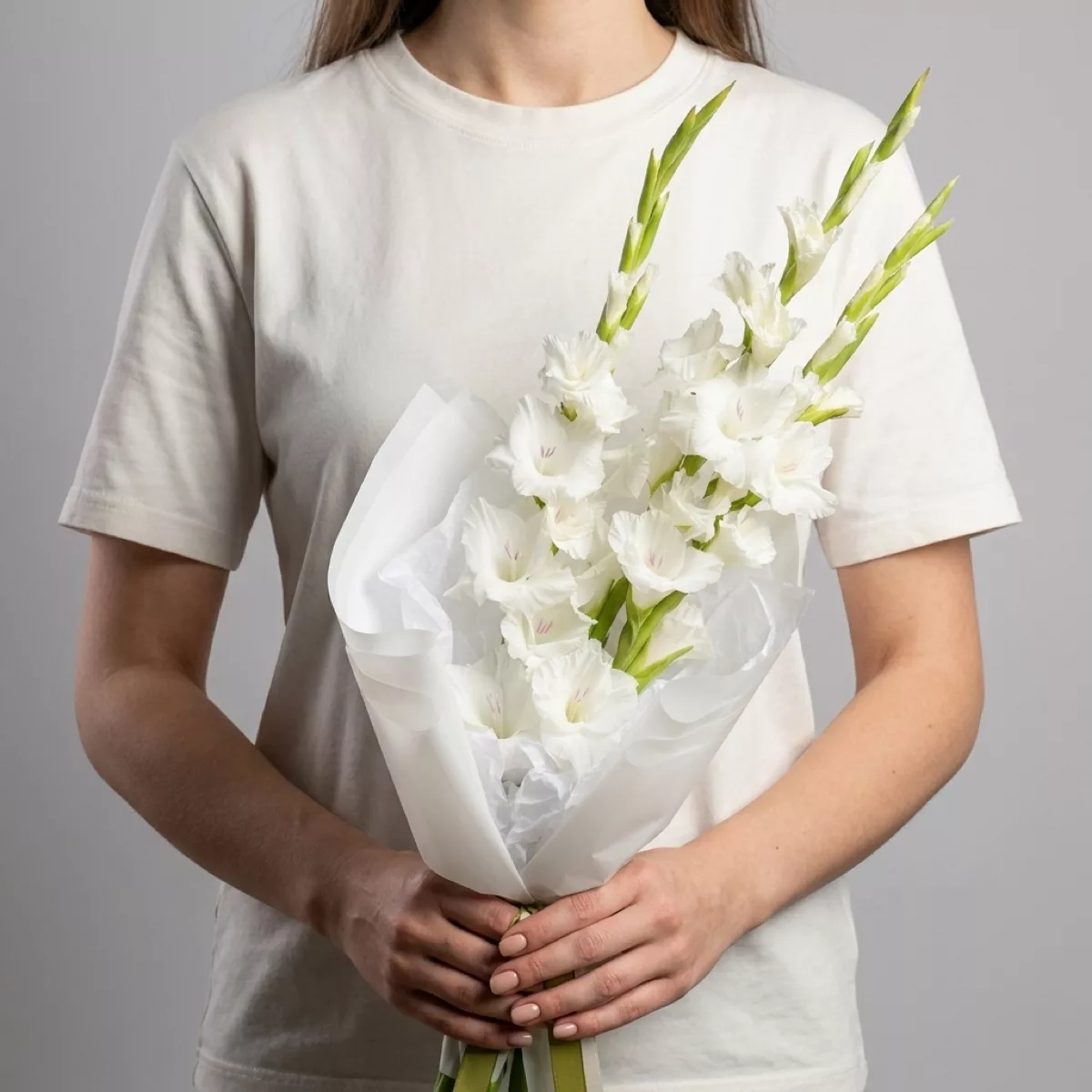
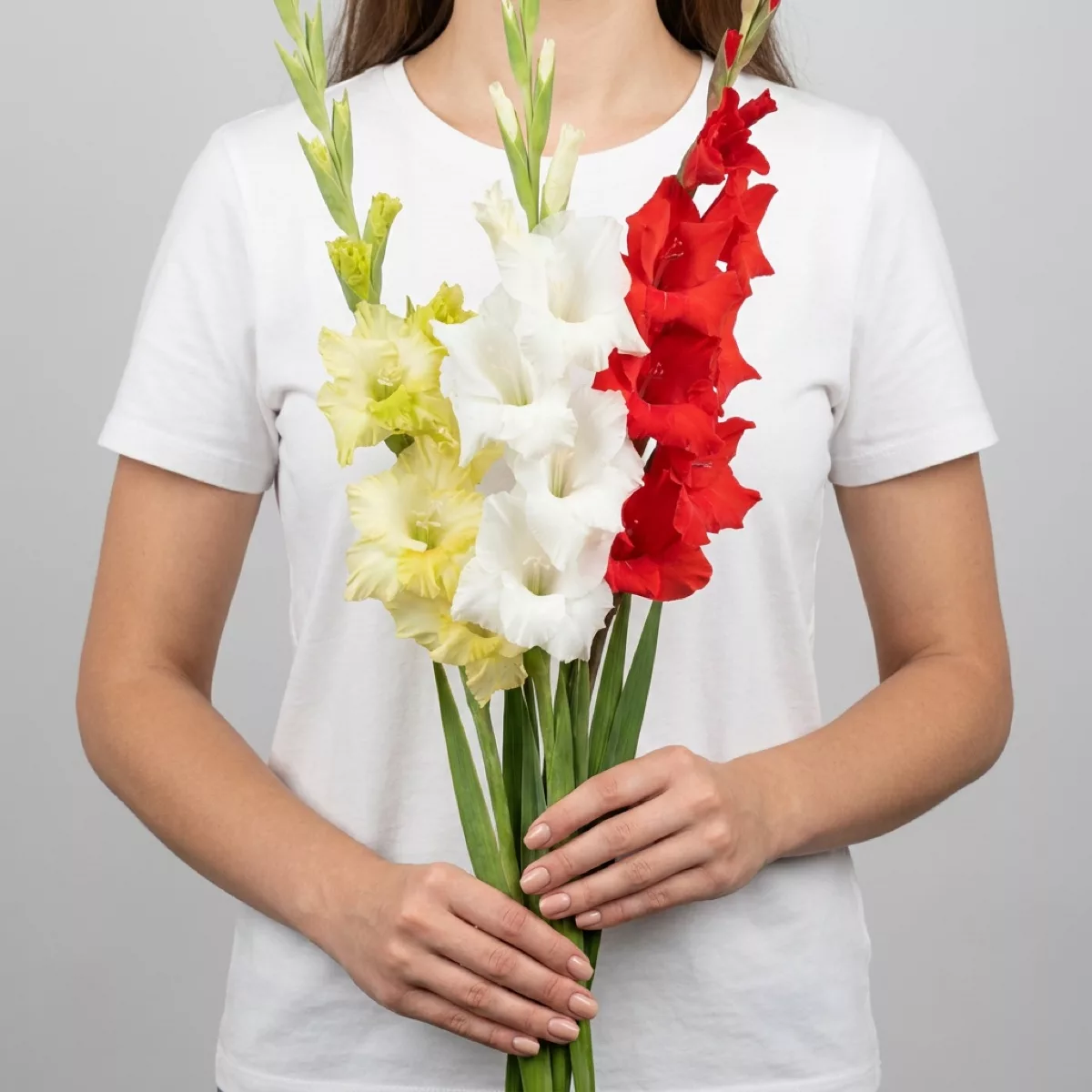
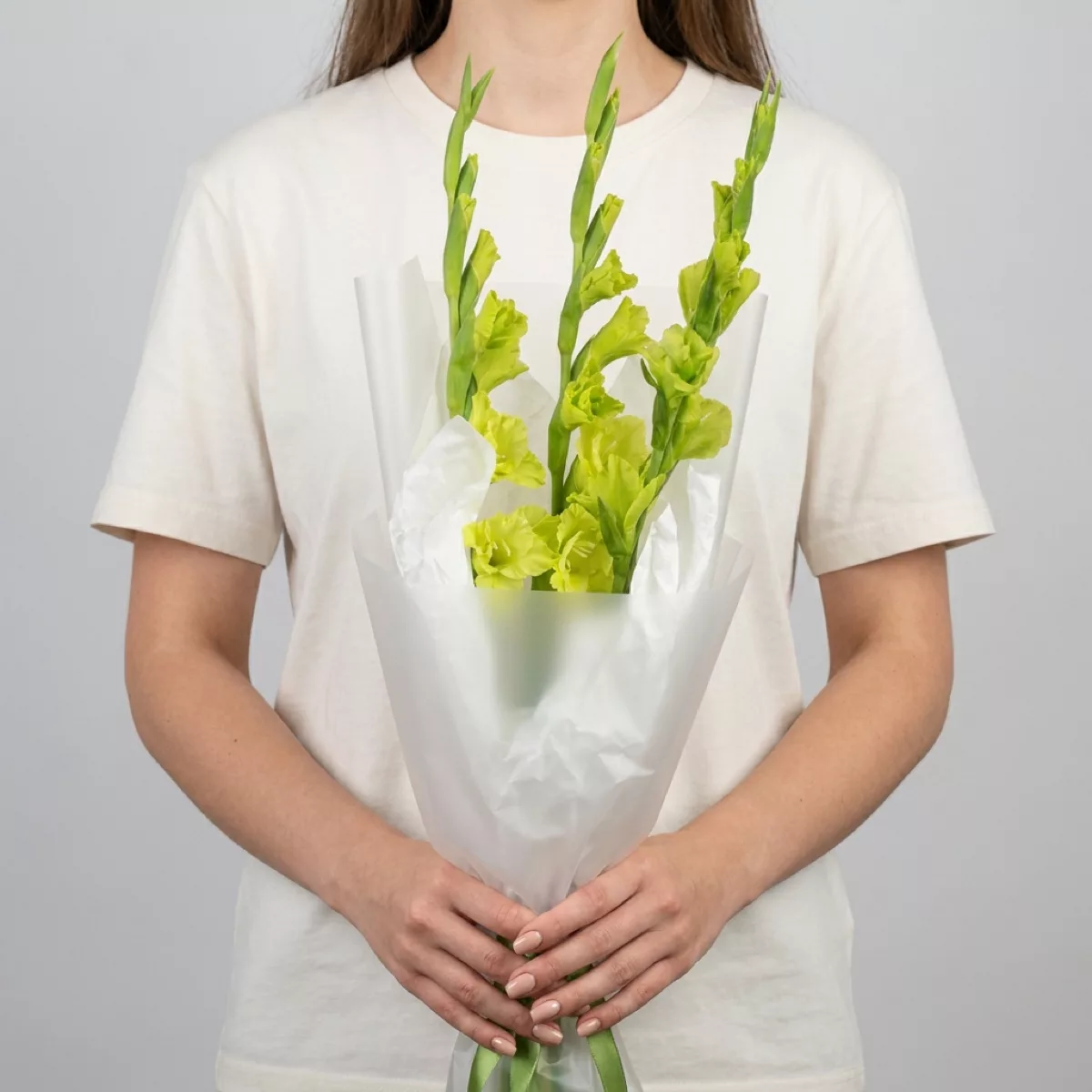
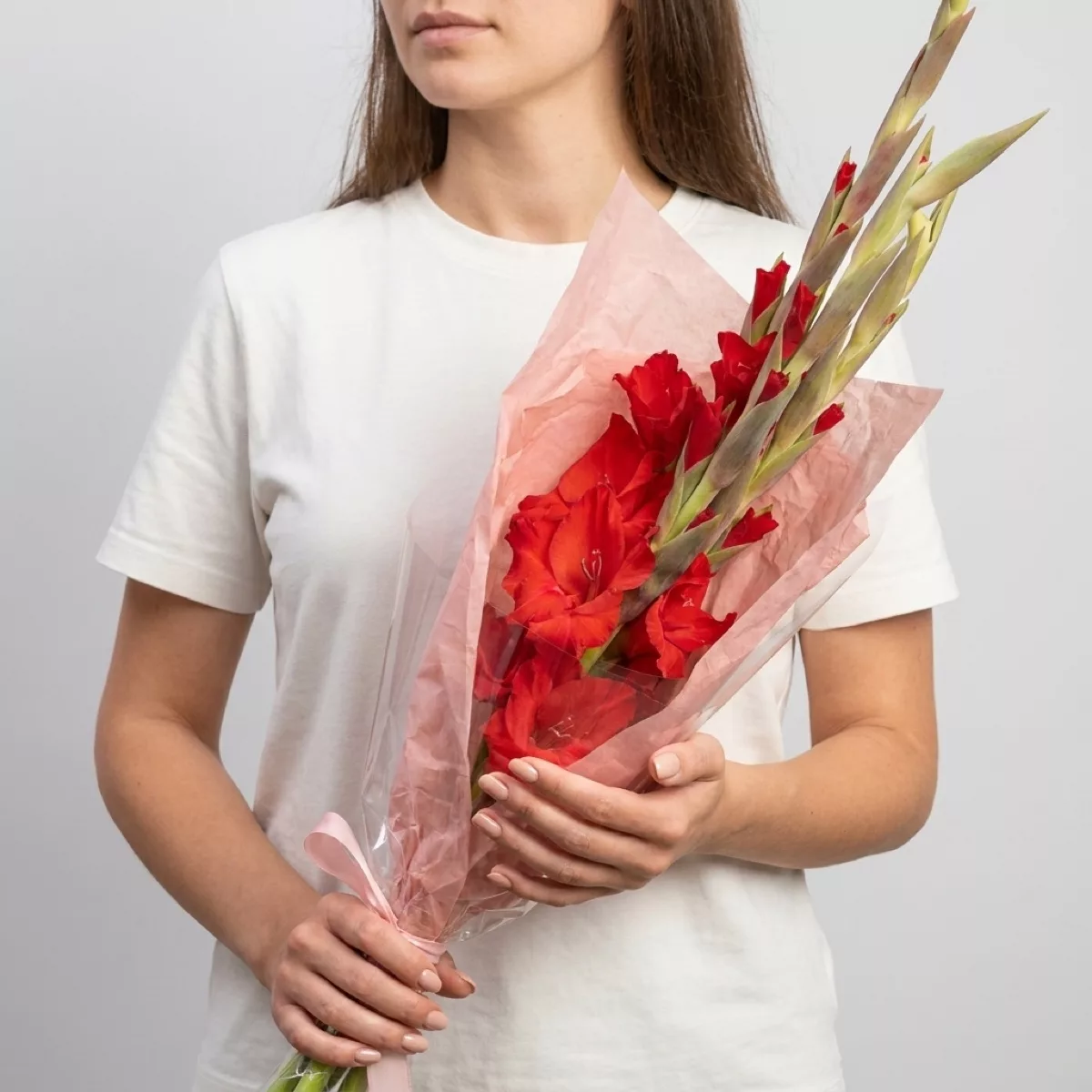
Bouquets we can deliver
Timing Your Order Across Time Zones
This is where most international senders make their first mistake. Moscow Standard Time is UTC+3, and it does not observe daylight saving. That means when it is 9 in the morning in London, it is already noon in Bronnitsy. When it is 8 in the morning on the US East Coast, it is 3 in the afternoon there. Flowers ordered late in the sender's day can easily arrive the following morning in Russia, which may be too late for the occasion.
The safest approach is to place your order the evening before the event, using your local time as a reference point and converting carefully. A birthday delivery for 11 a.m. in Bronnitsy needs to be ordered well before that window closes. If you want the recipient to receive flowers at the start of their day, factor in that the florist team needs time to select, cut, condition, and arrange the stems before a courier picks them up.
Same-day delivery to Bronnitsy is available, but it depends on when during the Russian day the order lands. Placing an order at 11 p.m. Moscow time and expecting a 10 a.m. delivery the same calendar day is not realistic. Placing it by early afternoon Moscow time for an early evening delivery is very achievable.
If the date is fixed and important — an anniversary, a name day, a graduation — schedule the order in advance. Most platforms allow you to select a preferred delivery date and a time window. Use that feature. It removes the time-zone calculation from the day itself and lets you focus on the message.
What Flowers Actually Suit the Occasion
Russian flower culture is generous and unapologetic. A single stem is rarely given; bouquets tend to be full and expressive. If you are ordering for a birthday, think in terms of volume and warmth. Garden roses in peach or coral tones, lisianthus in cream or violet, and ranunculus when in season create arrangements that feel abundant without being stiff or formal.
For a romantic gesture, red roses remain the clearest language in Russia — they are understood immediately and received with genuine emotion. A mixed bouquet of spray roses, freesia, and eucalyptus reads as thoughtful and modern. Avoid white flowers for celebrations; in Russian tradition, white arrangements carry associations with solemnity rather than festivity, so they are better reserved for specific contexts.
If the recipient is a woman receiving flowers from a partner or family member abroad, she will likely appreciate something that feels personal rather than corporate. Ask yourself what she usually wears, what her home looks like, whether she prefers bold colour or soft pastels. That instinct, translated into a bouquet, makes the gift feel chosen rather than ordered.
For professional occasions — a colleague's promotion, a business partner's milestone — structured arrangements with chrysanthemums, alstroemeria, and firm-stemmed roses in neutral tones communicate respect without overstepping. These hold their shape well during delivery, which matters when the recipient may not be home immediately and the bouquet waits at the door for a short time.
Seasonality also plays a role. In winter months, tulips and hyacinths arriving from a warm-country sender carry a particular charm. In summer, sunflowers and dahlias feel right and local.
How Russian Flower Customs Might Surprise You
If you did not grow up in Russia, a few local customs are worth knowing so the gesture lands exactly as you intend. The most important one is the odd-number rule. Bouquets given as gifts traditionally contain an odd number of stems — 3, 5, 7, 11, 25. Even numbers are associated with mourning and are left at memorials. When ordering, you do not need to count stems yourself; a professional florist builds this into every gift arrangement automatically. But it is good to understand why your bouquet arrives with, say, 11 roses rather than 10.
Name days, called imeniny in Russian, are celebrated with as much enthusiasm as birthdays in many families. If you know your recipient's name day is approaching, flowers are entirely appropriate and will be warmly received. These dates follow the Orthodox calendar and vary by name.
Russians also celebrate March 8, International Women's Day, with great intensity. It is one of the highest-volume flower days of the year, comparable to Valentine's Day in Western countries. If you are planning a delivery around that date, order several days in advance. The same applies to February 14, though it has become popular more recently and is celebrated especially among younger people.
It is also common in Russia to give flowers without a specific occasion — simply because someone is missed, or as a spontaneous expression of affection. If you are sending from abroad just to say you are thinking of someone, that is not unusual or excessive. It will be understood and appreciated exactly as you mean it.
Choosing by Budget Without Compromising the Feeling
Budget is a practical reality, and there is no shame in working within one. The key is understanding where the money goes and how to make every ruble count in the final impression.
At a modest budget, a tight mono-bouquet of spray roses or alstroemeria in a single colour delivers a clean, intentional look. These flowers are reliable, travel well, and last. They do not shout abundance, but they say something clear. Pair them with a single complementary green — ruscus or pittosporum — and the arrangement lifts immediately.
In the mid-range, you can introduce a hero flower. A bouquet built around garden roses, with lisianthus and wax flower as supporting elements, feels generous and considered. This is the tier where texture starts to matter. The contrast between a silky rose petal and a soft, papery lisianthus bloom is something the recipient notices without being able to name it, and it is what makes a bouquet feel like it was designed rather than assembled.
At a higher budget, volume and variety combine. Mixed arrangements with peonies in season, ranunculus, anemones, and complementary foliage create something genuinely striking. These are the bouquets that get photographed and placed in the centre of a table.
One practical note: do not try to stretch a small budget across too many flower types. A focused bouquet of one or two varieties, done well, always outperforms a crowded arrangement where every stem is fighting for attention. Restraint, counterintuitively, reads as generosity when the execution is right.
Keeping Flowers Fresh After Delivery in Bronnitsy
Your involvement does not fully end when the bouquet is delivered. A short note with care instructions — either included in the card message or sent separately — can double the life of the arrangement and extend the feeling of your gift.
The most important step is the first one: the recipient should trim the stems at a 45-degree angle as soon as the flowers arrive, cutting about two centimetres from the bottom. This reopens the vascular tissue that closes during transit and allows the flower to drink properly. Scissors work, but a sharp knife is better. The diagonal cut increases the surface area for water uptake.
Fresh, cool water changed every two days keeps bacteria from building up in the vase. The vase itself should be clean. Flowers placed in a vase that held a previous arrangement without being washed will deteriorate faster regardless of how fresh they are. Tap water in most Russian towns is fine; no special treatment is needed.
Keep the arrangement away from direct sunlight, heating radiators, and fruit bowls. Ripening fruit releases ethylene gas, which accelerates petal drop in roses and tulips especially. In Bronnitsy winters, radiators are on and working hard — a spot on a cool windowsill or a shelf away from the heat source is ideal.
Most fresh roses and lisianthus will last seven to ten days with proper care. Tulips are shorter-lived but intensely beautiful for four to five days. Chrysanthemums and alstroemeria are the endurance runners of the flower world, often lasting two weeks or more. If you want the gift to stay visible in the recipient's home for as long as possible, those are practical choices.
Writing the Card Message When You Are Far Away
The card is the part of the delivery that carries your voice, and it deserves as much thought as the flowers themselves. When you are sending from abroad, the distance is part of the story — do not hide it. Acknowledging that you are far away but thinking of them adds emotional weight that a generic greeting cannot match.
Keep the message warm and direct. Russian recipients appreciate sincerity over elaborate phrasing. You do not need to write a poem. A few sentences that name the occasion, say what you feel, and perhaps reference something specific to your relationship will land better than a long, formal text.
If you are writing in English and your recipient reads it, that is perfectly fine. Many people in Russia, especially those with family or friends abroad, read English comfortably. If you would like the message in Russian and you are not a speaker, consider writing it in English and asking the florist team to translate, or use a careful translation tool and review it before submitting. Small errors in machine translation are usually understood and forgiven, but it is worth a second look.
Avoid clichés that feel copied from a greeting card. Phrases like 'wishing you all the best' or 'with warmest regards' are polite but thin. Instead, say something true: that you thought of them when you saw a particular flower, that you wish you could be there, that this bouquet is a stand-in for a hug. That kind of specificity is what makes a card worth keeping.
If the occasion is a birthday, name the years if you know them. If it is an anniversary, name the number. Specificity is warmth in written form.
Sending flowers to Bronnitsy from abroad is less complicated than it sounds, and the effort is entirely worth it. The person who opens their door to a fresh bouquet — arranged with care, delivered on time, chosen with thought — feels something real. That feeling travels farther than any international flight. Get the timing right, lean into the occasion, pick flowers that suit the person rather than the occasion alone, and write something honest on the card. The rest takes care of itself.
Frequently asked questions
Can I order flowers for Bronnitsy delivery if I do not speak Russian?
Yes, entirely. The ordering process can be completed in English, and the delivery address simply needs to be accurate and complete in Russian transliteration or Cyrillic. Including a working Russian mobile number for the recipient is the most important detail — it allows the courier to coordinate arrival without any language barrier on the sender's side.
How far in advance should I place an international order for a specific date?
For fixed dates like birthdays or anniversaries, placing the order one to two days ahead is ideal. This removes time-zone pressure entirely and lets you select a preferred delivery window. Same-day delivery is available when the order arrives early enough in the Moscow time zone, but advance scheduling is always the safer and more relaxed choice for senders abroad.
Why do Russian bouquets always have an odd number of flowers?
Odd numbers are a long-standing tradition in Russian gift-giving culture. Even-numbered arrangements are associated with mourning and are placed at graves or memorials rather than given as celebratory gifts. Every bouquet assembled by Turboflora for a gift occasion follows this convention automatically, so you do not need to specify it when ordering.
What happens if the recipient is not home when the flowers are delivered?
The courier will call the recipient's mobile number before arriving. If there is no answer, the team will attempt to coordinate a revised time or leave the bouquet with a neighbour or building concierge if the recipient has agreed to that. This is why providing a working Russian mobile number for the recipient is strongly recommended when placing your order from abroad.
Are there flower types that travel especially well to a town like Bronnitsy in cold weather?
Roses, chrysanthemums, alstroemeria, and lisianthus are all robust in cold temperatures and handle transit well. Tulips and hyacinths are actually at their best in winter and arrive looking vivid. Tropical flowers like strelitzia can be sensitive to temperature drops, so in the coldest months — December through February — it is worth sticking to varieties that are naturally cold-tolerant.
Ready to send flowers?
Pick the city, choose the bouquet, and a local florist takes it from there.
Choose a city →