Sending Flowers to Buinsk from Abroad? Here Is Everything That Matters
Buinsk is a quiet city in Tatarstan, and getting flowers there from London, Berlin, New York or Dubai feels like a leap of faith when you are sitting thousands of kilometres away. You cannot walk into a shop, you cannot check the bouquet before it leaves, and you are working across time zones while trying to make someone feel genuinely seen. That gap between intention and delivery is exactly what this article closes — with real information about timing, seasonal flowers, Russian gifting customs and what keeps a bouquet alive after the courier hands it over.
Why Buinsk Is Worth Getting Right
Buinsk sits on the Sviyaga River in the Republic of Tatarstan, roughly 130 kilometres south of Kazan. It is a small city with a close-knit feel, which means a flower delivery is a visible, talked-about gesture — neighbours notice, colleagues comment, family members ask where the bouquet came from. That social warmth is actually a reason to invest more thought into what you send, not less.
The city has a mixed Russian and Tatar cultural identity, and both traditions treat flowers as a meaningful gift rather than a throwaway one. In Russian custom, odd numbers of stems are for celebrations and even numbers are reserved for mourning — so a bouquet of eleven roses or seven tulips is always the right instinct for a birthday, anniversary or simple gesture of affection. Tatar hospitality culture places high value on beauty and generosity, so a full, lush arrangement reads better than a sparse one.
For a sender abroad, the key insight is this: the person receiving the flowers in Buinsk will not measure them against what is available in Moscow or Saint Petersburg. They will measure them against how the moment feels when the door opens. A thoughtfully chosen, freshly cut bouquet delivered on time will land with real emotional weight. The city's size works in your favour — deliveries stand out here in a way they might not in a metropolis.
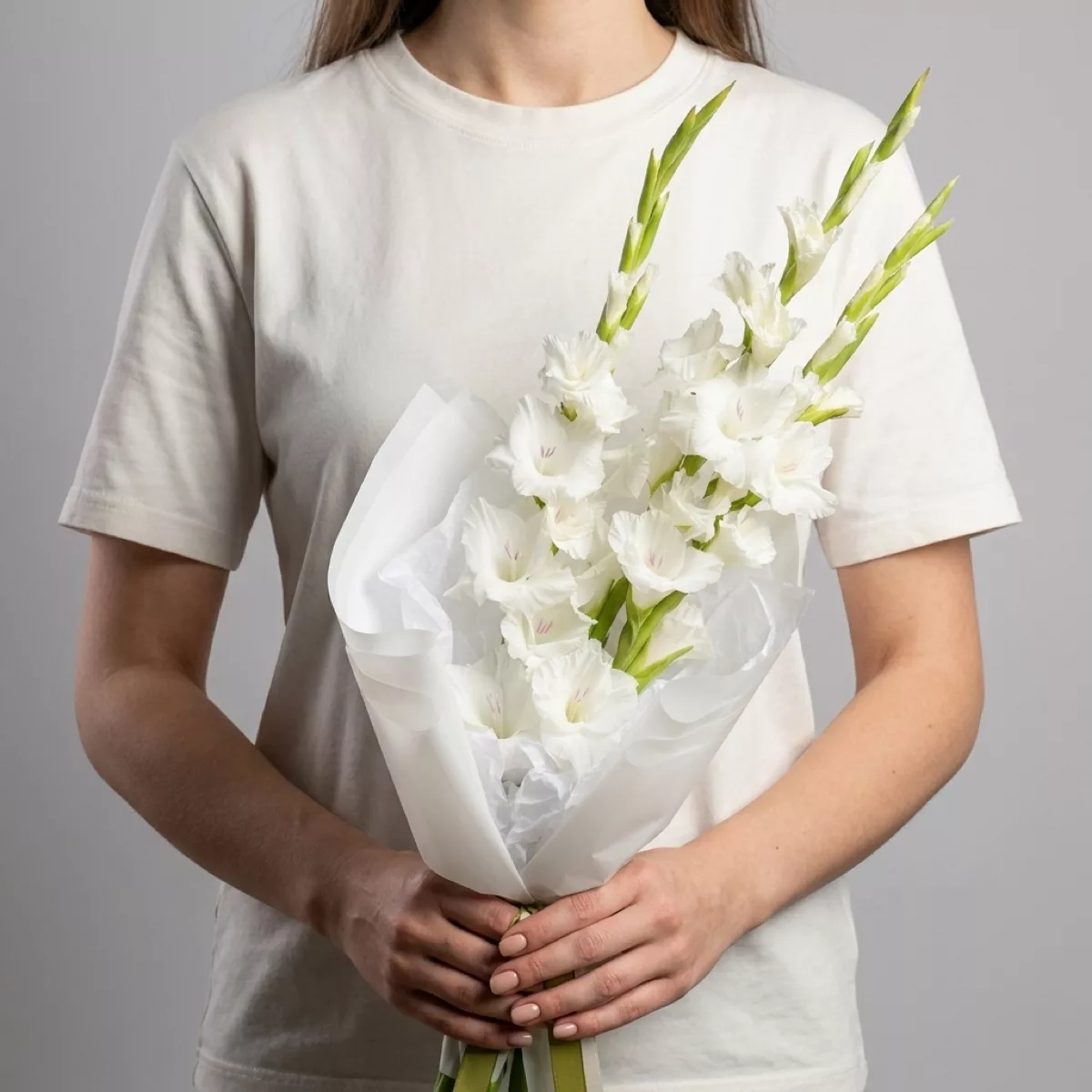
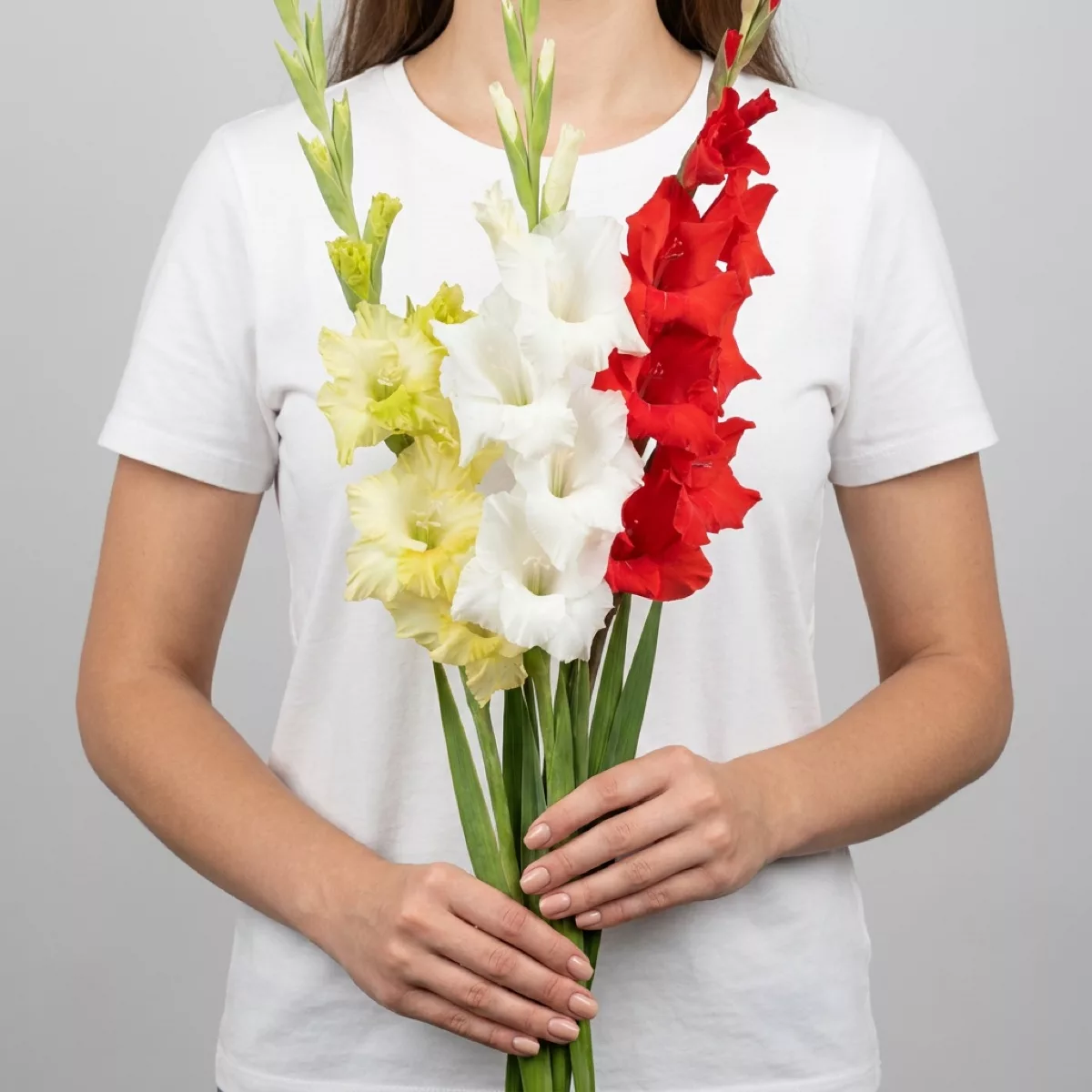
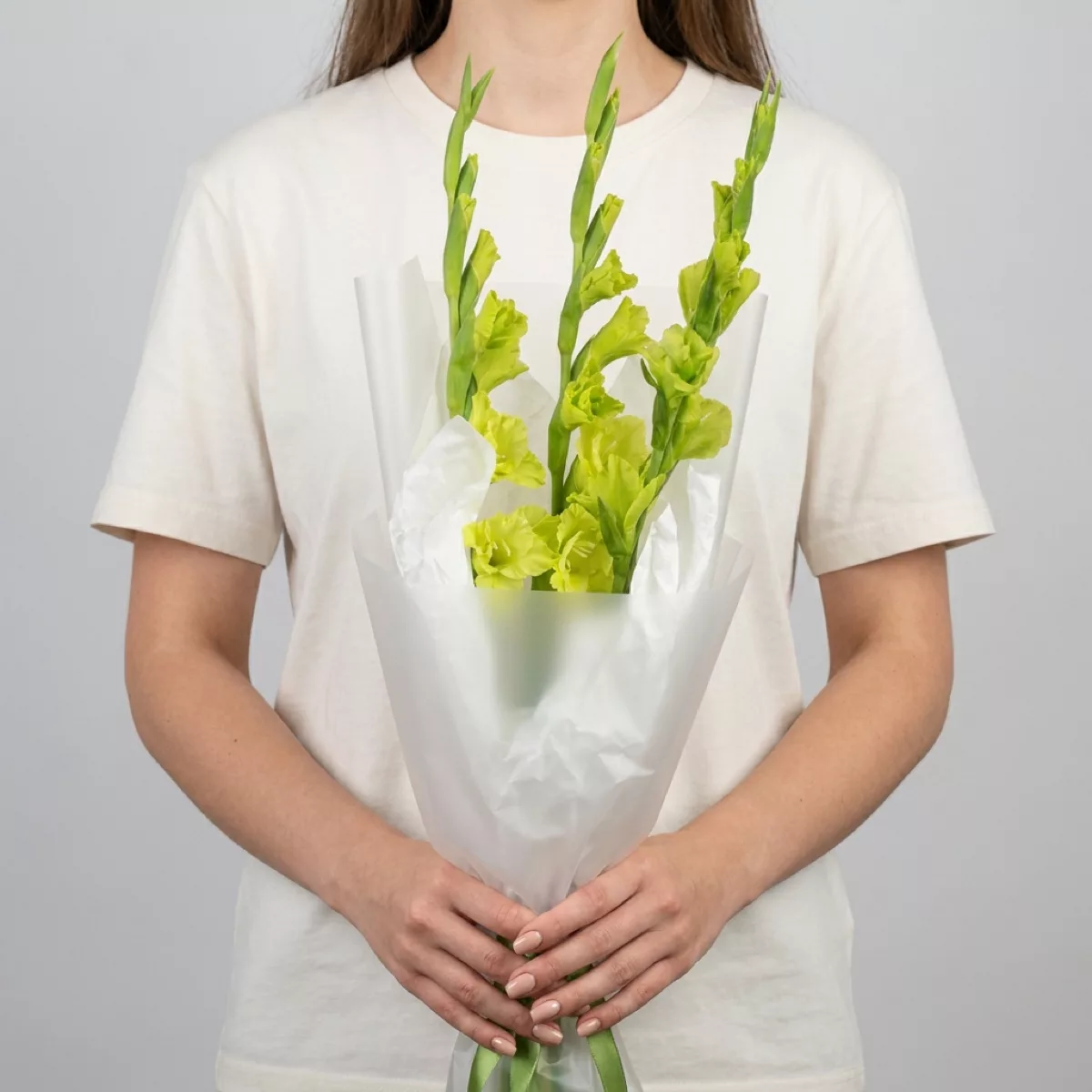
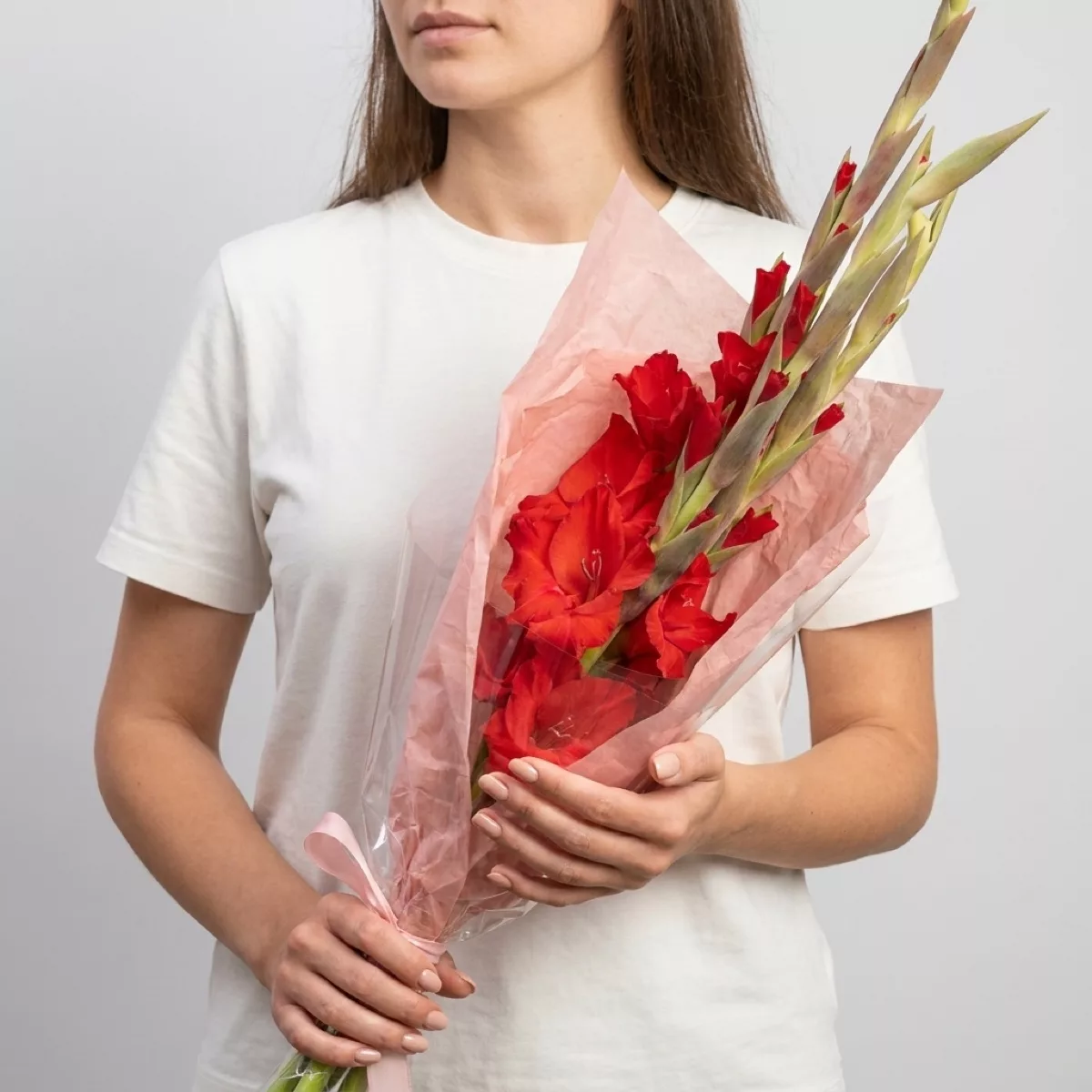
Bouquets we can deliver
Choosing the Right Moment: Timing Across Time Zones
Buinsk operates on Moscow Time, which is UTC plus three hours. If you are ordering from Western Europe, that is a two-hour gap in summer and three in winter. From the East Coast of the United States, you are looking at eight or nine hours behind Buinsk. From the Gulf states, you are roughly one hour behind. These differences matter because flowers ordered late in your evening may not be processed until the following morning in Russia, pushing delivery into the next day.
Turboflora delivers across Russia within one to two hours of order confirmation, but that clock starts when the order is placed and confirmed — not when you first think about it. For important dates like birthdays or anniversaries, placing the order the evening before your local time is a reliable buffer. For same-day delivery, aim to order before noon Buinsk time to give the widest possible window.
Seasonal timing also affects the flowers themselves. Buinsk winters are genuinely cold, with temperatures regularly dropping below minus fifteen Celsius between December and February. Cold snaps affect transit even over short distances, and delicate open blooms like garden roses or hydrangeas are more vulnerable than tighter buds. In summer, the city can reach thirty degrees Celsius, which shortens vase life if the recipient is not home to receive the bouquet promptly. Communicating the delivery time to your recipient — even loosely — helps enormously. A quick message saying flowers are coming in the afternoon means they will be home or ask a neighbour to take them in.
Reading the Occasion: Who Is Receiving and What Will They Feel
Before you think about flowers, think about the person. A grandmother in Buinsk celebrating her seventieth birthday will respond differently to a bouquet than a young colleague marking a promotion or a partner receiving a surprise on an ordinary Tuesday. The flowers should start from that feeling, not from a price point.
For older recipients, classic varieties carry the most resonance. Chrysanthemums are deeply associated with warmth and longevity in Russian culture and remain genuinely popular — not dated, as some senders from Western countries assume. Carnations in soft pinks and whites are equally well-regarded. Roses in red or cream feel timeless and appropriate for almost any celebratory occasion. These are not compromise choices; they are the flowers that have earned their place through generations of gifting.
For younger recipients, more contemporary combinations work well: spray roses mixed with eucalyptus, ranunculus in peach or coral tones, or a garden-style bouquet that mixes textures rather than presenting a single uniform variety. These arrangements photograph beautifully, which matters when the recipient will share the moment on social media or in a family group chat.
For romantic occasions, depth of colour and richness of fragrance matter most. Deep red or burgundy roses, fragrant freesias and lisianthus in violet or white create a bouquet that feels genuinely special rather than functional. Always lean toward more stems rather than fewer — in Russian gifting culture, abundance signals sincerity, and a generous bouquet communicates that the sender thought carefully and spent real attention on the moment.
Seasonal Flowers That Actually Travel Well to Buinsk
Not every flower handles the journey to a smaller Russian city equally well, and the season you are ordering in makes a real difference to what arrives looking its best.
In winter, from November through February, tulips are one of the most reliable choices. They travel as tight buds, open gradually in a warm room, and their stems are sturdy enough to handle cold transit without damage. Alstroemeria is another dependable winter option — long-lasting, available in a wide colour range, and forgiving of temperature fluctuations. Roses are available year-round but in winter choose varieties with tighter buds rather than fully open garden-style blooms.
Spring, from March through May, is peak tulip season in Russia and the streets of even small cities fill with them around International Women's Day on the eighth of March — one of the biggest flower-giving occasions in the Russian calendar. If you are sending around that date, order well in advance. Daffodils and hyacinths also perform well in spring and carry a freshness that feels exactly right for the season.
Summer brings peonies, which are enormously popular in Russia and genuinely difficult to source at other times of year. A peony bouquet sent in June or July will be received as something seasonal and special. Sunflowers also travel well in summer heat and have a cheerful, generous quality that works for a wide range of occasions.
Autumn suits chrysanthemums, dahlias and eustoma. These are all robust varieties that hold their shape well and last longer in a vase than many summer flowers, which matters when the recipient may not have immediate access to fresh water and a proper vase.
How to Write a Card That Lands Well Across Cultures
The card message is the part of a flower delivery that senders from abroad most often underestimate. In Russia, a handwritten or printed card is expected and its absence is noticed. A bouquet that arrives without any accompanying message can feel anonymous, even if the flowers themselves are beautiful.
You do not need to write in Russian — a message in English from someone abroad will be understood and appreciated as authentic. What matters more than language is warmth and specificity. Avoid generic phrases like "thinking of you" or "best wishes" in isolation. Instead, name the occasion, name something specific about the person, or reference a shared memory. "Happy birthday — I still think about the summer we spent in Istanbul" will mean far more than "Happy birthday, hope you enjoy these."
If you want to include a phrase in Russian, a few simple ones translate well and are always appreciated. "S dnyom rozhdeniya" means happy birthday. "S lyubovyu" means with love. "Ot vsego serdtsa" means from the whole heart. These do not need to be perfect — a small effort in the recipient's language is read as care, not as showing off.
Keep the tone warm rather than formal. Russian communication between people who care about each other tends to be direct and emotionally open — there is no cultural awkwardness about saying "I miss you" or "you mean a great deal to me" on a card. Senders from more reserved cultural backgrounds sometimes water down their messages out of habit. In this context, saying what you actually feel is always the right instinct.
Vase Life and Care: Setting the Recipient Up for Success
A beautiful bouquet deserves to last, and a few simple steps make a significant difference to how long the flowers stay fresh. As the sender, you can include care instructions on the card or in a separate note — this is a thoughtful touch that many recipients genuinely appreciate, especially if they do not regularly receive cut flowers.
The most important step is a clean, diagonal cut on each stem — about two centimetres from the base — using a sharp knife rather than scissors, which can crush the stem tissue and block water uptake. This should be done as soon as the bouquet arrives, ideally under running water. The stems should go immediately into a clean vase filled with cool, fresh water.
Leaves below the waterline should be removed entirely. Submerged leaves decompose quickly and cloud the water with bacteria that shorten the life of every stem in the vase. Changing the water every two days and re-cutting the stems slightly each time can extend vase life by several days.
Placement in the home matters more than most people realise. Flowers last significantly longer away from direct sunlight, heat sources like radiators, and fruit bowls — ripening fruit releases ethylene gas, which accelerates petal drop. In Buinsk's cold winters, a cool room is actually ideal for flowers; in summer heat, keeping them away from windows becomes more important.
Tulips continue to grow after cutting and will lean toward light sources, which some people find charming and others find untidy. Placing them in a cool, evenly lit spot keeps them more upright. Roses benefit from a small amount of flower food if it is included with the bouquet, dissolved in the vase water from the start.
What Can Go Wrong and How to Avoid It
Sending flowers internationally involves a small number of recurring mistakes that are easy to avoid once you know about them. The most common is ordering too late. Even with fast delivery, time zones mean that what feels like a same-day order to you is already tomorrow in Buinsk. Build in a buffer of at least several hours, and for major occasions — birthdays, anniversaries, Women's Day on the eighth of March — order the day before.
The second common mistake is choosing flowers based on what you would want to receive rather than what the recipient will recognise and love. Exotic tropical varieties like anthuriums or birds of paradise are available but they can feel unfamiliar and even slightly cold to recipients in smaller Russian cities where classic varieties carry more emotional warmth. When in doubt, a generous bouquet of roses or a mixed seasonal arrangement will always read as thoughtful.
A third mistake is leaving the delivery address incomplete. Russian addresses follow a specific format: street, building number, apartment number, entrance number if relevant, and floor. In a city like Buinsk where buildings may have multiple entrances, a missing entrance number can delay delivery significantly. Double-check the address with your recipient before ordering, or ask them to confirm it in a message — framing it as a surprise is easy enough without revealing exactly what is coming.
Finally, do not forget to confirm a contact phone number for the recipient. Russian couriers typically call ahead to confirm they are approaching — this is standard practice and not a sign of any problem. A recipient who is reachable by phone will always receive their flowers more smoothly than one who is not.
Sending flowers to Buinsk from another country is a gesture that carries real weight — precisely because the distance makes it deliberate. There is no casual walk past a shop, no spontaneous impulse buy. Every flower that arrives at a door in Buinsk from abroad represents a decision someone made to reach across thousands of kilometres and say something meaningful. Getting the timing right, choosing varieties that suit the season and the person, writing a card that says what you actually feel — these are the details that turn a delivery into a memory. Turboflora handles the logistics so that your attention can stay where it belongs: on the person opening the door.
Frequently asked questions
Can I order flowers for Buinsk if I do not speak Russian?
Yes, entirely. The ordering process at Turboflora is available in English, and your card message can be written in any language you choose. The recipient's address does need to be in Russian format — if you are unsure, ask your recipient to send it to you in a message beforehand, which is easy to do without spoiling the surprise.
What is the best flower to send for a birthday in Buinsk?
Roses remain the most universally appreciated choice for birthdays across Russia, and a bouquet of an odd number — eleven, fifteen or nineteen stems — signals celebration clearly. If the recipient is younger or you want something more seasonal, tulips in spring or peonies in early summer are excellent alternatives that feel generous and thoughtful without being predictable.
How far in advance should I order from a different time zone?
As a general rule, place your order at least three to four hours before you want delivery to happen in Buinsk time, and account for the time zone difference. For significant occasions like birthdays or anniversaries, ordering the evening before your local time gives the most reliable buffer and removes the stress of watching the clock on the day itself.
Will flowers survive delivery in Buinsk's winter temperatures?
Yes, with the right variety choices. Tulips, alstroemeria and carnations all handle cold transit well because they travel as tight buds and are naturally resilient. Fully open garden roses or hydrangeas are more vulnerable to frost damage. Turboflora's couriers use appropriate packaging for cold weather, but choosing hardier varieties in winter is always a sensible extra precaution.
Is it appropriate to send flowers for occasions other than birthdays?
Absolutely. In Russian culture, flowers are given for a wide range of positive occasions — promotions, graduations, new homes, the birth of a child, expressions of gratitude, and simply as a gesture of affection between friends or family members. The eighth of March, International Women's Day, is one of the largest flower-giving occasions of the year and flowers are entirely expected on that date.
Ready to send flowers?
Pick the city, choose the bouquet, and a local florist takes it from there.
Choose a city →