Sending Flowers to Chaplygin from Abroad? Here Is Everything That Matters
You are sitting in Berlin, Toronto or Dubai, and someone you love is in Chaplygin — a quiet city in Lipetsk Oblast where a beautiful arrangement arriving at the door means everything precisely because it came from so far away. The distance makes the gesture bigger, but it also raises real questions: Will the flowers arrive fresh? Does the recipient need to be home? What do Russians actually like to receive? This article answers all of that plainly, so you can order with confidence and your person in Chaplygin gets something genuinely lovely.
Why Chaplygin Is Worth Sending To — and What Makes It Different
Chaplygin is a small city with around 12,000 residents, sitting in the agricultural heartland of Lipetsk Oblast. It is not a metropolitan hub, which means a flower delivery arriving there feels special in a way that is harder to achieve in Moscow or Saint Petersburg. People notice it. Neighbours notice it. The recipient will almost certainly tell someone about it.
Because Chaplygin is not a large city, deliveries require a florist with genuine reach into the Lipetsk region rather than one that only covers major centres. Turboflora operates across Russia, including cities of this scale, so distance from the capital is not a barrier to a same-day or next-day arrangement.
The local climate matters too. Lipetsk Oblast experiences cold winters that can drop well below minus fifteen Celsius and warm, dry summers. Both extremes affect how flowers travel. In winter, roses and tulips need insulated packaging to survive even a short outdoor journey from the courier's vehicle to the front door. In summer, heat accelerates wilting, so arrangements should be kept out of direct sunlight immediately upon arrival.
Understanding the city's character helps you choose the right bouquet. Chaplygin is not a place where an extravagant, architectural avant-garde arrangement is the obvious choice. Generous, warm compositions — full garden roses, lisianthus, seasonal greenery — tend to land better than stark minimalist designs. Think abundance and colour rather than sculptural restraint.
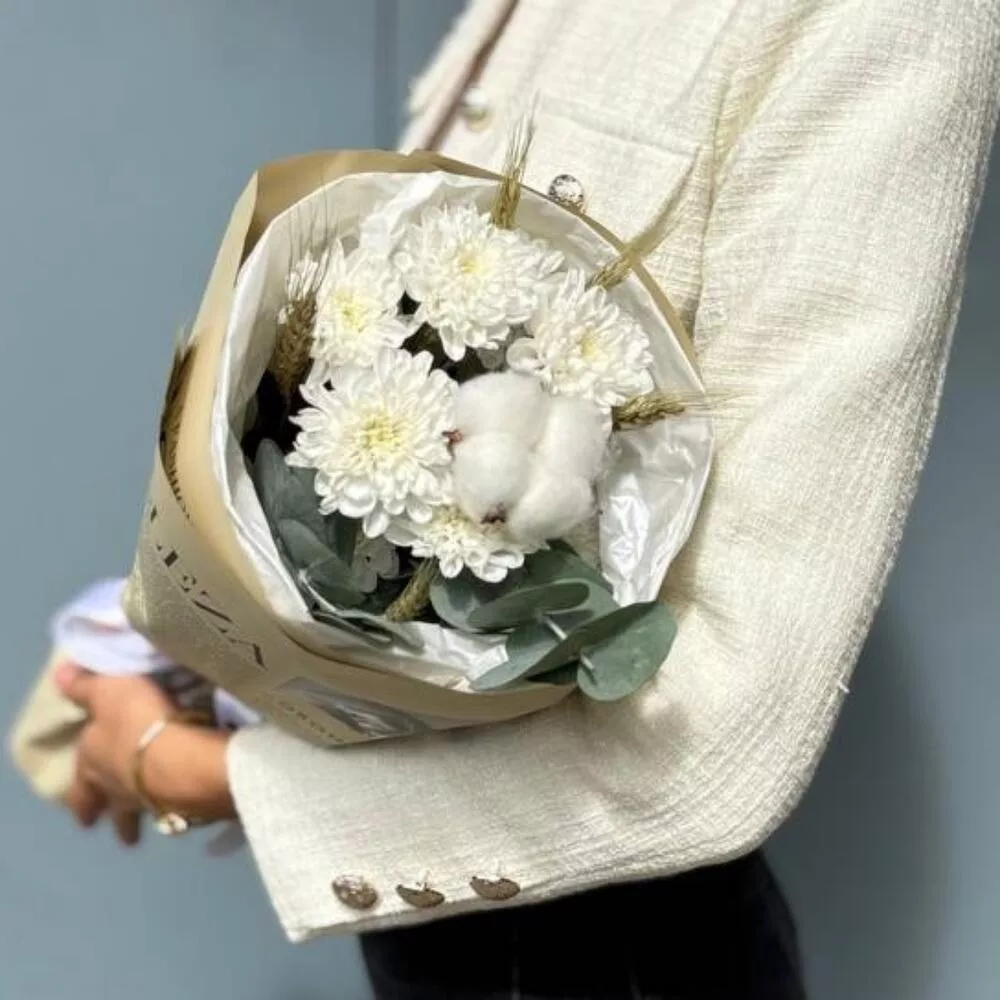
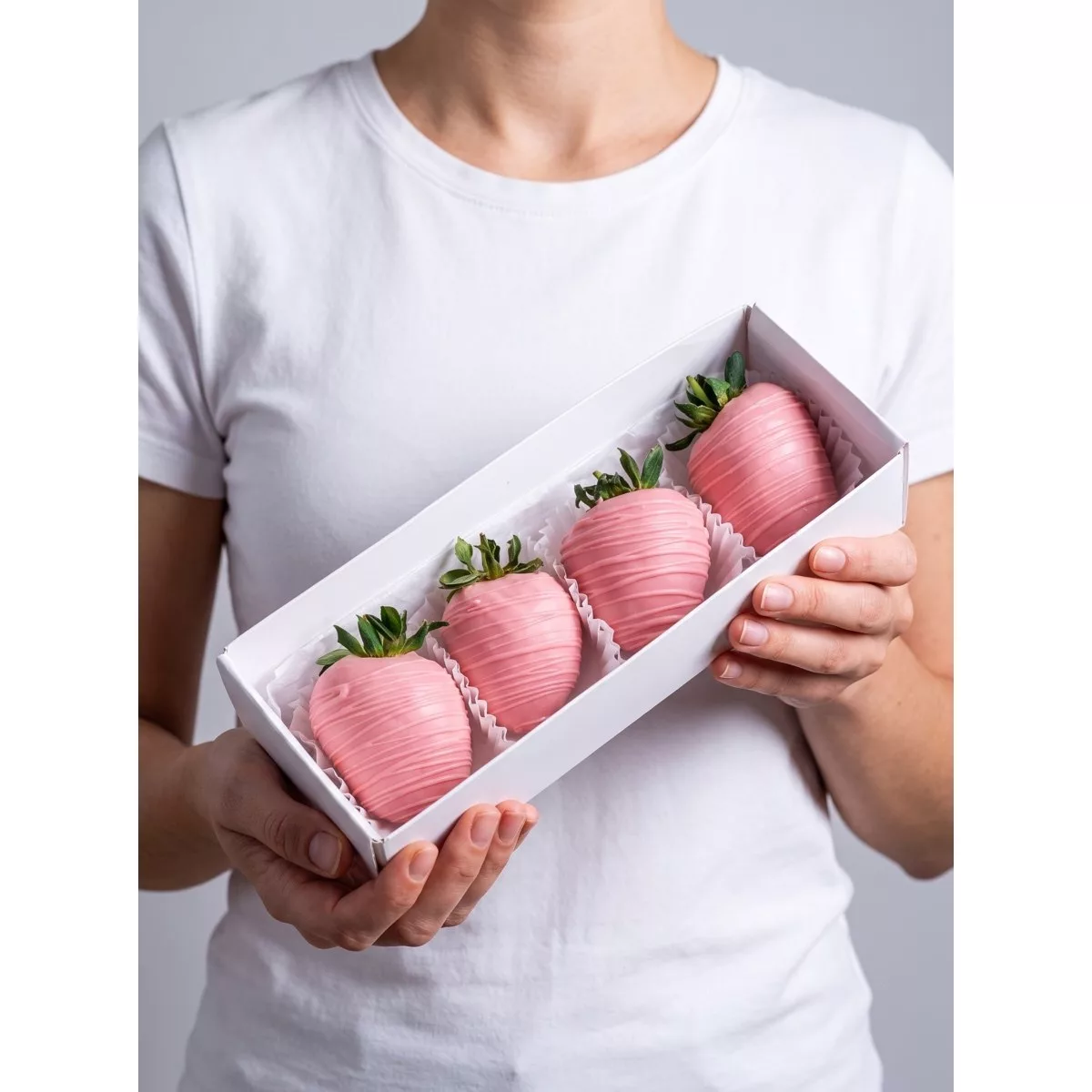
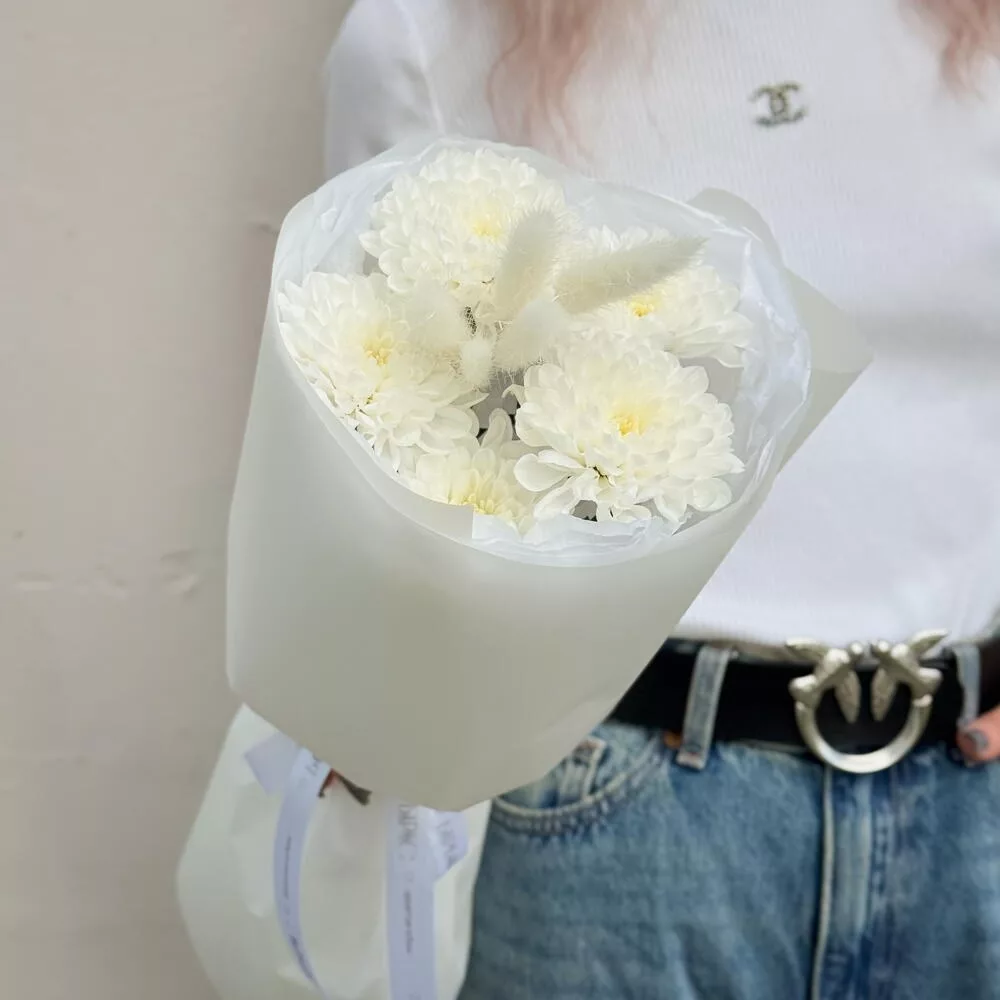
Bouquets we can deliver

Choosing the Right Moment: Timing Your Order Across Time Zones
Time zones are the first practical challenge for anyone ordering from abroad. Chaplygin runs on Moscow Standard Time, which is UTC plus three. If you are in New York, that is eight hours ahead of Eastern Time. London sits two hours behind Moscow in winter and three in summer. Dubai is only one hour behind Moscow, making Gulf-based senders the most comfortable with timing.
Turboflora's delivery window for Chaplygin works within Russian business hours and the logistics network that covers the Lipetsk region. The safest approach from abroad is to place your order at least twenty-four hours before you want the flowers to arrive. This gives the team time to prepare a fresh arrangement and coordinate the delivery route without rushing.
For milestone moments — a birthday, an anniversary, graduation — plan forty-eight hours ahead if you can. This is especially important around major Russian holidays: International Women's Day on the eighth of March, Valentine's Day, and New Year's Eve all create very high demand. Florists across the country sell out of the most popular varieties during these windows, and delivery slots fill quickly.
If you need same-day delivery, it is possible, but place the order early in the Moscow morning. Ordering at midday Moscow time for a same-day delivery in Chaplygin is achievable; ordering at seven in the evening and expecting a delivery before nine is not realistic. Being clear about the desired delivery window in your order notes removes ambiguity and helps the team meet your expectations.
What Russians Actually Give — Customs an International Sender Should Know
Russian gifting culture around flowers has a few conventions that are genuinely useful to know before you choose your bouquet. The most widely observed one is the odd-number rule: bouquets are given in odd numbers — one, three, five, seven, eleven — because even numbers are traditionally associated with mourning. Most professional florists already follow this automatically, but it is worth knowing so you are not surprised if your arrangement of ten stems becomes eleven.
Colour carries meaning too, though it is less rigid than the number rule. Red roses are firmly romantic and are a confident choice for a partner. Pink roses or peonies are warmer and more versatile — appropriate for a mother, a close friend, or a colleague you want to honour. White flowers are elegant and work well for formal occasions or when you want to convey sincere respect. Yellow flowers were once considered unlucky in Soviet-era folklore, but younger generations largely ignore this, and a bright sunflower arrangement is now a cheerful, accepted gift.
Russians tend to appreciate generous bouquets. A single stem is sometimes given as a charming, intimate gesture, but the cultural default leans toward fullness. If you are celebrating something significant — a promotion, a new baby, a major birthday — err on the side of more rather than less.
Wrapping and presentation matter enormously. A well-dressed bouquet in craft paper or a ribbon-tied box signals care and intention. If you are ordering from abroad, mention the occasion in your order notes so the florist can match the presentation to the moment.
Picking Flowers for the Person, Not Just the Occasion
The best bouquet starts with the recipient, not a generic category. Think about what they actually like: do they have a garden? Do they mention certain colours? Do they lean toward the classic or the unusual? These small details matter more than any rule about what is appropriate for a birthday versus an anniversary.
For someone who loves romance and classic beauty, garden roses in deep red, blush, or cream are always right. Choose full-headed varieties with a strong scent if you can specify — David Austin-style roses carry fragrance that a standard commercial rose often does not. Pair them with eucalyptus or soft ruscus for a composition that feels both lush and structured.
For a mother, grandmother, or close female friend, peonies are perhaps the most beloved flower in Russia when they are in season, roughly from late May through July. Outside that window, lisianthus offers a similar soft, ruffled quality and lasts exceptionally well in a vase — often ten days or more with proper care. Alstroemeria is another durable, colourful choice that holds up well during transit.
For a younger recipient or someone with a creative personality, try a mixed wildflower-style arrangement: ranunculus, anemones, sweet peas when in season, and textural greens like bupleurum or pittosporum. These feel less formal and more personal than a classic rose bouquet.
For a male recipient — a father, a brother, a colleague — anthuriums, tropical leaves, or a structured arrangement with bird of paradise and strong greenery reads as deliberate and considered rather than an afterthought.
Seasonal Availability and What Changes Through the Year
Flowers are seasonal, and understanding what is genuinely available in each part of the year helps you set realistic expectations and make better choices. Russia imports a large volume of cut flowers, primarily from Ecuador, the Netherlands and Kenya, so the selection is broader than purely domestic growing would allow. Even so, some varieties are only worth ordering at certain times.
In winter, from December through February, the most reliable choices are roses, chrysanthemums, carnations, and orchids — all of which travel well in cold conditions and are consistently available. Tulips begin appearing in good quality from January onward and peak around International Women's Day in March, when they are everywhere and genuinely fresh.
Spring brings the widest variety. April and May offer ranunculus, anemones, hyacinths, and the first peonies. This is arguably the best season for ordering something special, because the range is broad and the flowers are at their most vibrant.
Summer is peony season and also brings sunflowers, dahlias from late July, and lush foliage that makes mixed arrangements feel generous and alive. The challenge in summer is heat: flowers must be kept cool and should be placed in water immediately upon arrival.
Autumn from September through November is dahlia and chrysanthemum territory, with rich oranges, burgundies, and deep purples that suit the season. Roses remain available year-round and are a safe anchor for any arrangement when you are unsure what else is in good supply.
Vase Life and Care Instructions to Pass Along to the Recipient
One of the kindest things you can do as a sender is make sure the recipient knows how to keep the flowers looking their best. Many people receive a beautiful bouquet and then lose half its lifespan through small, easily avoided mistakes. If you are ordering from abroad, you can include a care note with your message, or simply share these points with your recipient directly.
The first step is always to trim the stems. Cut at least two centimetres from the bottom at a forty-five-degree angle, ideally under running water or while the stem is submerged. This prevents an air bubble from blocking water uptake. Use a sharp knife rather than scissors, which can crush the stem tissue.
Fill a clean vase with cool, fresh water. Lukewarm or warm water encourages blooms to open faster, which is useful if the flowers arrive tightly budded. Remove any leaves that would sit below the waterline, as submerged foliage rots quickly and introduces bacteria that shortens vase life significantly.
Change the water every two days and re-trim the stems each time. Keep the arrangement away from direct sunlight, radiators, and fruit bowls — ripening fruit releases ethylene gas, which accelerates petal drop in roses and tulips especially.
With this care, roses typically last seven to ten days. Lisianthus and alstroemeria can reach twelve to fourteen days. Tulips are shorter-lived at five to seven days but continue to grow and move in the vase, which many people find beautiful. Chrysanthemums are among the longest-lasting cut flowers and can hold for two weeks or more in clean water.
How to Place Your Order Smoothly When You Are Outside Russia
Ordering from abroad is straightforward once you know what information to have ready. The most important detail is the recipient's full address in Chaplygin, including the street, building number, apartment number if applicable, and postcode. Russian addresses follow a specific format, and a missing apartment number can delay or prevent delivery in a multi-storey building.
A working phone number for the recipient is equally essential. Couriers in Russia typically call ahead to confirm they are approaching, especially in areas where building access requires a code or a concierge. If the recipient does not answer an unknown number, the delivery can stall. Let your recipient know to expect a call from a Russian number if they are not used to receiving them.
You can pay by international card on the Turboflora website. The site is available in English, which removes the language barrier for the ordering process itself. In the message field, write your personal note — it can be in English, and the team will ensure it is printed and included with the bouquet.
Specify the preferred delivery time window as precisely as possible. Morning deliveries, roughly between nine and noon Moscow time, work well for birthdays when you want the flowers to arrive before the day gets busy. If the recipient works during the day, an evening window between five and eight is often more reliable for catching them at home.
If you are uncertain about the recipient's schedule, a surprise delivery is absolutely possible — just ensure the address and phone number are accurate, and the courier will manage the logistics on the ground.
Sending flowers to Chaplygin from abroad is less complicated than it might seem from a distance. The key ingredients are a correct address, a reliable phone number for the recipient, a realistic lead time, and a bouquet chosen for the actual person rather than a generic occasion. Get those four things right and what arrives at the door in Chaplygin will feel exactly as warm and considered as you intended it to be — which is the whole point of sending flowers across that kind of distance in the first place.
Frequently asked questions
Can I order flowers for Chaplygin if I do not speak Russian?
Yes. The Turboflora website is available in English, and you can write your personal message in English — it will be printed and included with the bouquet. You only need the recipient's address and phone number in the correct Russian format, which you can ask the recipient to send you in advance.
How far ahead should I order to guarantee delivery on a specific date?
For standard dates, twenty-four hours ahead is sufficient. For major Russian holidays such as International Women's Day on the eighth of March or New Year's Eve, order at least forty-eight to seventy-two hours ahead. Demand spikes sharply during these periods, and popular varieties sell out earlier than most international senders expect.
What if the recipient is not home when the courier arrives?
The courier will call the recipient's phone number before arriving. If there is no answer, the team will contact you to agree on a revised time. This is why a working, active phone number is the single most important piece of information to include in your order — more important even than a precise delivery window.
Are there flowers I should avoid sending to Russia for cultural reasons?
Avoid even-numbered bouquets, as even numbers are traditionally associated with mourning in Russian culture. Yellow flowers were historically considered unlucky, though younger recipients are unlikely to mind. When in doubt, choose an odd number of stems in pink, red, or white — these are universally well-received across generations and occasions.
How will the flowers survive the journey to the recipient's door in cold weather?
Turboflora uses insulated packaging designed for Russian winter conditions. Arrangements are wrapped to protect against temperature shock during the brief outdoor transfer from the courier vehicle to the building entrance. The recipient should unwrap the bouquet indoors and place it in water within thirty minutes of arrival to preserve vase life.
Ready to send flowers?
Pick the city, choose the bouquet, and a local florist takes it from there.
Choose a city →