Sending Flowers to Chebarkul from Abroad? Here Is What to Actually Expect
You are somewhere far from Russia — another country, another time zone — and someone in Chebarkul is about to have a birthday, an anniversary, or a moment that deserves flowers. The distance feels enormous, but the gesture does not have to be complicated. What you need is clear information about timing, what grows well in that climate, what Russian recipients genuinely love to receive, and how to place an order without second-guessing every step. This article gives you exactly that.
What Kind of City Chebarkul Is and Why It Matters for Flowers
Chebarkul sits in the Chelyabinsk region of the southern Urals, roughly 1,400 kilometres east of Moscow. It is a mid-sized city surrounded by lakes and forest, with a continental climate that swings between genuine summer warmth and deep, cold winters. Understanding this geography matters because it shapes what flowers survive the journey well and what conditions await them once they arrive.
In January and February, outdoor temperatures regularly drop below minus 20 degrees Celsius. That means any bouquet travelling from a florist to a recipient's door needs careful cold-weather packaging — insulated wrapping and a swift handoff. In July and August the heat can climb above 30 degrees, which creates the opposite risk: wilting during transit if flowers are not kept cool from the moment they are cut.
Chebarkul is not a remote village. It has residential districts, workplaces and accessible addresses, so delivery itself is straightforward once the order is placed correctly. What catches international senders off guard is not the geography but the timing difference. Chebarkul runs on Yekaterinburg time, which is UTC plus five. If you are ordering from Western Europe, that is a four-hour gap; from the US East Coast, it is eight or more. Placing an order at what feels like mid-morning your time may already be early evening in Chebarkul, so planning a day ahead is always the safer choice.
Bouquets we can deliver

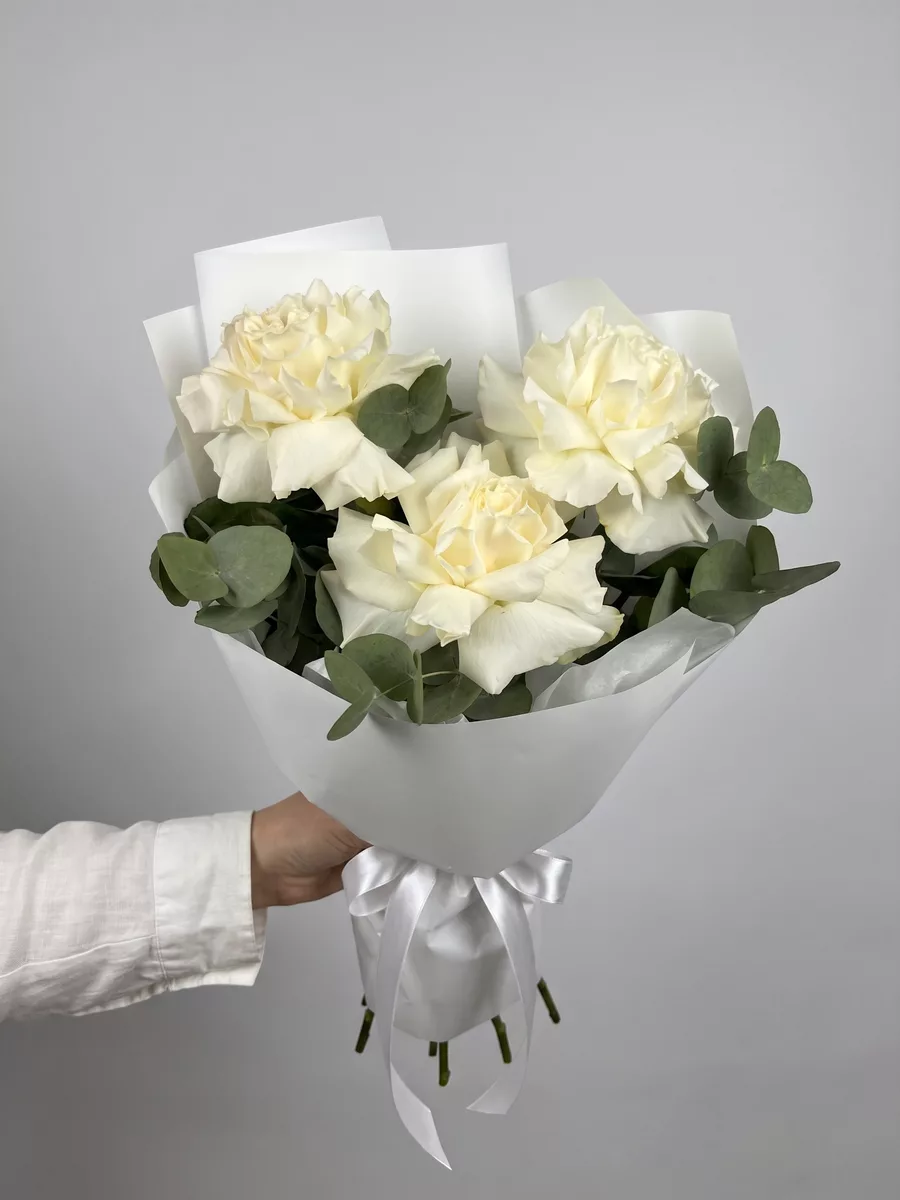
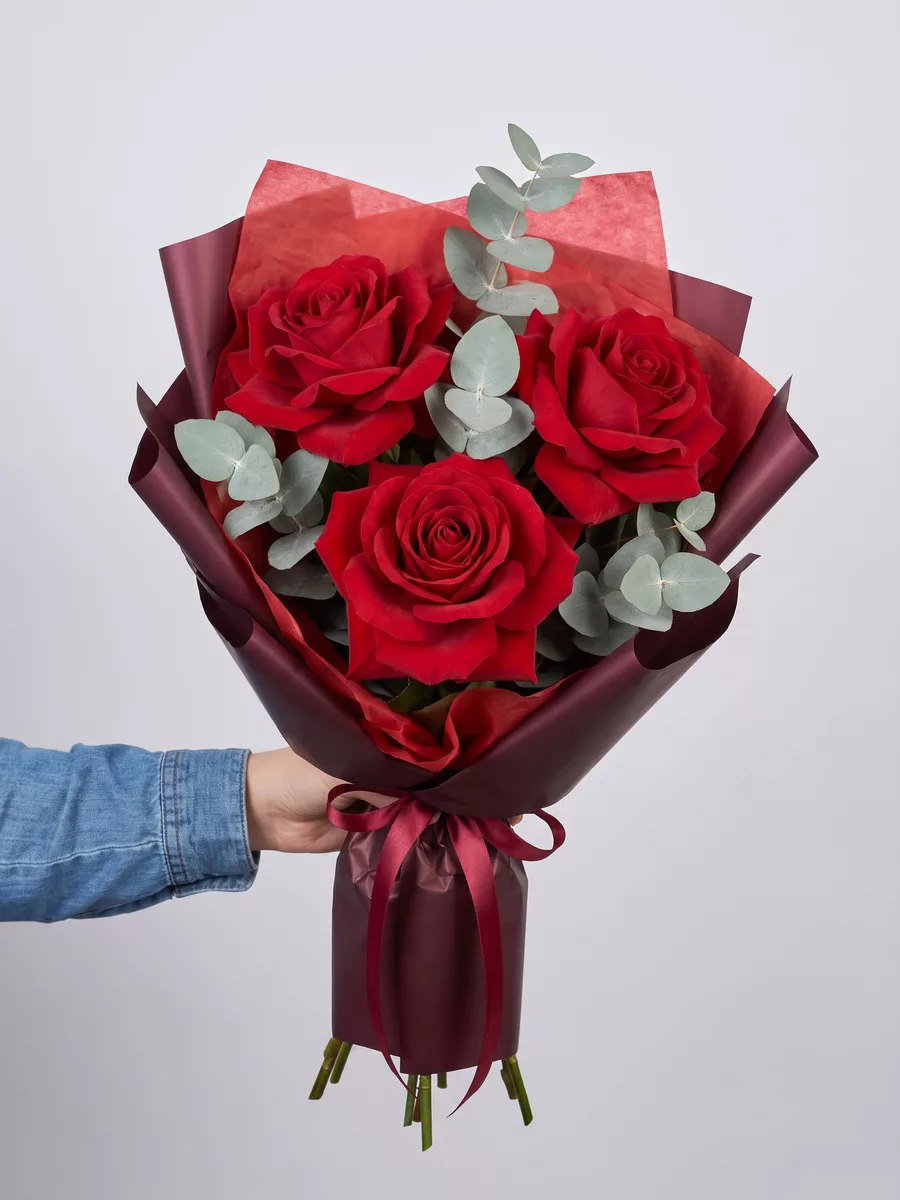
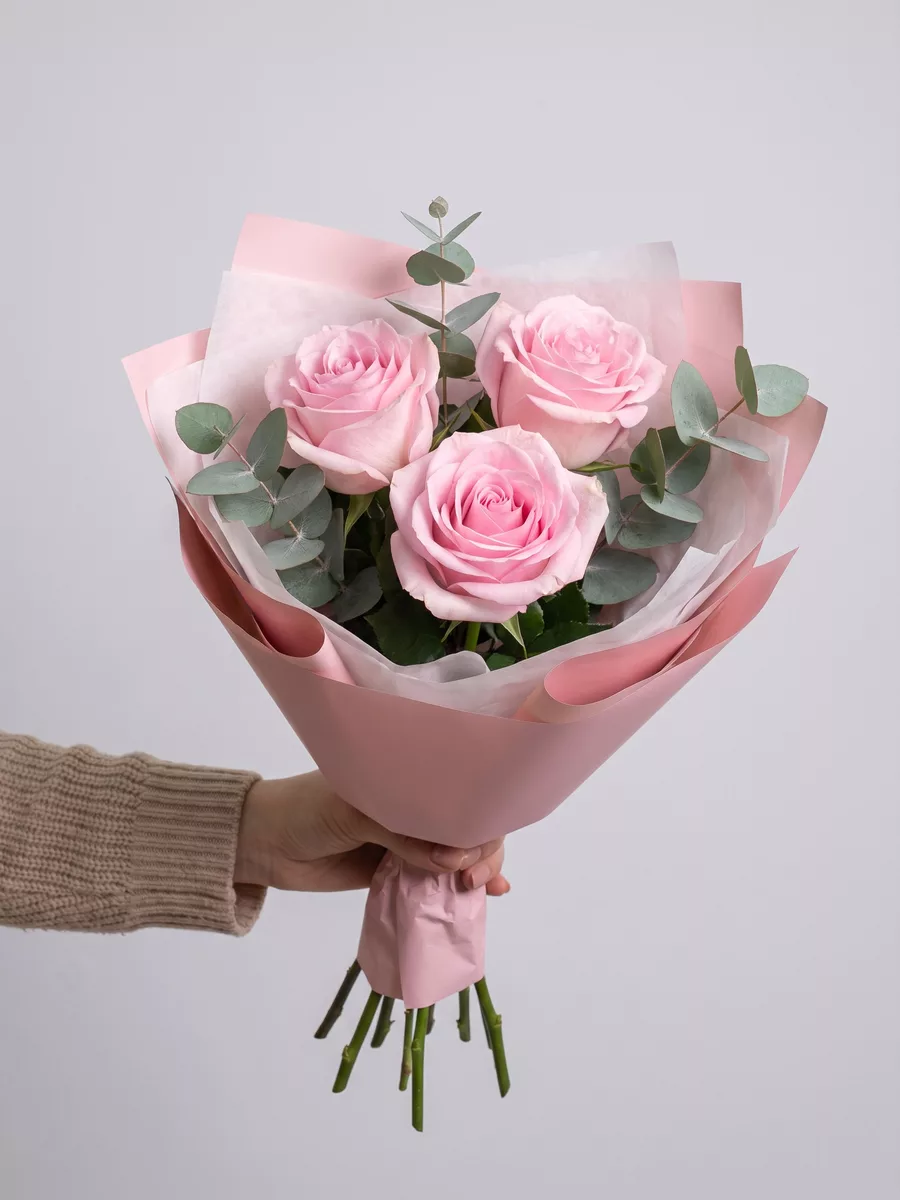
Choosing the Right Occasion Framing — Russian Customs Explained Simply
Russia has a strong flower culture, and recipients in cities like Chebarkul are genuinely attentive to what a bouquet communicates. The number of stems matters: an odd number is for celebration and joy, while an even number is traditionally reserved for mourning. As an international sender, this is the single most important custom to remember. A bouquet of ten roses, however beautiful, sends the wrong signal at a birthday. Stick to odd numbers — seven, nine, eleven, fifteen — and the gesture lands exactly as you intend.
Colour carries meaning too, though less rigidly than the odd-even rule. Red roses signal romantic love clearly and universally. White flowers feel elegant and are appropriate for a wide range of occasions including graduations, housewarmings and professional congratulations. Yellow flowers, which in some Western cultures suggest caution or jealousy, are completely positive in Russia — they are bright, cheerful and widely given as friendly gifts.
Russian recipients also tend to appreciate volume and presentation. A single stem, however premium, often reads as understated to the point of being puzzling. A generous, well-structured bouquet with layered textures — say, spray roses combined with eucalyptus and lisianthus — feels considered and warm. Think about who is receiving it: a grandmother celebrating her seventieth birthday will adore something lush and traditional like peonies or garden roses, while a younger colleague might love a more graphic, contemporary arrangement with anthuriums or tropical foliage mixed in.
Timing Your Order Across Time Zones Without Stress
The most common mistake international senders make is underestimating the time difference and placing an order too late for same-day delivery. Chebarkul is UTC plus five, which puts it well ahead of most of Europe and dramatically ahead of the Americas. If you want flowers delivered on a specific date — a birthday morning, an anniversary evening — work backwards from the recipient's local time, not your own.
For a morning delivery in Chebarkul, your order ideally needs to be confirmed by mid-evening the previous day in Chebarkul time. Convert that to your local time zone before you sit down to order. A sender in Berlin, for example, is four hours behind Chebarkul, so a 10 a.m. delivery on a Thursday means the order should be placed by Tuesday evening Berlin time at the latest to allow for any communication or customisation.
Turboflora delivers within one to two hours of order confirmation across Russia, which gives you genuine flexibility even on the day itself — as long as you account for the time zone gap. If you are unsure, ordering for an afternoon or early-evening delivery slot gives the most comfortable margin. Avoid assuming that a florist operates on your schedule: confirm the delivery window in Chebarkul local time when you place the order, and if you are sending to a workplace, verify the recipient will still be there. Offices in Russia typically close between five and six in the evening, and many workers leave promptly.
Flowers That Travel Well to Chebarkul in Every Season
Not every flower handles a Ural winter or a hot July afternoon equally well. Choosing varieties that are naturally robust means the bouquet your recipient opens looks as good as the one you imagined when you ordered it.
Roses are the most reliable year-round choice. Long-stemmed Ecuadorian roses have thick petals and strong stems that hold up in cold packaging and warm interiors alike. Garden roses like David Austin varieties feel more romantic and textured but are slightly more sensitive to temperature extremes, so they are better suited to spring and autumn orders. Chrysanthemums are extremely hardy and long-lasting — they can stay fresh for two weeks in a vase — and they are genuinely popular in Russia, not just a filler flower. Alstroemeria is another excellent choice: it is resilient, comes in a wide colour range and lasts well.
In spring, tulips are beloved across Russia and Chebarkul is no exception. They are affordable, cheerful and deeply associated with the season. Peonies arrive in late May and June and are possibly the most emotionally resonant flower you can send to a Russian recipient — they feel generous, romantic and quintessentially celebratory. In summer, sunflowers make a strong, joyful statement. In winter, deep red roses, amaryllis and branches of waxflower or hypericum berries create warm, seasonal arrangements that feel intentional rather than generic.
Ask for combinations rather than single-variety bouquets when possible. A mix of spray roses, lisianthus and eucalyptus, for example, gives depth and texture that a single-flower bunch cannot match.
How to Write a Card Message That Crosses the Cultural Distance
A handwritten card note accompanying flowers is standard practice in Russia, and recipients expect it. The message does not need to be long, but it should feel personal and warm rather than formal or corporate. If you are writing in English, that is completely fine — receiving a message in a foreign language from someone abroad adds to the sentiment rather than detracting from it. You can also write in Russian if you are confident, but a heartfelt English note is never wrong.
Avoid overly brief messages like just a name or a generic phrase. Something specific to the recipient and the occasion — mentioning a shared memory, a quality you admire in them, or a specific wish for their day — makes the flowers feel like a considered gift rather than a transaction. Russian culture places high value on sincerity, and a message that clearly comes from a real feeling will be remembered.
If you want to include a Russian phrase, a few work beautifully and are easy to transliterate. 'S dnyom rozhdeniya' means happy birthday. 'S prazdnikom' is a warm all-purpose congratulation for any celebration. 'Ot vsego serdtsa' means from the bottom of my heart. Even one phrase in Russian embedded in an otherwise English message reads as a lovely personal effort to the recipient. When placing your order, paste the exact message text you want — punctuation, line breaks and all — so it is reproduced accurately on the card.
Practical Details: Address, Contact and Delivery Confirmation
Getting the delivery right starts with a complete and correctly formatted address. In Russia, addresses follow a different order from most Western countries: the city comes first, then the street name, then the building number, then the apartment or office number. For Chebarkul, a correctly formatted address looks like: Chebarkul, ulitsa Lenina 45, kv. 12. The word 'ulitsa' means street, 'prospekt' means avenue, and 'kv.' is the abbreviation for apartment. If you are unsure of the exact format, write out the address as clearly as you can and include all the components — building, entrance number if known, floor and apartment — and the delivery team will interpret it correctly.
Always include the recipient's mobile phone number. Russian delivery practice almost always involves a call or a text message ahead of arrival, especially in apartment buildings where access requires a door code or an intercom. Without a working phone number, the delivery may be delayed or missed entirely. If the recipient is at a workplace, include the organisation's name and the floor or office number.
You do not need to be present or reachable in real time for the delivery to succeed, but it helps to leave a contact method for the florist in case of questions. Most international orders are processed smoothly when the address and phone number are complete. After placing the order, you should receive a confirmation with the expected delivery window. If you want photographic confirmation that the bouquet was delivered, request this when placing the order — it is a standard option and gives you peace of mind across the distance.
Vase Life and Care Instructions to Pass On to Your Recipient
One of the kindest things you can do as a sender is include simple care instructions with the flowers, or send them separately by message. Many people in Russia know how to care for cut flowers, but a quick reminder is always welcome, especially if the recipient is younger or not used to receiving bouquets regularly.
The basics are universal. Trim the stems at a diagonal angle — about two centimetres — before placing them in water. Diagonal cuts increase the surface area for water uptake and prevent stems from sitting flat against the bottom of the vase, which would block absorption. Remove any leaves that fall below the waterline, because submerged foliage rots quickly and contaminates the water. Change the water every two days and re-trim the stems each time.
Keep the bouquet away from direct sunlight, heating radiators and fruit bowls. Ripening fruit releases ethylene gas, which accelerates flower ageing — this is a detail most people do not know. In Chebarkul's cold winters, a cool room actually extends vase life, so there is no need to keep flowers in the warmest part of the apartment.
With proper care, roses last seven to ten days, chrysanthemums up to fourteen, alstroemeria around ten, and lisianthus between seven and twelve. Tulips are shorter-lived at five to seven days but open beautifully and change shape as they do, which many recipients find charming rather than disappointing. Passing on these specifics shows thoughtfulness and helps the recipient enjoy the gift for as long as possible.
Sending flowers to Chebarkul from abroad is less complicated than it sounds once you have the right information in hand. The time zone gap is manageable when you plan a day ahead. The cultural customs — odd numbers, warm colours, generous presentation — are easy to follow once you know them. The varieties that travel well are plentiful in every season, from tulips in spring to robust roses in the depths of a Ural winter. What carries the gesture across the distance is not the logistics but the intention: someone far away thought of a person in Chebarkul and chose to make their day better. That always arrives, no matter the kilometres between you.
Frequently asked questions
Can I send flowers to Chebarkul if I do not speak Russian?
Yes, completely. The order process works in English and your card message can be written in English too. Recipients in Russia are accustomed to receiving international gestures and a message in a foreign language adds to the warmth of the gift. Provide the address and phone number clearly and the delivery will proceed without any language barrier on your side.
What is the best time of day to schedule delivery in Chebarkul?
Late morning to early afternoon in Chebarkul local time is ideal for most recipients. This covers roughly 10 a.m. to 2 p.m. UTC plus five. It avoids the early rush of the morning and ensures the recipient is available before the working day ends. For home deliveries, early evening around 6 to 7 p.m. local time also works well when someone is certain to be home.
Do I need to worry about flowers freezing in Chebarkul's winter?
Cold-weather packaging handles this. Bouquets are wrapped in insulated materials for winter deliveries and the transit time within the city is short. The greater risk in winter is leaving flowers in an unheated hallway after delivery, so it helps to let the recipient know to expect the bouquet and bring it inside promptly. Once indoors, flowers warm up gently and open beautifully.
Why do odd numbers of flowers matter in Russia?
In Russian tradition, even numbers of flowers are associated with mourning and are brought to funerals. For any celebratory or affectionate occasion, an odd number is the correct and expected choice. This applies regardless of the flower type or price point. Ordering seven, nine, eleven or fifteen stems ensures your bouquet is received in exactly the spirit you intend.
How far in advance should I place an order from a different country?
One day ahead is the comfortable standard for international senders. This accounts for the time zone difference, any back-and-forth about address details and the preparation of the bouquet. If you need a specific morning delivery, ordering the evening before in Chebarkul time — which may be afternoon or morning your time — gives the best margin. Same-day ordering is possible but requires checking the time zone carefully before you proceed.
Ready to send flowers?
Pick the city, choose the bouquet, and a local florist takes it from there.
Choose a city →