Sending Flowers to Cherepanovo from Abroad: What You Need to Know
You are sitting in Berlin, Toronto or Dubai, and someone you love is in Cherepanovo — a quiet town in the Novosibirsk region of Siberia. You want to send flowers that arrive fresh, look generous and feel personal, but you have no idea how ordering from abroad actually works or what the weather will do to a bouquet on the way. This article answers every practical question so you can place your order with confidence and your recipient can open the door to something genuinely beautiful.
Why Cherepanovo Is Worth Getting Right
Cherepanovo sits roughly 70 kilometres south of Novosibirsk in the West Siberian Plain. It is a small town where a flower delivery is still a real event — neighbours notice, colleagues comment, and the recipient remembers it for a long time. That context matters when you are choosing what to send, because a modest bouquet that might pass unnoticed in a big city carries real weight here.
The town's continental climate is extreme by most standards. Winters regularly drop to minus 20 Celsius or colder, and summers can push above 30. This temperature range affects which flowers survive the journey and which will arrive limp or frost-damaged. A florist who understands this climate will choose stems accordingly, packing them with insulated wrapping in winter and avoiding the most heat-sensitive varieties in July and August.
From a sender's point of view, the most important thing to understand is that Cherepanovo is not a remote village — it has reliable road access from Novosibirsk, which means same-day delivery is genuinely achievable when your order is placed before the local midday cut-off. The occasion does not have to be a major holiday for a delivery to feel special here. A birthday, a promotion, a new baby, or simply the desire to say you are thinking of someone — all of these land with warmth in a town where fresh flowers are still a small luxury rather than an everyday convenience.
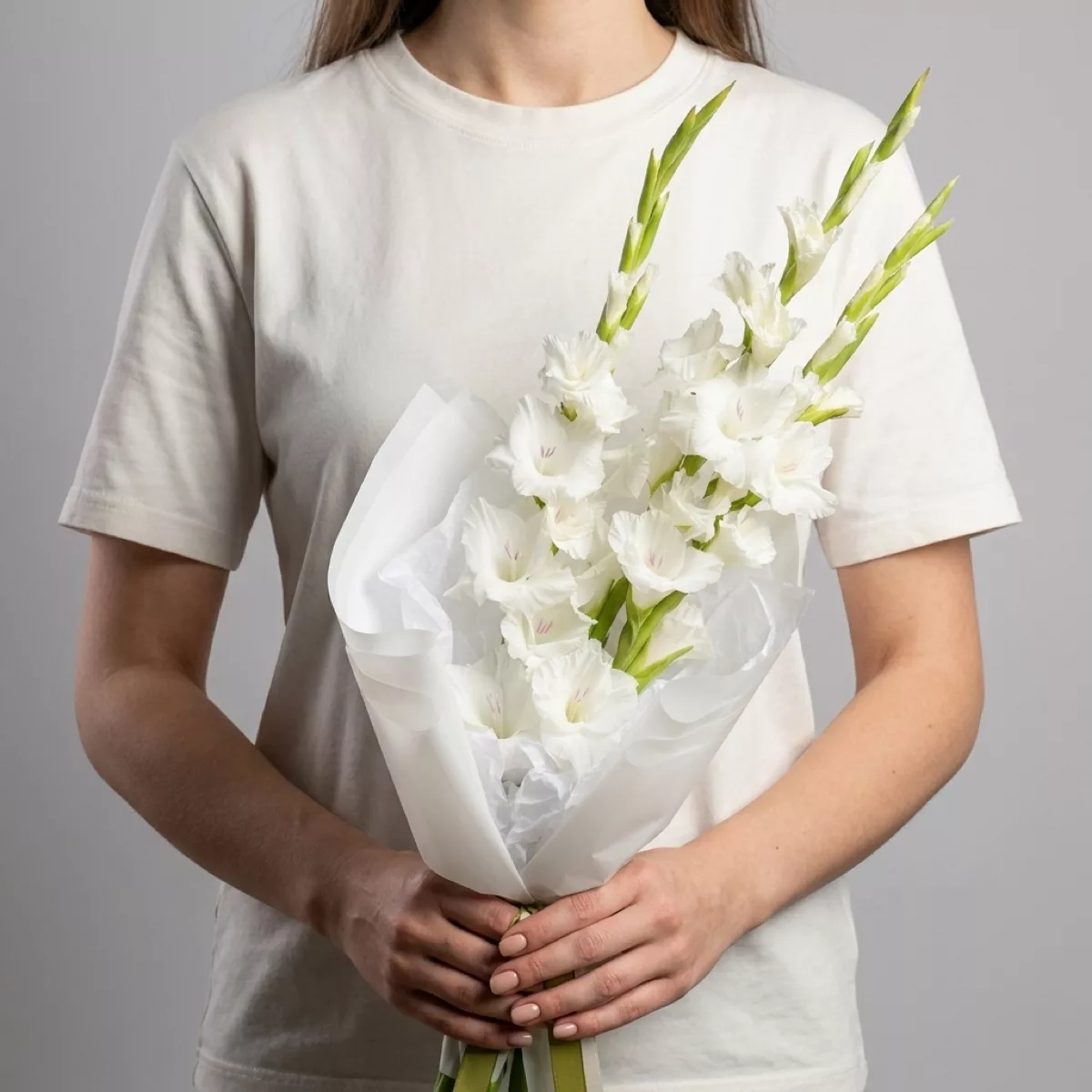
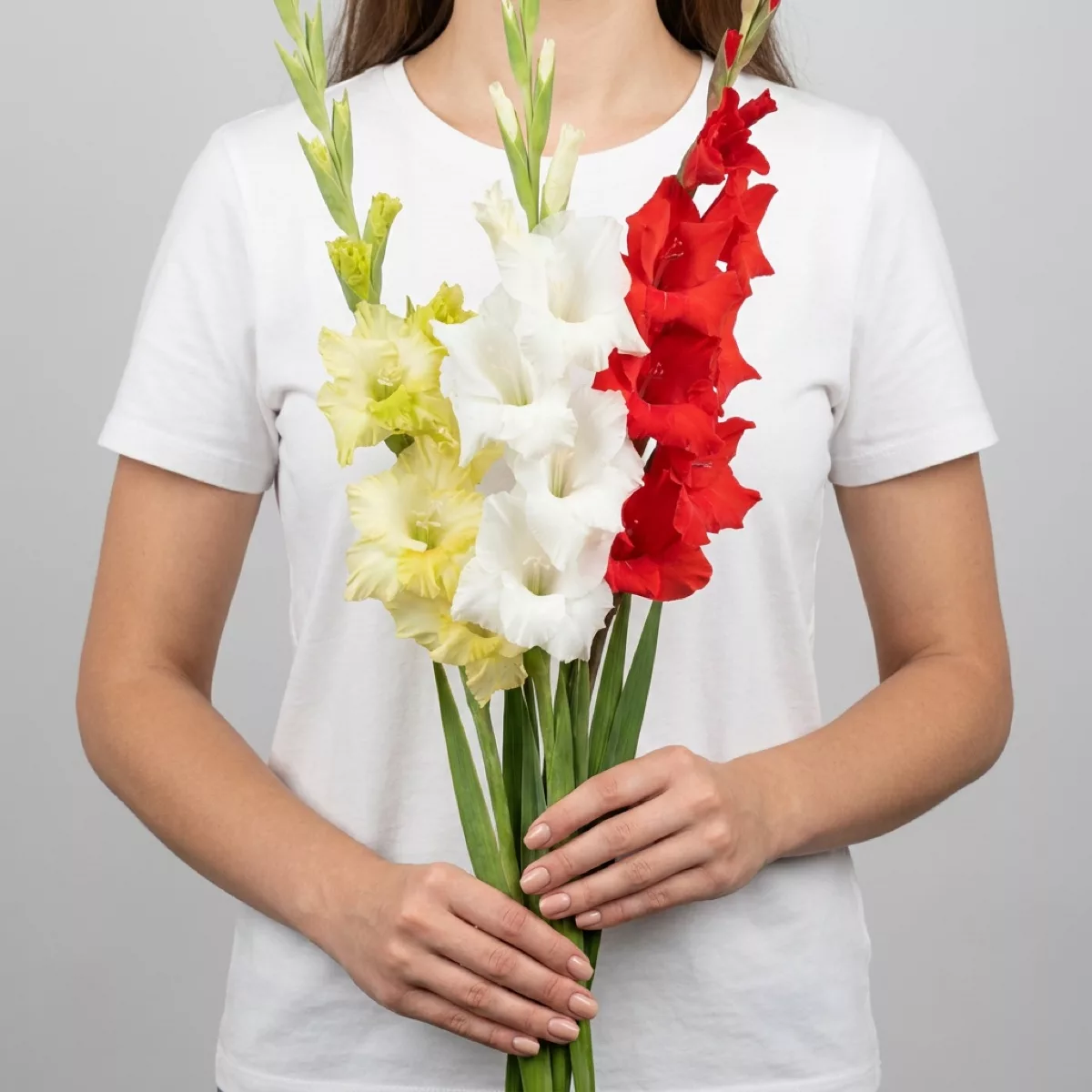
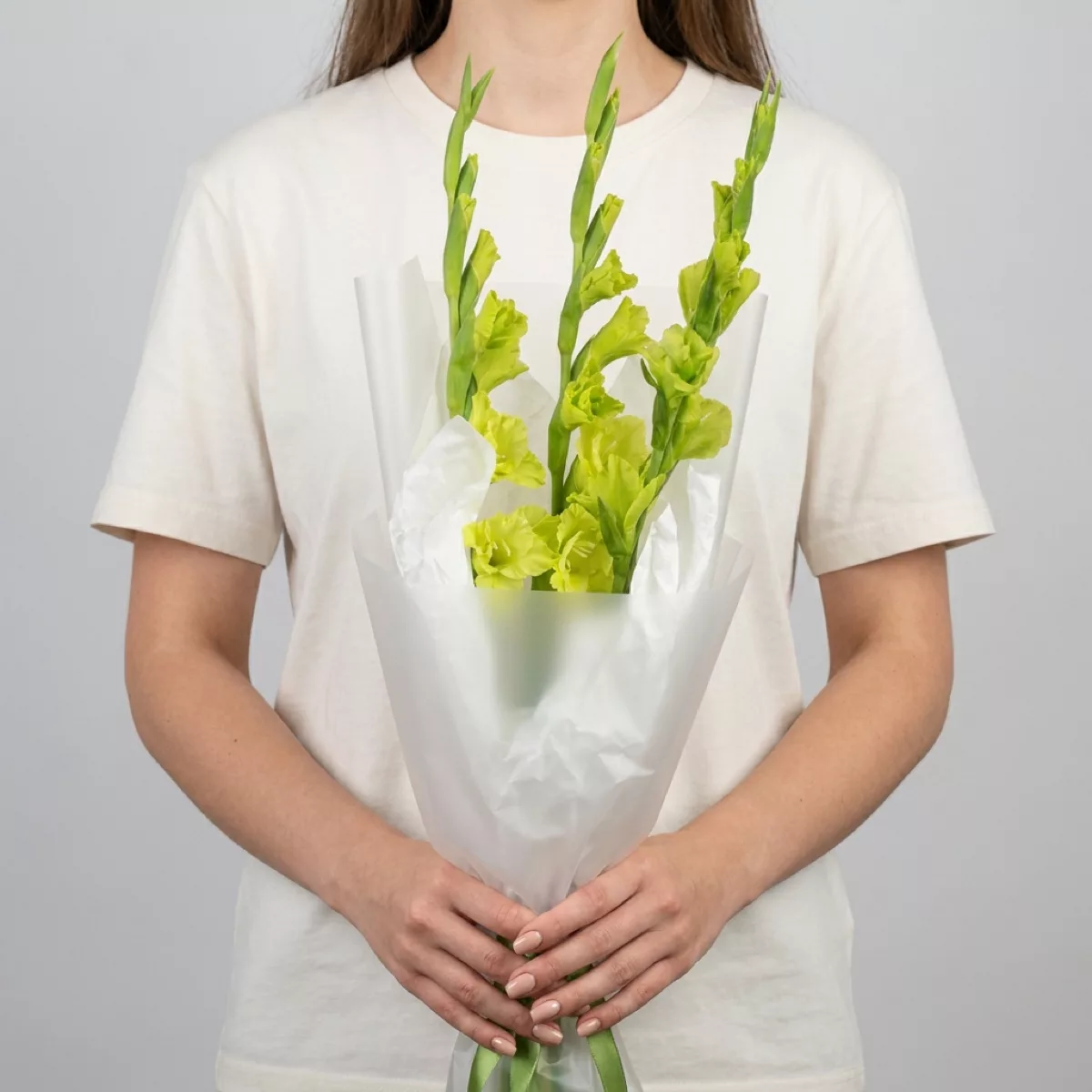
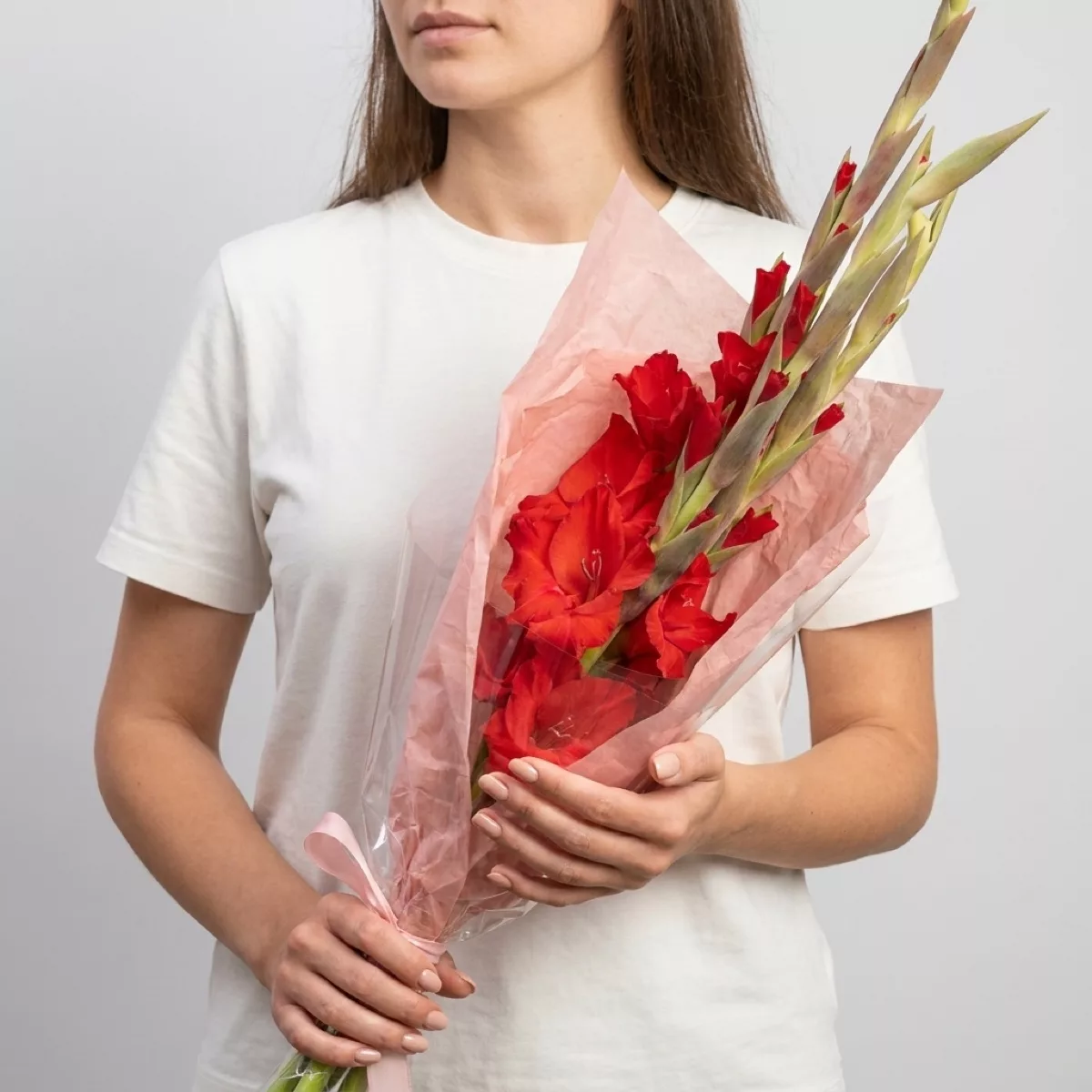
Bouquets we can deliver
Placing Your Order from a Foreign Country
The process of ordering from abroad is simpler than most people expect, but there are a few things that will save you frustration. The first is time zones. Cherepanovo runs on UTC plus 7, which means it is ten hours ahead of London, fifteen ahead of New York, and three hours behind Dubai. If you are ordering on a Monday evening from Western Europe, it is already Tuesday morning in Cherepanovo. Build that arithmetic into your planning, especially for same-day deliveries.
Payment from foreign cards is accepted, but it is worth using a card that does not block cross-border transactions automatically. Some banks flag Russian merchant charges as unusual and freeze the payment. If that happens, a quick call to your bank usually resolves it within minutes. Having a backup payment method ready is a sensible precaution.
The recipient's address should be written in full: street name, building number, apartment number if applicable, and the full name of the person receiving. Russian addresses follow the format of city, street, building, apartment — the reverse of what most Western senders are used to writing. If you are unsure of the exact address, the recipient's phone number is the single most important piece of information you can provide, because the courier will call ahead to confirm delivery. A missing apartment number is rarely a problem if the phone number is correct and active.
Choosing Flowers for the Occasion and the Person
Think about the recipient before you think about the flowers. A woman in her sixties who tends a garden will respond differently to a bouquet than a young woman who follows interior design trends. The first might love garden roses, lisianthus and eucalyptus — something that looks as though it was just cut from a summer border. The second might appreciate a structured, graphic arrangement with anthuriums, tropical foliage and a single focal flower like a protea or a large-headed peony.
For birthdays, abundance reads well: mixed bouquets with focal flowers like roses, peonies or chrysanthemums combined with filler flowers such as waxflower or statice give a sense of generosity without looking chaotic. For a new baby, soft whites, creams and pale pinks work beautifully — ranunculus, white spray roses and pale lisianthus have a delicate quality that suits the occasion. For an anniversary, a monochromatic bouquet in deep reds or warm corals feels intentional and romantic.
Cherepanovo recipients tend to appreciate classic combinations over avant-garde arrangements, though this varies by age and personality. If you are uncertain, a well-composed bouquet of premium roses in a single colour — say, deep burgundy or blush pink — is almost always received with genuine pleasure. The variety matters: choose garden roses with high petal counts such as David Austin-style varieties over standard long-stem roses if you want the arrangement to look lush and full rather than formal and spare.
Seasonal Flowers and What Travels Well to Siberia
Siberian winters are not hostile to all flowers, but they are hostile to the wrong ones. Tropical varieties like orchids, birds of paradise and anthuriums are sensitive to cold and can blacken at the tips or collapse entirely if exposed to sub-zero temperatures even briefly. In December through February, the safest choices are roses, chrysanthemums, alstroemeria and carnations — all of which handle cold transport well when properly packed with insulating paper and sealed outer wrapping.
Spring brings tulips, which are enormously popular across Russia from late February through April. A large bunch of tulips in a single colour — yellow, white, deep purple or bicolour — is one of the most celebrated gifts a sender can choose for International Women's Day on 8 March, which is the single largest flower-giving occasion in the Russian calendar. If you are planning a delivery around that date, order at least five to seven days in advance. Demand is exceptional and early orders are fulfilled with better variety selection.
Summer allows a much wider palette. Sunflowers, dahlias, peonies (available from late May through June), lisianthus and garden roses all travel well in moderate temperatures. Autumn is the season for chrysanthemums, which are genuinely beloved in Russia — not the small pompom type but the large spider and cushion varieties that fill a vase dramatically. Eustoma, also known as lisianthus, bridges every season and is one of the most reliable flowers for long vase life in any climate.
Budget Ranges and What Each Level Looks Like
Flower gifts fall into three rough tiers, and understanding what each looks like helps you choose without guesswork. A modest arrangement — something thoughtful but compact — typically uses five to seven stems of a single variety such as spray roses or alstroemeria, wrapped simply with kraft paper and ribbon. It is the kind of gift that says you remembered, and it is entirely appropriate for a colleague, a neighbour, or a casual congratulation.
A mid-range bouquet steps up to fifteen or more stems, usually combining a focal flower like a standard rose or chrysanthemum with complementary fillers such as gypsophila, waxflower or ruscus greens. This level of arrangement looks full and deliberate in the recipient's hands and photographs well — which matters, because many recipients share the moment on social media or send a photo back to the sender abroad.
A premium arrangement is where composition becomes the real gift. Think twenty-five or more stems, mixing textures and heights: large-headed roses alongside ranunculus, framed by eucalyptus branches and finished with a few stems of dried pampas or preserved foliage for structure. A premium bouquet presented in a hatbox or a decorative vase rather than paper wrapping elevates the experience further. For significant occasions — a major birthday, a wedding anniversary, the birth of a child — this level of gift is remembered for years. Adding a handwritten card in Russian, which the shop can arrange, makes it feel personal even when you are thousands of kilometres away.
Delivery Timing and What Can Go Wrong
Same-day delivery to Cherepanovo is available when orders are placed before the midday cut-off in the Novosibirsk time zone. Next-day delivery is more relaxed and gives the florist time to source specific varieties that may not be in stock at the moment of ordering. For high-demand dates — 8 March, Valentine's Day on 14 February, and New Year's Eve — next-day ordering is not reliable. Book at least a week ahead for those dates.
The most common mistake senders from abroad make is not accounting for the time difference when they place the order. An order submitted at 11 pm in London feels urgent to the sender, but it arrives in the florist's queue at 9 am Novosibirsk time the following morning — which is fine for next-day delivery but too late for same-day. Always check the local Cherepanovo time before submitting.
Delivery to an apartment building requires the recipient to be reachable by phone. If the person is at work or in a meeting, the courier will hold the flowers and attempt redelivery, but this adds time. The cleanest solution is to give a delivery window when the recipient is likely to be home, or to let the recipient know a delivery is coming so they can arrange to be available. In winter, leaving flowers unattended on a cold doorstep even for thirty minutes can damage delicate petals, so a confirmed delivery window is more than a convenience — it protects the gift itself.
Helping Your Recipient Care for the Bouquet
A beautiful bouquet deserves a long vase life, and a few simple instructions make a real difference. If you are sending flowers to someone who does not have much experience with fresh arrangements, it is worth including a short care note with the delivery — the shop can add this on your behalf.
The first step is always a fresh diagonal cut on each stem, made with a sharp knife rather than scissors, which can crush the stem tissue and restrict water uptake. The stems should go immediately into clean water — lukewarm for most varieties, cold for tulips, which open more slowly and last longer in cool water. The vase should be washed with soap and rinsed thoroughly before use, because bacteria in a dirty vase will shorten vase life by several days.
Keep the arrangement away from direct sunlight, radiators and fruit bowls. Ripening fruit releases ethylene gas, which accelerates the ageing of petals — roses and carnations are particularly sensitive to this. Change the water every two days and re-cut the stems each time. Remove any leaves that fall below the waterline, as they decompose quickly and cloud the water.
With proper care, roses and chrysanthemums last seven to ten days. Alstroemeria and carnations can reach twelve to fourteen days. Tulips are shorter-lived at five to seven days but open beautifully as they age, turning a tight bud into a fully open, loose flower that many people find even more lovely than the original form. Lisianthus is one of the longest-lasting cut flowers available, often staying fresh for two weeks when cared for correctly.
Sending flowers to Cherepanovo from abroad is not complicated once you understand the time zones, the seasonal considerations and the small details that protect the bouquet on its journey. The recipient does not know how far the thought travelled to reach them — but they feel it when they open the door. A well-chosen arrangement, placed in time and suited to the person and the occasion, does exactly what you want it to do: it closes the distance.
Frequently asked questions
Can I order flowers for Cherepanovo if I do not speak Russian?
Yes. The turboflora.com website and order process work fully in English. The delivery details — recipient name, address and phone number — are handled by the team, and the courier communicates with the recipient directly in Russian. You do not need to speak or write Russian at any point in the process.
What is the latest I can order for same-day delivery to Cherepanovo?
Orders must be placed before midday Novosibirsk time, which is UTC plus 7. Convert carefully from your local time zone before submitting. An order placed at 11 am in London, for example, arrives at 4 pm Novosibirsk time and will be processed for next-day delivery rather than same-day.
Are there flowers I should avoid sending in winter?
In temperatures below minus 10 Celsius, tropical varieties such as anthuriums, birds of paradise and orchids are at risk of cold damage even with insulated packaging. Roses, chrysanthemums, alstroemeria and carnations are the most reliable winter choices. The florist will always advise if a requested variety is unsuitable for current weather conditions.
How far in advance should I order for 8 March — International Women's Day?
At least five to seven days ahead for standard bouquets, and ten or more days if you want a specific variety or premium arrangement. The 8 March period is the busiest flower-giving occasion in Russia. Early orders are fulfilled with better stock and more variety options, while last-minute requests may face limited availability.
What happens if the recipient is not home when the flowers arrive?
The courier will call the recipient's phone number before arriving. If there is no answer, a second delivery attempt is made. Flowers are never left unattended in cold weather. Providing a delivery window when the recipient is likely to be available — and letting them know a surprise is coming in general terms — is the most reliable way to ensure a smooth handover.
Ready to send flowers?
Pick the city, choose the bouquet, and a local florist takes it from there.
Choose a city →