Sending Flowers to Chernogolovka from Abroad? Here Is What You Need to Know
Chernogolovka sits about sixty kilometres northeast of Moscow, a compact science town where many residents work at research institutes and value quiet, thoughtful gestures over grand displays. If you are calling or clicking from London, Berlin, Tel Aviv, or New York, the distance can feel like a wall — but it does not have to be. Getting fresh flowers to someone in Chernogolovka from abroad is entirely possible when you understand the local rhythm, choose the right arrangement for the moment, and leave enough lead time for the order to travel properly.
Who Is Waiting for the Flowers and What Will They Feel
Before you think about roses versus peonies, think about the person opening the door. Chernogolovka has a strong academic community, so many recipients are researchers, teachers, or students — people who tend to appreciate elegance and restraint rather than oversized, theatrical arrangements. A tight bouquet of garden roses with eucalyptus or a mono-bouquet of tulips in a single saturated colour will often land better than something that looks like a stage prop.
Occasion matters enormously in Russian flower culture. Birthdays are the single biggest reason people send flowers, and a recipient expects to feel genuinely celebrated — not just acknowledged. If you are sending for a birthday, go fuller and warmer: think ranunculus layered with spray roses, or sunflowers paired with solidago for a cheerful, abundant look. If the occasion is a professional milestone or a thank-you, something cleaner and more architectural works well — a white or blush arrangement with clean lines and minimal filler.
Russian recipients also pay close attention to odd numbers. Bouquets are traditionally given in odd quantities — three, five, seven stems — because even numbers are associated with mourning. This is not a superstition you need to follow rigidly, but if you are ordering a hand-tied bouquet by stem count, keeping it odd is a small detail that shows cultural awareness and will be noticed warmly by the person receiving it.
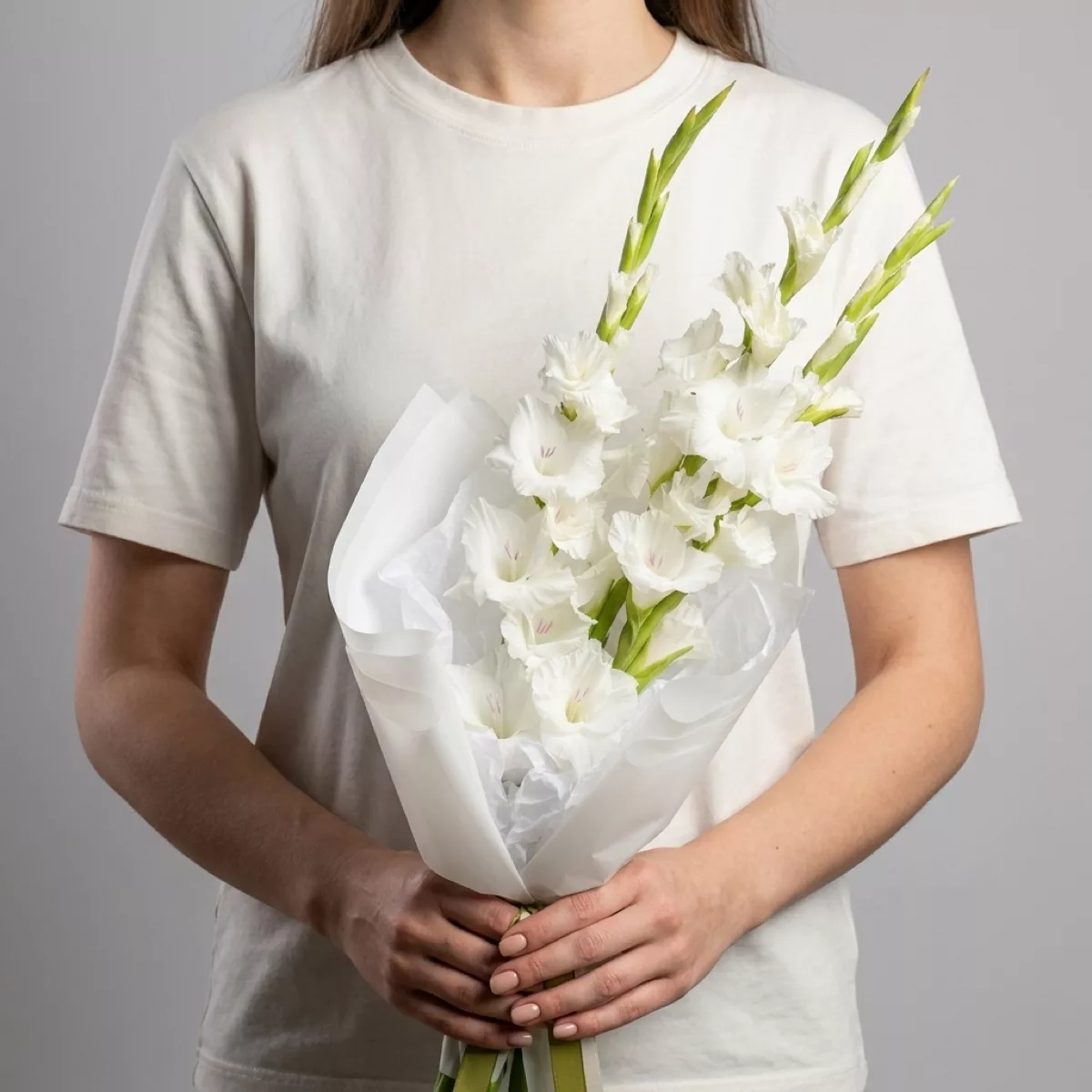
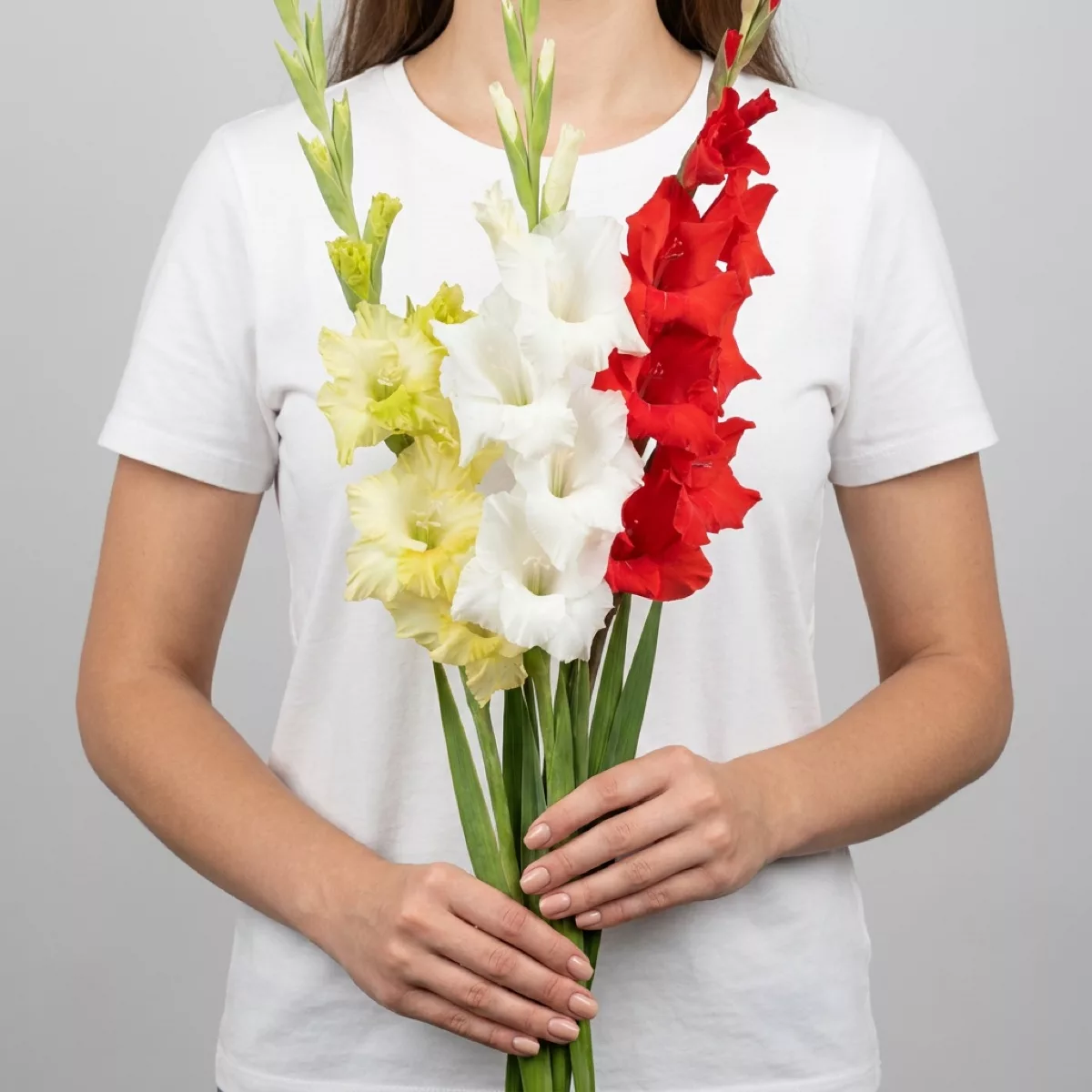
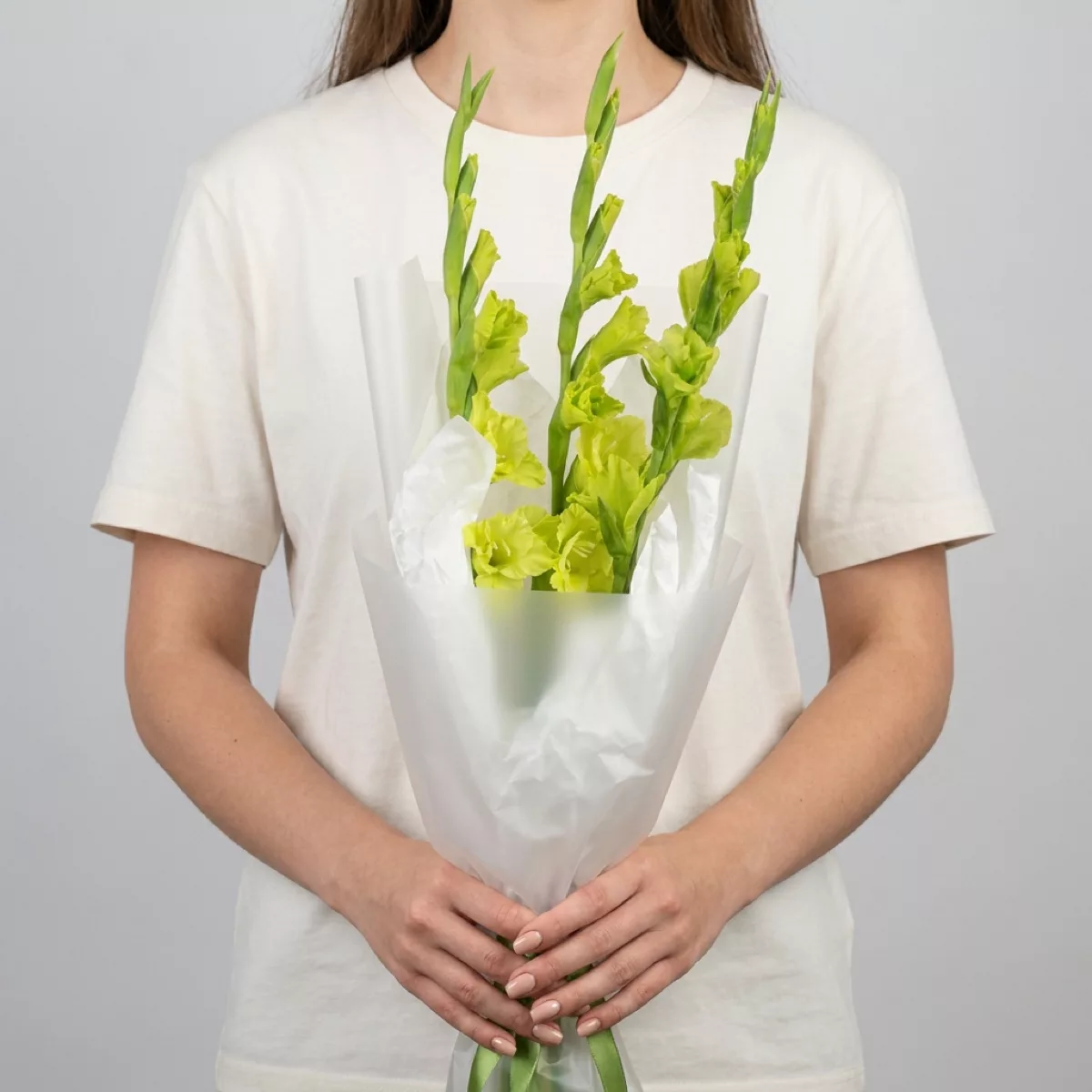
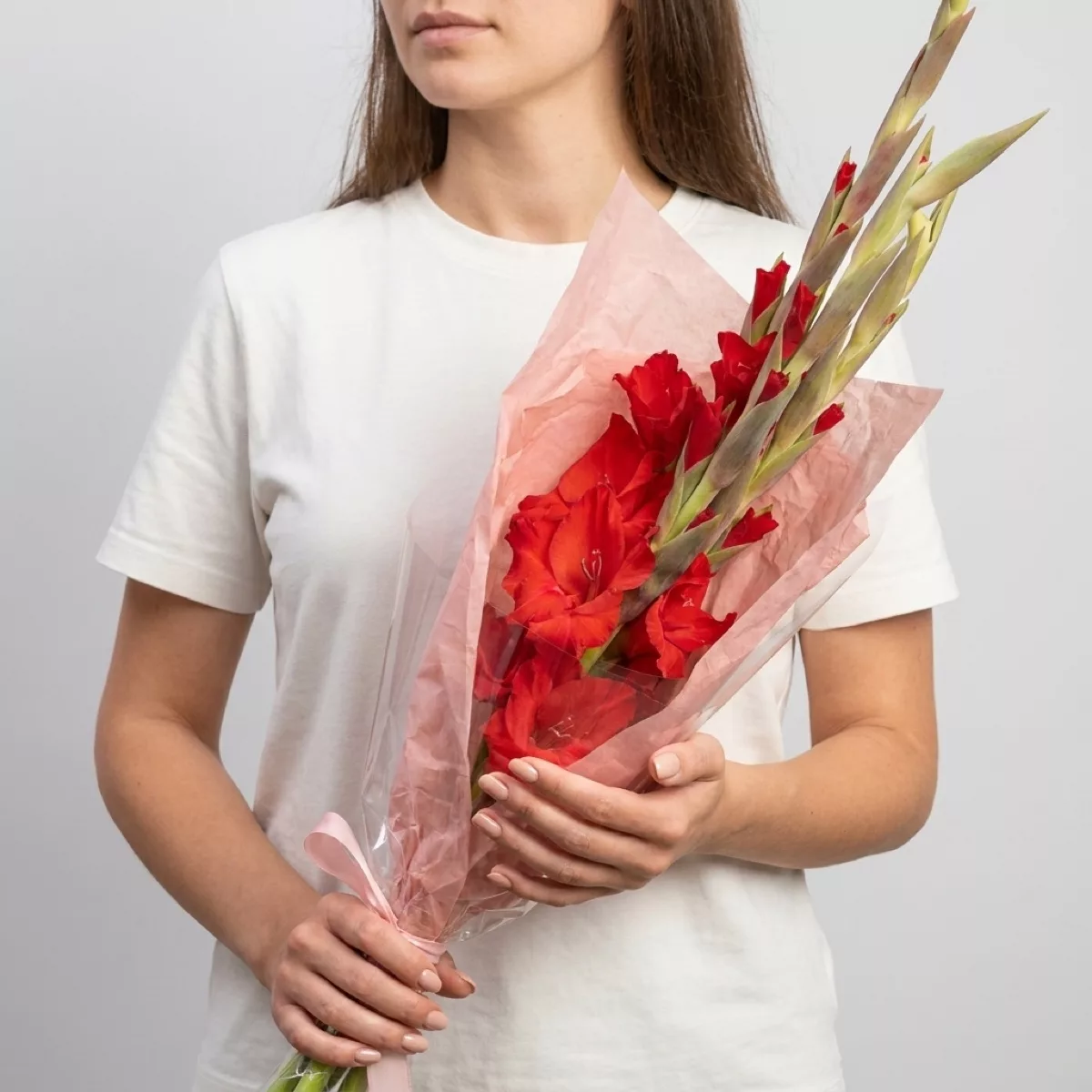
Bouquets we can deliver
Timing Your Order Across Time Zones
This is where most international senders make their first mistake. Moscow Standard Time is UTC+3 and does not observe daylight saving, which means the gap between you and Chernogolovka shifts depending on the season. From New York in winter you are eight hours behind; from London in summer you are two hours behind. If you want a morning delivery — which is often the most emotional and memorable — you may need to place your order the evening before your local time.
Turboflora delivers across Russia within one to two hours of order confirmation, which is a genuine advantage, but that window only starts once your order is received and processed during working hours in Russia. If you place an order at midnight Moscow time expecting a 9 a.m. delivery, it simply will not happen. Aim to have your order submitted no later than two hours before your desired delivery window, and always account for the time zone difference when you calculate that.
For significant dates — a birthday, an anniversary, the first day of September which is a major celebration in Russia called Knowledge Day — consider placing the order a day in advance and scheduling the delivery for a specific morning slot. This removes all uncertainty. It also gives you time to write a proper message card, which Russian recipients read carefully and keep. A message in Russian is not required; a warm note in English is received just as sincerely, especially in a town with a strong international academic community.
Choosing the Right Arrangement for the Situation
The situation should drive the choice more than your personal taste. For a romantic gesture — a long-distance relationship, an anniversary, a spontaneous declaration — red roses remain the clearest signal in Russian culture, and they carry that meaning without needing explanation. A classic hand-tied bouquet of fifty centimetre red roses, wrapped simply in kraft paper with a satin ribbon, is immediately understood. You do not need to overthink it.
For friendships and family occasions, seasonal flowers almost always feel more personal than imported classics. In spring, tulips and hyacinths in pastel shades are everywhere and beloved. In summer, peonies — particularly the soft pink Sarah Bernhardt variety or the deep fuchsia Red Charm — are the flower of the season in Russia and carry enormous sentimental weight. In autumn, chrysanthemums and dahlias in amber and burgundy tones suit the mood of the city perfectly. In winter, alstroemeria and roses hold up best through cold transit and still arrive looking vivid.
If you are sending to a group — a research team, a department, a family celebrating together — a large arrangement in a box or a vase arrangement makes more practical sense than a hand-tied bouquet. Box arrangements sit on a table, require no immediate attention from the recipient, and feel like a shared gift rather than a personal one. They also travel more securely in cold weather, which matters in Chernogolovka from October through March.
Options by Budget and What Each Level Gets You
You do not need to spend extravagantly to send something beautiful and meaningful. At an entry level, a mono-bouquet of seasonal flowers — fifteen tulips in spring, a dozen alstroemeria in winter — is genuinely lovely, arrives fresh, and reads as a considered choice rather than a budget decision. The key is keeping it clean: one flower type, one colour, good wrapping. Restraint looks intentional.
A mid-range order opens up combinations. This is where you can mix textures meaningfully — garden roses with wax flower, ranunculus with dusty miller, lisianthus with eucalyptus. These combinations photograph beautifully, which matters because the recipient will almost certainly send you a photo. At this level you can also add a small box of chocolates or a greeting card with a personalised printed message, which Russian recipients appreciate as a complete, thoughtful package.
At a higher spend, you are working with premium varieties and larger volumes. Think of garden roses like David Austin varieties — Juliet, Keira, or Patience — which have a dense, cupped form that looks nothing like a standard rose and signals that the sender chose carefully. Peonies at peak season, king proteas for someone with a bold aesthetic, or a full vase arrangement with structural greenery like ruscus and pittosporum are all options that arrive and immediately change the atmosphere of a room. For a recipient who works long hours in a lab or an office, that kind of immediate visual warmth is a genuinely generous gift.
How Russian Flower Customs May Surprise You
If you grew up in Western Europe or North America, a few Russian flower customs may catch you off guard, and knowing them in advance helps you order with confidence. The odd-number rule mentioned earlier is the most important one. Beyond that, yellow flowers carry a complicated reputation in Russia — traditionally associated with separation and infidelity — so if you are sending a romantic bouquet, avoid all-yellow arrangements. Yellow combined with other colours is perfectly fine; a pure yellow bouquet to a romantic partner is not.
Russians tend to receive flowers in person at the door rather than leaving them unattended. This means delivery timing matters socially, not just logistically. If your recipient works a standard academic schedule, a mid-morning or early afternoon delivery on a weekday ensures they are home or nearby to receive the bouquet properly. Flowers left outside in Russian winters can freeze within minutes, so an attended delivery is not just a courtesy — it is practical.
The greeting card is taken seriously. In Russian culture, a handwritten or printed note is not a throwaway insert — it is kept, reread, and sometimes displayed. Write something specific and personal rather than a generic phrase. If you are uncertain what to say, mention a shared memory or a specific quality you admire in the recipient. That specificity is what makes a card feel like it came from you rather than from a template. The flowers carry the emotion; the card carries the story.
Temperature, Transit, and What Keeps Flowers Fresh
Chernogolovka experiences real continental winters. From November through March, outdoor temperatures regularly drop below minus ten Celsius, and in sharp cold snaps can reach minus twenty or lower. Fresh flowers are vulnerable in these conditions, and transit from Moscow to Chernogolovka — roughly an hour by road — needs to be handled in temperature-controlled vehicles. This is standard practice in professional flower delivery, but it is worth confirming when you place an international order.
The varieties that hold up best in cold transit are roses, alstroemeria, chrysanthemums, and carnations. Tropical varieties like anthuriums and birds of paradise are more sensitive to cold shock and can show petal damage if exposed to freezing air even briefly. In winter months, a classic rose arrangement or a mixed bouquet built around roses and alstroemeria is the safest and most reliable choice for a recipient in Chernogolovka.
Once the flowers arrive, their vase life depends on simple care. The recipient should cut stems at a diagonal under running water, remove any leaves that would sit below the waterline, and change the water every two days. Roses and alstroemeria last seven to ten days with proper care. Tulips and hyacinths, being spring bulb flowers, are shorter-lived — around five days — but so vivid and fragrant that the experience is worth it. Advise your recipient to keep the bouquet away from direct sun and away from radiators, which are common in Russian apartments and dry out flowers quickly.
Placing Your Order Smoothly from Outside Russia
The practical steps are simpler than they might seem. You will need the recipient's full address in Chernogolovka, including the building number and apartment number — Russian addresses follow a specific format, and a missing apartment number can delay delivery. If you have the recipient's phone number, include it: the courier may call ahead to confirm arrival, which is standard practice and appreciated.
Payment from abroad is handled through international card processing, so a standard Visa or Mastercard works in most cases. If you encounter any issue with payment, reaching out to the shop directly through the website contact form is the fastest resolution — the team handles international orders regularly and can guide you through the process quickly.
The message card field is your opportunity to say something real. You have space for a full sentence or two, and the card is printed and included with the bouquet. If you want to write in Russian but do not speak the language, a simple transliteration of a warm phrase is fine — the recipient will recognise the effort. If you write in English, that is equally fine. What matters is that the words are yours and that they connect the flowers to a specific feeling, a specific memory, or a specific wish for the person opening the door in Chernogolovka.
Sending flowers from another country to someone in Chernogolovka is a generous act, and when it is done with a little knowledge of the timing, the season, and the local customs, it lands with exactly the warmth you intended. The distance between you and the recipient closes the moment the door opens and the bouquet is in their hands. That moment is worth planning carefully.
Frequently asked questions
Does Chernogolovka's location outside central Moscow affect how fresh the flowers arrive?
It does add a leg to the journey. Chernogolovka is roughly sixty kilometres from Moscow, so flowers typically move from a Moscow wholesaler or florist to a courier heading northeast. Choose a florist who sources daily and assembles the bouquet the morning of delivery rather than the night before. Hardy stems like chrysanthemums, alstroemeria, and spray roses handle the extra transit time better than open garden roses.
Is a mono-bouquet appropriate for a Russian academic recipient or will it seem too minimal?
It is genuinely well received in that community. Researchers and teachers in Chernogolovka tend to appreciate restraint and intention over volume. A tight mono-bouquet of white tulips or blue irises in a single saturated colour reads as considered rather than sparse. Pair it with clean paper wrapping and a handwritten note and it will feel more personal than a large mixed arrangement.
How do I handle the odd-number rule when ordering a mixed bouquet rather than single stems?
When you order by stem count, keep the total odd — five, seven, or nine stems. When you order a ready-made arrangement by size or price, the florist usually handles this automatically for Russian deliveries. If you are customising, mention it in the order notes. It is a small cultural detail but one that recipients from Chernogolovka's close-knit community will notice and appreciate.
What seasonal flowers are actually available for delivery to Chernogolovka and are they worth choosing over imports?
Availability follows Moscow wholesale supply, which is heavily import-driven year-round. Locally seasonal choices in spring include tulips and ranunculus; in summer, lisianthus and garden roses appear more reliably. In winter, stick to roses, chrysanthemums, and carnations, which travel well and hold colour. Choosing what is in season locally usually means fresher stems at a lower price point than flying in peonies out of season.
Can I include a card message in English or should it be translated into Russian?
English is fine and often appreciated, particularly for a recipient in an academic or research setting where the language is commonly read. If the occasion is emotionally significant — a loss, a major milestone — a few words translated into Russian show extra care. Keep the message short either way. Florists delivering to Chernogolovka can usually print both languages on the same card if you ask.
Ready to send flowers?
Pick the city, choose the bouquet, and a local florist takes it from there.
Choose a city →