Sending Flowers to Chernushka from Abroad? Read This First
Chernushka is a quiet industrial town in the Perm Krai, and if someone you love lives there, distance should not make the gesture feel smaller. Ordering flowers from another country sounds complicated, but the actual challenge is mostly about timing, temperature, and knowing what will genuinely delight a Russian recipient — not about paperwork or borders. This article walks you through everything a sender outside Russia needs to think about, from placing the order at the right hour to choosing blooms that survive a Ural winter and mean something on the doorstep.
Understanding the Distance and What It Means for Delivery
Chernushka sits roughly 350 kilometres south of Perm, deep in the Perm Krai region. It is not a major metropolitan centre, which means delivery logistics require more planning than sending to Moscow or Saint Petersburg. The good news is that Turboflora has built its network specifically to reach cities like this, and the 1–2 hour delivery promise applies once an order is confirmed and in motion.
For a sender abroad, the key variable is the time difference. Chernushka operates on Yekaterinburg Time, which is UTC plus five. If you are placing an order from Western Europe, that is four to five hours ahead of you. From the United States East Coast, you are looking at eight hours ahead. This matters enormously because a bouquet ordered at what feels like mid-morning your time may already be late evening in Chernushka, with no delivery slot available until the following day.
Plan your order the evening before the occasion, your local time. That way, the request lands in the Russian morning window when florists are assembling fresh stock and delivery is fully operational. Avoid assuming that a same-day order placed at noon in London, for example, will reach Chernushka the same calendar day — it almost certainly will not. Building in one extra day removes all of that anxiety and gives your recipient a better bouquet, assembled without rush.
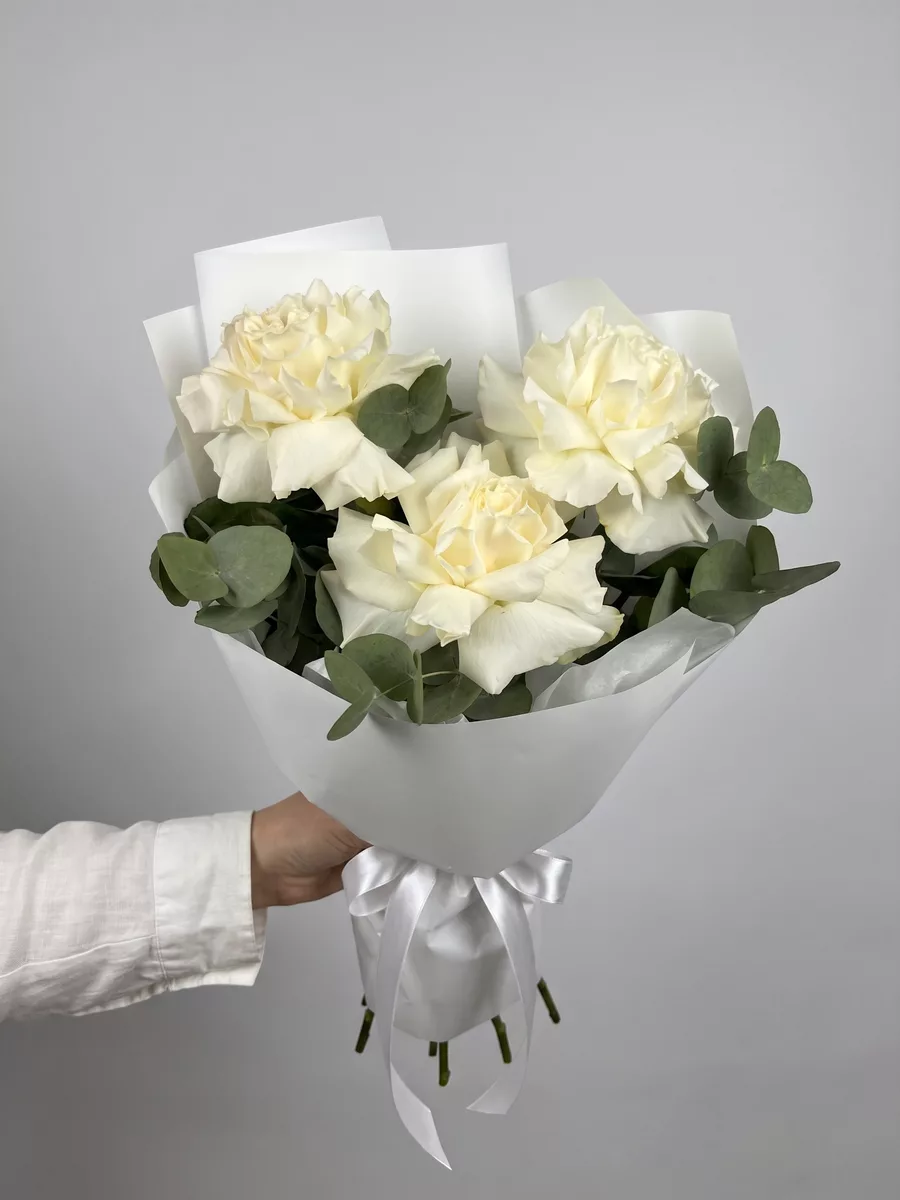
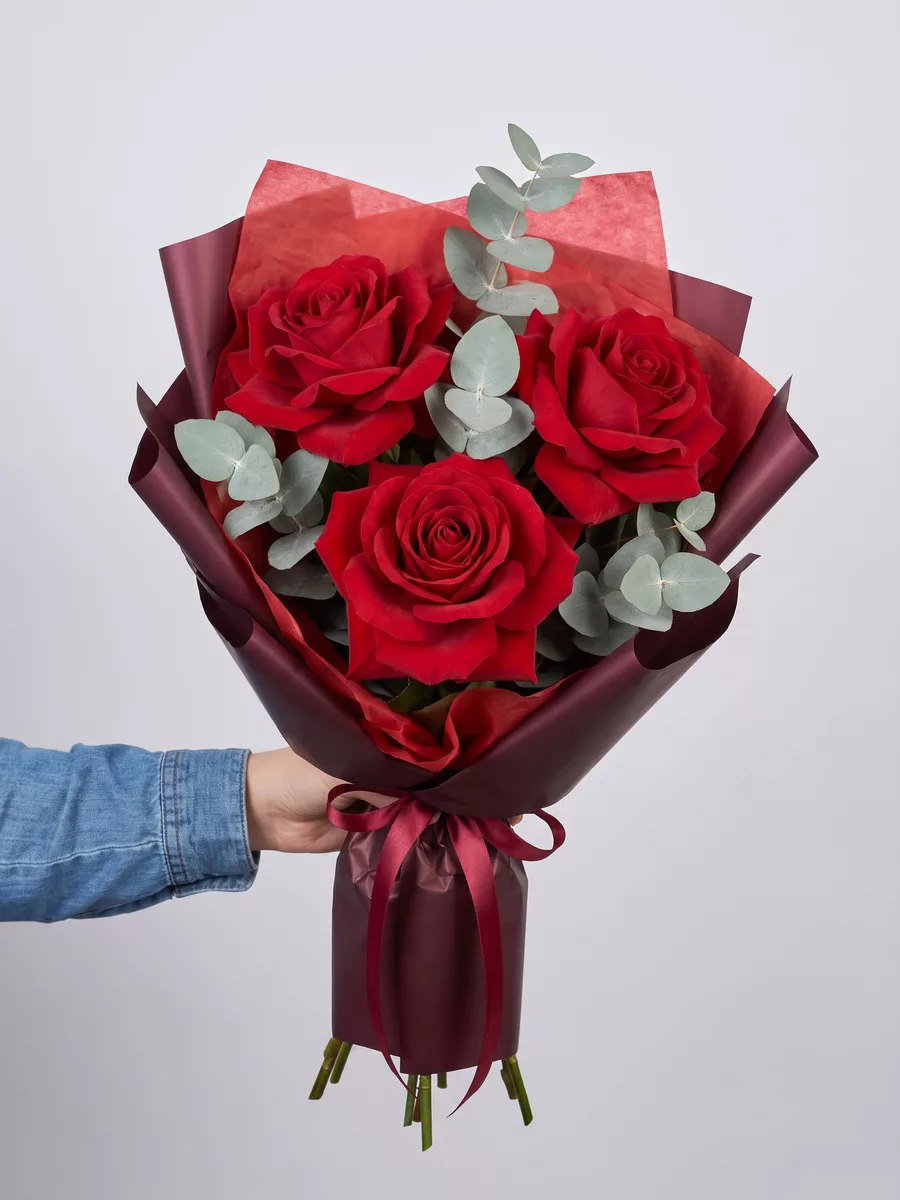
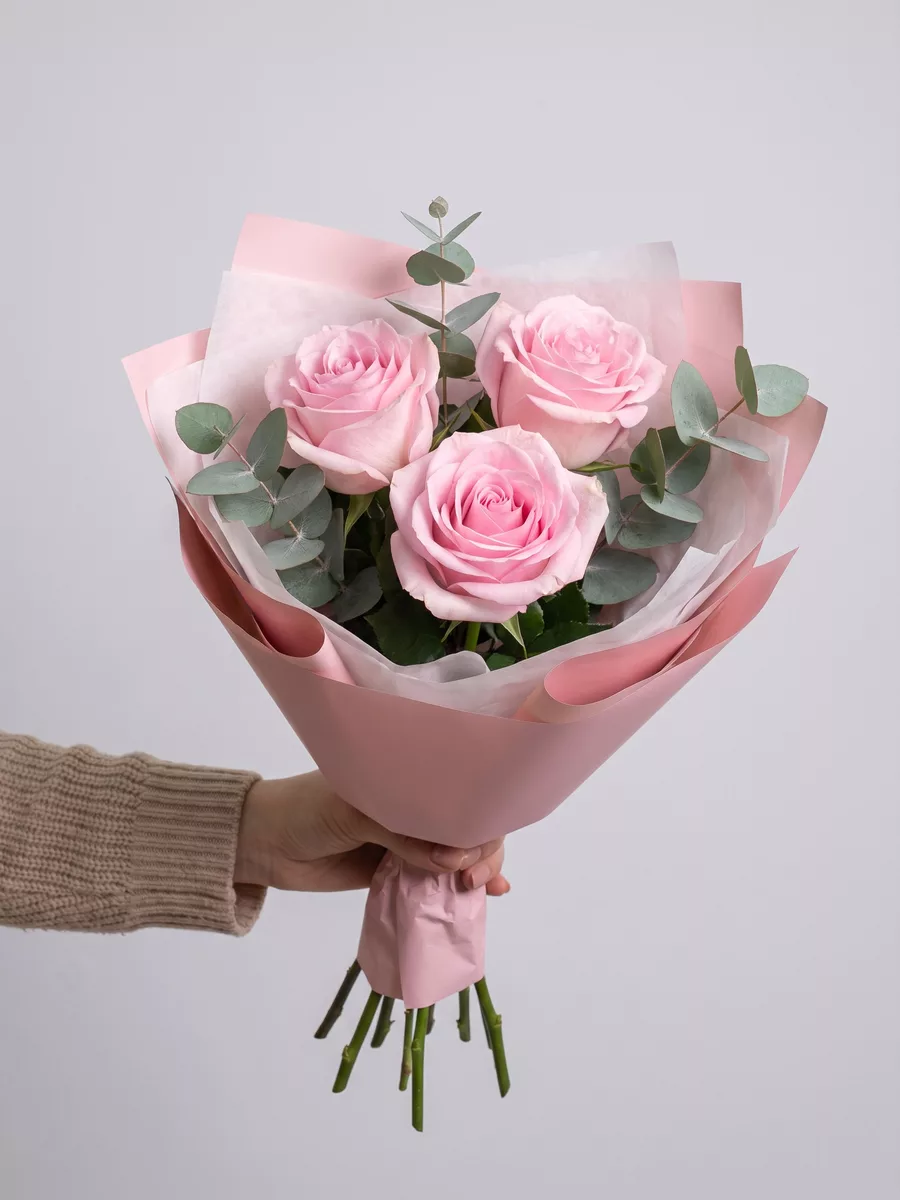
Bouquets we can deliver

Russian Gifting Customs a Foreign Sender Should Know
Flowers carry specific cultural weight in Russia, and a few simple rules will make your gift land exactly as you intend. The most important one: always send an odd number of stems. Even numbers of flowers are associated with mourning and funerals in Russian tradition, so a bouquet of ten roses, however beautiful, sends entirely the wrong message. Eleven, fifteen, or twenty-one stems are all considered appropriate and celebratory.
Colour choices also carry meaning. Red roses are romantic and direct — they are a confident declaration, not a casual gesture. Pink roses or peonies read as warm and affectionate without the intensity of red, making them excellent for birthdays, anniversaries with a softer tone, or sending to a mother or grandmother. White flowers are elegant and work well for formal celebrations or congratulations, but avoid all-white arrangements for non-wedding occasions, as some older recipients associate them with solemnity.
Russian recipients genuinely appreciate presentation. A bouquet wrapped in kraft paper with a ribbon is seen as thoughtful and considered. Cellophane alone feels transactional. If you can add a handwritten card message in Russian, even a short one, it will be remembered. Turboflora can include a printed card with your message — write it out exactly as you want it to appear, and if you want it translated into Russian, note that clearly when ordering. A message in the recipient's own language always lands with more warmth.
Choosing Flowers for Chernushka's Climate and Seasons
The Perm Krai has a continental climate with cold, long winters and short but genuine summers. In January and February, outdoor temperatures in Chernushka regularly fall below minus fifteen Celsius. This is not a minor detail — it directly affects which flowers survive the journey from the florist's vehicle to the recipient's door.
In winter months, choose flowers with sturdy, closed blooms that can tolerate brief cold exposure without damage. Roses in bud form, alstroemeria, and chrysanthemums are all reliable. Avoid open tropical blooms like anthuriums or orchid sprays in January and February — they bruise and blacken quickly at sub-zero temperatures, even during a short walk from a car to a front door. If you are set on something exotic for a winter occasion, ask Turboflora to pack the bouquet with extra insulating wrap and schedule delivery for the warmest part of the day, usually early afternoon.
Spring and early summer bring a wonderful seasonal shift. By late April, tulips are at their best — and in Russia, tulips carry enormous cultural significance, particularly around Women's Day on 8 March, which is the single biggest flower-giving occasion in the Russian calendar. If your recipient's birthday or anniversary falls in spring, a generous bunch of tulips in mixed colours or a single bold colour is both locally meaningful and genuinely beautiful. Summer allows for peonies, which Russians adore, and garden-style arrangements with lisianthus and stocks that feel abundant and celebratory rather than formal.
Matching the Bouquet to the Occasion and the Person
Think first about who is receiving the flowers and what you want them to feel when they open the door. A young woman receiving flowers from a partner abroad should feel desired and surprised — that calls for something bold, like a tall arrangement of red or deep burgundy roses with dark foliage, or a lush mixed bouquet with peonies and ranunculus if the season allows. The scale matters: a small bunch can feel apologetic over distance. Go larger than you think necessary.
For a parent or grandparent, warmth and familiarity work better than drama. Chrysanthemums in yellow and white are genuinely beloved by older Russian recipients — they are not considered old-fashioned there, they are considered generous and cheerful. A basket arrangement rather than a hand-tied bouquet also suits an older recipient well, as it arrives ready to display without the effort of finding a vase and cutting stems.
For a colleague, a friend's birthday, or a professional congratulation — a new job, a graduation, the arrival of a baby — go for something bright and mixed. Gerberas in orange and yellow, alstroemeria in two complementary tones, or a sunflower arrangement read as celebratory without being romantic. These arrangements also tend to last well, which matters when you cannot be there in person to replace wilting stems. The longevity of the bouquet becomes part of the gift — every day it stays fresh is another day your recipient thinks of you.
Budget Ranges and What They Get You in Practice
Ordering from abroad often means you have less sense of what a given budget actually buys in Russian flower terms. The honest answer is that Russian flower pricing is generally lower than Western European or North American equivalents for comparable quality, so your budget tends to go further than you expect.
At the entry level, you are looking at a neat, single-variety bouquet: eleven roses, or a mixed arrangement of seasonal stems with proper wrapping. This is a genuine, lovely gift — do not underestimate it. The presentation and the gesture carry as much weight as the stem count.
Mid-range budgets open up mixed compositions: roses combined with gypsophila and eucalyptus for texture, or a peony-centred arrangement with complementary filler flowers. These bouquets photograph beautifully, which matters because the recipient will almost certainly share a photo with you over a messaging app. Russians use WhatsApp and Telegram widely, and your recipient sending you a photo of the bouquet in their home is a near-universal response to a flower delivery.
At a higher budget, you can request a large, structured arrangement — something that makes a statement in a room. Think of tall roses in a box, a hat-box arrangement of mixed garden flowers, or a generous hand-tied bouquet with premium seasonal blooms like peonies or garden roses. If the occasion is significant — a milestone birthday, a major anniversary — invest here. The size and quality of the arrangement communicates the importance of the moment in a way that a modest bouquet simply cannot match across that kind of distance.
Placing the Order from Outside Russia — Practical Steps
The process of ordering from abroad is straightforward if you approach it methodically. You will need the recipient's full address in Chernushka, including the apartment number and building entrance number if applicable — Russian apartment buildings often have multiple entrances, and a delivery driver without the right entrance number will lose significant time. If you are unsure of these details, message your recipient casually beforehand without revealing the surprise, or ask a mutual contact.
You will also need the recipient's phone number in Russian format. Turboflora's delivery team will call ahead to coordinate — this is standard practice and ensures the bouquet is received in person rather than left with a neighbour or at a door. Make sure the number you provide is active and that your recipient will answer calls from an unfamiliar Russian number. If they tend to ignore unknown callers, let them know to expect a call on the day.
Payment from abroad is handled through international card processing. Use a card that does not charge high foreign transaction fees, and if your bank flags the transaction as unusual, have your phone ready to confirm it. Some senders find it easier to use a digital wallet or a card specifically set up for international purchases. When writing the delivery note, keep your message warm but brief — florists transcribe these by hand, and a very long message risks transcription errors. Three or four sentences, clearly written, will be reproduced accurately and read beautifully.
Keeping the Flowers Fresh After Delivery — Advice to Pass On
Once the bouquet arrives, its lifespan depends almost entirely on what happens in the first thirty minutes. Share these simple instructions with your recipient, either in a message beforehand or written on the care card. They make a real difference, especially in winter when central heating in Russian apartments runs very high and dries flowers quickly.
The stems should be cut at an angle under running water before being placed in a vase. This sounds like a small detail but it is the single most effective thing a recipient can do to extend vase life. An angled cut increases the surface area through which the stem draws water, and cutting under water prevents an air bubble from blocking the stem. A clean, sharp knife works better than scissors, which can crush the stem tissue.
The vase water should be cool and changed every two days. Flower food sachets, which Turboflora includes with bouquets, should be dissolved in the first fill of water. Keep the arrangement away from direct heat sources — radiators, sunny windowsills in summer, and the top of televisions are all common mistakes in Russian homes. A cool corner of the room, or a spot near a window without direct sun, will add several days to the display.
Roses and alstroemeria typically last seven to ten days with proper care. Tulips are shorter at four to six days but are so visually impactful that the brief display is worth it. Chrysanthemums are the endurance champions — they can last two weeks or more. If your recipient is someone who tends not to fuss over plants, a chrysanthemum-forward arrangement is a quietly practical choice that stays beautiful long after the occasion has passed.
Sending flowers to Chernushka from abroad is one of those gestures that lands with unusual force precisely because of the distance involved. Your recipient knows what it took — the time zone calculation, the international payment, the careful address details — and that effort is felt before the bouquet is even unwrapped. Choose well for the season, get the timing right by ordering a day ahead in your local time, follow the odd-number rule, and write something genuine on the card. The flowers will do the rest.
Frequently asked questions
Can I really send flowers to Chernushka from another country the same day?
Yes, but only if you place the order early enough in the Chernushka day. Chernushka is on UTC plus five, so a same-day delivery requires your order to be confirmed before early afternoon local Chernushka time. Ordering the evening before in your own time zone is the safest approach and removes all timing risk.
Why does the number of flowers matter in Russia?
In Russian tradition, even numbers of flowers are associated with funerals and are never given as celebratory gifts. Always choose an odd number — eleven, fifteen, or twenty-one stems are all natural and generous choices. This is one of the most important cultural details for a foreign sender to get right, and it costs nothing to follow.
What flowers hold up best in Chernushka's cold winters?
Roses in tight bud form, alstroemeria, and chrysanthemums all tolerate brief cold exposure well during the walk from the delivery vehicle to the front door. Avoid open tropical flowers like anthuriums in January and February. Ask for extra insulating wrap on any order placed during the coldest months.
Do I need to speak Russian to place an order with Turboflora?
No. The Turboflora website and ordering process are accessible to international customers. When writing a card message, you can write in English and note that you would like it translated, or write your message in Russian yourself. The delivery team handles coordination with the recipient in Russian on your behalf.
What information do I absolutely need before placing the order?
You need the recipient's full street address including apartment number and building entrance number, their active Russian mobile phone number, and the preferred delivery date and time window. Without the entrance number for an apartment building, delivery can be significantly delayed. A Russian phone number that the recipient will answer is equally essential.
Ready to send flowers?
Pick the city, choose the bouquet, and a local florist takes it from there.
Choose a city →