Sending Flowers to Dalnerechensk from Abroad: What You Need to Know
Dalnerechensk sits in the far east of Primorsky Krai, closer to the Chinese and North Korean borders than to Moscow, and yet a bouquet ordered from Tokyo, Berlin or Vancouver can reach someone there within hours. If you are outside Russia and want to send flowers to a person you care about in this city, the distance feels enormous — but the process is more straightforward than you might expect. What matters is understanding the local climate, the right timing, and which flowers will actually arrive looking the way you imagined them.
Why Dalnerechensk Is Different from Other Russian Cities
Most people ordering flowers internationally think of Moscow or Saint Petersburg, where delivery infrastructure is dense and flower variety is wide. Dalnerechensk is a smaller city in the Russian Far East, which changes a few things worth knowing before you place your order. The city experiences a humid continental climate with cold winters that can drop well below minus twenty Celsius and warm, sometimes humid summers. That temperature range matters enormously for cut flowers in transit.
In winter, flowers travelling through unheated spaces or left on a doorstep in freezing air can suffer cold damage within minutes. Roses, tulips and gerberas are especially sensitive. In summer, heat and humidity accelerate wilting, so bouquets with dense foliage or tightly packed blooms need to be assembled and delivered quickly. Knowing the season when you order is not just background detail — it shapes which flowers your florist will recommend.
The city also has a distinct local character. It is a working city, not a tourist destination, and people there appreciate sincerity over extravagance. A well-chosen, honest bouquet of fresh seasonal flowers tends to land better than an elaborate arrangement that looks impressive in a photograph but feels impersonal in person. When you order from abroad, sharing a little context about the recipient — their age, the occasion, their taste — helps the florist make something that genuinely fits.
Bouquets we can deliver

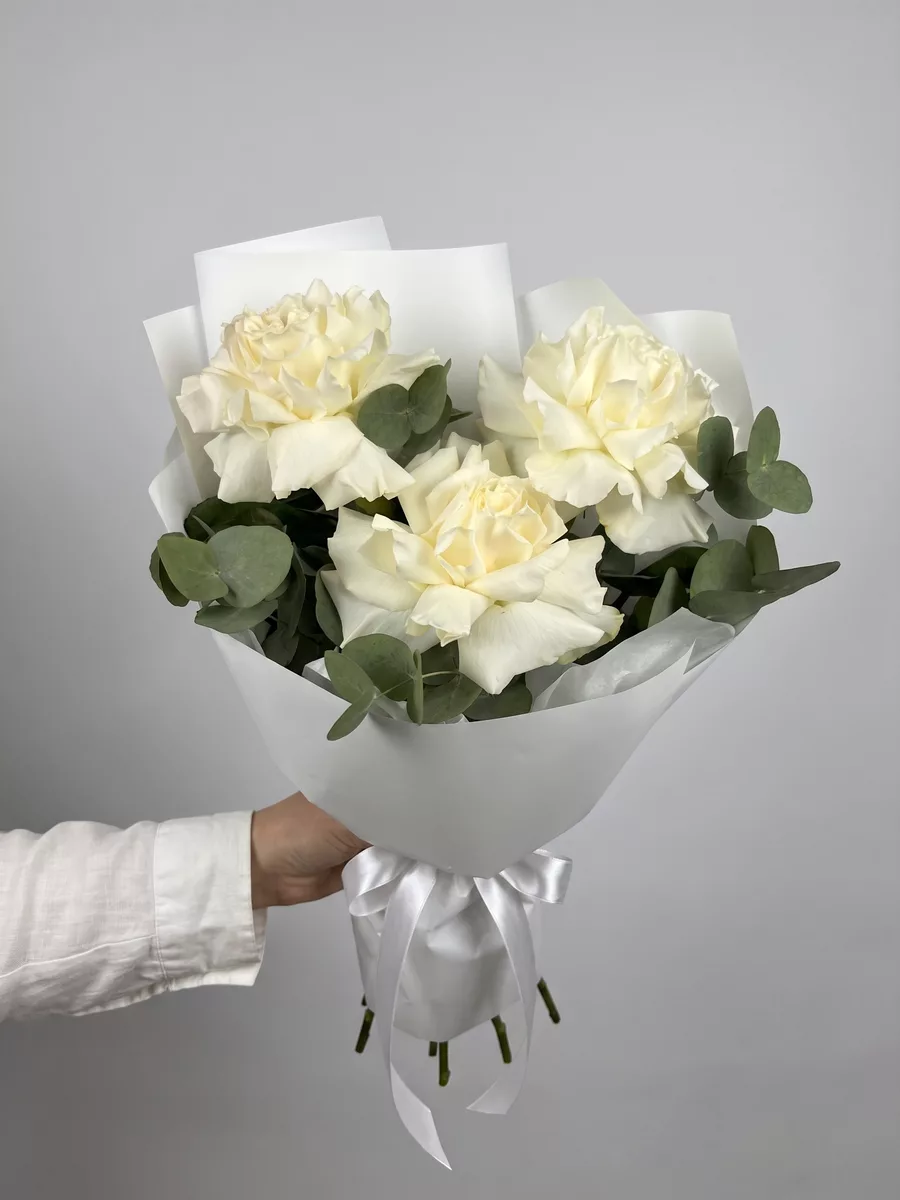
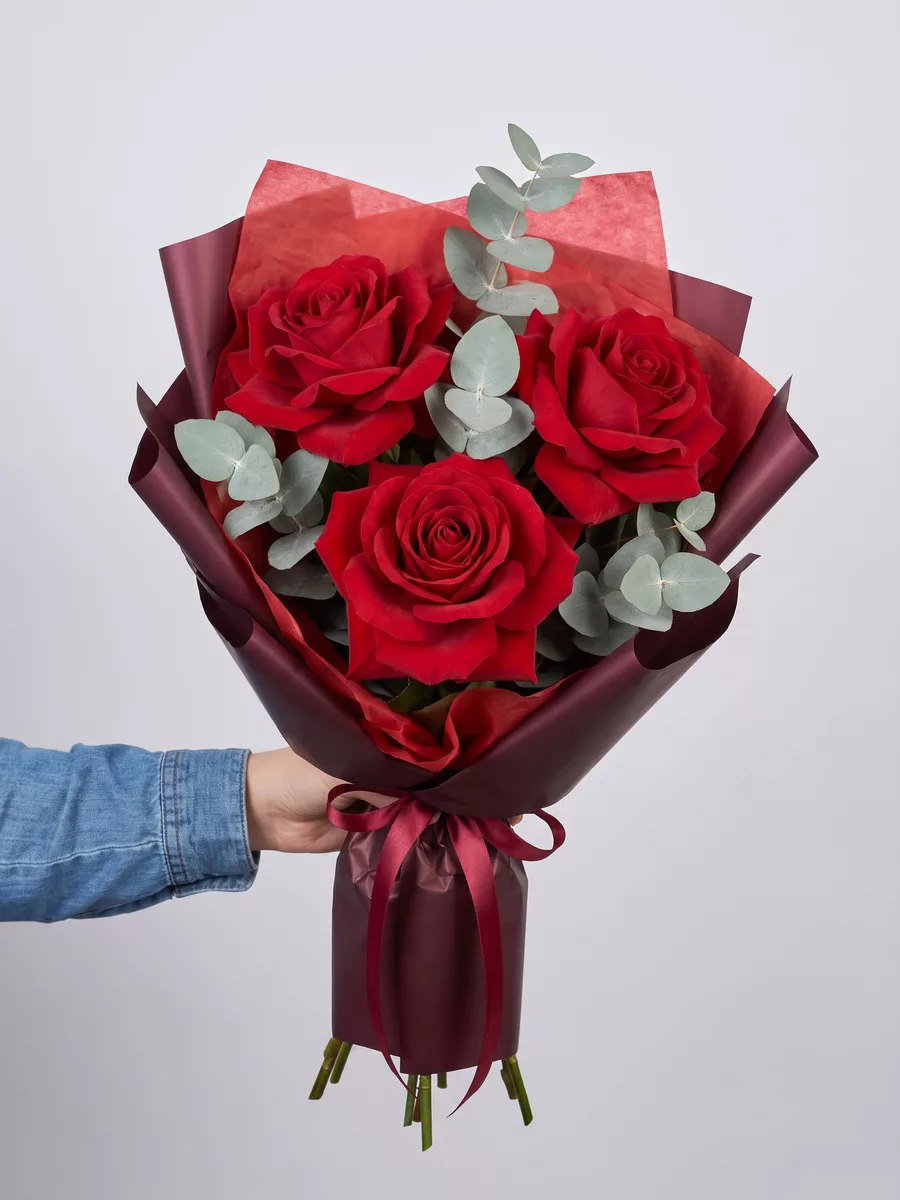
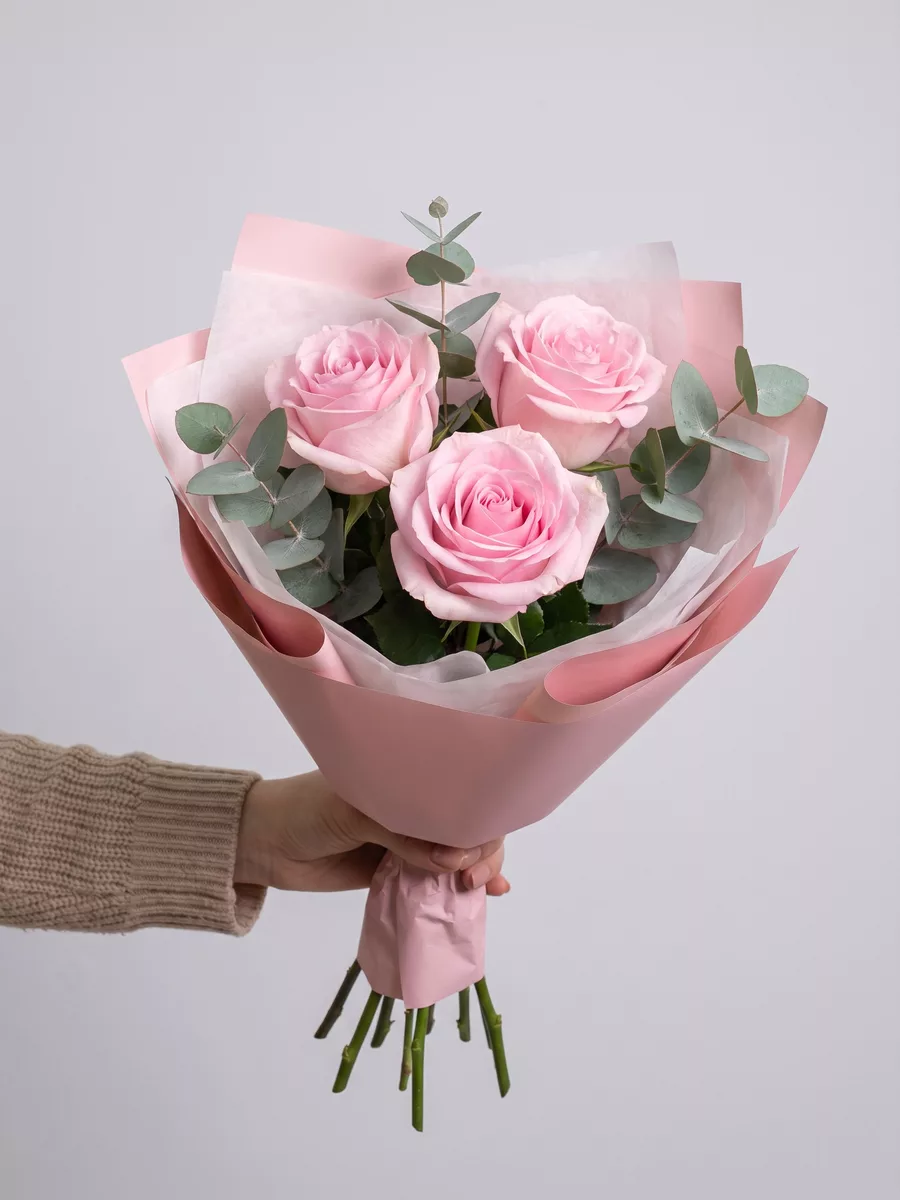
Choosing Flowers for the Occasion, Not Just the Season
The occasion shapes the bouquet more than anything else. A birthday calls for something celebratory and personal — think sunflowers for warmth, spray roses for tenderness, or lisianthus in soft purple tones for someone who appreciates something a little less expected. An anniversary deserves more deliberate romance: garden roses, peonies when in season, or a structured arrangement of red and blush tones that feels considered rather than rushed.
For professional milestones — a promotion, a graduation, a new job — chrysanthemums and alstroemeria are reliable choices because they carry a respectful, cheerful energy without being overly intimate. In Russian culture, giving flowers to mark achievements is completely normal and warmly received, even in a workplace context. If you are sending to a woman you do not know well, a mixed seasonal bouquet with greenery reads as thoughtful and appropriate.
One thing to know if you are unfamiliar with Russian floral customs: the number of flowers in a bouquet traditionally matters. Even numbers are associated with mourning, so florists in Russia always compose bouquets in odd numbers — five, seven, eleven, fifteen stems. This is done automatically by a professional florist, but it is worth knowing so you understand why your bouquet of twelve roses becomes thirteen. It is not a mistake; it is care. If you are ordering with a specific number in mind, always go odd, and your recipient will notice the attention to detail.
Timing Your Order Across Time Zones
Dalnerechensk operates on Vladivostok Time, which is UTC plus ten. If you are in London, that is a ten-hour difference. If you are on the west coast of North America, you are looking at nearly a full day ahead. This gap is the single most common source of confusion for international senders, and getting it wrong means the bouquet arrives at midnight or before the recipient is home from work.
When you place an order, always think in Dalnerechensk local time, not your own. A same-day delivery requires your order to be placed with enough lead time for preparation and transit — typically at least two to three hours before the desired delivery window. If you want flowers to arrive for a morning birthday, you may need to place your order the previous evening by your local clock, which could mean placing it in the middle of your afternoon.
The safest approach for important occasions is to schedule delivery for late morning or early afternoon Dalnerechensk time. This gives the recipient time to be awake, presentable and at home or at a location where they can receive the flowers. Offices and workplaces are also excellent delivery destinations because someone is almost always available to receive the bouquet and the gesture becomes public in a way that many recipients find delightful. When you fill in the delivery address, include the floor and office number if relevant — Russian addresses can be specific about building entrances and apartment numbers, and a complete address prevents delay.
Which Flowers Travel Best to the Russian Far East
Not every flower is equally suited to the journey and conditions in Dalnerechensk. When ordering from abroad, you want varieties with strong stems, good water retention and resilience to temperature fluctuation. Roses are the classic choice and remain reliable year-round when handled properly — choose varieties with firm petals rather than garden-style open blooms, which are more fragile. Chrysanthemums are exceptionally hardy and come in a wide range of colours from white and yellow to deep burgundy, making them versatile for almost any occasion.
Alstroemeria is another excellent choice: it is long-lasting, comes in warm and cool tones, and holds up well even if there is a brief temperature stress during transit. Carnations, despite their reputation as a secondary flower, are genuinely robust and can look beautiful in monochromatic arrangements or mixed with greenery like eucalyptus or ruscus. Eustoma, also called lisianthus, adds an elegant ruffled texture and lasts well in a vase.
In summer months, sunflowers are a joyful and practical option — their thick stems retain water efficiently and they are naturally upright and bold. Peonies are available in late spring and early summer and are beloved in Russia, but they have a shorter vase life and are more delicate in heat, so timing matters. Tulips are a spring staple and arrive in Dalnerechensk looking fresh when ordered in March and April. Avoid very open or tropical blooms like anthuriums or bird of paradise if you are uncertain about the transit conditions — they are more sensitive to cold and handling.
How to Write a Card Message That Means Something
A card message sent from abroad carries extra weight. Your recipient knows you thought of them from far away, and the words on the card become something they may keep for a long time. Avoid generic phrases — 'Happy Birthday, best wishes' is kind but forgettable. Instead, say something specific: reference a shared memory, name a quality you admire in them, or simply describe how you feel about the distance between you.
If you are writing in English and your recipient reads Russian, consider writing in both languages — a line in Russian followed by the same thought in English, or vice versa. Many florists can include a transliterated Russian greeting if you ask. Common Russian birthday greetings include 'S Dnem Rozhdeniya' and a warm wish for health and happiness, which in Russian culture is genuinely meaningful rather than formulaic.
Keep the card short enough to be read in one breath. Three to five sentences is ideal. If you are sending for a professional occasion, a tone of warm respect works better than humour, which can lose something across cultures. For a romantic occasion, directness is appreciated — Russian recipients generally respond well to sincere, clear expressions of feeling rather than elaborate metaphor. The florist can print your message neatly on a card that accompanies the bouquet, so type it exactly as you want it to appear, including any punctuation or line breaks that matter to you.
Caring for the Bouquet After Delivery: What to Tell Your Recipient
You can order the most beautiful arrangement in the world, but if the recipient does not know how to care for it, the flowers will fade within two days. Since you are sending from abroad, it is worth including a short note with care instructions, or simply letting them know what to do when you speak to them after delivery.
The first step is always the same: trim the stems at an angle, about two centimetres from the bottom, using a sharp knife or scissors. This reopens the water channels and allows the flower to drink immediately. The cut should be done under or near water if possible to prevent an air bubble from blocking the stem. Then place the bouquet in a clean vase with fresh, cool water — not ice cold, not warm.
Change the water every two days and re-trim the stems each time. Keep the flowers away from direct sunlight, radiators and draughts. In Dalnerechensk winters, this means not placing the vase near a window that gets cold air, and in summer, avoiding south-facing windowsills that get hot afternoon sun. Remove any leaves that sit below the waterline, as they rot quickly and cloud the water.
With this basic care, roses and chrysanthemums will last seven to ten days. Alstroemeria can reach twelve to fourteen days. Tulips are shorter-lived at five to seven days but look spectacular while they last. Lisianthus falls somewhere in between, usually eight to ten days with good water hygiene. Sharing these numbers with your recipient gives them something to look forward to each morning.
Making the Order: What Information You Will Actually Need
Ordering flowers for Dalnerechensk from outside Russia requires a few specific pieces of information, and having them ready before you start makes the process smooth. The most important is the full delivery address in Russian or romanised form: city, street, building number, apartment or office number, and the entrance number if the building has multiple entrances. In Russian residential buildings, the entrance — called a 'podyezd' — is numbered, and without it the courier may not be able to reach the right door.
You will also need the recipient's phone number with the Russian country code, which is plus seven. The courier will typically call ahead to confirm delivery, especially if the recipient is not home. If your recipient does not want to be surprised — perhaps they need to be at a specific location to receive the flowers — it is worth coordinating with them in advance about timing without revealing the full details of the gift.
Have your own contact information ready as well: an email address and ideally a phone number or messaging app handle where the shop can reach you if there is a question about the order. Payment from abroad is handled through international card processing, and you do not need a Russian bank account. When selecting your bouquet, describe the occasion and the recipient's personality rather than just picking by colour — a florist who understands the context will make better choices about stem count, size and finishing touches like wrapping style and ribbon colour. Kraft paper wrapping is currently very popular in Russia and gives a warm, artisanal feel that many recipients love.
Sending flowers to Dalnerechensk from another country is a gesture that crosses a remarkable distance, and the person who receives that bouquet will feel exactly that. They will know you thought about them specifically, chose something for them personally, and made the effort across time zones and borders to mark their day. The flowers themselves — whether sunflowers in July or roses in January — become a physical proof of that care. Get the timing right, choose varieties suited to the season, and write a card that says something real, and the bouquet will do everything you hope it will.
Frequently asked questions
Which flowers hold up best during Dalnerechensk's extreme winters when ordered from abroad?
Chrysanthemums, carnations and alstroemeria tolerate cold transit far better than roses or gerberas, which can blacken within minutes in freezing air. If you are ordering in January or February, ask your florist to prioritise these hardier stems and request that delivery happens during daylight hours when temperatures are slightly less severe.
Does the local character of Dalnerechensk affect what kind of bouquet I should choose?
It does. Dalnerechensk is a working city where people respond to sincerity rather than spectacle. A clean, generous bunch of fresh seasonal flowers in honest colours tends to feel more welcome than an elaborate constructed arrangement. When ordering from abroad, a simple note explaining who you are and why you are sending goes a long way alongside the flowers themselves.
What seasonal flowers are actually available in Dalnerechensk, and does variety differ from Moscow?
Selection is narrower than in Moscow or Saint Petersburg. Roses, chrysanthemums, carnations and spray roses are reliably available year-round. Tulips appear in spring, sunflowers in summer. Exotic or delicate varieties may not be stocked locally, so if your heart is set on something specific, confirm availability with the florist before finalising your order.
How should my recipient care for the flowers once they arrive, especially in a heated winter apartment?
Russian apartments in winter are often very warm and dry, which shortens vase life quickly. Your recipient should trim the stems at an angle, place the bouquet away from radiators, and change the water every two days. Chrysanthemums and alstroemeria will last longest under these conditions, sometimes ten days or more with basic care.
Can I include a personal message in a language other than Russian when sending to Dalnerechensk?
Yes, and it is often appreciated. Most florists servicing international orders will attach your message as written or can transliterate it. Writing in your own language adds a personal touch that reinforces the distance you bridged to send the flowers. Keep the message short and warm so nothing is lost if the florist needs to relay it verbally.
Ready to send flowers?
Pick the city, choose the bouquet, and a local florist takes it from there.
Choose a city →