Sending Flowers to Dankov from Abroad? Here Is Everything That Matters
You are sitting in Berlin, Toronto or Dubai, and someone you love is in Dankov — a quiet city in Lipetsk Oblast where a beautiful bouquet arriving at the door means a great deal. The distance between you feels real, but the gesture does not have to. Ordering flowers internationally is less complicated than most people expect, and when you understand a few key details about timing, seasonal availability and Russian gifting customs, the whole process becomes straightforward and genuinely moving for the person receiving them.
Why Dankov Is Worth Getting Right
Dankov sits in the Lipetsk region of central Russia, a city with a slower, more personal rhythm than Moscow or Saint Petersburg. When flowers arrive there, they are noticed. Neighbours see the delivery, family members gather around the bouquet, and the story of who sent them and from where becomes part of the occasion itself. That context matters when you are choosing what to send.
Because Dankov is not a major metropolitan centre, the recipient will understand that you made a deliberate effort. A thoughtful arrangement — one that suits the season, the person and the moment — lands with far more weight than a generic bunch. Think about who will receive it. A grandmother celebrating a birthday responds differently to soft garden roses and lisianthus than a young woman does to a graphic arrangement of protea and tropical foliage. Starting from the recipient, not from a product list, is always the right approach.
The city experiences genuine continental seasons: cold winters with temperatures well below zero, warm summers and distinct spring and autumn periods. Each season affects which flowers travel best and which combinations look most natural in a Dankov home. A florist who understands that geography is already thinking about your order more carefully than one who simply ships a standard box. Turboflora delivers to Dankov with that local awareness built into every arrangement, so the bouquet arrives looking as it should — fresh, full and exactly right for the moment.
Bouquets we can deliver
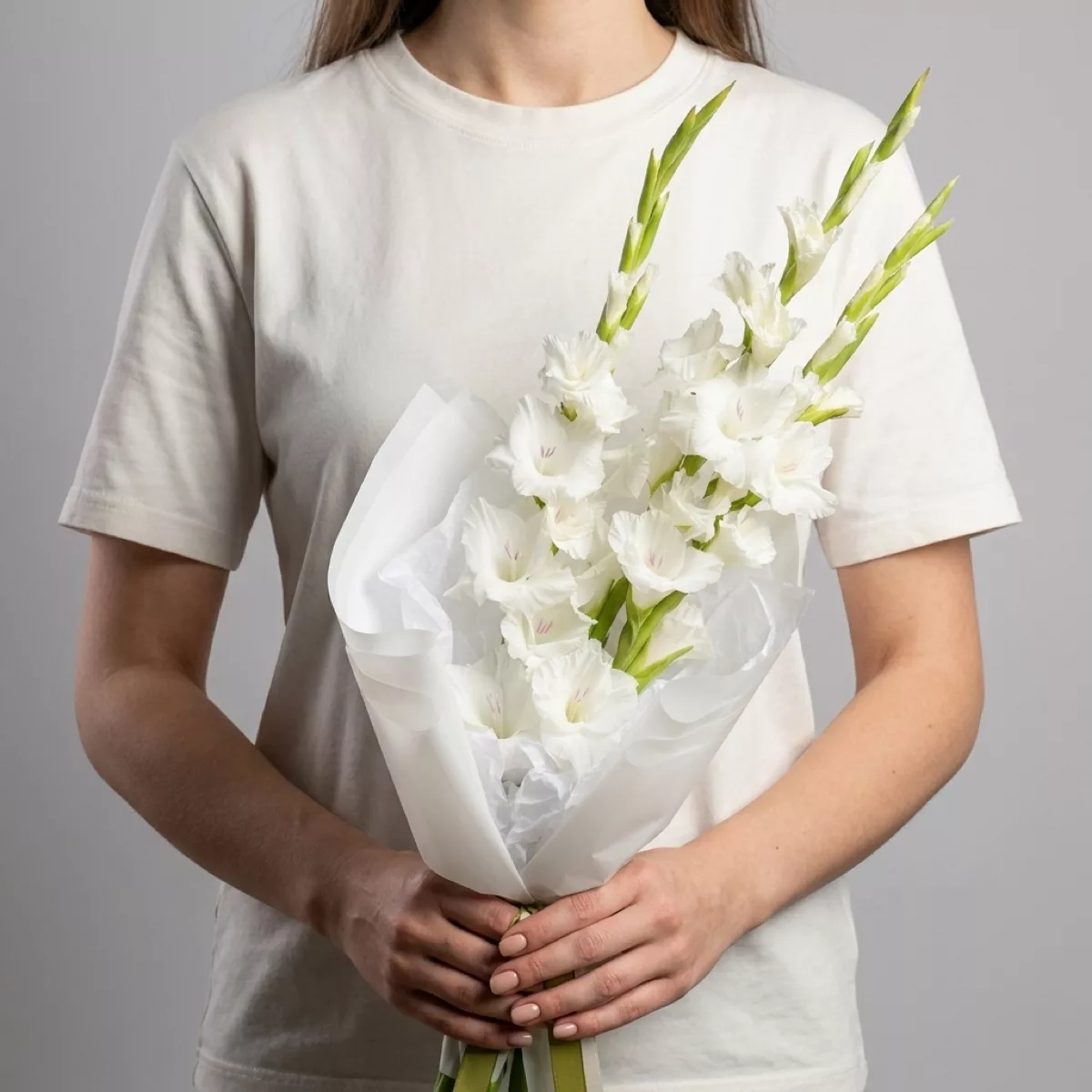
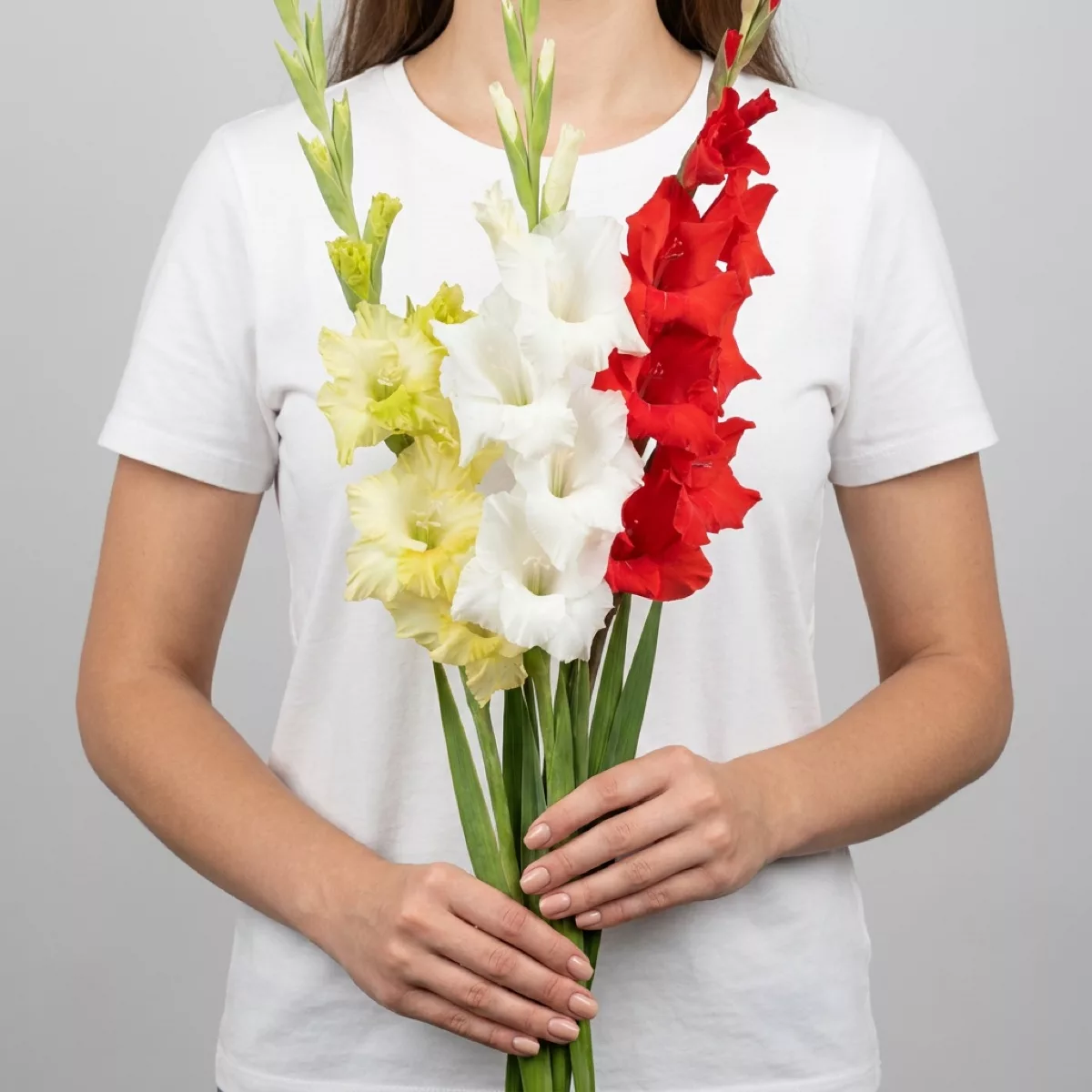
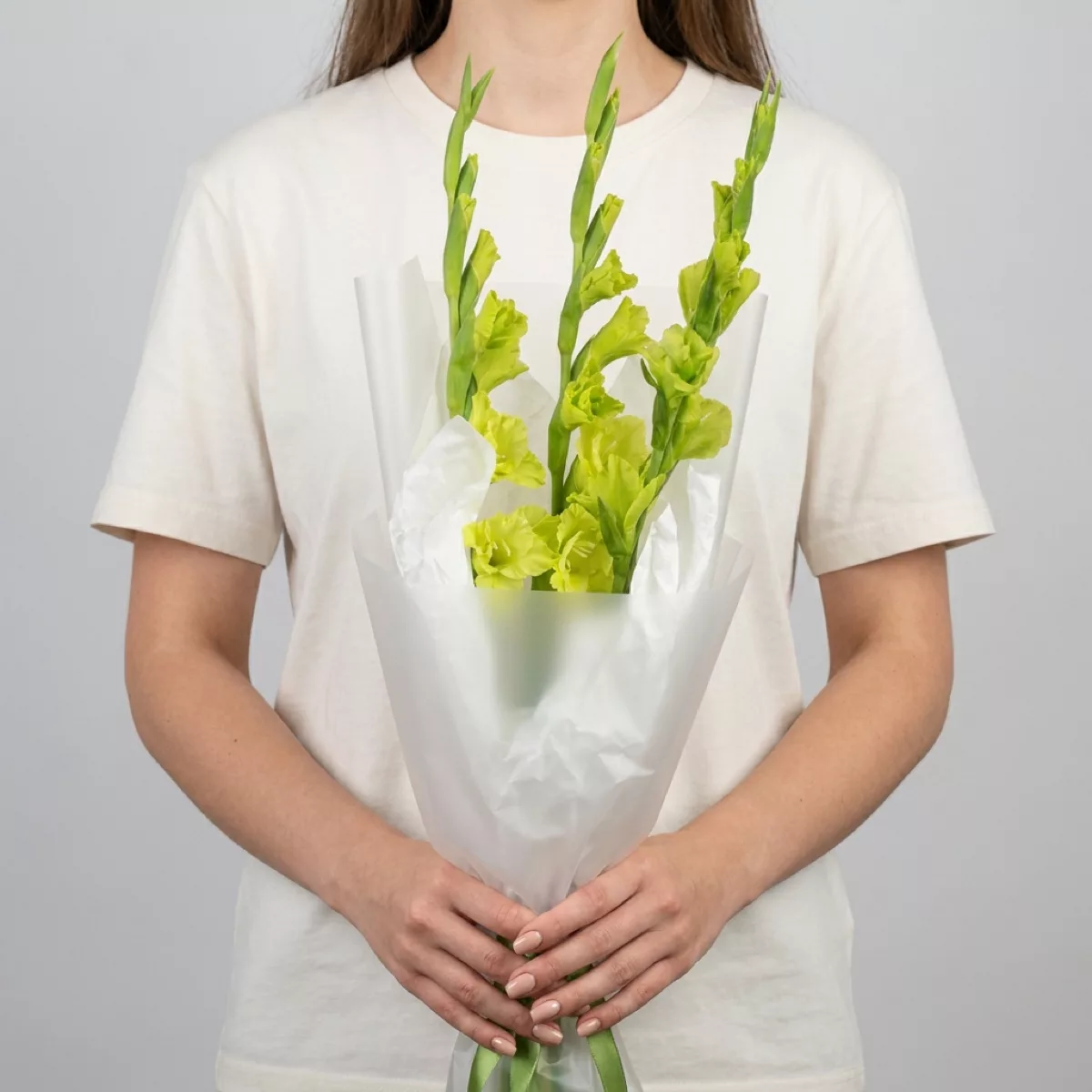
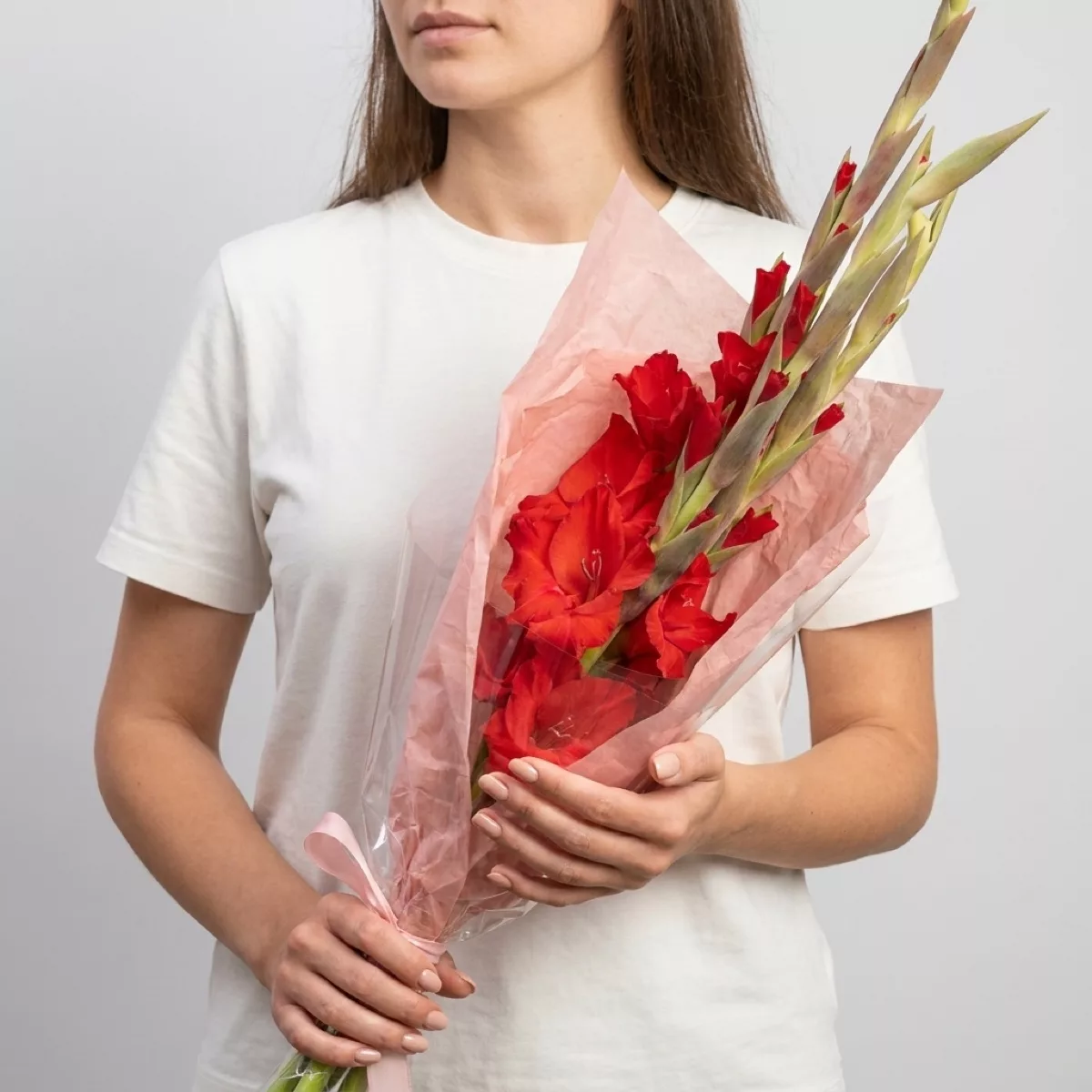
Timing Your Order Across Time Zones
The single most common mistake international senders make is underestimating the time zone gap. Dankov runs on Moscow Time, which is UTC plus three hours and does not observe daylight saving. If you are in New York, that is an eight-hour difference in winter and a nine-hour difference in summer. Someone in Tokyo is six hours ahead of Dankov. Before you place your order, convert the delivery window to Moscow Time and check that it falls within a reasonable waking hour for the recipient.
Turboflora delivers within one to two hours of order confirmation, which gives you real precision. If you want flowers to arrive at eleven in the morning Dankov time, place your order no later than nine or nine-thirty Moscow Time. Give yourself a buffer, especially if you are placing the order late at night in your own time zone — you may be ordering for the next day without realising it.
For significant occasions — birthdays, anniversaries, the eighth of March, the first of September — order at least a day in advance. These dates see high demand across all Russian cities, and early ordering means the freshest stems and the most complete selection of varieties. Last-minute orders are absolutely possible on ordinary days, but on major holidays the window tightens. International senders who plan ahead consistently get better results, both in flower quality and in the satisfaction of knowing the delivery is confirmed before they go to sleep in their own time zone.
Russian Gifting Customs an International Sender Should Know
Russia has a few floral customs that differ from Western European or North American norms, and knowing them saves you from an accidental misstep. The most important one is the odd-number rule. Bouquets for living recipients are always given in odd numbers of stems — one, three, five, seven, eleven and so on. Even numbers of flowers are traditionally associated with mourning and funerals, so a bouquet of twelve red roses, while luxurious in many countries, would feel wrong to a Russian recipient. Turboflora composes all bouquets according to this convention automatically, but it is worth knowing so you understand what you are receiving.
Colour carries meaning too, though the associations are less rigid than the number rule. Red roses signal romantic love clearly and universally. White flowers are elegant and widely appreciated for birthdays and celebrations. Yellow flowers have historically been associated with separation or bad luck in older Russian tradition, though younger generations are far less concerned about this, and yellow tulips in spring are genuinely popular. If you are unsure, a mix of warm pinks, corals and creamy whites is universally safe and beautiful.
Giving a single flower, particularly a single rose, is a completely acceptable and even romantic gesture in Russia — it is not seen as insufficient the way it might be in some cultures. A single long-stemmed rose presented well, with ribbon and wrapping, is a classic and appreciated gift. Finally, flowers are typically handed over with both hands or at least received with both hands — a small detail the recipient will handle naturally, but one that shows the tradition values the gesture itself.
Choosing Flowers for the Season in Central Russia
Central Russia's climate shapes what is available locally and what travels best at different times of year. In winter, from November through February, temperatures in Dankov regularly drop to minus fifteen or even lower. Cold itself is not the problem for cut flowers — in fact, cool air extends vase life — but the transition from cold outdoor air into a warm apartment can cause condensation and stress on petals. Roses, chrysanthemums and carnations handle this transition reliably. Delicate open flowers like garden anemones or sweet peas are more fragile in extreme cold.
Spring, from March through May, is one of the best seasons for sending flowers to any Russian city. Tulips are the iconic spring flower and arrive in extraordinary variety — single, double, parrot and fringed forms in every colour. Daffodils, hyacinths and ranunculus are also at their peak. The eighth of March, International Women's Day, falls right in the heart of tulip season, making it the most flower-saturated day of the Russian calendar.
Summer brings peonies, which Russians adore deeply, along with sunflowers, lisianthus and a wide range of spray roses. Autumn is the season for dahlias, solidago and rich burgundy tones that suit the mood of the turning leaves. If you are sending in October or November, a bouquet of garden roses in deep red or burnt orange with eucalyptus and dried cotton stems feels completely at home in a Dankov apartment at that time of year. Matching the season is not just practical — it shows the recipient you thought about their world, not just yours.
Bouquet Combinations That Work Well as Gifts
Thinking in combinations rather than single varieties produces far more interesting and lasting results. A bouquet built around a focal flower, a supporting flower and a textural element almost always looks more professional and feels more generous than a single-variety bunch, even when the stem count is the same.
For a romantic occasion, pair deep red garden roses with burgundy lisianthus and silvery eucalyptus. The lisianthus adds ruffled texture that makes the roses look more luxurious, and the eucalyptus provides a clean, botanical contrast. This combination photographs beautifully and lasts well in a vase — both important qualities when the recipient will want to enjoy it for days and share it with others.
For a birthday, especially for a woman over fifty, soft pink peonies with white alstroemeria and green pittosporum are a consistently beloved choice. Alstroemeria is long-lasting, which means the bouquet stays beautiful for up to two weeks with basic care — a practical kindness when you are sending from abroad and cannot follow up in person.
For something more contemporary and design-forward, consider protea or leucadendron as the focal point with white spray roses and dried pampas grass. This style is popular with younger recipients in Russian cities and has a sculptural quality that works well in modern interiors. For children's celebrations, sunflowers with bright yellow and orange gerberas and lime-green chrysanthemums are cheerful, robust and genuinely joyful. Always ask yourself what the recipient's home looks like and what kind of beauty they respond to — the best bouquet is the one that feels like it was made for them specifically.
What to Write on the Card — and How
The card message is where many international senders feel uncertain, especially when the recipient reads Russian and the sender does not. A short message in your own language is perfectly fine and often deeply touching — it shows the words came directly from you. If you want to write in Russian, keep it simple. A transliterated phrase like 'S dnem rozhdeniya' means 'Happy Birthday', and 'Ya tebya lyublyu' means 'I love you'. Simple phrases transliterated into Latin script can be copied accurately by the florist onto the card.
If you want a full Russian message, write it in English and request a translation in your order notes. Keep the message warm and personal rather than formal. Russian emotional expression in writing tends to be direct and sincere — elaborate flowery prose can feel impersonal, while a simple 'I am thinking of you today and wishing you every happiness' translates beautifully into Russian and lands exactly right.
Avoid generic phrases like 'with best wishes from the team' if you are sending personally — Russian recipients read cards carefully and appreciate knowing the specific person behind the gift. Sign with your name and, if appropriate, your city. 'With love from Anna, London' is a complete and perfect card message. It tells the recipient everything they need to feel the warmth of the gesture: who you are, where you are, and that you took the time to reach across the distance.
Caring for the Bouquet After Delivery — What to Tell the Recipient
When you send flowers from abroad, you will not be there to help with the vase, the water or the placement. Passing on a few simple care instructions — either in the card or in a message you send separately — means the bouquet lasts as long as possible and the recipient gets the full value of your gift.
The most important step is immediate: cut the stems at an angle, about two centimetres from the bottom, as soon as the bouquet is unwrapped. This opens the vascular system of the stem and allows the flower to drink properly. Use a clean, cool vase — not warm water, which encourages bacterial growth. Change the water every two days and re-cut the stems each time. Remove any leaves that fall below the waterline, as they decompose quickly and cloud the water.
In a Dankov apartment in winter, the central heating can be intense — rooms are often kept very warm, which shortens vase life significantly. Placing the bouquet away from radiators and out of direct sunlight adds several days to its freshness. At night, moving it to a cooler room or even a cool hallway makes a noticeable difference.
Roses and lisianthus, with proper care, last seven to ten days. Chrysanthemums and alstroemeria can reach twelve to fourteen days. Tulips are shorter-lived at four to six days but open beautifully as they age. Letting the recipient know what to expect helps them appreciate each stage of the bouquet rather than feeling disappointed when the first petals fall. A flower that has been cared for and enjoyed fully is the best possible outcome for a gift sent with love from far away.
Sending flowers to Dankov from abroad is one of the most personal things you can do across a long distance. The gesture says that you know where someone is, that you thought about their day, and that you took the time to make something beautiful arrive at their door. With the right timing, a seasonal combination chosen for the recipient rather than for convenience, and a card that sounds like you, the bouquet will carry all of that meaning clearly. Turboflora handles the distance and the logistics — your part is simply to know the person you are sending to, and you clearly already do.
Frequently asked questions
Can I send flowers to Dankov if I do not speak Russian?
Yes, entirely. The order process at Turboflora works in a straightforward way for international customers. You can write your card message in English and request a Russian translation in the notes. Our florists handle the local delivery communication, so you do not need to speak Russian at any stage of the process.
How far in advance should I order for a birthday or holiday?
For ordinary days, same-day ordering works well — Turboflora delivers within one to two hours. For major dates like the eighth of March, the first of September or New Year, order at least one full day ahead. These occasions see very high demand across Russia, and early orders secure the freshest flowers and the widest choice of varieties.
Why do Russian bouquets always have an odd number of flowers?
Odd numbers are the tradition for gifts to living recipients in Russia. Even numbers are associated with mourning and are used at funerals. This is a deeply ingrained custom that most Russian recipients will notice immediately. Turboflora follows this convention in every arrangement, so you do not need to count stems yourself.
What flowers survive the cold Dankov winters best?
Roses, chrysanthemums and carnations handle cold transit and warm apartment interiors reliably. Lisianthus and alstroemeria are also sturdy in winter conditions. Very delicate open blooms like anemones or sweet peas are more vulnerable to temperature stress. In winter, our florists wrap bouquets carefully to protect them during the final delivery stage.
Is it possible to include a gift alongside the flowers?
Yes. Turboflora can add chocolates, macarons or a soft toy to the order, making the delivery feel more complete for birthdays and anniversaries. Mention what you would like in the order notes. Combining a bouquet with a small gift is a common and appreciated gesture in Russia, especially when the sender cannot be present in person.
Ready to send flowers?
Pick the city, choose the bouquet, and a local florist takes it from there.
Choose a city →