Sending Flowers to Davlekanovo from Abroad: A Florist Guide
You are somewhere far from Russia — another country, another time zone — and someone you love is in Davlekanovo, a quiet city in Bashkortostan, waiting for a moment that matters. Maybe it is a birthday, an anniversary, a new baby, or simply the kind of Tuesday that deserves roses. The distance feels enormous, but the gesture does not have to. Here is everything a sender outside Russia needs to know to make it work beautifully.
Understanding Davlekanovo Before You Order
Davlekanovo sits in the Republic of Bashkortostan, roughly 100 kilometres from Ufa, the regional capital. It is a mid-sized Russian city with a strong sense of community, where receiving flowers at home or at work is still a genuinely meaningful event. People notice the arrangement, they comment on it, and the recipient will almost certainly photograph it and share it with family. That context matters when you are choosing what to send.
The city experiences a continental climate, which means real winters with temperatures that regularly drop below minus fifteen Celsius, and warm summers that can climb above thirty. Both extremes affect flowers in transit. In January or February, delicate open blooms like garden roses or anemones can suffer from cold shock between the van and the front door. In July, dense arrangements with thick foliage need to travel fast to stay fresh. Knowing the season you are ordering in helps you pick varieties that will actually arrive looking the way you imagined.
As a sender abroad, you are not physically present to hand over the bouquet, which means the arrangement itself carries your entire message. Presentation, ribbon colour, and the note you include all land differently when there is no face behind them. Davlekanovo recipients tend to appreciate arrangements that feel generous and considered rather than minimal. A single stem is elegant in some contexts, but for most celebratory occasions here, a fuller composition reads as warmth and effort.
Bouquets we can deliver

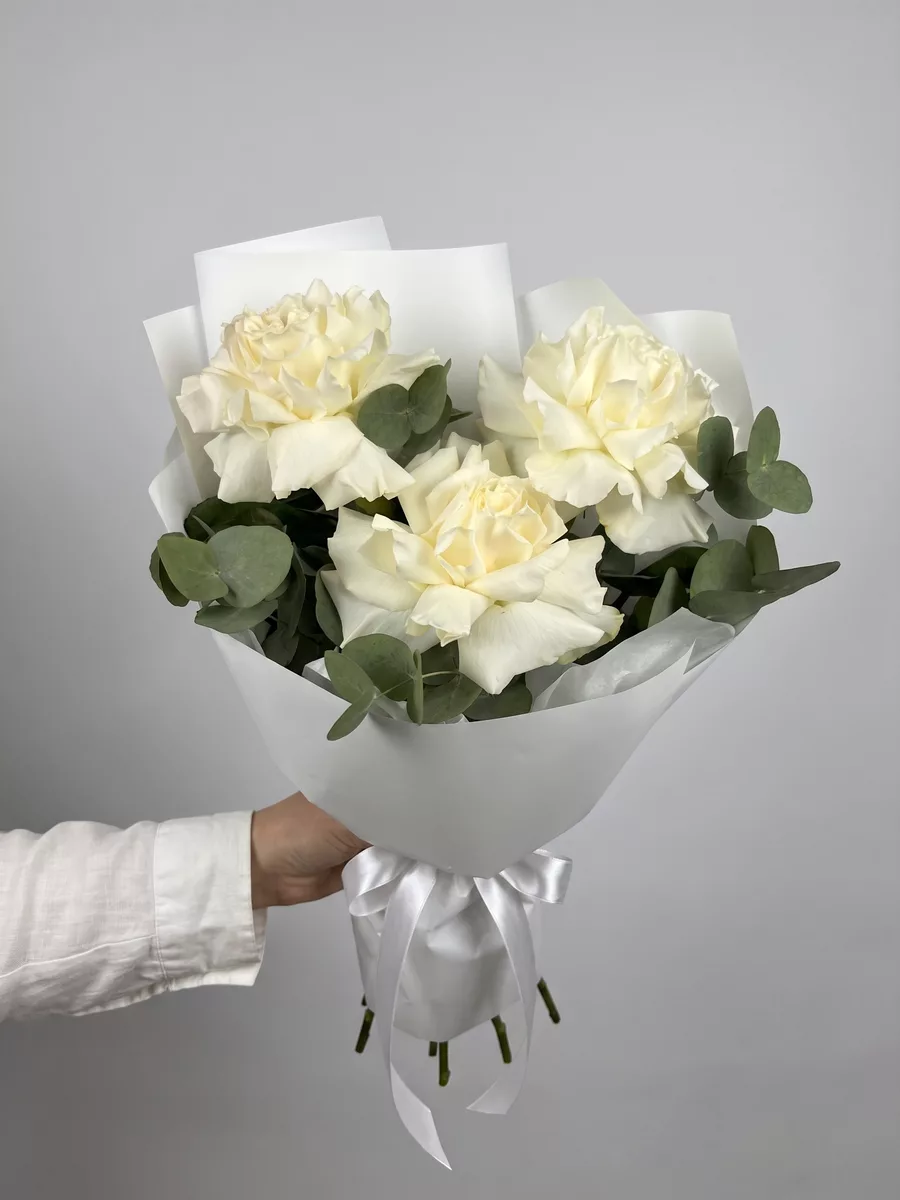
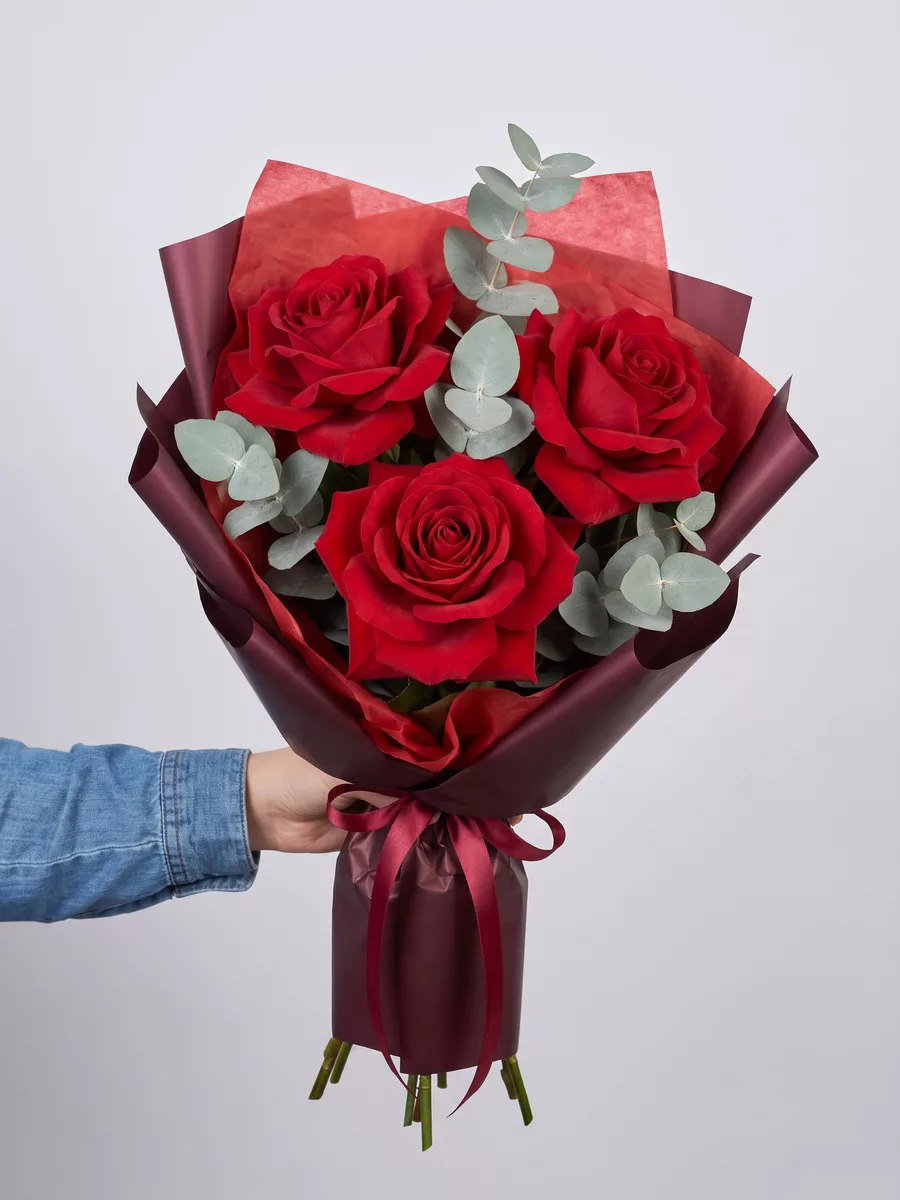
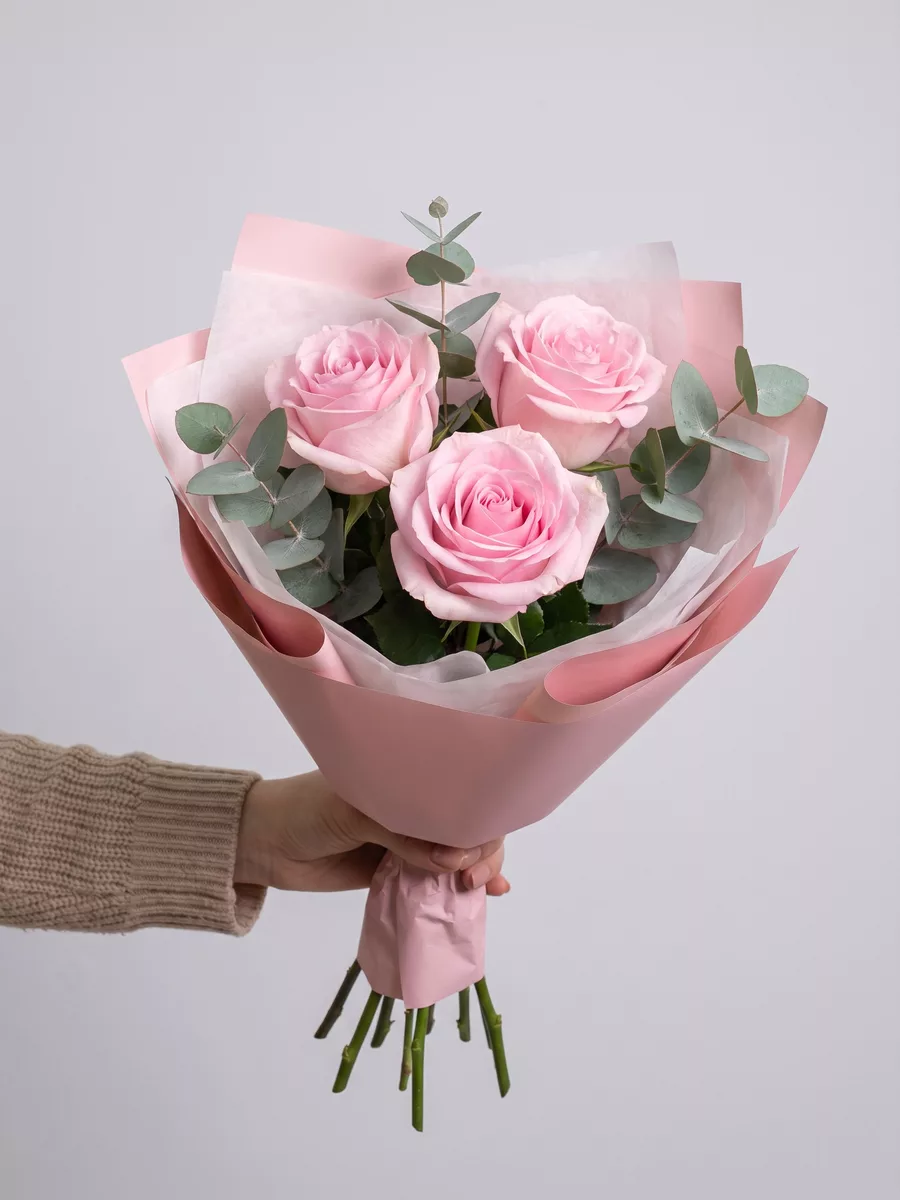
Choosing the Right Occasion and Reading Russian Flower Customs
Russian flower-giving has a few conventions that are worth understanding before you place an order, especially if you grew up outside that tradition. The most important one is the odd-number rule. Bouquets given as gifts traditionally contain an odd number of stems — three, five, seven, eleven, fifteen. Even numbers are associated with mourning and funerals, so a bouquet of twelve roses, standard in many Western countries, would feel out of place at a birthday or celebration in Davlekanovo. When you order, simply specify an odd number or trust the florist to compose accordingly.
Colour carries meaning too, though Russian conventions are more relaxed than the strict symbolism sometimes described online. Red roses remain the classic romantic gesture and are widely understood as such. Yellow flowers are sometimes said to signal separation or jealousy, but this belief varies significantly by generation — younger recipients rarely think twice about a yellow bouquet. If you are unsure, mixing yellow with white or orange removes any ambiguity while keeping the arrangement bright and seasonal.
For birthdays, name days, and professional milestones, bold and colourful arrangements are entirely appropriate. For a new baby, soft whites, creams, and pale pinks or blues work well. For a romantic anniversary, deep reds and rich burgundies signal intention. When the occasion is simply gratitude or friendship, almost anything goes — peonies in season, cheerful gerberas, or a mixed garden-style bouquet with eucalyptus and spray roses all land warmly. The key is matching the energy of the arrangement to the energy of the moment.
Seasonal Flowers That Travel Well to Bashkortostan
Choosing varieties that are genuinely in season is one of the most practical decisions you can make when ordering from abroad. Seasonal flowers are fresher at the source, hold their shape better in transit, and look more natural once they arrive. Forcing an out-of-season flower means it has often travelled a longer supply chain before it even reaches the arrangement, reducing its vase life significantly.
In spring, tulips are excellent — they are sturdy, widely available, and deeply associated with celebration in Russia. Ranunculus and hyacinths also perform well in cooler April temperatures. By late May and June, peonies become the standout choice. They are beloved across Russia, they travel well when cut at the tight bud stage, and they open dramatically in a warm room, which makes the recipient feel like they are watching something unfold over two or three days.
Summer brings lisianthus, sunflowers, and alstroemeria — all of which hold up well in heat if the delivery is fast. Alstroemeria in particular has exceptional vase life, sometimes lasting two weeks with basic care, which makes it a thoughtful choice when you want the gesture to last. Autumn is the season for chrysanthemums, dahlias, and late roses. Winter arrangements often centre on spray roses, carnations, and sturdy tropical varieties like anthuriums or orchid stems, which are not affected by cold the way soft-petalled flowers are.
Asking specifically for varieties suited to the current temperature in Bashkortostan is always sensible, and any experienced florist will guide you toward what is performing well that week.
Ordering from a Different Time Zone Without Making Mistakes
Davlekanovo operates on UTC plus five, which is Yekaterinburg time. If you are placing an order from Western Europe, you are three or four hours behind. From the east coast of North America, you are eight hours behind in winter and nine in summer. From East Asia or Australia, you may actually be ahead. This gap is the single most common source of confusion when sending flowers internationally, and it causes missed delivery windows more often than any other factor.
When you specify a delivery time, always think in Davlekanovo local time, not your own. If you want flowers to arrive before a birthday dinner that starts at seven in the evening Davlekanovo time, you need to place the order with enough lead time for same-day preparation and dispatch. As a general rule, ordering at least three to four hours before the desired delivery window, measured in local Davlekanovo time, gives the florist comfortable room to work.
For surprise deliveries, the recipient's address and a working phone number are essential. Couriers in Russia typically call ahead to confirm someone is home or available to receive the arrangement. If the recipient is at work, a workplace delivery is often smoother than a home delivery — Russian offices are generally happy to accept flowers, and colleagues tend to make the moment feel even more special. Providing both a home and a work address, with a note about which is preferred, removes a lot of uncertainty from the process and ensures your flowers reach the right hands at the right moment.
Budget, Composition, and What Different Spends Actually Look Like
When you are ordering from abroad without seeing the physical arrangement, it helps to think in terms of composition and impression rather than stem count alone. A smaller number of premium flowers — garden roses with full heads, peonies at peak season, long-stemmed calla lilies — can feel more luxurious than a larger bunch of filler varieties. Conversely, a generous mixed bouquet with varied textures, seasonal greenery, and complementary accent flowers creates a sense of abundance that is very warmly received in Russian gift culture.
At a modest spend, a tight round bouquet of spray roses with eucalyptus and a ribbon is genuinely beautiful and entirely appropriate for a colleague's birthday or a thank-you gesture. The arrangement is compact, travels well, and photographs nicely. At a mid-range spend, you move into combinations — perhaps standard roses paired with lisianthus and waxflower, or a seasonal mix anchored by peonies or dahlias depending on the time of year. These arrangements have more dimension and make a stronger visual impression when unboxed.
At the higher end, you are looking at premium long-stemmed roses, rare seasonal varieties, or large statement pieces with architectural elements — tall gladioli, tropical leaves, or orchid branches alongside roses and greenery. These are the arrangements that get photographed from multiple angles and kept on display for as long as possible. For milestone birthdays, significant anniversaries, or moments you want the recipient to remember, investing in a composition that feels genuinely extraordinary is worth every rouble of the difference. Whichever level you choose, always add a handwritten note — it is the detail that makes the flowers personal.
Keeping Flowers Fresh After Delivery: What to Tell the Recipient
If you want to give the recipient the best possible experience, include care instructions in your note or message them directly after delivery. Most people in Russia know the basics of flower care, but a fresh reminder adds a small act of thoughtfulness to your gift and genuinely extends the life of the arrangement.
The first step after receiving flowers is re-cutting the stems at a diagonal angle, about two centimetres from the bottom, and placing them immediately in clean, cool water. Diagonal cuts expose more surface area to water uptake. The vase should be rinsed and filled with fresh water every two days. Removing any leaves that sit below the waterline prevents bacterial growth, which is the main reason flowers fade faster than they should.
Placement matters enormously. Flowers should be kept away from direct sunlight, heating radiators, and open windows in winter. In Davlekanovo's cold months, a warm room is fine — flowers prefer temperatures between fifteen and twenty Celsius — but a windowsill above a radiator is the worst possible spot. In summer, a cool corner of the room extends vase life noticeably.
With good care, spray roses and alstroemeria can last ten to fourteen days. Standard roses and lisianthus typically give seven to ten days. Tulips and peonies are shorter-lived but more dramatic — five to seven days of peak beauty, which feels like more than enough when the blooms are spectacular. Chrysanthemums, often underestimated, can last two to three weeks with clean water and cool temperatures, making them one of the best choices for longevity when that matters to you.
Making the Moment Feel Personal Across the Distance
The practical side of ordering flowers internationally is important, but the emotional side is what the recipient actually experiences. When someone in Davlekanovo opens the door to a courier holding a bouquet ordered by someone thousands of kilometres away, the distance collapses for a moment. That collapse is the whole point, and a few deliberate choices make it happen more completely.
The note is the most powerful tool you have. Write it in Russian if you can, even imperfectly — recipients find it genuinely touching when someone makes that effort. If Russian is beyond you, write in your own language and add a phonetic phrase or two. Even a simple "s dnyom rozhdeniya" (happy birthday) or "ya tebya lyublyu" (I love you) written out in your handwriting on a card carries enormous weight. Ask the florist to include the card exactly as you write it.
Think about the unboxing moment. Many recipients share their flower deliveries on social media or in family group chats. An arrangement that photographs well — with interesting colour contrast, varied textures, and a beautiful ribbon — becomes a story that reaches beyond the recipient alone. Your gesture effectively reaches everyone in their circle.
Finally, timing a delivery to coincide with the exact right moment — the morning of a birthday before they leave for work, the afternoon of an anniversary dinner — shows a level of care that no gift card can replicate. It tells the recipient that you thought about their day, their schedule, their life. That specificity is what transforms a bouquet of flowers into a memory.
Sending flowers to Davlekanovo from another country is not complicated once you understand the timing, the customs, and what the season offers. The distance between you and the recipient is real, but the moment the flowers arrive at their door, that distance becomes part of the story — proof that you cared enough to reach across it. Choose varieties that suit the weather, follow the odd-number tradition, write a note that sounds like you, and the rest takes care of itself. Turboflora delivers across Russia, including Davlekanovo, within one to two hours, so the gap between your intention and their smile is shorter than you think.
Frequently asked questions
Does the continental climate in Davlekanovo affect which flowers I should choose for the bouquet?
Yes, and it matters more than most senders expect. In deep winter, open-faced blooms like anemones or garden roses can wilt from cold shock during the short journey between the delivery van and the front door. Choose closed buds or hardy stems such as chrysanthemums and spray roses in cold months. In summer heat, avoid dense tropical arrangements and favour lighter combinations that hold without refrigeration.
What flower combinations work well for a Davlekanovo recipient I want to impress but cannot deliver in person?
Because you are not there to hand the bouquet over yourself, the arrangement has to do all the work. Generous mixed bouquets with a clear focal flower, such as peonies surrounded by eucalyptus and white lisianthus, read as considered rather than rushed. Avoid single-variety bunches unless the recipient has a known favourite. Colour contrast and varied textures photograph well, which matters because the recipient will almost certainly share a picture with family.
How does the odd-number rule apply when I am ordering from outside Russia and the florist is local?
A reputable Davlekanovo florist will already follow this convention, but it is worth confirming when you place your order remotely. Even numbers of flowers are associated with mourning in Russian tradition and would send entirely the wrong signal at a birthday or anniversary. Ask the florist to confirm the stem count before they finalise the arrangement, especially if you are requesting a specific quantity for symbolic reasons.
Is Bashkortostan's regional identity something I should reflect in the flowers I choose?
It can add a thoughtful layer if you want it to. Bashkortostan has a strong cultural identity, and locally grown or seasonal wildflower-style arrangements tend to feel more personal than generic imported bouquets. If the recipient is Bashkir, a warm and generous presentation matters as much as the specific blooms. Ask the florist whether they work with any locally sourced stems, particularly in late spring and summer when regional flowers are available.
What should I include in the card note to make the delivery feel personal when I am sending from another country?
Keep the note specific to the person and the occasion rather than generic. Mention something only you and the recipient would recognise, because that detail is what transforms a flower delivery into a message. If you are writing in English and the recipient reads Russian, ask the florist whether they can transliterate or translate a short note. A handwritten card, even one printed locally by the florist, carries more weight than a digital message attached to the order.
Ready to send flowers?
Pick the city, choose the bouquet, and a local florist takes it from there.
Choose a city →